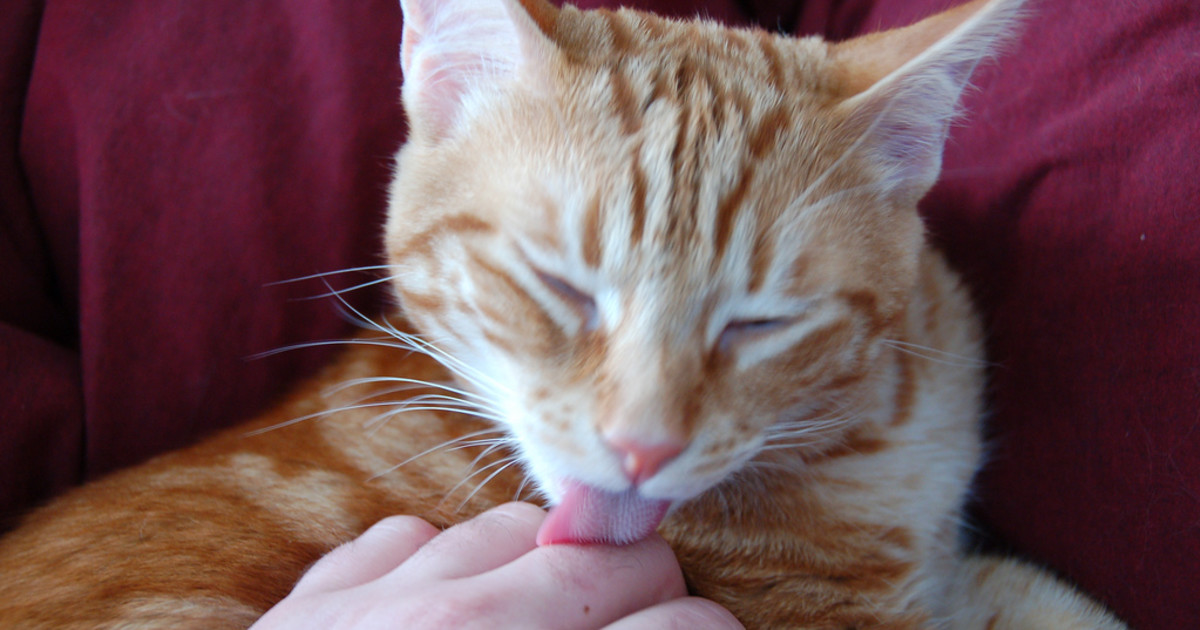
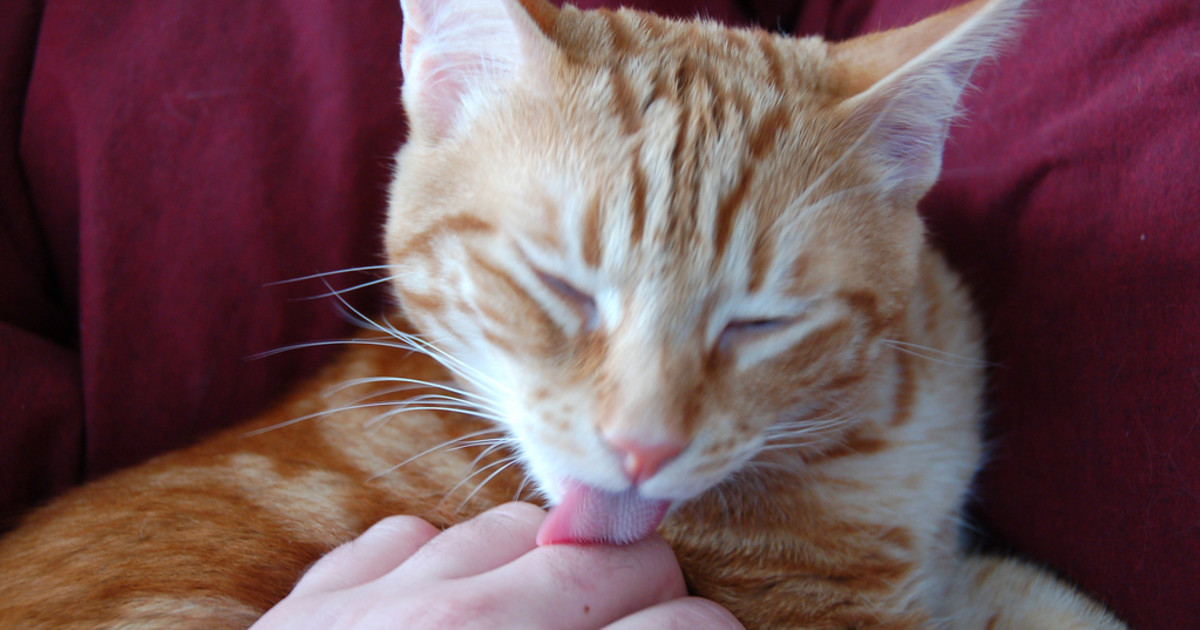
Have you ever wondered why your cat spends so much time grooming itself but never tries to groom you? If you’ve noticed your furry friend licking its fur but not your skin, you’re not alone.
Understanding this curious behavior can help you connect with your cat on a deeper level. Keep reading, and you’ll discover surprising reasons behind this, making your bond stronger and more meaningful than ever before.

Credit: pennypaws.com
Cat Grooming Habits
Cats are known for their meticulous grooming routines, which keep their coats clean and healthy. Understanding these habits can shed light on why they don’t often try to groom us. Their grooming is more than just cleanliness; it’s tied deeply to their instincts and social behavior.
How Cats Groom Themselves
Cats use their tongues to groom, which are covered with tiny, hook-like structures called papillae. These hooks help remove loose fur, dirt, and parasites effectively. You might notice your cat licking its fur in small, focused areas, making sure every spot is clean.
Grooming is a time-consuming activity for cats, often taking up to 50% of their waking hours. Their paws also play a role; cats lick their paws and then use them to wipe their face and head. This self-care routine is a precise and thorough process that helps maintain their hygiene.
The Role Of Grooming In Cat Behavior
Grooming is not just about staying clean—it’s a stress-relief mechanism. When cats groom, they release endorphins, which help them feel calm and relaxed. This can explain why cats groom more when they feel safe and comfortable.
Another key aspect is social bonding. Cats often groom each other, a behavior called allogrooming, to strengthen friendships and show trust. However, they rarely extend this grooming to humans, as they see us differently from fellow cats.
Have you noticed your cat grooming you by licking or nuzzling? While not a full grooming session, these actions show affection and acceptance. Understanding your cat’s grooming habits can help you appreciate the unique ways they communicate and care for themselves.

Credit: www.reddit.com
Social Grooming In Cats
Social grooming plays a vital role in the life of cats, shaping their relationships and daily interactions. Unlike the way dogs or humans might show affection, cats use grooming not only for cleanliness but also as a social signal. Understanding this behavior can reveal why your cat might not try to groom you, even if it clearly enjoys your company.
Grooming Among Cat Family Members
Cats primarily groom those they share close bonds with, such as family members or trusted companions. This behavior, called allogrooming, involves cats licking and cleaning each other’s fur to maintain hygiene and comfort. It’s common to see mother cats grooming their kittens, or siblings grooming each other after play or rest.
Grooming helps cats identify and reinforce their social group. When you see cats grooming one another, they’re not just cleaning—they’re strengthening their social ties. So, if your cat doesn’t groom you, it might be because you’re not part of its “cat family.”
Grooming As A Bonding Tool
Beyond hygiene, grooming is a powerful bonding tool that builds trust and reduces stress among cats. When a cat grooms another, it signals acceptance and friendship. This helps create a peaceful environment where cats feel safe and connected.
Think about your own relationship with your cat. While your cat may not groom you, it likely shows affection in other ways like head butting or purring. These actions are their way of bonding with you, tailored to the unique human-cat relationship.
Have you noticed your cat grooming itself after being petted? This could be a way to reestablish its scent, which is important in cat communication. Understanding these subtle cues can help you deepen your connection with your feline friend.
Why Cats Don’t Groom Humans
Many cat owners wonder why their feline friends don’t groom them. Cats are known for their grooming habits. Yet, they don’t extend this behavior to humans. Understanding this behavior involves looking at the differences between species and other factors.
Differences Between Cats And Humans
Cats and humans have different grooming needs. Cats groom themselves to clean their fur and skin. Their tongues have tiny barbs that catch dirt and loose hair. Human skin and hair don’t require the same grooming method. This makes cats less inclined to groom us.
Humans use water and soap for cleanliness. Cats rely on their tongues and saliva. Our grooming rituals seem foreign to cats. We wash away scents, while cats preserve them. These differences explain why cats don’t groom humans.
Scent And Territory Factors
Cats communicate through scent. They mark territory with their unique smell. Grooming helps spread this scent over their bodies. By not grooming us, cats maintain their personal scent. It signals ownership and comfort in their environment.
Human scent can be overwhelming to cats. Perfumes, soaps, and lotions mask natural odors. Cats prefer familiar scents, not artificial ones. Grooming would mean covering us in their scent, which is not their goal. They are territorial creatures, valuing their own scent above all.
Other Ways Cats Show Affection
Cats have unique ways to show love and trust. Grooming humans is rare, but they use other clear signals to express affection. Recognizing these signs helps deepen the bond with your cat. Their subtle gestures carry strong meanings.
Purring And Head-butting
Purring is a common sign of contentment and comfort. Cats often purr when they feel safe and happy near you. Head-butting, or bunting, is a way cats mark you with their scent. It shows they trust and accept you as part of their group.
Kneading And Slow Blinking
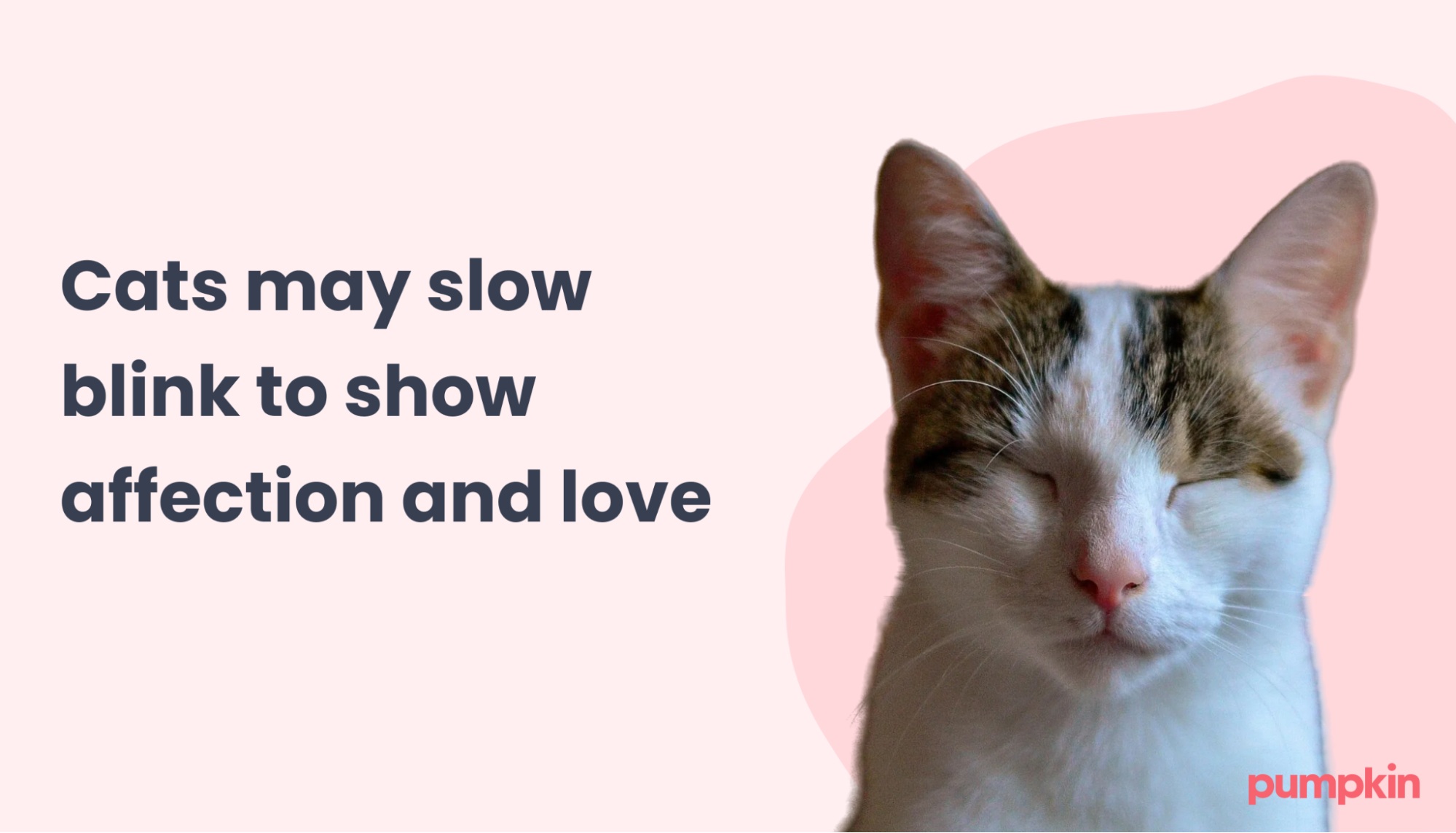
Kneading, pressing their paws rhythmically on soft surfaces, comes from kittenhood. Cats do this to show relaxation and affection. Slow blinking at you means they feel calm and safe. This gentle gesture invites trust and signals love.
How To Encourage Grooming-like Behavior
Encouraging grooming-like behavior from your cat can deepen your bond and make your interactions more affectionate. Cats naturally groom each other to show trust and care. Helping your cat extend this behavior towards you requires patience and the right approach.
Using Grooming Tools
Grooming tools like soft brushes or grooming gloves can mimic the sensation of a cat’s tongue. Start by gently brushing your cat in areas they enjoy, such as behind the ears or along the back. Over time, your cat may associate this activity with comfort and affection.
Try different tools to see what your cat prefers. Some cats love the gentle scratch of a rubber brush, while others respond better to softer bristle brushes. Notice your cat’s reactions and adjust accordingly.
Building Trust And Comfort
Trust is the foundation for grooming-like behavior. Spend quiet time near your cat without forcing interaction. Let them approach you on their terms to build comfort.
Use calm voices and slow movements to avoid startling your cat. Offering treats during relaxed moments can create positive associations. Have you noticed how your cat reacts when you’re calm versus when you’re in a hurry?
Remember, grooming is a vulnerable act for cats. By creating a safe environment, you invite your cat to express care in their own way. Patience here can turn your cat’s occasional licks into a regular sign of affection.
Common Misconceptions About Cat Grooming
Many people assume cats don’t groom their human companions because they are indifferent or uninterested. This is a common misconception that overlooks the complex social behaviors cats display. Understanding why cats do or don’t groom us requires looking beyond surface assumptions.
Cats Are Not Indifferent To Humans
Cats may not lick or groom you like they do with other cats, but that doesn’t mean they don’t care. Grooming in cats is often a sign of trust and affection. If your cat chooses to sit close, purr, or nuzzle you, these are clear signs they value your presence.
Think about your own cat’s behavior: have they ever rubbed their head against you or gently pawed at your hand? These actions serve a similar bonding purpose to grooming. Cats show love in ways that might not be immediately obvious if you expect them to act like dogs or other pets.
Grooming Preferences Vary Among Cats
Not all cats have the same grooming habits, especially when it comes to humans. Some cats might lick their owners occasionally, while others never do. This difference depends on their personality, past experiences, and even breed.
Consider your cat’s unique preferences and comfort levels. For example, a shy or anxious cat might avoid close contact that resembles grooming. Meanwhile, a confident cat may offer grooming as a sign of social bonding.
Have you noticed your cat grooming other pets but not you? This could mean they see you as a different kind of family member. Recognizing these distinctions helps you appreciate your cat’s way of showing care without forcing grooming behaviors that don’t come naturally to them.

Credit: www.reddit.com
Frequently Asked Questions
Why Don’t Cats Groom Humans Like Themselves?
Cats groom themselves to clean fur and regulate body temperature. Human skin texture and scent differ, so cats don’t see us as needing grooming. They may lick us to show affection but don’t groom like they do their own fur.
Do Cats Recognize Humans As Part Of Their Family?
Cats see humans as social companions, not as fellow cats. They bond through affection and trust but don’t treat us as grooming partners. Grooming is a behavior reserved for cats within their social group.
Can Cats’ Licking Be Considered Grooming Behavior?
Yes, cats’ licking of humans is a mild grooming gesture. It’s more about affection and marking territory with their scent than cleaning. Cats rarely engage in full grooming rituals with humans.
Why Is Cat Grooming Important Among Cats But Not Humans?
Grooming among cats strengthens social bonds and maintains fur health. Humans don’t have fur, so grooming isn’t practical or necessary. Cats adapt their social grooming behaviors to fit their environment.
Conclusion
Cats have their own way of showing care. Grooming each other builds trust and bonds. They see humans differently, not as fellow cats. That’s why they rarely lick or groom us. Instead, they use purring, rubbing, and kneading to connect.
Understanding this helps us appreciate their unique behavior. It shows their love in subtle ways. Enjoy your cat’s company and their special signals. Every pet is different, and that’s part of the joy.


Leave a Reply