
Are you passionate about dogs or cats and want to turn that love into a rewarding career? Becoming a dog or cat breeder can be an exciting way to work closely with animals you adore.
But where do you start? How do you make sure you’re doing it right for both the animals and your future business? This guide will walk you through everything you need to know to become a responsible and successful breeder.
Keep reading to discover the essential steps that will set you on the path to building a fulfilling and trustworthy breeding practice.
Choosing Your Breed
Choosing the right breed is a crucial step in becoming a successful dog or cat breeder. The breed you select will shape your daily routine, the kind of care your animals need, and even your business’s future. It’s important to think carefully about what fits best with your lifestyle, interests, and goals.
Researching Dog And Cat Breeds
Start by gathering detailed information about different breeds. Look into their size, temperament, health issues, and grooming needs. Breed clubs, veterinary websites, and experienced breeders can offer valuable insights.
Pay attention to breed-specific health problems. Knowing these helps you prepare for potential challenges and ensures you can provide proper care. Don’t just focus on popular breeds; sometimes lesser-known breeds might be a better match for you.
Matching Breed To Lifestyle
Think about how much time you can dedicate to your animals daily. Some breeds need lots of exercise and mental stimulation, while others are more relaxed. For example, a Border Collie requires intense activity, but a British Shorthair cat is much more low-key.
Consider your living space too. If you have a small apartment, a large, energetic dog might not thrive. Ask yourself: Can I meet this breed’s needs consistently? Your lifestyle should align with the breed’s natural behavior to avoid frustration for both you and the animals.
Evaluating Breed Demand
Look at the market demand for the breed you want to work with. Some breeds have high popularity, making it easier to find buyers, but they also come with more competition. Niche breeds might attract dedicated buyers willing to pay more, but finding them can take time.
Research local and online communities to see what buyers are looking for. Are people interested in hypoallergenic cats or small dogs? Understanding demand helps you plan better and avoid ending up with animals you can’t place.
Setting Up Your Space
Setting up your space is one of the most crucial steps in becoming a successful dog or cat breeder. The environment you create will directly affect the health, behavior, and well-being of the animals in your care. Thinking carefully about safety, comfort, and cleanliness will set a strong foundation for your breeding journey.
Creating A Safe Environment
Safety should be your top priority. Ensure the area is secure from potential hazards like sharp objects, toxic plants, or small items pets could swallow. Consider installing sturdy fencing or barriers to prevent escapes and protect your animals from outside threats.
Think about temperature control. Puppies and kittens are especially sensitive to cold or heat, so maintaining a consistent, comfortable climate is essential. Have a quiet area where the animals can feel calm and stress-free—noise and constant activity can cause anxiety.
Necessary Equipment And Supplies
Start with basics like bedding, food and water bowls, and litter boxes for cats. Use materials that are easy to clean and durable. You’ll also need grooming tools, health supplies like a first aid kit, and proper storage for food and medications.
Don’t forget containment items such as crates or playpens, which help manage space during feeding or health checks. Having a scale to monitor the weight of puppies or kittens can help you track their growth and identify any health issues early.
Maintaining Cleanliness And Comfort
Regular cleaning is non-negotiable. It prevents disease and keeps your animals comfortable. Develop a daily routine that includes disinfecting surfaces, washing bedding, and removing waste promptly.
Comfort goes beyond cleanliness. Soft bedding, appropriate lighting, and fresh air improve your pets’ quality of life. Ask yourself—does your space encourage calm and natural behavior? If not, adjust it until it does.
Learning Breeding Basics
Learning breeding basics helps you become a successful dog or cat breeder. It involves understanding animal genetics, health, and care. Proper knowledge ensures healthy and happy pets.
Embarking on a journey to become a dog or cat breeder is both exciting and challenging. It’s not just about pairing animals and expecting cute litters. Instead, it’s a commitment to understanding the science and art of breeding. Studying the breeding basics is your first step. This involves grasping essential concepts like genetics, breeding cycles, and health screenings. With a solid foundation, you can ensure the well-being of your animals and the quality of your breeding program.Genetics And Heredity
Understanding genetics is crucial in breeding. It determines the physical traits and health predispositions of your animals. By learning about dominant and recessive genes, you can predict outcomes in your litters. Have you ever wondered why some cats have blue eyes while others don’t? It’s all about genetic makeup. By studying heredity, you can make informed decisions to enhance desirable traits and minimize genetic disorders.Breeding Cycles And Timing
Timing is everything in breeding. Each species and even breed has its own cycle. Knowing when your animals are most fertile is key to successful breeding. Most dogs, for example, have two breeding cycles a year. Cats, however, can be more frequent. Aligning your breeding efforts with these cycles maximizes success and reduces stress on the animals.Health Screening And Tests
Ensuring the health of your breeding animals is non-negotiable. Regular health screenings and tests can prevent the spread of genetic diseases. Wouldn’t you want to give your litters the best start in life? Conducting screenings such as hip evaluations and blood tests can identify potential health issues early. This proactive approach not only protects your animals but also boosts the reputation of your breeding program. Remember, a responsible breeder prioritizes the health and well-being of their animals above everything else.Legal And Ethical Considerations
Starting as a dog or cat breeder involves more than love for animals. It requires careful attention to legal and ethical rules. These rules protect the animals, the breeder, and the buyers. Understanding these guidelines helps build trust and ensures a good reputation in breeding.
Licensing And Permits
Breeding pets usually needs special licenses. These permits vary by location and animal type. Contact local authorities to learn about rules in your area. Apply for all required permits before starting your breeding business. Keep licenses up to date to avoid fines or closures.
Animal Welfare Regulations
Animal welfare laws protect the health and safety of pets. These laws cover housing, food, and medical care. Follow all rules about space, cleanliness, and exercise. Regular veterinary checks are essential. Violating welfare laws can lead to penalties and loss of breeding rights.
Ethical Breeding Practices
Ethical breeders focus on the animals’ well-being above profits. Avoid breeding animals with health issues or poor temperaments. Aim for strong, healthy offspring with good traits. Provide proper socialization and care for all animals. Be honest with buyers about the pets’ backgrounds and health.
Finding Quality Breeding Stock
Finding quality breeding stock is a key part of becoming a successful dog or cat breeder. The right breeding animals impact the health, temperament, and overall quality of future litters. Choosing carefully helps maintain breed standards and supports responsible breeding practices.
Selecting Healthy Parents
Start by checking the health history of potential breeding animals. Look for clear records of vaccinations, tests, and any hereditary conditions. Healthy parents reduce the risk of passing illnesses to offspring.
Physical exams by a trusted veterinarian are essential. Inspect for signs of genetic problems or physical defects. Only choose animals that meet breed health standards and show no signs of illness.
Evaluating Temperament And Traits
Temperament affects how puppies or kittens behave later. Choose parents with calm and friendly personalities. Avoid animals that show aggression or fearfulness.
Consider breed-specific traits important for your goals. For example, working dogs need strong drive and focus. Pets might need gentle and social behavior. Select animals that best represent these traits.
Building Relationships With Other Breeders
Connect with experienced breeders to learn about quality breeding stock. They can offer advice and may share or sell good animals. Networking helps access animals with proven pedigrees.
Attend breed clubs and events to meet breeders. Exchange knowledge and stay updated on breeding trends. Reliable relationships support ethical breeding and help improve your program.
Caring For Pregnant Animals
Caring for pregnant dogs or cats requires special attention and care. Pregnancy changes their body and needs. Proper care supports the health of the mother and her babies. It lowers risks and helps smooth delivery. Every breeder must know how to care for pregnant animals well.
Nutrition And Health Care
Good nutrition is key for pregnant animals. Their food must be rich in proteins, vitamins, and minerals. Increase the amount of food slowly to match growing needs. Use high-quality, balanced pet food designed for pregnancy or growth.
Keep fresh water available at all times. Avoid giving raw or harmful foods. Regular vet check-ups are important to track health and spot problems early. Follow the vet’s advice on vaccines and supplements.
Monitoring Pregnancy Progress
Track changes in behavior and body shape daily. Notice appetite changes, weight gain, and nesting signs. Use gentle touch to feel for developing babies after a few weeks. Keep a record of dates and symptoms.
Visit the vet for ultrasound or X-rays to confirm pregnancy and count babies. Watch for any signs of illness or distress, like vomiting or lethargy. Early detection helps manage complications better.
Preparing For Birth
Create a quiet, warm, and safe area for giving birth. Use soft bedding and keep the space clean. Prepare necessary supplies: towels, heating pads, and a whelping box or nest.
Stay calm and ready to assist if needed. Learn about normal labor signs and delivery stages. Keep the vet’s contact handy for emergencies. Support the mother with comfort and care throughout labor.
Managing Birth And Early Care
Managing birth and early care is crucial for a successful breeding experience. Newborn puppies and kittens need gentle attention and proper care right from the start. This stage affects their health and behavior as they grow. Understanding how to assist delivery, provide neonatal care, and support early socialization helps breeders ensure strong and healthy litters.
Assisting Delivery
Be ready for the birth process by preparing a clean, quiet space. Watch the mother closely for signs of labor. Help only if the mother struggles to deliver a baby. Use clean towels to gently clear the newborn’s nose and mouth. Keep each newborn warm and dry immediately after birth. Contact a vet if any complications arise during delivery.
Neonatal Care Basics
Newborns need warmth, nutrition, and hygiene. Keep their environment at a stable temperature around 85-90°F (29-32°C). Check that each baby nurses well within the first few hours. Monitor their weight daily to ensure steady growth. Clean bedding regularly to prevent infections. Handle babies gently and wash hands before touching them.
Socialization And Early Development
Early socialization shapes healthy adult pets. Introduce gentle human touch from day one. Encourage interaction with littermates to build social skills. Provide safe toys to stimulate senses and movement. Gradually expose puppies and kittens to different sounds and sights. This early care builds confidence and reduces fear later in life.

Credit: www.elysianbengals.com
Marketing Your Puppies Or Kittens
Marketing your puppies or kittens effectively is essential to find the right homes and ensure your breeding efforts are appreciated. It’s not just about selling; it’s about connecting with people who will care for your animals as much as you do. Think of marketing as the bridge between your hard work and happy, loving families.
Creating Effective Listings
Your listings are often the first impression potential buyers get. Use clear, high-quality photos that show the animal’s personality and health. Avoid blurry images or poorly lit shots that can make your puppies or kittens look less appealing.
Write detailed descriptions including breed, age, health status, and temperament. Mention any vaccinations or vet checks already done. Buyers appreciate honesty and transparency; it builds trust right from the start.
Include your contact information and be prompt in responding to inquiries. Quick replies show you care and are serious about finding the right homes. Have you ever ignored a message because the seller took too long to respond? Don’t let that be you.
Screening Potential Buyers
Not everyone interested in your puppies or kittens will be the right fit. Ask questions about their living situation, experience with pets, and why they want a dog or cat. This helps you spot serious and responsible buyers.
Consider creating a simple questionnaire or application form. It protects your animals and ensures they go to safe, loving homes. Would you want your beloved pet to end up in a place where they aren’t cared for properly?
Trust your instincts during conversations. If something feels off, it’s okay to hold back or suggest waiting. Your animals’ well-being comes first.
Building A Reputation
Word of mouth is powerful in the breeding community. Happy buyers can become your best promoters by sharing their positive experiences. Encourage them to send updates and photos after taking your puppies or kittens home.
Maintain transparency about your breeding practices and be open about any challenges. People respect honesty and it sets you apart from breeders who only focus on profit. How often do you hear about breeders who never answer questions or hide important details?
Participate in local pet events or join breeder groups online. Networking helps you learn, improve, and gain credibility. A strong reputation isn’t built overnight but grows steadily with every responsible decision you make.
Continuing Education And Growth
Continuing education and growth are vital for any dog or cat breeder. The animal breeding field changes often. New health research, breed standards, and care methods appear regularly. Staying educated helps breeders provide the best care and produce healthy pets. It also builds trust with buyers and other breeders. Committing to learning ensures long-term success in this career.
Attending Workshops And Seminars
Workshops and seminars offer practical knowledge. Experts share insights on genetics, nutrition, and animal care. These events allow breeders to ask questions and solve real problems. Attending often improves skills and confidence. Some workshops focus on breeding ethics and legal rules. They help breeders follow laws and breed responsibly. Many are available locally or online for convenience.
Staying Updated On Breed Standards
Breed standards describe ideal traits for dogs or cats. These standards can change over time. Updated standards affect breeding choices and show competitions. Breeders must check official breed club websites regularly. Reading newsletters or magazines from breed organizations helps too. Understanding current standards keeps breeders aligned with the community. It guides selection of breeding pairs for healthier litters.
Networking With Breeding Communities
Joining breeding communities connects breeders with peers and mentors. These groups share tips, experiences, and advice. Networking opens doors to collaborations and better resources. Online forums, social media groups, and local clubs provide support. Experienced breeders often offer guidance to newcomers. Building relationships within the community enhances knowledge and reputation.
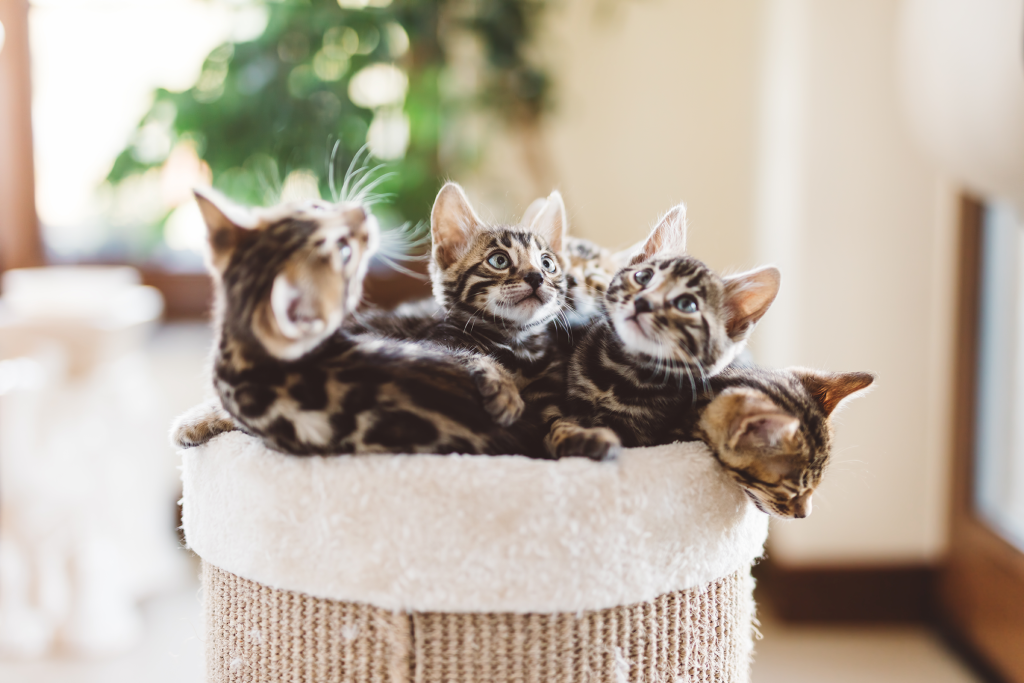
Credit: boldbynature.com

Credit: healthybreeding.com
Frequently Asked Questions
What Qualifications Are Needed To Become A Dog Or Cat Breeder?
To become a breeder, you need knowledge of genetics, animal care, and breeding ethics. Formal education in veterinary science helps but is not mandatory. Experience with animals and local breeding laws is essential for responsible breeding.
How Do I Start A Dog Or Cat Breeding Business?
Begin by researching breeds and local regulations. Create a safe, clean environment and acquire healthy breeding stock. Register with breed clubs and market responsibly. Focus on health, temperament, and ethical breeding practices to build a reputable business.
What Are Common Challenges In Dog Or Cat Breeding?
Challenges include managing health issues, genetic defects, and finding suitable homes. Breeders must handle financial costs, legal regulations, and ethical concerns. Proper planning, continuous education, and networking help overcome these obstacles.
How Can I Ensure Ethical Breeding Practices?
Ethical breeding means prioritizing animal health, avoiding overbreeding, and genetic testing. Provide proper veterinary care and socialization. Follow breed standards and laws. Transparency with buyers about health and lineage is crucial.
Conclusion
Becoming a dog or cat breeder takes time and effort. You need to learn about animal care and breeding rules. Patience and love for animals help you succeed. Always keep the health and safety of pets first. Build good relationships with other breeders and vets.
Stay honest and responsible in your work. This path can be rewarding if you stay dedicated. Start small, keep learning, and grow with experience. Your passion can create happy, healthy pets for many families.



Leave a Reply