Are you passionate about Ragdoll cats and dreaming of turning that love into something more? Becoming a registered Ragdoll cat breeder might be the perfect path for you.
But where do you start? What steps do you need to take to make sure you’re breeding healthy, happy cats and following all the right rules? This guide will walk you through everything you need to know. By the end, you’ll have a clear plan to become a trusted breeder, respected by both fellow cat lovers and the Ragdoll community.
Ready to take the first step? Let’s dive in.

Credit: www.masterpieceragdolls.com
Ragdoll Cat Breed Basics
The Ragdoll cat is a popular breed known for its gentle nature and striking appearance. Understanding the basics of this breed is essential for anyone interested in becoming a registered Ragdoll cat breeder. This section covers key traits, breed standards, and health concerns. Knowing these fundamentals helps maintain breed quality and ensures responsible breeding practices.
Traits And Temperament
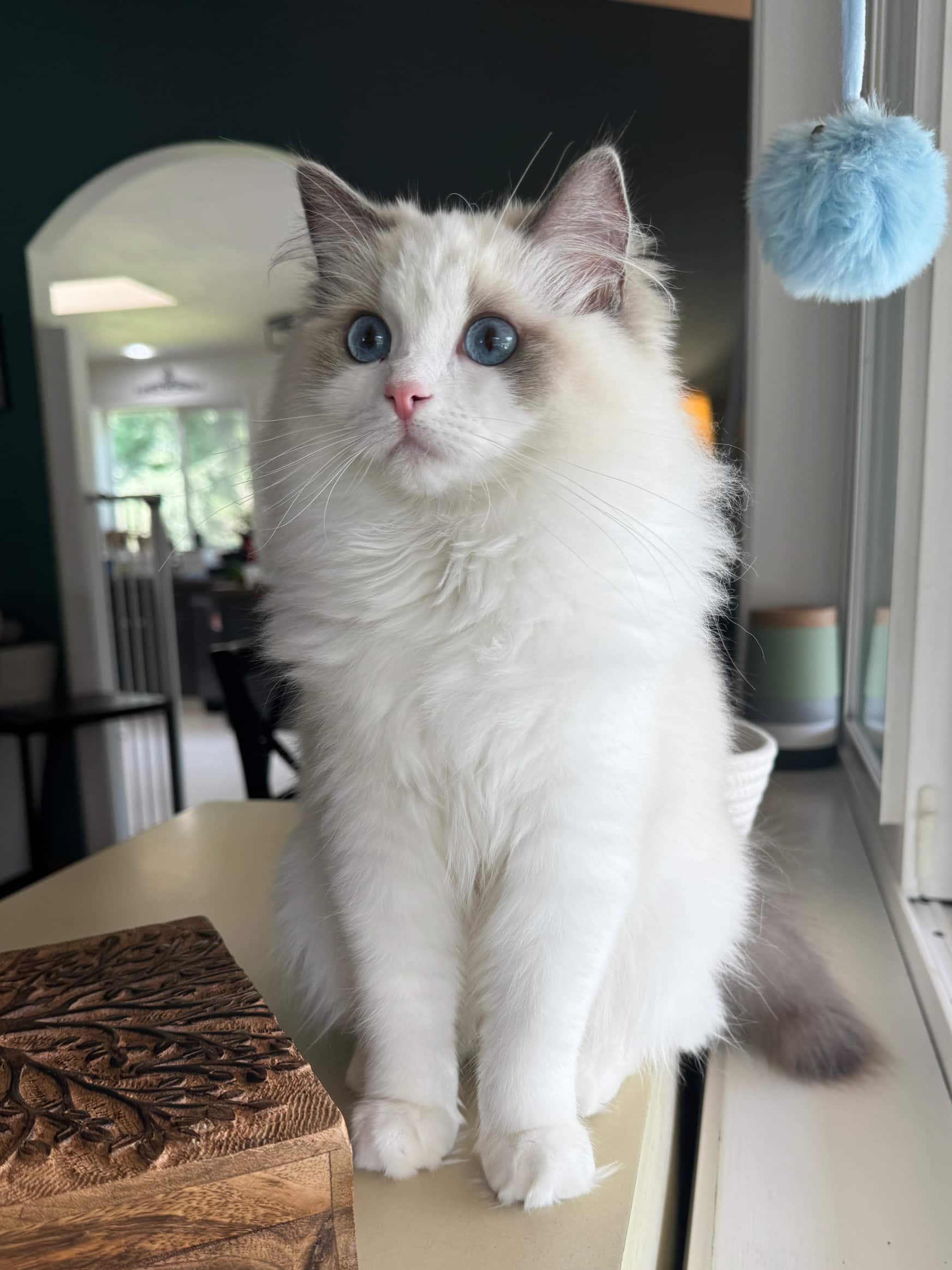
Ragdolls are large, affectionate cats with soft, silky fur. They often go limp when picked up, which is why they are called “Ragdolls.” These cats are calm, friendly, and enjoy human company. They rarely show aggression and get along well with children and other pets. Their easygoing nature makes them ideal companions and great family pets.
Breed Standards
Ragdolls have specific physical traits that define the breed. Their eyes are always blue and almond-shaped. The coat is semi-long and plush, with color points on the ears, face, paws, and tail. Common color patterns include:
- Colorpoint
- Mitted
- Bicolor
The body is muscular with a broad chest, and the head has a flat plane with medium-sized ears. The tail is long and bushy, matching the body’s elegance.
Common Health Issues
Ragdolls are generally healthy but can face some breed-specific health problems. Hypertrophic cardiomyopathy (HCM) is a heart disease seen in some Ragdolls. Regular heart screenings are important for breeding cats. Joint problems like hip dysplasia may occur, so careful selection of breeding pairs is vital. Maintaining good nutrition and regular vet checks helps keep these cats healthy.

Credit: www.masterpieceragdolls.com
Breeder Requirements
Becoming a registered Ragdoll cat breeder requires meeting several key requirements. These rules ensure the health and well-being of your cats. They also help maintain high standards in breeding practices. Understanding these requirements is essential before starting your breeding journey.
Legal And Licensing Needs
Registering as a breeder involves obtaining proper licenses. Check local and state laws for pet breeding regulations. Some areas require specific permits for animal breeding businesses. You may need to register with a cat breeder association. This registration proves your commitment to ethical breeding. Keeping accurate records of your cats is often mandatory. These records include health, pedigree, and breeding history.
Facility And Environment Setup
Your breeding facility must be safe and clean. Provide enough space for each cat to live comfortably. Proper ventilation and temperature control are important. Separate areas for mating, birthing, and raising kittens help prevent illness. Use high-quality bedding and clean litter boxes regularly. Regular sanitation reduces the risk of infections. Your setup should allow for easy observation of the cats.
Financial Considerations
Breeding Ragdolls requires financial planning. Initial costs include purchasing quality breeding cats. Veterinary care, vaccinations, and health testing add to expenses. Feeding premium cat food is essential for good health. You may need to invest in breeding supplies and equipment. Budget for unexpected costs like emergency vet visits. A well-planned budget helps sustain your breeding program long-term.
Registering As A Breeder
Becoming a registered Ragdoll cat breeder requires joining a recognized cat breeding organization. This process ensures your cats meet breed standards and helps build trust with buyers. Registration also provides access to important resources and support for responsible breeding.
Registering as a breeder is a crucial step in establishing credibility. It ensures that your Ragdoll kittens are recognized as purebred. This process might seem complex, but breaking it down makes it manageable. Each step is essential to becoming a trusted Ragdoll cat breeder. Let’s explore the key aspects of registering as a breeder.Choosing A Cat Registry
Selecting the right cat registry is vital. Different registries have unique requirements and benefits. Popular choices include The International Cat Association (TICA) and Cat Fanciers’ Association (CFA). Research each registry’s standards before deciding. Consider factors like registration costs and breeder support.Application Process
The application process involves submitting forms to your chosen registry. Ensure you fill out the forms accurately. Mistakes can delay your application. Most registries offer online applications, making the process easier. Check for any additional breeder agreements you need to accept.Documentation And Fees
Prepare necessary documentation, including pedigree certificates. These documents prove the lineage of your breeding cats. You might need health records and vaccination details too. Fees vary by registry and usually cover administrative costs. Make sure to budget for these expenses. Proper documentation ensures your registration is successful.
Credit: www.masterpieceragdolls.com
Selecting Breeding Cats
Selecting the right breeding cats is the foundation of becoming a successful registered Ragdoll cat breeder. This step requires careful thought and attention to detail because the quality of your breeding cats directly affects the health, temperament, and appearance of future litters. Your choices here will shape your breeding program and reputation.
Pedigree Evaluation
Start by examining the pedigree of each cat you consider for breeding. Look for ancestors with strong show records and titles, as these indicate desirable traits and breed standards.
Check for diversity in the lineage to avoid inbreeding, which can lead to genetic issues. You want to maintain a healthy gene pool.
Ask yourself: does this cat’s family history support the traits I want to promote? If the answer is no, keep looking.
Health Screening
Health is non-negotiable when selecting breeding cats. Schedule thorough veterinary check-ups focusing on breed-specific conditions like hypertrophic cardiomyopathy (HCM) and kidney disease.
Request genetic testing results and vaccination records. Healthy parents are more likely to produce healthy kittens.
Remember, a cat may look perfect but could carry hidden health risks. Would you risk your breeding program by ignoring this?
Temperament Assessment
Ragdolls are known for their gentle and affectionate nature. Your breeding cats should display these traits consistently.
Spend time interacting with each cat. Are they calm around people? Do they tolerate handling well?
Choosing cats with the right temperament means your kittens will likely inherit these qualities, making them more desirable pets.
Breeding Practices
Breeding Ragdoll cats responsibly means focusing on quality care and ethical practices throughout the entire process. Your goal is to maintain the breed’s health, temperament, and beauty while ensuring the well-being of both the mother and kittens. This requires careful planning, attention, and ongoing commitment.
Mating Planning
Planning the mating of your Ragdolls is about more than just pairing a male and female. You need to consider genetics, health clearances, and temperament compatibility. Have both cats tested for common hereditary diseases like hypertrophic cardiomyopathy (HCM) before breeding.
Think about timing too. Track your female’s heat cycles carefully to identify the best breeding window. A well-timed mating increases the chance of a healthy litter and reduces stress on the mother.
Pregnancy Care
Once your female is pregnant, her health becomes your top priority. Provide a quiet, clean, and comfortable space where she feels safe. Nutrition plays a huge role; switch to high-quality kitten food to support her increased nutritional needs.
Regular vet visits are essential to monitor her progress and catch any issues early. You’ll also want to prepare for the birth by gathering supplies like clean towels, heating pads, and a nesting box. Are you ready to respond calmly if complications arise?
Kitten Care And Socialization
Newborn Ragdoll kittens need warmth, nutrition, and gentle handling from day one. Keep the nesting area cozy and make sure the mother is attentive and healthy. Weigh kittens daily to track their growth and spot any problems early.
Socialization starts early. Spend time holding and playing with the kittens to help them become confident, friendly pets. This early bonding affects their behavior for life and can be the difference between a shy cat and a loving companion.
Record Keeping And Reporting
Record keeping and reporting form the backbone of responsible Ragdoll cat breeding. Accurate records ensure the health and quality of your cats. They also support transparency with breed organizations and buyers. Clear documentation helps track each cat’s background and care history.
Tracking Lineage
Document the ancestry of every Ragdoll cat you breed. Maintain detailed family trees with names, registration numbers, and birth dates. This tracking prevents inbreeding and preserves breed standards. Use digital or physical formats for easy access and updates.
Health Records
Keep complete health records for all cats in your care. Record vaccinations, veterinary visits, and any illnesses. Note genetic tests and screening results for breed-specific diseases. These records protect the cats’ well-being and inform future breeding decisions.
Litter Registration
Register each litter with an official cat breeding association. Submit accurate details, including parents’ information and birth dates. Registration confirms pedigree status and helps new owners verify their kittens’ origins. Maintain copies of all registration documents for your files.
Marketing And Selling Kittens
Marketing and selling Ragdoll kittens requires care and planning. It is important to find the right homes for your kittens. Proper pricing ensures fair value for your breeding efforts. Offering support after sale builds trust and a good reputation. Each step helps create a positive experience for buyers and breeders alike.
Finding Responsible Buyers
Look for buyers who understand the needs of Ragdoll cats. Ask about their experience with pets. Check their living environment to ensure it is safe for a kitten. Encourage questions and provide honest answers. Use social media and local pet groups to reach interested people. Avoid buyers who seem unprepared or uninterested in long-term care.
Setting Prices
Research prices from other registered Ragdoll breeders. Consider the kitten’s health, lineage, and appearance. Factor in your costs for care and veterinary services. Set a price that reflects quality but remains competitive. Be clear about what the price includes, such as vaccinations or microchipping. Avoid pricing too low, which may signal poor quality.
After-sale Support
Offer guidance to new owners on kitten care and health. Provide written care instructions and answer questions promptly. Be available for advice during the kitten’s first months. Encourage new owners to share updates and photos. Support helps ensure kittens thrive in their new homes. Positive after-sale experiences lead to recommendations and repeat buyers.
Continuing Education
Continuing education is vital if you want to excel as a registered Ragdoll cat breeder. It keeps your knowledge fresh and helps you adapt to changes in breeding practices and health standards. Staying informed ensures the well-being of your cats and boosts your credibility in the breeding community.
Attending Workshops
Workshops offer hands-on learning experiences that go beyond books and articles. You get to meet experts and ask questions specific to Ragdoll breeding. Have you ever noticed how attending just one workshop can open your eyes to new care techniques or genetic health insights?
Look for workshops focused on feline genetics, health screening, and breeding ethics. Many breeders find that these sessions help them avoid common mistakes and raise healthier litters. Plus, workshops often provide certification that adds value to your professional profile.
Joining Breeder Associations
Being part of a breeder association connects you with a network of professionals who share your passion. These groups often offer exclusive resources, mentorship, and updates on legal requirements. Have you considered how much easier it is to navigate breeding regulations with a supportive community behind you?
Associations also organize events where you can showcase your cats and gain recognition. Membership usually comes with access to newsletters and forums that discuss the latest challenges and solutions in Ragdoll breeding. Engaging with peers can spark ideas to improve your breeding program.
Staying Updated On Breed Standards
Breed standards can change as new research emerges and preferences evolve. Staying current ensures your cats meet the expectations of cat fancier organizations and judges. When was the last time you reviewed the official Ragdoll breed standard?
Regularly check websites of recognized cat associations like CFA or TICA for updates. Pay attention to details such as coat color, eye shape, and temperament traits that define a top-quality Ragdoll. Aligning your breeding goals with these standards helps maintain the breed’s integrity and your reputation.
Frequently Asked Questions
What Are The First Steps To Become A Registered Ragdoll Breeder?
Start by researching Ragdoll breed standards and local breeding regulations. Join cat breeding clubs and attend related workshops. Register with a recognized cat association to obtain breeder credentials and follow ethical breeding practices.
How Do I Register My Ragdoll Cattery Officially?
Choose a reputable cat registry like TICA or CFA. Submit your application, including cattery name and necessary fees. Maintain proper records of your cats and comply with registry rules for official recognition.
What Qualifications Are Needed For Ragdoll Cat Breeding?
Knowledge of feline genetics, health, and nutrition is essential. Experience with Ragdoll cats and understanding breed-specific traits help ensure quality breeding. Completing relevant courses or mentorships improves your breeding skills.
How Can I Ensure Healthy Ragdoll Kittens?
Provide proper veterinary care and vaccinations for parent cats. Maintain clean, stress-free environments and balanced nutrition. Screen for hereditary diseases and follow ethical breeding guidelines to promote kitten health.
Conclusion
Becoming a registered Ragdoll cat breeder takes time and effort. You must learn about the breed’s needs and health. Register with a recognized cat association to gain trust. Keep detailed records and follow breeding rules carefully. Focus on the cats’ well-being and social behavior.
Building a good reputation helps attract responsible buyers. Stay patient and committed to ethical breeding practices. This path leads to happy, healthy Ragdoll kittens. Ready to start your journey? It’s rewarding and full of love.

Leave a Reply