
Have you ever watched your cat carefully grooming, only to notice it biting itself? You might wonder if this is normal or a sign of something wrong.
Your cat’s grooming habits say a lot about its health and comfort. Understanding why your cat bites itself when grooming can help you keep your furry friend happy and healthy. You’ll discover the reasons behind this behavior and learn what you can do to help your cat feel its best.
Keep reading to find out more—your cat’s well-being depends on it.

Credit: www.reddit.com
Common Grooming Habits
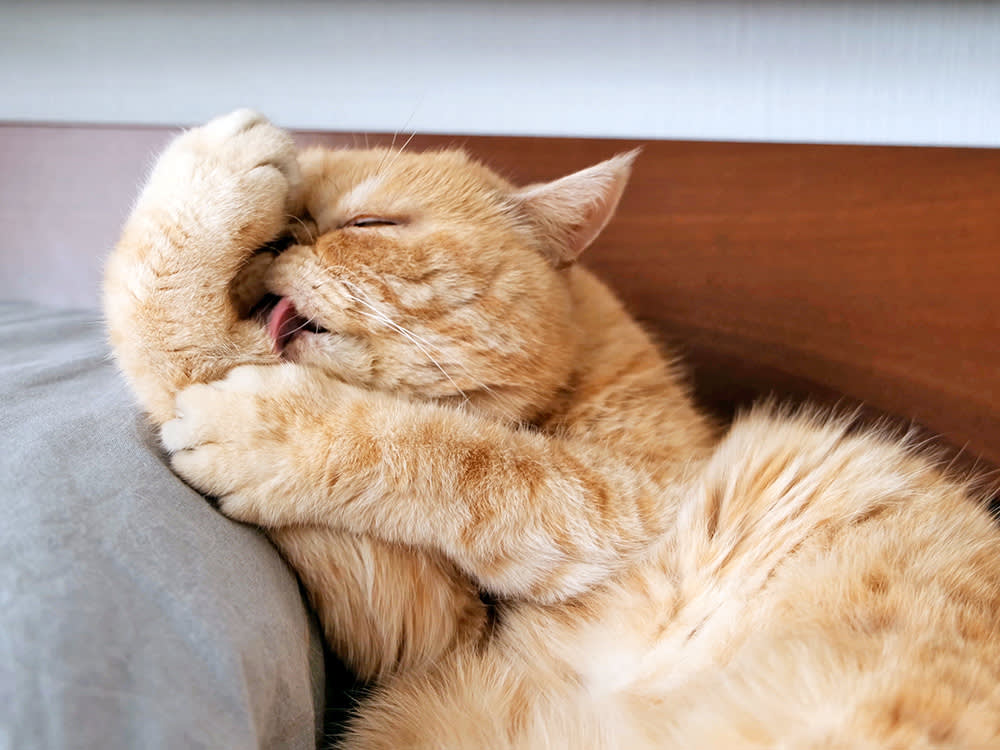
Cats spend a lot of time grooming themselves. Grooming helps them stay clean and healthy. It also keeps their fur soft and free from dirt and parasites. Watching a cat lick and bite its fur is a common sight for pet owners. This behavior is part of their daily routine.
Understanding normal grooming habits helps spot unusual behaviors. Some cats bite themselves while grooming to remove loose fur or dirt. This action usually does not harm the cat. It is gentle and controlled, helping to keep their coat in good shape.
Normal Cat Grooming Behavior
Cats use their tongues to clean their fur. Their rough tongues remove dirt and loose hair. Biting helps reach areas that are hard to lick. This includes spots behind the ears or under the legs. Grooming also spreads natural oils that protect their skin.
Most cats groom several times a day. They often pause to scratch or shake off loose fur. Grooming calms cats and reduces stress. A healthy cat will groom in short, regular sessions without causing skin damage.
When Biting Becomes Excessive
Excessive biting can cause red or bald patches on the skin. It may lead to sores or infection. This behavior might mean the cat is irritated or stressed. It can also signal allergies, fleas, or skin problems.
Watch for signs like constant scratching or licking in one area. If your cat bites too much, it may need help from a vet. Early attention can prevent serious skin damage and discomfort.
Credit: www.kinship.com
Skin Irritations
Cats bite themselves during grooming to clean and soothe their skin. Sometimes, this biting is a sign of skin irritation. Skin irritations cause discomfort and make cats lick or bite more than usual. Understanding common causes helps you care for your cat better. These irritations often stem from allergies, parasites, or dry skin issues.
Allergies And Sensitivities
Allergies can cause redness, itching, and swelling on your cat’s skin. Cats react to certain foods, pollen, or household chemicals. These reactions make cats bite or scratch to relieve itching. Sensitivities to new shampoos or detergents also cause skin problems. Watch for hair loss or scabs, signs of allergic reactions.
Parasites And Fleas
Parasites like fleas cause severe itching and discomfort. Flea bites trigger allergic responses, making cats bite at their skin. Fleas often hide in thick fur, making detection hard. Other parasites, such as mites, can also irritate skin. Regular flea control helps prevent these problems.
Dry Or Inflamed Skin
Dry skin feels tight and itchy for cats. Cold weather or low humidity often causes dryness. Inflamed skin appears red, swollen, and sensitive. Cats bite to soothe these uncomfortable areas. Proper grooming and moisturizing can ease dryness and inflammation. Avoid harsh soaps that worsen skin conditions.
Pain And Discomfort
Cats may bite themselves during grooming due to pain or discomfort caused by skin irritation or injury. This behavior helps them soothe itchy or sore spots on their body. Persistent biting can signal health issues needing a vet’s attention.
Cats are known for their meticulous grooming habits, but what happens when grooming turns into biting? This behavior may signal pain and discomfort. Observing your cat closely can reveal much about their health, especially when they start biting themselves during grooming. Understanding the reasons behind this can help you address the underlying issues and ensure your feline friend stays happy and healthy.Injuries Or Wounds
Cats can be curious explorers, which sometimes leads to minor injuries or wounds. These can cause discomfort, prompting your cat to bite at the irritated area. If you’ve noticed a new scratch or cut, it might be the culprit. Ensuring that the wound is clean and healing properly can reduce the chance of infection and the need for your cat to bite the area.Arthritis Or Joint Pain
As cats age, they may develop arthritis or joint pain, making certain movements uncomfortable. This pain can cause them to bite around the sore areas. Have you ever noticed your cat being less active or hesitant to jump up onto their favorite perch? These could be signs of arthritis. Consulting with your vet can provide ways to manage this pain, potentially reducing the biting behavior.Internal Medical Issues
Sometimes, the cause of the biting might not be visible on the surface. Internal medical issues like allergies or even certain diseases can lead to skin irritation. This can cause your cat to bite at the affected areas during grooming. Regular vet check-ups are crucial to detect these issues early. Have you ever thought about how a simple change in diet might alleviate some of your cat’s discomfort? Discussing dietary changes with your vet can sometimes make all the difference. Understanding your cat’s behavior and responding promptly to signs of pain can ensure their comfort and well-being. So next time you see your cat biting itself, consider these factors and take action to keep them purring happily.Behavioral Causes
Behavioral causes often play a big role when your cat bites itself during grooming. Understanding these reasons can help you spot what might be bothering your furry friend. Sometimes, the issue isn’t physical but linked to how your cat feels or what it experiences daily.
Stress And Anxiety
Stress can make your cat over-groom to the point of biting its skin. Changes in the environment, like moving to a new home or introducing new pets, can trigger this behavior. Have you noticed if your cat bites itself more after loud noises or when left alone for long periods?
Reducing stress might involve creating a calm space with familiar scents or using pheromone diffusers. You could also spend extra time playing gently to ease your cat’s anxiety.
Boredom And Lack Of Stimulation
When your cat doesn’t have enough to do, it may turn to excessive grooming as a way to entertain itself. Cats are natural hunters and need mental and physical challenges to stay happy. Could your cat’s biting be a sign it’s craving more playtime or new toys?
Try adding interactive toys, puzzle feeders, or daily play sessions to keep your cat engaged. Even simple changes like rotating toys can make a big difference in reducing self-biting behaviors.
Compulsive Grooming Disorder
Some cats develop compulsive grooming, where biting becomes a repetitive and uncontrollable habit. This disorder often starts from stress or boredom but can become a persistent pattern. Have you noticed your cat grooming so much that it creates bald spots or sores?
Addressing compulsive grooming usually requires a combination of behavioral changes and veterinary advice. You might need to work closely with your vet to find calming treatments or behavioral therapy options that suit your cat’s needs.
Environmental Triggers
Environmental triggers can play a big role in why your cat bites itself during grooming. Cats are very sensitive to changes around them, and even small shifts in their environment can cause stress or discomfort. This stress sometimes shows up as excessive biting or licking, which might seem like simple grooming but can actually be a reaction to something unsettling nearby.
Changes In Surroundings
Have you recently moved furniture, added new decorations, or changed your cat’s usual space? These changes might seem minor to you, but to your cat, they can feel like a whole new territory. Cats rely on familiar scents and layouts to feel safe, so any alteration can make them uneasy.
Your cat might bite itself more if it’s feeling unsure about the new setup. You could try keeping their favorite spots unchanged and gradually introduce changes. This gentle approach helps your cat adjust without triggering stress behaviors.
Other Pets Or Household Stressors
Introducing a new pet or even having loud noises and busy activity in the house can stress your cat. Have you noticed if your cat’s biting increases after visitors leave or when another pet is around? These situations can lead to anxiety, which sometimes shows as self-biting or over-grooming.
Observe how your cat reacts during these times. Providing a quiet, safe space away from household noise or other animals can reduce this stress. You might also use calming products or pheromone diffusers designed to ease feline anxiety.
Credit: www.goodrx.com
When To See A Vet
Noticing your cat biting itself during grooming can be concerning, especially if the behavior seems persistent or intense. While occasional nibbling is normal, there are moments when it signals something more serious. Knowing when to take your furry friend to the vet can make all the difference in catching health issues early and ensuring your cat stays comfortable.
Signs Of Serious Health Problems
Pay close attention if your cat’s biting is accompanied by:
- Open sores or wounds on the skin
- Excessive redness, swelling, or scabs
- Hair loss or bald patches
- Persistent scratching or licking in one area
- Changes in behavior, like irritability or hiding
- Unusual odors from the skin
If you spot any of these signs, it’s a clear indicator that your cat might be dealing with an infection, allergies, parasites, or even stress-related issues. Ignoring these symptoms can lead to worsening conditions, so trust your gut feeling and seek veterinary advice promptly.
Diagnostic Tests And Treatments
When you bring your cat to the vet, they will perform a thorough physical exam and may suggest tests such as:
- Skin scrapings or biopsies to check for mites or infections
- Allergy testing to identify possible triggers
- Blood tests to rule out systemic diseases
- Fungal cultures if ringworm is suspected
Treatment depends on the diagnosis but could include medications like antibiotics, antifungals, or anti-inflammatory drugs. Sometimes, changes in diet or environment are needed to reduce allergic reactions or stress. Have you considered how a small change at home might help your cat stop biting itself?
Managing And Preventing Biting
Managing and preventing your cat’s biting during grooming is key to keeping both your feline friend and yourself comfortable. Biting can signal discomfort, anxiety, or even health problems. Understanding how to ease your cat’s stress and address the root causes can create a calmer grooming experience.
Improving Cat Comfort
Start by making grooming sessions as pleasant as possible. Use a soft brush that suits your cat’s fur type to avoid pulling or irritating their skin. Pay attention to your cat’s body language—if they seem tense or restless, pause and let them relax before continuing.
Consider the location and timing of grooming. Choose a quiet, familiar spot and groom when your cat is calm, such as after a nap. Have treats ready to reward good behavior and gently build positive associations with grooming.
Behavioral Interventions
Biting often comes from fear or frustration. Try short grooming sessions that gradually increase in length to help your cat get used to the process. Speak softly and move slowly to avoid startling them.
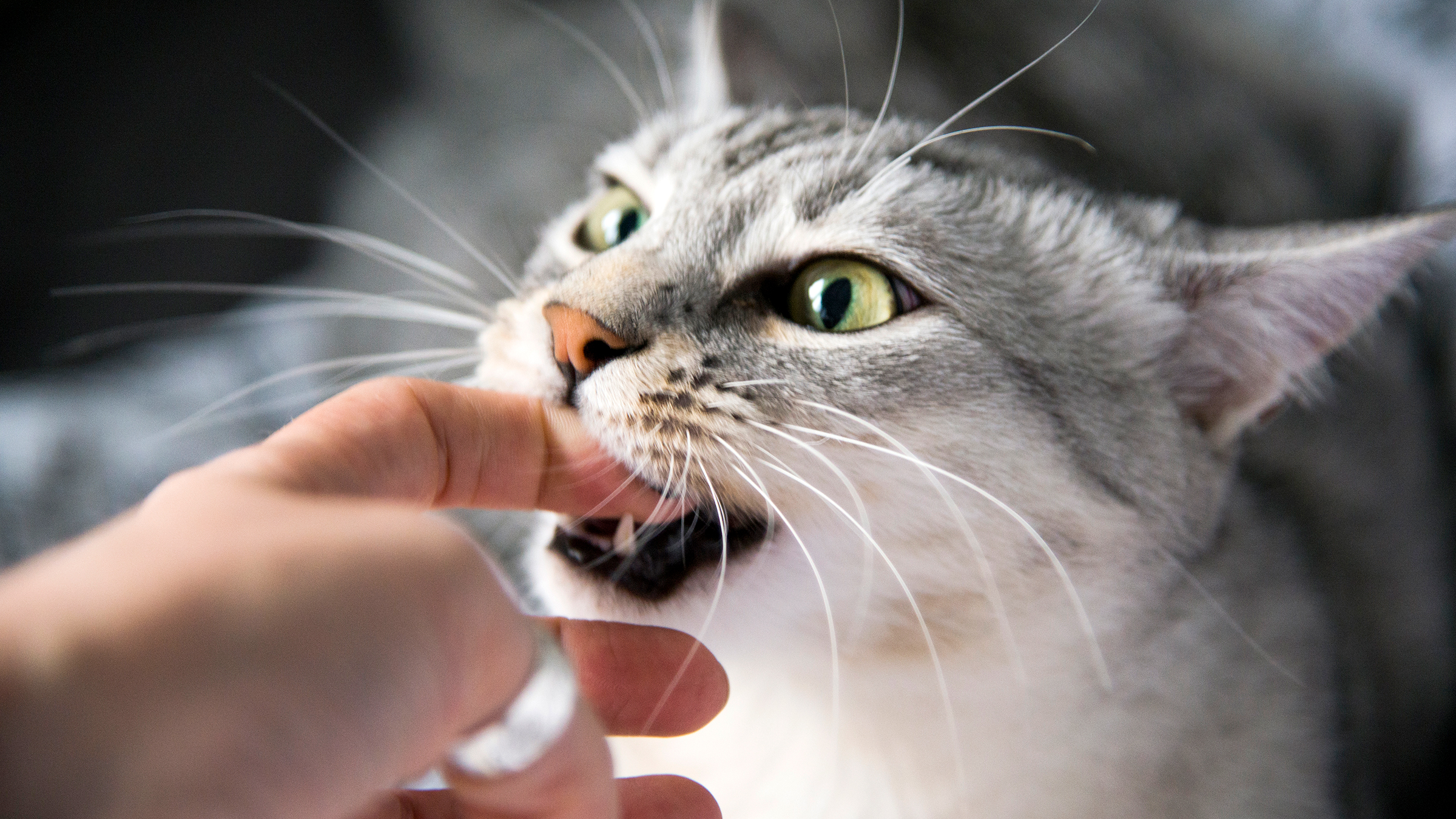
If your cat bites, don’t punish them—it can worsen anxiety. Instead, redirect their attention with toys or gentle petting. You might also try clicker training to reward calm behavior during grooming.
Environmental Enrichment
Sometimes biting is a sign of boredom or stress. Keep your cat mentally and physically engaged with interactive toys, scratching posts, and climbing trees. A busy and happy cat is less likely to bite out of frustration during grooming.
Think about your cat’s routine. Regular play sessions and safe outdoor access can reduce anxiety and improve their overall mood. How can you adjust your home to make grooming easier for your cat?
Frequently Asked Questions
Why Does My Cat Bite Itself During Grooming?
Cats bite themselves during grooming to remove dirt, loose fur, and parasites. It is a natural behavior that helps maintain cleanliness and skin health. However, excessive biting may indicate irritation, allergies, or skin problems that need veterinary attention.
Is It Normal For Cats To Bite Their Skin While Grooming?
Yes, it is normal for cats to bite their skin gently while grooming. This helps them clean hard-to-reach areas and remove dead skin cells. If the biting causes wounds or hair loss, it may signal an underlying health issue.
Can My Cat’s Biting Mean A Skin Allergy?
Yes, biting can be a sign of skin allergies. Allergies cause itching and discomfort, prompting cats to bite or scratch themselves frequently. If your cat shows redness, swelling, or hair loss, consult a vet to diagnose and treat the allergy.
How Can I Stop My Cat From Biting Itself Too Much?
To reduce excessive biting, keep your cat’s environment clean and free of parasites. Regular grooming and a balanced diet also help. If biting persists, seek veterinary advice to rule out infections, allergies, or behavioral issues causing discomfort.
Conclusion
Cats bite themselves during grooming to clean and feel comfort. Sometimes, biting can mean skin irritation or stress. Watch your cat’s behavior closely to spot any problems early. Gentle care and regular check-ups help keep cats healthy and happy. Understanding your cat’s grooming habits builds a stronger bond.
Keep your cat safe by acting if biting seems painful or excessive. Simple actions make a big difference in your cat’s well-being.


Leave a Reply