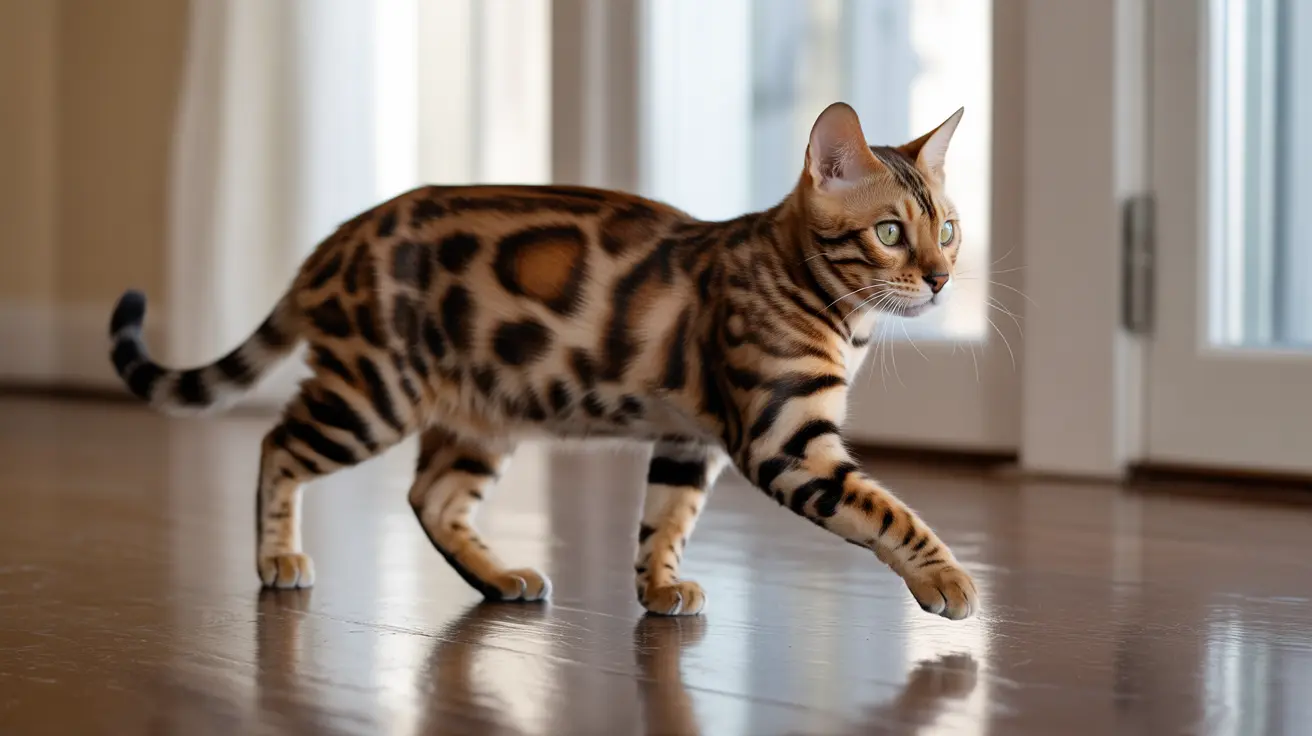
Have you ever watched a cat walk and noticed how graceful or unique their steps seem? You might be surprised to learn that not all cats move the same way.
Different cat breeds actually have distinct gait patterns that make their walk special. Understanding these differences can deepen your appreciation of your feline friend’s personality and health. If you want to discover how your cat’s breed influences the way they move, keep reading—you’ll uncover fascinating facts that will change how you see your pet’s every step.

Credit: medium.com
Cat Gait Basics
Cats have a unique way of moving that helps them stay agile and quiet. Understanding their gait gives insight into how different breeds might walk or run. The study of a cat’s gait shows patterns in their steps and body movements. This knowledge can help spot changes in health or behavior. Let’s explore the basics of how cats move and the common gait patterns they use.
How Cats Move
Cats use a special walking style called “pacing.” Their legs on one side move almost together. This helps them keep balance and stay silent. When walking, cats place their back paws where their front paws stepped. This reduces noise and avoids leaving many tracks.
Cats also use other movements like running and trotting. Each type uses a different rhythm and pace. Their flexible spine and strong muscles allow quick turns and jumps. This helps them catch prey or escape danger fast.
Common Gait Patterns
- Walk:Slow, steady steps with one paw moving at a time.
- Trot:A faster pace with diagonal pairs of legs moving together.
- Gallop:The fastest run, with all feet off the ground at times.
- Pace:Legs on the same side move together, common in cats.
Each pattern suits different needs. Walking is for calm and quiet movement. Trotting and galloping help in hunting or play. The pace gait helps cats move smoothly in tight spaces. Understanding these basics sets the stage for exploring breed differences in gait.
Breed Influence On Movement
Understanding how a cat’s breed influences its movement can change the way you observe your feline friend. Not all cats walk or run the same way, and their breed plays a big role in shaping these differences. From sleek, agile hunters to sturdy, powerful walkers, each breed brings unique characteristics to their gait.
Physical Traits Affecting Gait
Physical traits such as leg length, body shape, and tail position impact how a cat moves. For example, the Siamese cat has long, slender legs and a lean body, allowing for graceful, fluid steps. In contrast, the Scottish Fold, with its shorter legs and rounder body, tends to have a more grounded and deliberate walk.
Have you noticed how some cats seem to glide while others have a bouncier step? This difference often comes down to these visible traits. Tail length and flexibility can also influence balance and stride, affecting how a cat navigates its environment.
Muscle And Bone Structure Variations
Beyond external features, the muscle and bone structure within a cat’s body plays a crucial role in its gait pattern. Breeds like the Bengal have powerful muscles and a strong skeletal frame, giving them explosive bursts of speed and agility.
On the other hand, breeds such as the Persian have a more compact bone structure with less emphasis on speed, resulting in a slower, more measured pace. These internal differences mean that even if two cats look similar, their movement styles can be quite distinct.
Next time you watch cats moving, try to spot how their build influences their walk or run. How does your cat’s breed affect the way it moves around your home?
Gait Patterns By Popular Breeds
Understanding the gait patterns of different cat breeds can be both fascinating and practical. Each breed’s unique physical structure influences how they walk and move. Observing these differences can offer insights into a cat’s agility, health, and even personality.
Siamese And Oriental Cats
Siamese and Oriental cats often exhibit a sleek and graceful gait. Their slender bodies and long legs enable them to move with an almost dance-like fluidity. This elegance makes them appear to glide silently across the room, a trait that many cat owners find enchanting.
Have you ever watched a Siamese cat chase a toy? You’ll notice their quick, agile steps, which are as mesmerizing as they are effective. These breeds are designed for speed and grace, making them skilled hunters in play.
Maine Coon And Larger Breeds
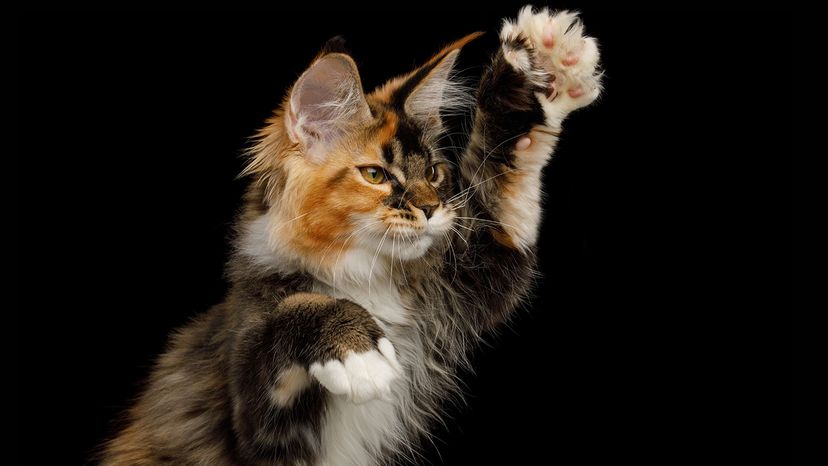
Maine Coons, along with other larger breeds, possess a more robust and powerful gait. Their substantial size and strong limbs give them a commanding presence as they move. You might notice a gentle thud as their paws hit the ground, a testament to their strength.
Despite their size, Maine Coons are surprisingly agile. Their gait allows them to navigate spaces with ease, often using their bushy tails for balance. Watching a Maine Coon leap with precision can be a delightful spectacle.
Sphynx And Hairless Cats
Sphynx and other hairless cats have a distinct gait that stems from their unique body structure. Without the extra weight of fur, they move with surprising speed and agility. Their gait is often described as playful and energetic.
These cats use their entire bodies to express themselves, often incorporating lively movements into their steps. Watching a Sphynx cat explore its environment can be a reminder of their curious and adventurous nature.
Have you noticed your cat’s unique gait pattern? Observing these differences not only enhances your appreciation for your feline friend but also deepens your understanding of their individual needs and characteristics.
Credit: animals.howstuffworks.com
Factors Beyond Breed
Gait patterns in cats are influenced by more than just their breed. Various factors can change how a cat walks or moves. These factors affect their movement in different ways. Understanding them helps explain why cats of the same breed may walk differently.
Age And Health Impact
Age plays a big role in a cat’s gait. Older cats may move slower or more carefully. Joint stiffness or arthritis can change their step. Young cats tend to be more playful and agile.
Health problems also affect movement. Injuries, muscle weakness, or neurological issues can alter a cat’s gait. Cats in pain often avoid putting pressure on certain limbs. Regular vet checkups help catch these issues early.
Environment And Lifestyle
A cat’s surroundings influence how it moves. Cats living mostly indoors may have a different gait than outdoor cats. Indoor cats often walk on smooth floors, which can change their stride.
Activity level matters too. Active cats develop stronger muscles and better coordination. Less active cats may have a slower, more cautious walk. Stress or fear can also affect how a cat moves.
Observing Your Cat’s Gait
Watching how your cat moves can tell you a lot about its health and breed traits. Each cat may show unique ways of walking or running. Some breeds have special gaits that help them move with grace or speed.
Careful observation helps spot normal movement and any signs of trouble early. Simple checks at home can make a big difference for your cat’s well-being.
Signs Of Normal Movement
- Steady, smooth steps without limping
- Balanced weight on all four paws
- Even stride length on both sides
- Flexibility in joints and body while moving
- Quick response when changing direction
- Relaxed posture during walking or running
When To Seek Veterinary Advice
- Noticeable limping or favoring one leg
- Stiffness or difficulty standing up
- Unusual dragging of paws or toes
- Sudden change in activity or reluctance to move
- Swelling or visible pain in limbs
- Persistent wobbling or loss of balance

Credit: purebredkitties.com
Frequently Asked Questions
Do All Cat Breeds Walk The Same Way?
No, cat breeds can have unique gait patterns. Body structure and leg length influence their walking style. Some breeds move more gracefully or with distinctive steps due to genetics and anatomy.
Which Cat Breeds Have Unique Gait Patterns?
Breeds like the Egyptian Mau and Siamese often show distinct gaits. Their muscle structure and body proportions create noticeable differences in movement compared to other cats.
How Does A Cat’s Gait Affect Its Health?
Gait patterns can indicate a cat’s health. Abnormal walking may signal joint or neurological issues. Observing gait helps detect early signs of illness or injury.
Can A Cat’s Environment Change Its Gait?
Yes, environment impacts a cat’s gait. Slippery or uneven surfaces make cats adjust their steps. Cats adapt their walk to maintain balance and avoid injury.
Conclusion
Cat breeds can show different ways of walking. Body shape and size affect their gait a lot. Some cats move smoothly, while others have a bouncier step. Watching how cats walk helps understand their health and breed traits. Each cat’s walk tells a unique story.
Remember, every cat is special in how it moves. Observing these differences can make caring for cats more fun and interesting. Keep enjoying the unique ways cats show their personality through movement.

Leave a Reply