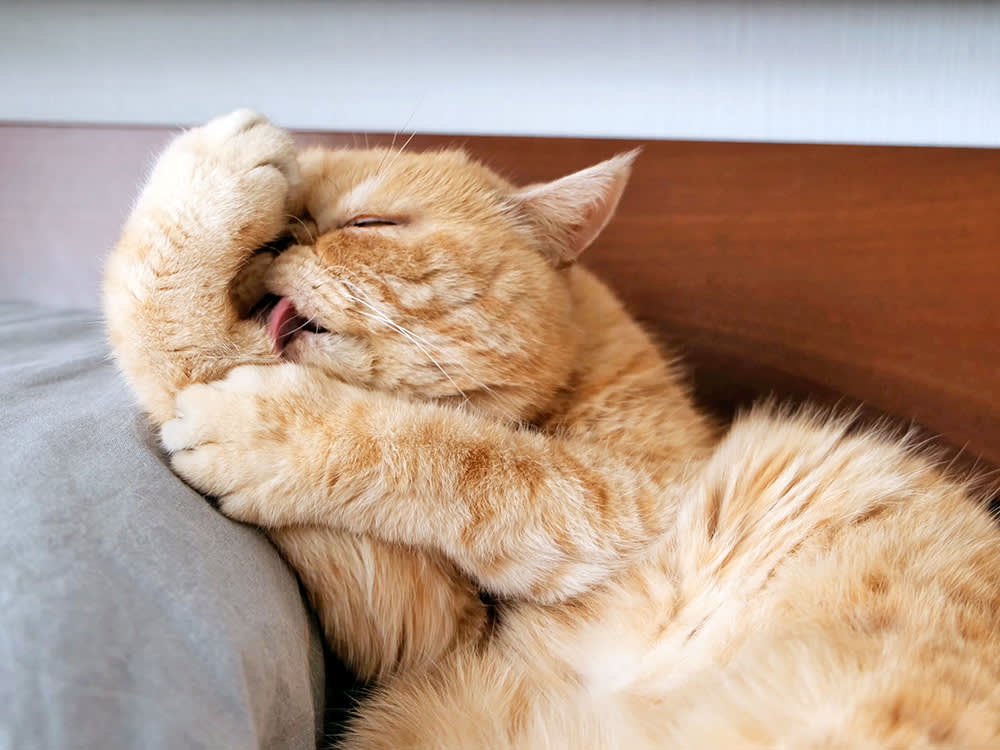
Have you ever petted your cat and then watched her start grooming herself right after? It might leave you wondering, “Why does my cat do that?” This simple act hides a lot more than you think.
Understanding why your furry friend cleans herself after your touch can help you connect with her better and even improve her comfort. Keep reading to discover the surprising reasons behind this common cat behavior—and what it means for your bond with your pet.
Credit: pethelpful.com
Cat Grooming Basics
Cats spend a lot of time grooming themselves. Grooming is a natural behavior that helps them stay clean and healthy. It also plays a role in their emotional well-being. Understanding the basics of cat grooming helps explain why your cat might groom after you pet her.
How Cats Groom Themselves
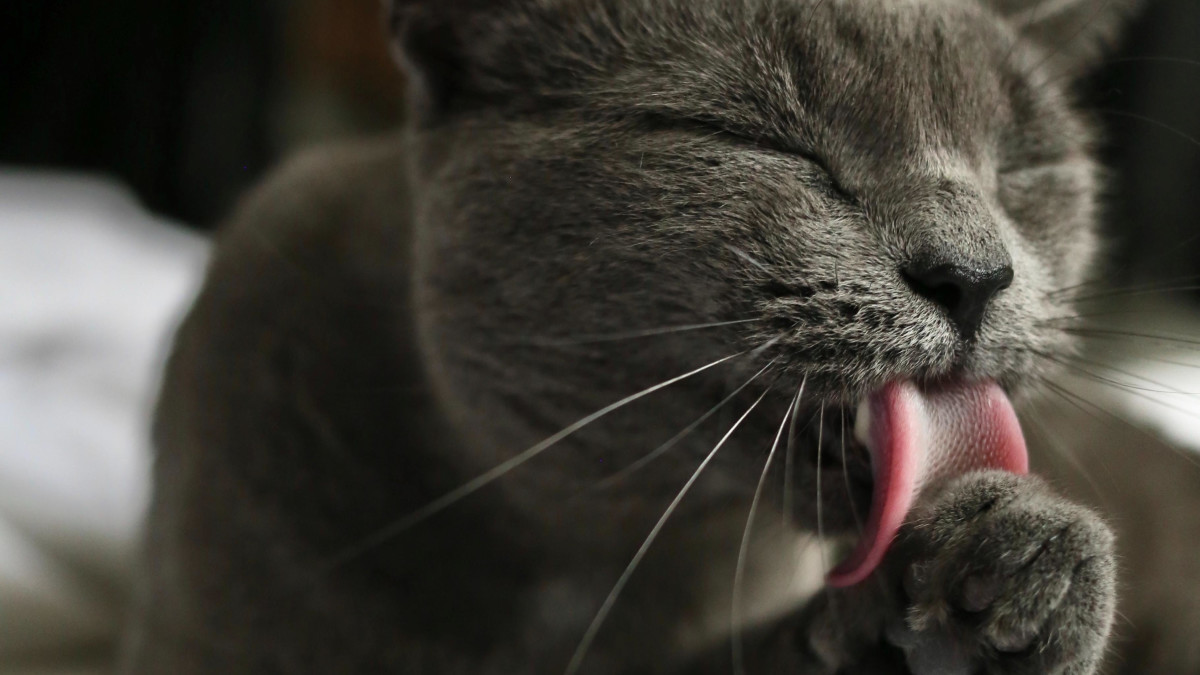
Cats use their tongues to groom. Their tongues have tiny, hook-like structures. These help remove dirt and loose fur. Cats lick their paws, then rub their faces and heads. They also groom their bodies by licking fur in long strokes. Grooming helps spread natural oils across their coat. This keeps their fur soft and shiny.
Importance Of Grooming For Cats
Grooming keeps cats clean and free of parasites. It helps control body temperature by removing excess fur. Grooming also reduces stress and calms cats. It is a social behavior in multi-cat homes. Cats may groom themselves or each other to bond. Grooming after being petted may help a cat feel secure.
Effect Of Petting On Cats
Petting your cat is a simple act that can trigger a variety of reactions. One common behavior is when your cat starts grooming herself right after you pet her. Understanding how petting affects your cat physically and emotionally can give you clues about why she does this and how to make those moments even better for both of you.
Physical Sensations During Petting
When you pet your cat, her skin and fur experience gentle pressure and movement. This can stimulate nerve endings that send signals to her brain, creating feelings ranging from pleasure to mild irritation.
Sometimes, grooming after petting helps your cat manage these sensations. Grooming spreads natural oils across her fur and removes loose hair or dirt that your touch might have disturbed. It’s like she’s resetting her coat to feel comfortable again.
Have you noticed if your cat grooms more after petting certain spots? Areas like the head and neck often feel soothing, while petting the belly might trigger a grooming response because it’s a more sensitive area.
Emotional Responses To Touch
Petting is not just about physical contact; it also affects your cat’s emotions. Touch can calm her, reduce stress, or sometimes make her feel a bit overwhelmed.
Your cat’s grooming after petting could be a way to self-soothe. Grooming releases endorphins that help her relax and regain emotional balance after being touched.
Think about your last petting session—did your cat seem content or anxious? Her grooming might be a subtle sign that she needs a moment to process the interaction emotionally.
Reasons For Grooming After Petting
Cats often groom themselves after being petted to feel clean and calm. This behavior helps them remove scents and relax. Grooming also acts as a way to bond and show comfort after touch.
Understanding why your cat grooms herself after you pet her can be fascinating. Cats are meticulous creatures, and their grooming rituals can tell you a lot about their behavior and needs. Here, we delve into some of the reasons your feline friend might immediately groom after a cuddle session.Removing Foreign Scents
Cats have a strong sense of smell and are very particular about their scent. When you pet them, you might transfer your scent onto their fur. By grooming, your cat is removing this foreign scent to maintain her own unique aroma. It’s her way of saying, “Thanks for the pet, but I prefer my own fragrance.”Self-soothing Behavior
Grooming can be a comforting routine for cats. After being petted, especially if your cat is a bit shy or anxious, she might groom herself to calm down. It’s similar to how humans might take deep breaths to relax.Marking Territory
Cats have scent glands located around their face and paws. When they groom, they’re redistributing their scent across their body. This acts as a way to mark their territory, reaffirming their ownership of themselves and their space.Stress And Anxiety Relief
Have you ever noticed how a cat might groom excessively in a new environment? This behavior can be a response to stress or anxiety. If your cat feels slightly overwhelmed after petting, she might groom to alleviate that stress. It’s her way of finding a moment of peace and stability. Understanding these behaviors can deepen your bond with your cat. Next time your feline friend grooms after you pet her, consider what she’s communicating. Is she reclaiming her scent, calming herself, or simply marking her territory? Each grooming session is a small window into her world.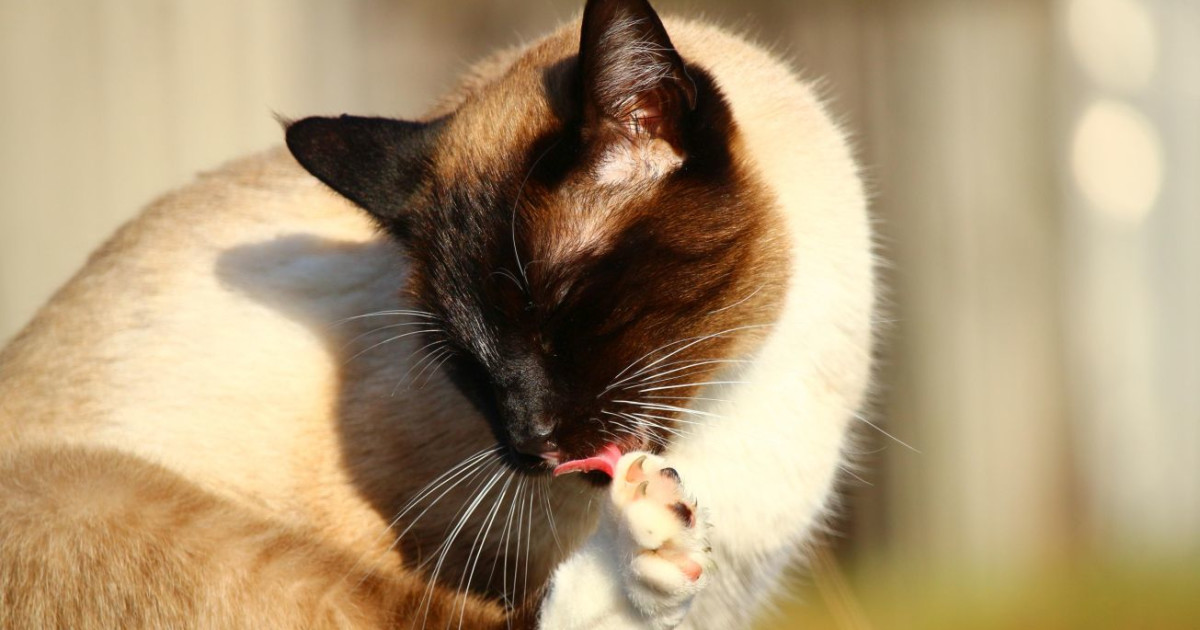
Credit: pethelpful.com
Signs Your Cat Enjoys Petting
Understanding the signs your cat enjoys petting helps you build a stronger bond. Cats show their feelings in subtle ways that you might miss if you’re not paying attention. Noticing these signs can make your petting sessions more enjoyable for both of you.
Body Language Cues
Watch your cat’s tail and ears closely. A gently swaying tail or ears pointed forward usually means your cat is happy and comfortable. If your cat leans into your hand or nudges you, they want more affection.
On the other hand, if the tail flicks rapidly or ears flatten, your cat may be overstimulated or annoyed. Your cat’s eyes also tell a story—slow blinking is a clear sign of trust and contentment.
Purring And Relaxation
Purring is often the easiest sign to spot. If your cat purrs while you pet them, they’re likely enjoying the attention. This low, rumbling sound indicates they feel safe and relaxed.
Also, notice if your cat stretches out or lies down next to you. A relaxed posture means they’re comfortable and happy. Have you ever caught your cat kneading your lap? That’s another strong sign they feel loved and secure.
When Grooming Indicates Discomfort
Sometimes, your cat grooming herself after you pet her isn’t just about cleanliness or habit. It can be a subtle sign that she’s feeling uncomfortable or stressed. Understanding when grooming crosses the line into discomfort helps you respond better to your furry friend’s needs.
Excessive Grooming Signs
If you notice your cat licking or biting the same spot repeatedly after you pet her, it could indicate irritation or pain. Watch for bald patches, redness, or scabs, which suggest she’s over-grooming due to discomfort. Excessive grooming might also happen if your cat is anxious or stressed, not just physically bothered.
Have you seen your cat suddenly focus on one area after petting, like her belly or tail? That’s a strong clue something doesn’t feel right. Pay attention if grooming sessions last much longer than usual or seem frantic.
Behavioral Changes To Watch For
Changes in your cat’s behavior can signal that grooming is masking discomfort. If she starts avoiding petting or suddenly becomes restless and irritable afterward, she might be trying to communicate unease. Notice if she hides more often or stops engaging in activities she once enjoyed.
Sometimes, a cat might groom herself to self-soothe after a stressful interaction. If your cat’s grooming increases after you pet her, ask yourself if your touch might be too firm or in a sensitive spot. Adjusting how and where you pet her can reduce her need to groom and improve your bond.

Credit: www.reddit.com
Tips To Improve Petting Experience
Improving your cat’s petting experience helps build trust and comfort. Cats have unique preferences for touch. Understanding these can reduce their need to groom after petting. Use gentle, calm actions to create a positive moment. Pay attention to how your cat reacts to your touch.
Preferred Petting Spots
Most cats enjoy being petted in certain areas. Try these spots for better results:
- Under the chin
- Behind the ears
- Along the back
- At the base of the tail
Avoid sensitive areas like the belly or paws unless your cat clearly likes it. Watch your cat’s response to find their favorite spots.
Timing And Duration
Keep petting sessions short and sweet. Cats often prefer brief touches over long strokes. Start with a few seconds and stop if your cat seems restless. Choose calm moments, such as when your cat is relaxed or sleepy. Avoid petting when your cat is highly active or agitated.
Reading Your Cat’s Signals
Learn to read your cat’s body language during petting:
- Slow blinking means your cat feels safe.
- Tail flicks or ears turning back show discomfort.
- Purring usually signals contentment, but watch for other signs.
- Sudden movements or biting suggest the cat wants to stop.
Respect your cat’s signals to keep petting positive. Stop petting if the cat grooms itself right after; it may be a sign of stress.
Frequently Asked Questions
Why Does My Cat Lick Herself After Petting?
Cats groom after petting to clean their fur and remove scents. It helps them feel calm and maintain hygiene. Grooming is a natural behavior to soothe themselves after interaction.
Is Grooming After Petting A Sign Of Stress?
Sometimes, yes. Cats may groom to relieve mild stress or overstimulation. However, it can also be a routine behavior and not always stress-related.
Can Grooming After Petting Mean My Cat Dislikes Me?
Not necessarily. Grooming often shows comfort and a way to reset after bonding. It’s a normal habit, not usually a sign of dislike.
How Can I Reduce My Cat’s Grooming After Petting?
Pet gently and watch for signs of overstimulation. Short, calm petting sessions help. Providing a calm environment also reduces excessive grooming.
Conclusion
Cats groom themselves after you pet them to stay clean and calm. It helps them feel safe and comfortable. Grooming also removes your scent, keeping their space familiar. This behavior shows they trust you but need their own time too.
Understanding this helps build a stronger bond with your cat. Next time your cat cleans up, know it’s normal and good for them. Enjoy these small moments of connection and care.



Leave a Reply