Have you ever wondered why dogs come in so many shapes and sizes, but cats seem to stick to just a few types? If you’re curious about why cats don’t have as many breeds as dogs, you’re not alone.
Understanding this difference will change the way you see your furry friends and might surprise you. Keep reading, and you’ll discover the fascinating reasons behind this unique animal mystery. Your next chat about pets will never be the same!

Credit: www.reddit.com
Cat And Dog Breed Differences
Understanding why cats don’t have as many breeds as dogs starts with looking at their fundamental differences. Both animals share a close relationship with humans, yet their breed diversity varies greatly. Let’s dive into the key factors shaping this difference in breed variety.
Evolutionary Paths
Cats and dogs evolved from very different ancestors, which influenced their genetic diversity. Dogs come from wolves, which had a broad range of behaviors and physical traits, allowing for more variation.
Cats evolved from solitary hunters with less need for social variation. This means their genes stayed more consistent, limiting the variety of breeds.
Domestication Timelines
Dogs were domesticated around 15,000 years ago, while cats joined human lives about 9,000 years ago. This longer timeline gave humans more chance to selectively breed dogs for specific traits.
Cats were primarily valued for their hunting skills rather than appearance. This led to fewer changes in their physical traits over time.
Human Influence
Humans actively bred dogs for different tasks like herding, guarding, and companionship, encouraging diverse breeds. Have you noticed how different a Border Collie looks and acts compared to a Bulldog? That’s human influence at work.
With cats, breeding was less about function and more about aesthetics, which developed mostly in recent centuries. This means fewer breeds and less dramatic differences compared to dogs.
Genetic Diversity In Cats
Genetic diversity plays a crucial role in why cats have fewer breeds compared to dogs. Cats have evolved with a narrower gene pool, which limits the variety of physical and behavioral traits breeders can select for. Understanding this genetic backdrop helps explain the challenges faced in developing numerous distinct cat breeds.
Natural Selection Impact
Natural selection in cats favors survival traits over extreme variety. Unlike dogs, which humans have bred for specific tasks like herding or hunting, cats mainly adapted to living independently. This independence means their genes changed less dramatically over time.
Wild cats had to maintain traits that helped them survive in diverse environments. Traits like agility, stealth, and hunting skills remained consistent because they ensured survival. This limited the chances for dramatic changes in appearance or behavior, keeping genetic diversity lower.
Have you noticed how most cats, regardless of breed, share similar body shapes and sizes? This reflects their survival-driven genetics rather than human-driven diversity.
Breed Development Challenges
Developing new cat breeds is tricky because of their genetic limitations and natural behaviors. Cats are less social and less cooperative than dogs, making selective breeding programs harder to manage. Breeders often struggle to maintain consistent traits through generations.
Additionally, many cat breeds come from natural populations rather than artificial selection. This means traits evolve slowly and unpredictably. If you’ve ever tried to breed cats, you know how patience and careful planning are essential.
- Limited gene pool reduces visible variations.
- Inconsistent trait inheritance complicates breed standards.
- Breeding cats requires understanding their independent nature.
Have you ever wondered why some rare cat breeds stay rare? It’s often due to these genetic and behavioral challenges that breeders face.
Dog Breeding Practices
Dogs have been bred for many traits, creating numerous breeds. Cats show less variety because breeding focuses less on distinct traits. Breeders select dogs for work or looks, while cats remain more natural in form.
Dog breeding practices have a rich and varied history, often rooted in the specific needs and desires of human societies. Unlike cats, dogs have been selectively bred for a multitude of purposes, leading to a vast diversity of breeds. This diversity is driven by different breeding goals, the role of working breeds, and the influence of popularity and market demand.Selective Breeding Goals
Selective breeding in dogs is a deliberate process aimed at enhancing specific traits. Whether it’s size, temperament, or physical abilities, each breed is a result of intentional choices. Imagine the agility of a Border Collie or the strength of a Mastiff—these characteristics didn’t happen by accident. Breeders focus on achieving these traits to meet the needs of various human activities.Role Of Working Breeds
Working breeds have played a significant role in the development of many dog breeds. Historically, dogs have been bred to assist in tasks like hunting, herding, and guarding. A Labrador Retriever’s fetching ability or a German Shepherd’s protective nature are prime examples of this. These practical purposes have led to a wide range of breeds, each tailored to excel in different tasks.Popularity And Market Demand
The popularity and demand for certain breeds significantly impact dog breeding practices. Breeds often gain popularity due to media exposure, celebrity endorsements, or simply because they fit well into modern lifestyles. When a breed like the French Bulldog becomes a household favorite, breeders respond by focusing on producing more of that breed. This demand-driven breeding reinforces the diversity in the dog world, unlike the relatively stable variety of cat breeds. Have you ever considered how your pet’s breed was shaped by human history and needs? Understanding these practices highlights the unique bond between humans and dogs, and why their diversity far surpasses that of cats.
Credit: worldanimalfoundation.org
Cat Breeding Limitations
Cats simply don’t have as many breeds as dogs, and a big reason lies in the limits of cat breeding itself. These limits come from how cats are physically built, their behavior, the size of the breeding population, and important health concerns. Understanding these factors helps you see why the diversity in cat breeds is narrower than in dogs.
Physical And Behavioral Traits
Cats have fewer physical variations compared to dogs. Their body shapes, sizes, and coat types show less dramatic differences. This makes creating distinct breeds harder because there are fewer traits to mix and match.
Behavior also plays a role. Cats are more independent and less social than dogs, which can make controlled breeding programs challenging. If cats don’t easily adapt to breeding schedules or environments, breeders have less control over creating new breeds.
Breeding Population Size
The pool of cats used for breeding is smaller than that of dogs. Many cat breeds come from naturally occurring populations rather than extensive selective breeding. This means fewer cats contribute to the gene pool, limiting the variety of traits available.
Think about dog breeds like retrievers or shepherds—they come from large populations bred for specific jobs. Cats don’t have such large, task-focused populations. That naturally restricts how many unique breeds can develop.
Health Considerations
Breeding cats too selectively can cause health problems. Many cat breeds face issues like kidney disease or respiratory problems when bred for certain features. Responsible breeders avoid pushing extreme traits to keep cats healthy.
Because of these risks, breeders often focus on maintaining balanced genetics rather than creating new, flashy breeds. This careful approach slows down the emergence of new breeds but ensures cats live healthier lives. Would you prioritize variety or your pet’s well-being if you were breeding cats?
Cultural Attitudes Toward Cats
Cultural attitudes play a huge role in why cats don’t have as many breeds as dogs. Unlike dogs, cats have mostly been appreciated for their independent nature rather than specific physical traits. This difference has shaped how people view breeding and raising cats, influencing the variety of breeds we see today.
Pet Ownership Trends
People often choose cats for their low-maintenance lifestyle. Cats are valued for companionship without demanding constant attention or training. This practical approach means fewer owners push for breeding distinct types based on looks or abilities.
In many homes, cats are beloved family members but not status symbols. This contrasts with dogs, where breed often reflects identity or prestige. Have you ever noticed how dog owners might proudly display their breed’s lineage, while cat owners usually focus on personality?
Breeding Enthusiast Communities
Dog breeders often form tight-knit communities focused on creating and maintaining specific traits. They host shows, competitions, and breed registries that encourage diversity. Cat breeding groups are generally smaller and less competitive, concentrating more on health and temperament than on developing new breeds.
This difference affects how many breeds come into existence. With fewer breeders pushing for variety in cats, the number of distinct breeds stays limited. If you’re thinking about starting to breed cats, consider how community support can impact your success and the breed’s future.
Future Of Cat Breeding
The future of cat breeding holds promise but remains cautious and careful. Cat breeders focus on health and temperament over dramatic changes in appearance. The goal is to preserve natural traits while introducing new, gentle variations.
Unlike dogs, cats have fewer breeds because their breeding is slower and less commercial. Breeders aim to maintain balance in genetics to avoid health problems. This careful approach shapes the future of cat breeding, with steady, thoughtful progress.
Emerging Breeds
New cat breeds appear slowly and with careful planning. Breeders combine traits from existing breeds to create gentle variations. These emerging breeds often show unique fur patterns or mild personality changes.
Examples of recent breeds include:
- Lykoi, known as the “werewolf cat,” with a unique coat.
- Kurilian Bobtail, featuring a short, bobbed tail and playful nature.
- Australian Mist, recognized for its spotted coat and calm temperament.
Each new breed undergoes strict evaluation to ensure health and stability. Breeders avoid rushing to maintain breed quality and prevent genetic issues.
Genetic Research Advances
Genetic research is changing how breeders understand cat traits. DNA testing helps identify health risks early. This allows breeders to avoid passing on diseases.
Scientists study cat genes to learn about coat colors, patterns, and behaviors. This knowledge helps create breeds with desired traits safely. Genetic tools also help preserve rare breeds by tracking their gene pools.
In the future, breeders will use genetics to:
- Improve breed health and longevity.
- Reduce inherited diseases.
- Maintain genetic diversity within breeds.
Careful genetic work guides cat breeding into a healthier, more informed future.
Credit: www.theguardian.com
Frequently Asked Questions
Why Do Cats Have Fewer Breeds Than Dogs?
Cats have fewer breeds because their domestication was less diverse. Dogs were bred for many tasks, creating more breeds. Cats evolved mainly for companionship, limiting breed variety. Genetic differences also influence breed development between cats and dogs.
How Does Cat Breeding Differ From Dog Breeding?
Cat breeding focuses on appearance and temperament, while dog breeding targets traits like work ability. Dogs have been selectively bred for specific jobs over thousands of years. Cats primarily adapted naturally, with less human-driven selective breeding.
Does Cat Genetics Limit Breed Diversity?
Yes, cat genetics limit breed diversity. Cats have a more uniform gene pool, reducing variation. Dogs have a broader genetic base due to diverse ancestral breeds. This genetic constraint results in fewer distinct cat breeds.
Are There Fewer Cat Breeds Recognized Worldwide?
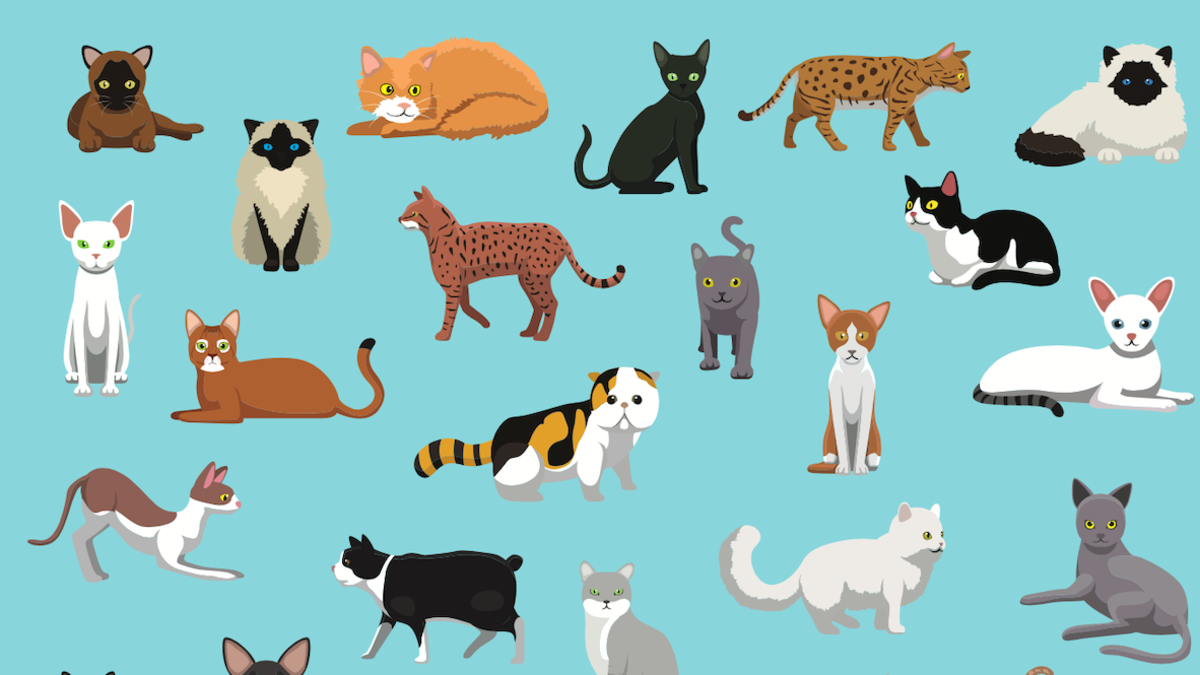
Yes, global cat breed registries recognize fewer breeds than dog registries. Cat breeds number around 40-70, while dog breeds exceed 340. This reflects differences in breeding history and human selection pressure.
Conclusion
Cats have fewer breeds because they naturally vary less than dogs. Dogs were bred for many jobs, creating many types. Cats mostly stayed as pets with less need for variety. Their traits change slowly over time. This makes cat breeds fewer but unique.
Both animals bring joy in their own way. Understanding these differences helps us appreciate cats even more. Breeds matter less than the bond we share with them.

Leave a Reply