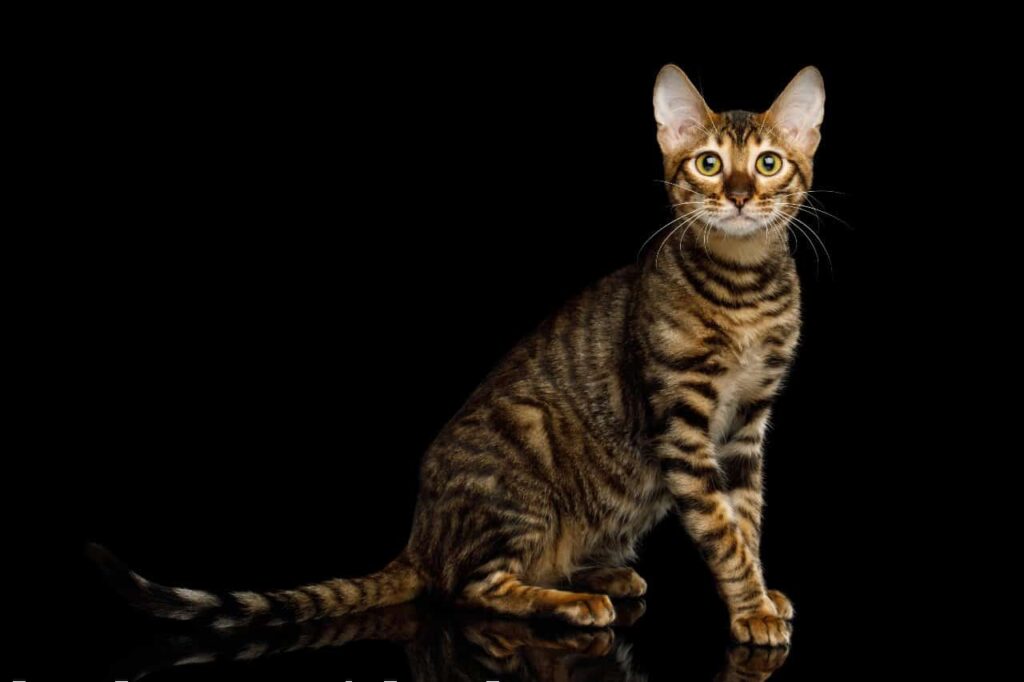
Have you ever wished for a cat that’s cute, cuddly, and always by your side—without the mess or the need for constant care? You might be wondering, do toy cats exist?
If you’ve been curious about having a pet that feels real but fits perfectly into your busy life, this article is just for you. Keep reading to discover the surprising truth about toy cats and how they could change the way you experience companionship.
Your perfect little friend might be closer than you think.
What Are Toy Cats
Have you ever wondered if toy cats are real pets or just a playful idea? Toy cats do exist, but they are not toys in the typical sense. Instead, these are specific cat breeds known for their small size and charming personalities, making them perfect for people who want the joy of a cat without the space or care needs of a larger breed.
Origins Of Toy Cat Breeds
Toy cat breeds come from various parts of the world, each with its own unique history. Many were originally bred to be companions, prized for their petite size and affectionate nature.
For example, the Singapura cat, known as one of the smallest breeds, traces back to Singapore. It was admired for its delicate frame and lively spirit. Similarly, the Minskin cat was developed by crossing several small breeds to create a tiny, friendly feline with short legs.
Understanding where these cats come from helps you appreciate their traits and why they’re so special. Have you ever thought about how a cat’s origin might influence its behavior and care needs?
Distinctive Features
Toy cats are distinct not just by size but also by their unique looks and personalities. Typically, they weigh less than 6 pounds and have a compact body.
- Size:Small and light, often fitting comfortably in your lap.
- Appearance:Large eyes, rounded heads, and short legs are common in some breeds like the Minskin.
- Temperament:These cats are usually very social, playful, and love attention.
In my experience, owning a toy cat means you get a pet that’s easier to manage in small spaces but still full of personality. Could a toy cat be the perfect companion for your lifestyle?
Credit: cats.com
Popular Toy Cat Breeds
Popular toy cat breeds capture the hearts of many cat lovers with their small size and charming personalities. These breeds often look like miniature versions of regular cats, making them perfect for those who want a compact, affectionate companion. If you’re curious about which toy cats stand out, here are a few breeds that consistently amaze with their unique traits and adorable looks.
Singapura
The Singapura is often called the world’s smallest cat breed, weighing just 4-8 pounds. Its large eyes and ears give it an alert, curious expression that’s hard to resist. If you want a playful yet gentle cat that fits comfortably in your lap, the Singapura might be the perfect match.
Owning a Singapura means you get a cat that loves interaction but isn’t overly demanding. Have you noticed how some cats seem to know when you need a quiet moment? Singapura cats have that kind of emotional intelligence.
Minskin
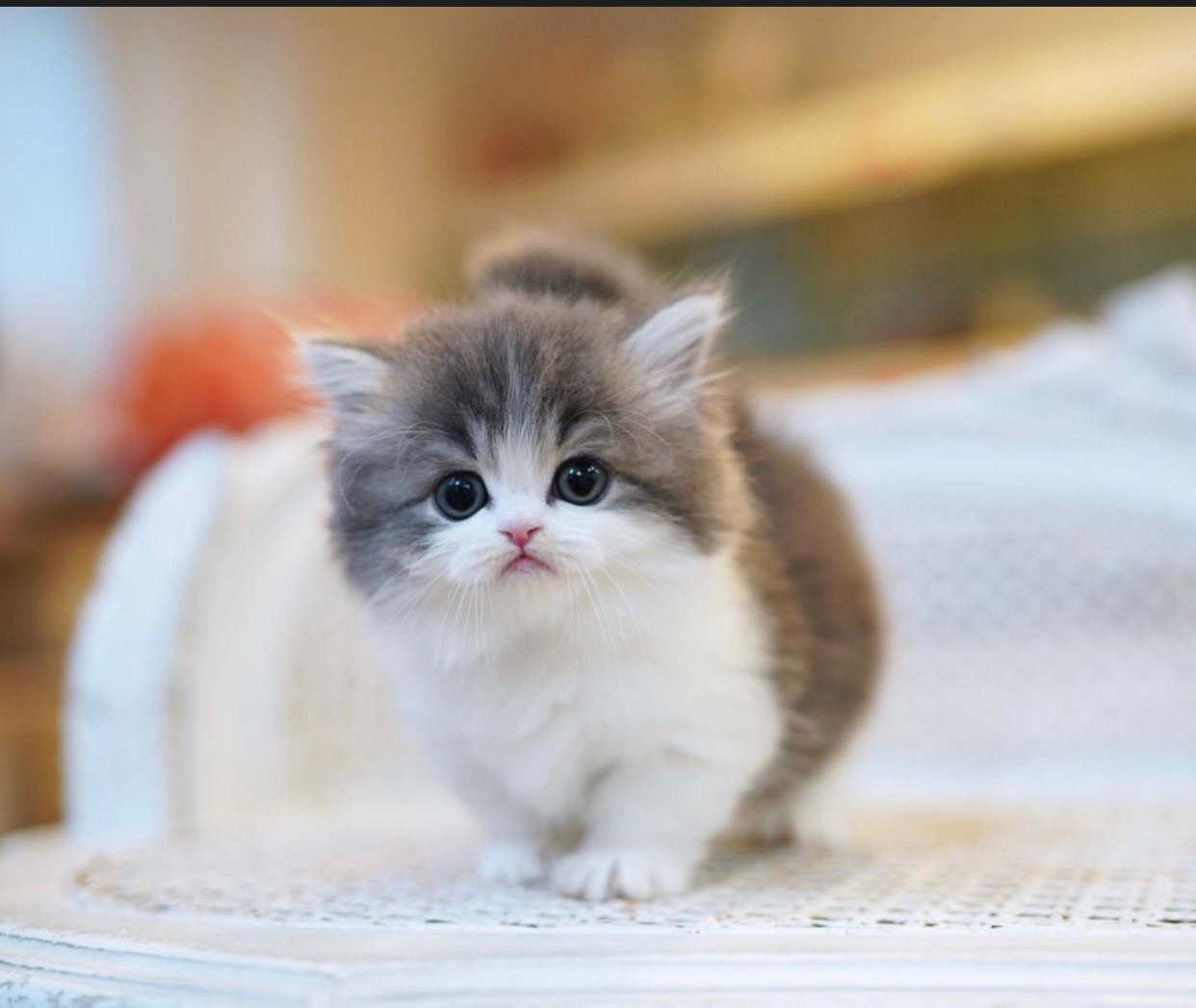
Minskin cats combine short legs with a soft, plush coat, making them look like tiny, cuddly kittens even as adults. Their small stature doesn’t stop them from being lively and affectionate pets. If you appreciate a cat with a unique appearance and a warm personality, Minskins are worth considering.
What’s fascinating is how Minskins adapt well to apartment living due to their size and temperament. They’re curious explorers but also love relaxing beside you after playtime. Have you ever seen a cat that looks like a blend between a sphynx and a munchkin? That’s the Minskin.
Dwelf
The Dwelf is a rare toy breed known for its elf-like ears and short legs. It combines traits from the Sphynx, Munchkin, and American Curl, creating a truly distinctive look. If you want a cat that stands out visually and enjoys being close to people, the Dwelf is a great choice.
Dwelf cats are social and thrive on attention, often following their owners around the house. Their playful spirit makes them excellent companions, especially if you enjoy interactive play. Could a cat with such a quirky appearance also become your most loyal friend?
Physical Characteristics
In the world of toy cats, each detail matters. From size to color, these elements craft the charm of these toys. Let’s explore the physical characteristics that make toy cats so appealing.
Size And Weight
Toy cats come in various sizes. Some are as small as your palm, making them easy to carry. Others are larger, suitable for hugging. The weight varies too. Light enough for a child to hold. Yet, some have a weighted feel for realism.
Coat Types And Colors
Toy cats feature different coat types. Some are fluffy, mimicking long-haired breeds. Others have short, sleek fur. Colors range widely. From classic tabby patterns to solid shades. Even vibrant, imaginative colors are available. Each toy cat offers a unique visual experience.
Credit: munchkinkittens.webflow.io
Behavior And Temperament
Toy cats, whether real small breeds or lifelike models, spark curiosity about their behavior and temperament. Understanding their nature helps in knowing what to expect from these tiny companions. Their actions and moods often surprise many with their depth and charm.
Personality Traits
Toy cats tend to be lively and curious. They enjoy exploring their surroundings quietly. Many show strong attachment to their owners. These cats often seek warmth and comfort. Some are playful, chasing small toys or shadows. Others prefer calm, sitting close and purring softly. Their small size does not limit their big personalities. They can be brave, gentle, or shy depending on the breed and upbringing.
Compatibility With Families
Toy cats usually fit well in family life. They are gentle and rarely aggressive. Their small size makes them safe around children. Still, kids should learn to handle them softly. These cats enjoy attention but also need quiet time. Families with busy schedules might find them easy to care for. They adapt well to indoor living and small spaces. Toy cats provide comfort and joy, blending easily into homes.
Myths And Misconceptions
Toy cats spark a lot of curiosity and confusion. Many people wonder if these tiny felines are actual pets or just a playful idea. Myths and misconceptions about toy cats often blur the line between reality and imagination.
Are Toy Cats Real Pets
Toy cats are often mistaken for real animals because of their size and appearance. However, they are not living creatures you can care for like a traditional pet. Instead, toy cats are miniature replicas or artistic creations designed for collection or decoration.
You might ask, can a toy cat offer companionship similar to a real cat? The answer is no, but they can bring joy and comfort in a different way—especially for those who can’t have pets due to allergies or living situations.
Differences From Regular Cats
Regular cats are living beings that require attention, feeding, and care. Toy cats, on the other hand, are inanimate objects, often made from materials like plush, plastic, or porcelain.
Here’s a quick comparison:
| Aspect | Regular Cats | Toy Cats |
|---|---|---|
| Life | Living, breathing | Non-living, decorative |
| Care | Requires feeding, grooming, medical care | No care needed |
| Interaction | Responsive and affectionate | Static, no response |
Understanding these differences can help you decide what fits your lifestyle better. Would a toy cat provide the comfort or joy you seek, or is the living companionship of a real cat what you truly want?
Care Tips For Toy Cats
Taking care of toy cats requires attention to their unique needs. These little companions may be small, but they have specific requirements that keep them healthy and happy. Understanding their diet, health, and grooming needs can make a big difference in their well-being.
Diet And Nutrition
Your toy cat’s diet should be balanced and appropriate for their size. Small portions of high-quality cat food with the right mix of proteins and fats work best. Avoid overfeeding, as toy cats can gain weight quickly due to their tiny bodies.
Have you ever noticed how picky your toy cat can be? Offering a variety of flavors in wet food can help keep their interest. Fresh water must always be available to keep them hydrated.
Health Concerns
Toy cats can be prone to dental problems and fragile bones. Regular vet checkups are essential to catch issues early. Watch for signs like changes in appetite or behavior, which might indicate discomfort or illness.
Vaccinations and parasite prevention are crucial. You might think their small size protects them, but toy cats need the same medical attention as bigger cats. How often do you check your pet’s health beyond just the vet visits?
Grooming Needs
Despite their size, toy cats require grooming just like any other cat. Brushing their fur regularly helps reduce shedding and prevents mats, especially if they have longer hair. Short-haired toy cats still benefit from occasional brushing to keep their coat shiny.
Bathing is rarely necessary, but nail trimming should be part of your routine. If your toy cat resists grooming, try short, gentle sessions to build trust. Have you tried using treats to make grooming a positive experience?
Where To Find Toy Cats
Finding toy cats requires knowing the best places to search. These cats are small, cute, and often rare. Knowing where to find them helps you get a healthy and happy pet. Some sources offer genuine toy cats, while others might not be trustworthy.
Reputable Breeders
Reputable breeders specialize in toy cats. They care deeply about the cats’ health and breed standards. These breeders provide clean homes and proper vaccinations. Visiting a breeder lets you see the cats’ living conditions. They often offer health guarantees and support after adoption.
Look for breeders with good reviews and clear documentation. Ask about the cat’s lineage and behavior. Trustworthy breeders welcome questions and show transparency. This ensures you get a well-cared-for toy cat.
Adoption Options
Adoption centers sometimes have toy cats available. Shelters care for many cats, including small breeds. Adopting helps give a cat a second chance. Many cats in shelters are healthy and friendly.
Search local shelters or rescue groups for toy cats. Adoption fees usually cover vaccinations and spaying or neutering. Staff can guide you to find a cat that fits your home. Adoption saves lives and brings joy.
Credit: pethelpful.com
Frequently Asked Questions
What Are Toy Cats And Do They Really Exist?
Toy cats are small, specially bred cat breeds that resemble miniature cats. Yes, they exist and are loved for their compact size and adorable looks.
Which Cat Breeds Are Considered Toy Cats?
Breeds like the Singapura, Minskin, and Dwelf are often called toy cats due to their small stature and playful nature.
Are Toy Cats Different From Regular Cats?
Toy cats differ mainly in size and sometimes in temperament. They are typically smaller but share similar behaviors with regular cats.
How Much Do Toy Cats Usually Cost?
Toy cats can be expensive, often costing between $1,000 to $3,000 depending on breed and pedigree.
Conclusion
Toy cats do exist, but not as real animals. They are small, soft, and often made from fabric or plastic. Many people love them as gifts or decorations. Toy cats bring joy without the care real cats need. They are safe for children and easy to keep.
Whether for play or comfort, toy cats stay popular. They offer a way to enjoy a cat’s charm anytime. Simple, cute, and fun—toy cats have a special place in many homes.

Leave a Reply