Have you ever wondered if some cat breeds live longer than others? When you bring a furry friend into your life, you want to enjoy many happy years together.
Knowing which breeds tend to have longer lifespans can help you make a smarter choice for your home and heart. You’ll discover surprising facts about cat breeds and their lifespans that could change the way you think about your next pet.
Keep reading to find out which cats might be by your side for the long haul.

Credit: twocrazycatladies.com
Cat Lifespan Basics
Cats are beloved pets known for their playful nature and affectionate behavior. Understanding their lifespan helps owners provide better care. Lifespan varies widely among cats. Genetics, environment, and care all play roles. Knowing basic lifespan facts can guide your expectations and care routines.
Average Lifespan Of Cats
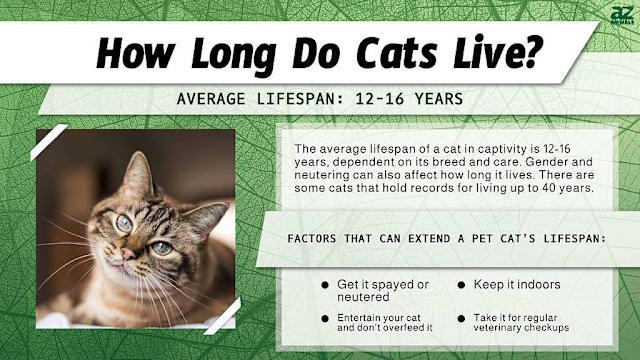
The average lifespan of a domestic cat ranges from 12 to 16 years. Some cats live beyond 20 years with good care. Indoor cats usually live longer than outdoor cats. Outdoor cats face more risks like accidents and diseases. Mixed breed cats often have longer lifespans than purebreds. Each breed has its own typical lifespan range.
Factors Influencing Cat Longevity
Several factors affect how long a cat lives. Diet quality directly impacts overall health and lifespan. Regular veterinary checkups catch illnesses early. Exercise and mental stimulation keep cats healthy. Stress levels also influence a cat’s well-being. Genetics play a crucial role in lifespan potential. Environment safety, like avoiding traffic and predators, matters too.

Credit: www.chewy.com
Breed-specific Lifespan Insights
Cat breeds vary in their average lifespans. Genetics, health, and lifestyle influence how long a cat lives. Some breeds are known for their longevity. Others tend to have shorter lifespans. Understanding breed-specific lifespan can help owners plan better care and expectations.
Long-lived Cat Breeds
Certain cat breeds often live well into their late teens or early twenties. These breeds tend to have strong genetics and fewer health problems.
- Siamese:Known for their social nature and longevity, they often live 15-20 years.
- Ragdoll:These gentle cats usually reach 15-18 years.
- Russian Blue:Known for their healthy build, lifespan averages 15-20 years.
- Domestic Shorthair:Mixed breed cats often live 14-17 years due to genetic diversity.
Breeds With Shorter Lifespans
Some cat breeds have shorter average lifespans. These breeds may face more health challenges or genetic issues.
- Persian:Their flat faces can cause breathing and health problems, lifespan around 12-15 years.
- Bengal:Active and energetic but prone to certain diseases, lifespan averages 12-16 years.
- Scottish Fold:Genetic cartilage problems can reduce lifespan to 11-14 years.
- Exotic Shorthair:Similar to Persians, they often live 12-15 years.
Genetics And Longevity
Genetics play a pivotal role in the longevity of cats. Some breeds are naturally predisposed to live longer due to their genetic makeup. Understanding these genetic factors can help you provide better care for your feline friend and potentially extend their lifespan.
Inherited Health Conditions
Each cat breed carries its unique set of genetic traits, some of which may include inherited health conditions. These conditions can significantly impact a cat’s lifespan. For example, Maine Coons are prone to hypertrophic cardiomyopathy, a heart condition that can be life-threatening. Regular vet check-ups and early detection can mitigate risks and improve longevity.
Genetic Diversity Impact
Genetic diversity is a critical factor in determining a cat’s health and lifespan. Breeds with a wider genetic pool tend to have fewer inherited health issues, contributing to longer lifespans. Mixed-breed cats often benefit from this diversity, often living longer than their purebred counterparts. Consider this when choosing your next furry companion.
Have you ever noticed how some cats seem to defy the aging process? It might just be their genetic diversity at play. By understanding the genetic background of your cat, you can make informed decisions about their care and well-being. Are you curious about your cat’s genetic makeup? It might be time to explore a genetic test to uncover any hidden health predispositions.

Credit: www.aol.com
Lifestyle Effects On Cat Lifespan
Lifestyle plays a big role in how long cats live. Healthy habits support their well-being and add years to their life. Cats with good care often stay active and happy longer. Simple daily choices make a big difference in their lifespan.
Nutrition And Diet
Feeding cats a balanced diet is essential for their health. Cats need protein, fats, and vitamins to thrive. Avoid giving too many treats or human food. Fresh water should always be available. Proper nutrition helps maintain weight and prevents diseases.
Exercise And Activity Levels
Regular play keeps cats fit and sharp. Exercise helps control weight and boosts heart health. Providing toys and space encourages movement. Indoor cats especially need stimulation to stay active. Active cats often live longer and enjoy better health.
Veterinary Care Importance
Routine vet visits catch health problems early. Vaccinations protect cats from serious diseases. Dental care prevents infections and pain. Regular check-ups help maintain overall wellness. Early treatment increases chances of a longer life.
Environmental Influences
Environmental factors play a crucial role in the lifespan of different cat breeds. Where and how your cat lives can affect its health, happiness, and longevity. Understanding these influences helps you make better decisions to support your feline’s well-being.
Indoor Vs Outdoor Living
Indoor cats generally live longer than outdoor cats. Inside, they avoid dangers like traffic, predators, and harsh weather. But staying indoors doesn’t mean less stimulation—cats need toys, climbing spaces, and interaction to stay mentally sharp.
Outdoor cats have more exercise and natural hunting instincts, but they face risks such as fights, parasites, and accidents. Some owners create secure outdoor enclosures to give cats fresh air without the dangers. How much freedom you allow affects your cat’s health and lifespan.
Stress And Safety Factors
Stress shortens a cat’s life by weakening its immune system and causing behavioral problems. Loud noises, frequent changes, or unsafe environments can increase your cat’s stress levels. Providing a calm, predictable space helps your cat feel secure and live longer.
Safety also involves regular vet visits, parasite control, and proper nutrition. Your attention to these factors can prevent diseases and injuries. Ask yourself: Is your home a place where your cat feels truly safe and cared for every day?
Common Misconceptions About Cat Lifespan
Many people hold strong beliefs about how long cats live based on their breed. These ideas often shape expectations and care decisions. But not all beliefs about cat lifespan are true. Separating facts from myths helps owners provide better care and understand their pets’ needs clearly.
Breed Stereotypes
Some breeds get labeled as either very long-lived or short-lived. For example, Siamese cats are often said to live much longer than others. Meanwhile, some think larger breeds have shorter lives. These ideas come from visible traits or stories, not solid evidence.
While certain breeds have average lifespans, individual cats may live much longer or shorter lives. Environment, health care, and diet play key roles. Relying only on breed stereotypes can lead to wrong assumptions about a cat’s health or lifespan.
Overestimating Genetic Impact
Genes influence lifespan, but they do not tell the whole story. Many believe genetics alone decide how long a cat will live. This view ignores other important factors.
Good nutrition, regular vet visits, safe living conditions, and mental stimulation all affect a cat’s lifespan. Even a cat with less ideal genetics can live a long, healthy life with proper care. Genetics set a foundation, but lifestyle shapes the outcome.
Tips To Help Cats Live Longer
Helping your cat live a longer life goes beyond just picking the right breed. Small, everyday actions you take can have a big impact on your feline friend’s health and happiness. Are you ready to learn simple ways to support your cat’s well-being and add years to their life?
Regular Health Checkups
Scheduling routine vet visits is crucial. These checkups catch health issues before they become serious. Vaccinations, dental care, and parasite control all contribute to a longer, healthier life.
Think about your own health—how often do you visit a doctor just to make sure everything is okay? Your cat needs the same attention. Regular vet visits can detect early signs of diseases like kidney problems or diabetes, which are common in older cats.
Balanced Diet Choices
Your cat’s diet is the foundation of their health. Feeding high-quality food with the right nutrients supports their immune system and energy levels. Avoid overfeeding and watch out for obesity, which can shorten a cat’s lifespan.
Have you noticed how some cats lose interest in food or become picky? Switching to wet food or adding a bit of broth can encourage eating. Always check labels to avoid fillers and artificial ingredients that offer little nutritional value.
Creating A Safe Environment
Safety matters just as much as diet and health care. Indoor cats generally live longer because they avoid traffic, predators, and diseases from other animals. If your cat goes outside, consider supervised play or a secure enclosure.
Make your home cat-friendly by removing toxic plants, securing windows, and keeping small objects out of reach. Providing plenty of toys and scratching posts keeps your cat active and mentally stimulated, which helps prevent stress and boredom.
Frequently Asked Questions
Do Certain Cat Breeds Live Longer Than Others?
Yes, some cat breeds tend to live longer due to genetics and health. For example, Siamese and Burmese cats often have longer lifespans than larger or more brachycephalic breeds.
What Factors Influence A Cat Breed’s Lifespan?
A cat’s lifespan depends on genetics, diet, healthcare, and living environment. Regular vet visits and proper nutrition significantly improve longevity across breeds.
How Long Do Indoor Cats Of Different Breeds Live?
Indoor cats generally live longer than outdoor cats. Lifespan varies by breed but indoor cats can live 12-16 years or more with good care.
Are Mixed Breed Cats Healthier And Longer-lived?
Mixed breed cats often have fewer genetic issues and may live longer. Their diverse gene pool can contribute to better overall health.
Conclusion
Cat breeds can have different lifespans. Some live longer due to genetics and care. Health, diet, and environment also play big roles. Regular vet visits help catch problems early. Loving attention keeps cats happy and active. Choosing a breed is just one part.
Every cat deserves good care to live well. Remember, a healthy cat is a happy cat. Longevity depends on more than breed alone. Keep your cat safe, healthy, and loved.



Leave a Reply