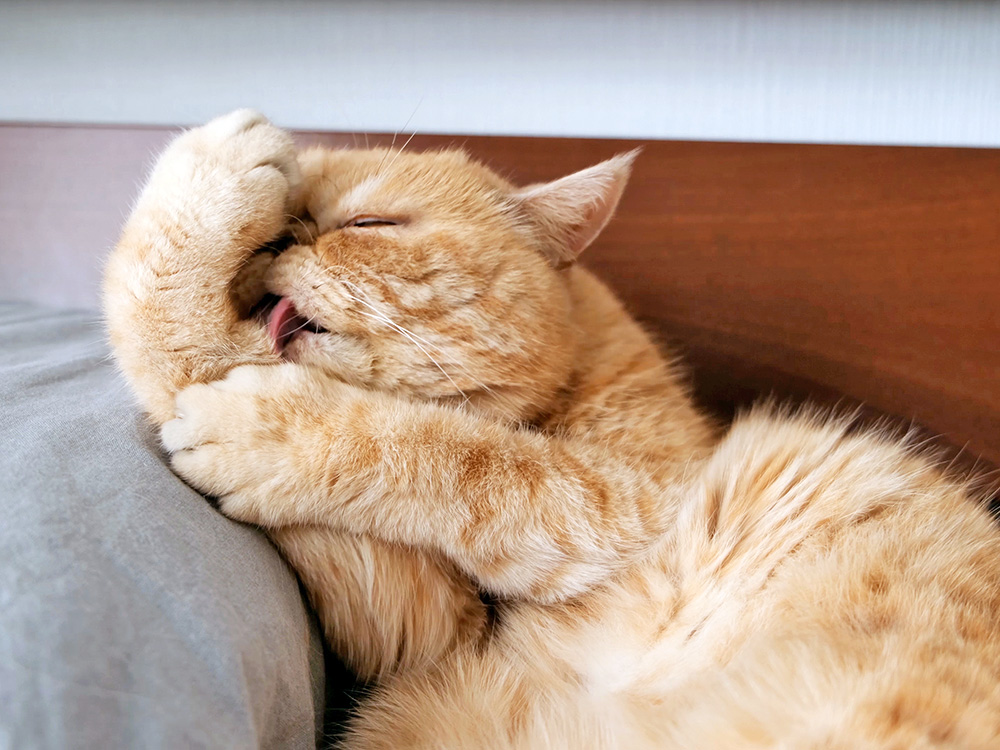
Have you ever noticed your cat isn’t grooming itself like it used to? It can be worrying when your furry friend suddenly stops cleaning its fur.
Grooming is a natural habit for cats, so when they skip it, something might be wrong. Understanding why your cat isn’t grooming can help you spot health issues early and keep your pet happy. Keep reading to discover the surprising reasons behind this behavior and what you can do to help your cat feel their best.
Credit: pethelpful.com
Normal Grooming Habits
Cats are known for their meticulous grooming habits, which help keep them clean, healthy, and comfortable. Understanding what normal grooming looks like can help you spot when something is off with your furry friend. Have you ever wondered why your cat spends so much time licking and cleaning itself?
How Cats Groom Themselves
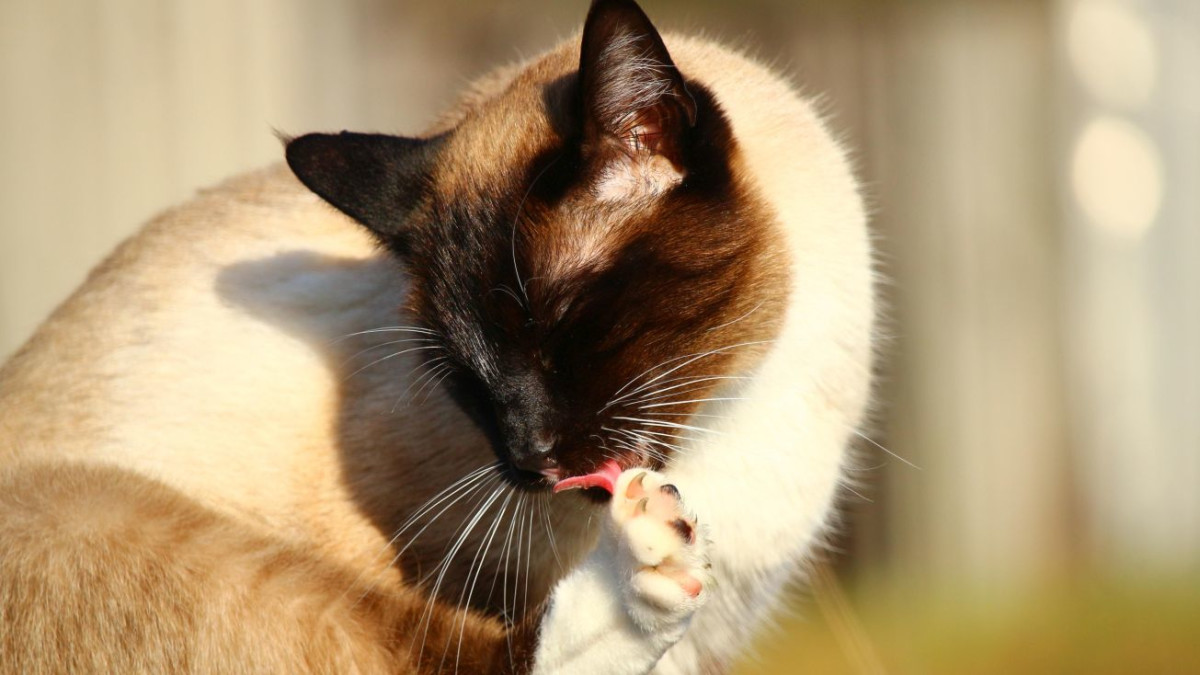
Cats use their tongues to groom, which have tiny, hook-like structures called papillae. These act like a natural comb to remove dirt and loose fur.
They usually start by licking their paws and then rub their face and head with their damp paws. This technique helps reach areas their tongue can’t easily access.
You might notice your cat focusing on specific spots, like behind the ears or under the chin—these are common grooming targets. Grooming sessions can last anywhere from a few minutes to over half an hour.
Importance Of Grooming
Grooming isn’t just about cleanliness. It also helps regulate your cat’s body temperature and stimulates blood circulation.
Regular grooming removes loose fur and helps prevent hairballs, which can cause serious health problems. It also allows cats to relax and reduce stress, almost like a form of meditation.
Have you seen your cat grooming less than usual? It might be a sign of discomfort or illness, so paying attention to these habits can keep your pet healthier for longer.

Credit: weareallaboutcats.com
Common Grooming Issues
Cats usually keep themselves clean by grooming. Grooming helps them stay healthy and comfortable. Sometimes, cats stop grooming. This signals a problem. Common grooming issues often cause this change. Identifying these issues early can help your cat feel better.
Physical Injuries
Injuries can stop a cat from grooming. Pain or swelling makes it hard to reach certain spots. Cuts or bruises may prevent licking or scratching. Cats may avoid grooming due to discomfort. Check your cat for visible wounds or limping. Treat injuries to restore normal grooming habits.
Skin Conditions
Skin problems often affect grooming behavior. Allergies, parasites, or infections cause itching and irritation. Cats may groom less to avoid pain or worsen sores. Look for redness, scabs, or hair loss. Proper treatment of skin issues helps your cat groom again.
Dental Problems
Pain in the mouth can reduce grooming. Tooth decay or gum disease makes licking uncomfortable. Cats with dental issues may stop cleaning their faces. Watch for bad breath, drooling, or difficulty eating. Dental care improves comfort and encourages grooming.
Behavioral Causes
Stress or anxiety can cause cats to stop grooming themselves. Changes in their environment or routine often lead to this behavior. Cats may also avoid grooming if they feel unwell or are in pain.
Cats are known for their meticulous grooming habits. When they stop grooming, it can be concerning. Behavioral causes often play a significant role. Understanding these can help address the issue. Let’s delve into some behavioral reasons.Stress And Anxiety
Cats are sensitive creatures. Changes in their environment can stress them. New pets or loud noises may cause anxiety. This stress might lead them to stop grooming. They might feel overwhelmed by their surroundings. Providing a calm space can help.Depression In Cats
Cats can experience depression. Loss of a companion or boredom might trigger it. Depressed cats often lose interest in activities. Grooming is one such activity. They might appear lethargic or withdrawn. Offering affection and playtime can lift their spirits.Changes In Environment
Moving to a new home can be unsettling for cats. Changes in routine or furniture can disturb them. This disturbance might lead to grooming neglect. Familiar scents and objects can provide comfort. Gradual introduction to changes helps ease the transition. Understanding these behavioral causes can aid in helping your cat. It’s crucial to address these issues promptly. Your cat’s well-being depends on it.Health Problems Affecting Grooming
When your cat stops grooming, it’s often a sign of underlying health issues. Grooming is a daily routine for cats, so any change can indicate discomfort or illness. Understanding how health problems affect grooming helps you spot trouble early and support your feline friend better.
Arthritis And Mobility Issues
Arthritis is common in older cats and can make grooming painful. Your cat might struggle to reach certain areas, leaving fur matted or dirty. If you notice patches of unkempt fur, especially on the back or hind legs, arthritis could be the cause.
You can help by gently brushing your cat or using soft grooming tools. Regular vet check-ups can also manage arthritis symptoms and improve your cat’s mobility.
Obesity And Grooming Difficulties
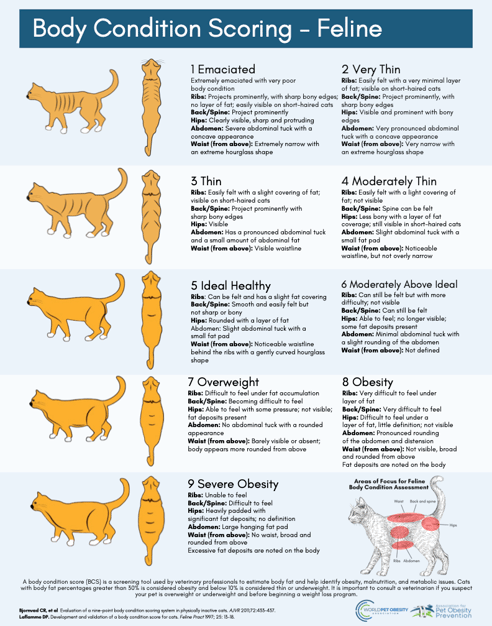
Excess weight limits your cat’s flexibility, making grooming a challenge. Overweight cats often miss spots, leading to greasy or tangled fur. You might see your cat licking only the front part of its body because the rest is hard to reach.
Encourage a healthy diet and more playtime to reduce weight. Meanwhile, assist with grooming to keep your cat comfortable and clean.
Neurological Disorders
Neurological problems can disrupt your cat’s coordination and grooming habits. Conditions like stroke or nerve damage may cause your cat to forget or lose the ability to groom properly. You could observe uneven grooming or a sudden change in behavior.
Watch for signs like head tilting, weakness, or unusual movements. Consult your vet immediately if you suspect neurological issues to get the right treatment.
When To See A Vet
Noticing your cat suddenly stops grooming can be worrying. It’s a clear sign that something may be wrong, and knowing when to seek veterinary help is crucial. Ignoring these signs could lead to serious health issues, so understanding what to watch for can save your cat discomfort and even their life.
Signs Of Grooming Neglect
Look for matted fur or patches of dirt that don’t seem to go away. Your cat might have an unusual odor or oily coat, which indicates poor grooming. Also, watch for excessive scratching or licking in one spot, as this can signal skin problems or pain preventing proper grooming.
Have you noticed your cat hiding more than usual or acting lethargic? Behavioral changes often accompany grooming neglect and can point to deeper health concerns. Don’t wait until the condition worsens—these signs should prompt a vet visit.
Diagnostic Tests
Your vet will likely start with a thorough physical exam, checking your cat’s skin, coat, and overall condition. Blood tests might be necessary to rule out infections, hormonal imbalances, or organ issues like kidney disease. Sometimes, skin scrapings or allergy tests help identify parasites or allergic reactions causing grooming problems.
Imaging tests such as X-rays or ultrasounds might be used if internal issues are suspected. These diagnostics help uncover hidden problems that affect your cat’s ability to groom. Remember, early diagnosis improves treatment success.
Treatment Options
Treatment depends on the underlying cause. If parasites are found, your vet will provide medications to eliminate them. Skin infections may require antibiotics or special shampoos to heal your cat’s coat.
For pain or arthritis, pain relief and anti-inflammatory drugs can make grooming easier for your cat. In cases of behavioral issues, your vet might suggest environmental changes or stress-reducing techniques. Your role is to follow the vet’s advice closely and monitor your cat’s progress.
Helping Your Cat Groom Better
Helping your cat groom better is key to their health and happiness. Some cats stop grooming due to age, illness, or stress. Supporting their grooming habits keeps their coat clean and skin healthy.
Regular care and attention can make grooming easier for your cat. Small changes in daily routine can have big effects. Understanding how to assist your cat helps prevent skin problems and discomfort.
Regular Brushing Tips
Brushing your cat removes loose fur and dirt. Use a soft brush made for cats. Brush gently to avoid hurting their skin.
- Brush short-haired cats twice a week.
- Brush long-haired cats daily.
- Start brushing sessions short, then slowly increase time.
- Reward your cat with treats after brushing.
Creating A Stress-free Environment
Stress can stop cats from grooming. Keep their space calm and quiet. Provide a safe place where they can relax.
- Keep a regular routine for feeding and playtime.
- Limit loud noises and sudden changes.
- Use calming sprays or diffusers made for cats.
- Spend time playing gently to reduce anxiety.
Diet And Hydration
Good food and water keep your cat’s skin and coat healthy. Feed high-quality cat food rich in nutrients. Ensure fresh water is always available.
- Include omega-3 and omega-6 fatty acids in their diet.
- Wet food helps increase hydration.
- Monitor your cat’s eating and drinking habits daily.
- Consult a vet for special dietary needs.
Credit: www.preventivevet.com
Frequently Asked Questions
Why Do Cats Suddenly Stop Grooming Themselves?
Cats may stop grooming due to illness, pain, stress, or obesity. Grooming requires mobility and energy, which may be limited. If your cat stops grooming, consult a vet for health checks and treatment.
How Does Grooming Affect A Cat’s Health?
Grooming removes dirt, parasites, and loose fur. It helps regulate body temperature and stimulates circulation. Proper grooming is essential for a cat’s overall hygiene and comfort.
Can Stress Cause Cats To Stop Grooming?
Yes, stress or anxiety can reduce a cat’s grooming behavior. Environmental changes, new pets, or loud noises may trigger stress. Providing a calm environment can help restore grooming habits.
What Health Issues Cause Poor Grooming In Cats?
Arthritis, dental problems, skin infections, and obesity can hinder grooming. These conditions cause pain or discomfort, reducing a cat’s ability to clean itself. Early vet diagnosis and treatment are crucial.
Conclusion
Cats stop grooming for many reasons. Sometimes, they feel sick or stressed. Pain or old age can also make grooming hard. Watch your cat closely for changes. Help your cat by keeping its environment calm. Regular vet visits catch problems early.
Grooming is a sign of a happy, healthy cat. Taking care of your cat’s needs keeps it comfortable. Notice any unusual behavior and act quickly. A little attention goes a long way in your cat’s life.

Leave a Reply