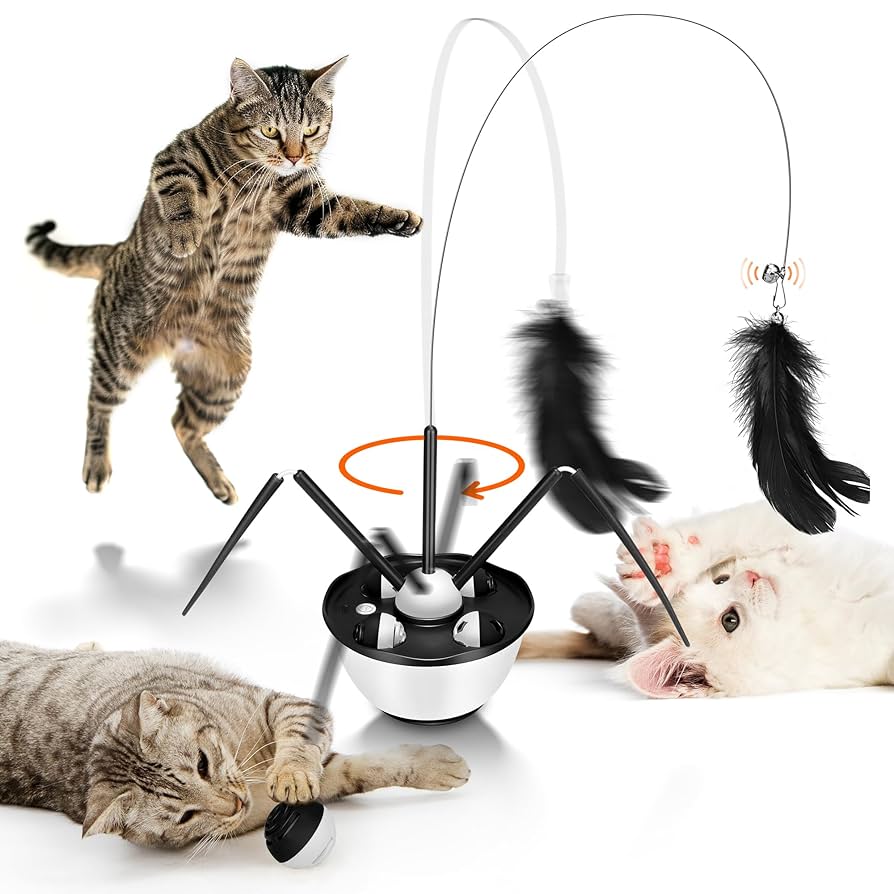
Have you ever noticed your cat’s reaction when you bring out a speeky toy? Maybe your furry friend seems curious at first but then quickly loses interest—or even walks away.
You might be wondering, do cats actually dislike speeky toys? Understanding your cat’s true feelings about these noisy gadgets can help you choose the right toys that keep them happy and engaged. Keep reading to discover why some cats might shy away from speeky toys and what you can do to make playtime more enjoyable for your pet.

Credit: www.amazon.com
Cat Reactions To Speeky Toys
Understanding how your cat reacts to speeky toys can reveal a lot about their personality and preferences. Some cats might be instantly curious, while others may show clear signs of dislike or fear. Observing these reactions closely helps you choose toys that truly engage and entertain your feline friend.
Common Behaviors Observed
Cats often display a range of behaviors when introduced to speeky toys. Many will cautiously approach, sniff, and paw at the toy before deciding whether to play. Some might dart away or hiss if the sound startles them.
- Curiosity:Pawing, sniffing, and batting the toy around.
- Fear or Dislike:Hissing, retreating, or hiding from the toy.
- Playfulness:Pouncing, chasing, and vocalizing back at the speeky toy.
- Indifference:Ignoring or walking away without much interest.
From my experience, one of my cats initially ignored a speeky mouse but later grew fascinated, showing how reactions can evolve over time. Have you noticed your cat’s attitude change after repeated exposure to noisy toys?
Factors Influencing Reactions
Several factors affect how your cat responds to speeky toys. Age plays a big role—kittens are generally more curious and playful, while older cats might be more cautious or indifferent.
| Factor | Effect on Reaction |
|---|---|
| Previous Experience | Cats familiar with noisy toys tend to be less startled and more engaged. |
| Personality | Bold cats may attack the toy, while shy cats avoid it. |
| Sound Sensitivity | Some cats dislike high-pitched or sudden noises and may reject speeky toys. |
| Environment | A calm, safe space encourages interaction with new toys. |
Think about your cat’s unique personality and preferences before buying a speeky toy. Would a quieter or softer toy work better? Observing your cat’s response can guide you to the perfect plaything.
Why Some Cats Avoid Speeky Toys
Cats have unique personalities and preferences. This means some cats may avoid speeky toys. Understanding their reasons can help pet owners choose better toys. Several factors influence a cat’s reaction to noisy playthings.
Sensitivity To Noise
Cats have sharp hearing. Loud or sudden sounds can startle them easily. Speeky toys often make unexpected noises. This can cause fear or discomfort. Quiet or soft sounds are usually better received by cats. Noise sensitivity varies by cat. Some tolerate loud toys, others do not.
Texture And Material Preferences
Cats explore toys with their paws and mouths. The feel of a toy matters a lot. Rough or hard materials can be off-putting. Some cats prefer soft, plush textures instead. Materials that are too smooth or slippery may not attract cats. Each cat has its own tactile likes and dislikes.
Past Experiences
Cats remember past events well. A bad experience with a speeky toy can cause avoidance. If a toy scared or hurt a cat, it will likely stay away. Positive experiences encourage curiosity and play. Owners should observe reactions and adjust toy choices accordingly.
Cats That Enjoy Speeky Toys
Cats that enjoy speeky toys show clear signs of excitement and curiosity. These toys mimic sounds and movements that catch a cat’s attention easily. Not all cats respond the same way, but many find these toys irresistible. Understanding which cats are drawn to speeky toys helps owners pick the best playthings.
Playfulness Levels
Highly playful cats are often the biggest fans of speeky toys. These cats love chasing, pouncing, and batting at moving sounds. Less active cats may ignore these toys or lose interest quickly. Playful cats enjoy the challenge and stimulation speeky toys provide.
Breed Tendencies
Some cat breeds naturally enjoy interactive toys more. Breeds like Siamese, Bengal, and Abyssinian are known for their active nature. These cats respond well to toys that make noise and move unpredictably. Calm breeds may prefer quieter or softer toys instead.
Age And Activity
Kittens and young cats often love speeky toys the most. Their energy and curiosity are high. Older cats might enjoy these toys, but usually for shorter times. Activity level usually decreases with age, affecting how much they play with noisy toys.

Credit: www.reddit.com
Choosing The Right Toy For Your Cat
Some cats avoid noisy toys, finding them scary or annoying. Choosing quiet, soft toys often keeps cats happy and engaged. Understanding your cat’s mood helps pick the right plaything for fun and comfort.
Choosing the Right Toy for Your Cat Cats are mysterious creatures with unique preferences, especially when it comes to toys. While some cats may adore a squeaky toy, others might be less enthusiastic. Finding the perfect toy involves understanding your cat’s personality and preferences. Are they more playful or a bit more reserved? Let’s explore the key factors to consider when selecting the best toy for your feline friend.Materials And Safety
Safety should be your top priority. Look for toys made from non-toxic materials to ensure your cat’s health. Avoid toys with small parts that can be swallowed or sharp edges that might cause injury. Natural materials like sisal or organic cotton are generally safer choices. They are durable and can withstand your cat’s playful antics. Always inspect toys regularly for wear and tear.Noise Level Considerations
Noise can be a big factor in toy preference. Some cats love the thrill of a squeaky toy, while others might find it off-putting. Consider your cat’s reaction to different sounds. If your cat is startled by loud noises, opt for quieter toys like soft balls or plush mice. On the other hand, if your cat seems intrigued by sounds, a toy with a gentle rattle or bell might be a hit.Interactive Vs Solo Play
Decide whether you want a toy for interactive play or one your cat can enjoy alone. Interactive toys, like feather wands, are great for bonding. They require your involvement and can strengthen your connection with your pet. Solo toys, such as puzzle feeders, keep your cat entertained while you’re busy. These toys stimulate their mind and help prevent boredom. Consider your schedule and your cat’s personality when choosing between interactive and solo play options. Choosing the right toy can make all the difference in your cat’s happiness. What type of toy does your cat enjoy most?Tips To Introduce Speeky Toys
Introducing speeky toys to cats can be tricky. Some cats may feel scared or confused by new sounds. A careful approach helps cats feel safe and curious. Use these tips to make the introduction smooth and fun for your pet.
Gradual Introduction
Start by placing the speeky toy near your cat without activating it. Let your cat explore the toy at their own pace. Turn on the sounds softly and briefly. Increase the sound duration slowly over several days. This helps your cat get used to the noise without stress.
Positive Reinforcement
Reward your cat with treats or pets when they show interest in the toy. Praise your cat calmly to create a happy feeling. Use playtime with the speeky toy as a fun activity. Positive experiences help your cat accept the new toy faster.
Observing Preferences
Watch your cat’s reactions carefully. Some cats like gentle sounds, others prefer quiet toys. Note which sounds make your cat curious or relaxed. Avoid forcing the toy if your cat looks scared or stressed. Adjust the toy use based on what your cat enjoys most.
Alternative Toys For Sensitive Cats
Not all cats enjoy noisy or speeky toys; some are quite sensitive to sounds and get easily stressed. Finding the right alternative toys can keep your feline friend engaged without overwhelming their senses. Let’s look at some options that cater to sensitive cats and help you create a calm play environment.
Silent Toys
Silent toys are perfect for cats that dislike sudden noises. Soft plush mice or balls made from fabric provide a quiet way to play.
Try toys filled with catnip or crinkly but soft materials that don’t produce loud sounds. You might notice your cat engaging more when the toy doesn’t startle them.
Natural And Diy Options
Natural toys like dried herbs, untreated wood sticks, or feathers appeal to a cat’s hunting instincts without noise. You can easily make DIY toys using things around your home.
- Wrap a feather in a string for a simple wand toy.
- Create a ball from rolled-up paper or fabric scraps.
- Use cardboard boxes or paper bags as hideouts and play zones.
Have you tried making toys yourself? Many cat owners find their pets prefer homemade items because they feel more familiar and less artificial.
Comfort And Security Items
Sometimes, your cat’s dislike for noisy toys comes from a need for security. Soft blankets, cozy beds, and small hideouts can provide comfort and reduce anxiety.
Adding a familiar scent to these items can make your cat feel safer and more willing to explore toys nearby. Have you noticed your cat curling up next to certain toys or blankets? This behavior shows what makes them feel secure.

Credit: www.amazon.com
Frequently Asked Questions
Do Cats Generally Dislike Squeaky Toys?
Many cats find squeaky toys annoying due to the loud, high-pitched sounds. Some may avoid them, while others show curiosity or playfulness. It depends on the cat’s personality and sensitivity to noise.
Why Do Some Cats Fear Squeaky Toys?
Cats have sensitive hearing, so squeaky noises can startle or stress them. Sudden or repetitive squeaks may trigger fear, especially in shy or anxious cats.
Can Squeaky Toys Harm A Cat’s Hearing?
Squeaky toys usually do not harm hearing if used moderately. However, constant exposure to loud squeaks may irritate or stress cats.
How To Choose Cat-friendly Squeaky Toys?
Select toys with soft, gentle squeaks and durable materials. Observe your cat’s reaction and avoid toys that cause distress or fear.
Conclusion
Cats often react differently to squeaky toys. Some enjoy the sound and play more, while others feel scared or annoyed. Understanding your cat’s personality helps choose the right toy. Watch their reactions closely to see what they like best. Safe and quiet toys might suit shy cats better.
Playtime should always be fun and stress-free for your pet. Finding the perfect toy takes patience but brings great joy. Keep your cat happy by respecting their preferences.

Leave a Reply