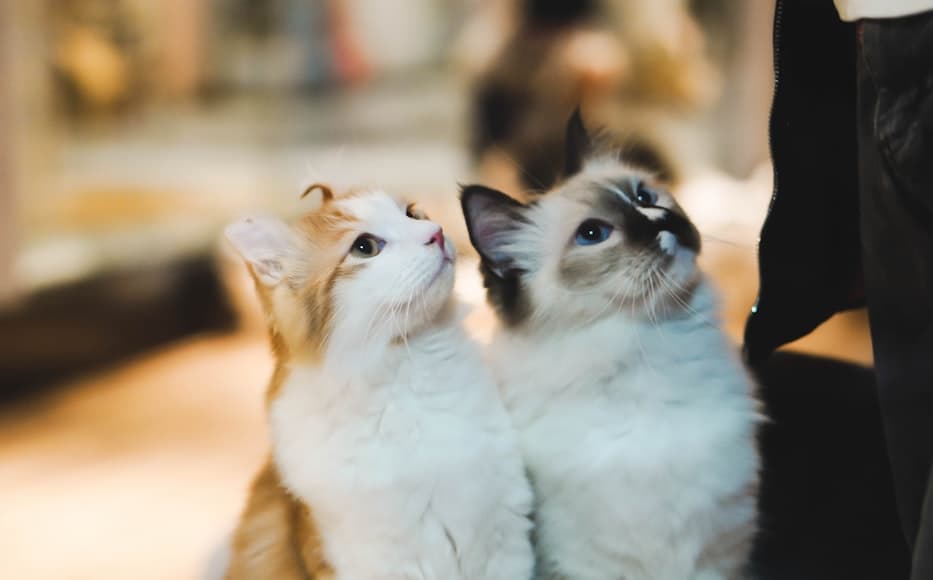
Have you ever watched cats grooming each other and wondered why sometimes it looks almost aggressive? If you think grooming is always gentle and soothing, you might be surprised.
When cats aggressively groom each other, it’s more than just cleaning—it’s a powerful way they communicate and build bonds. Understanding this behavior can help you better read your cats’ feelings and relationships. Keep reading to discover the hidden reasons behind this intense grooming and what it means for your furry friends.
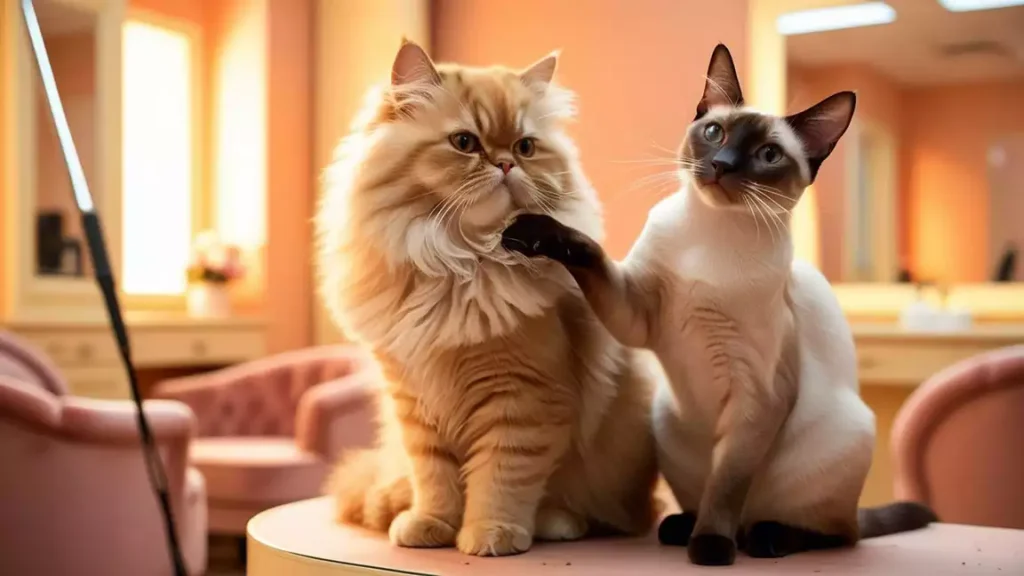
Credit: catgroomerla.com
Social Bonds And Grooming
Cats don’t just groom each other to keep clean. Their aggressive grooming is a key way they build and maintain social bonds. This behavior tells you a lot about how they relate to each other and their place in the group.
Strengthening Group Connections
When cats groom each other, it’s more than hygiene—it’s a way to create trust and closeness. You might notice cats licking each other’s heads or necks, areas they can’t easily reach themselves. This act sends a clear message: “I accept you.”
Think about your own friendships. Sharing time and care deepens your connection. Cats do something similar through grooming. It helps reduce tension and keeps the group peaceful.
Have you ever seen cats grooming after a dispute? It’s their way of saying, “Let’s move past this.” If your cats groom each other often, it’s a sign they feel safe and bonded.
Hierarchy And Grooming Roles
In a cat group, grooming isn’t equal for everyone. Higher-ranking cats often get groomed more, while they may groom others less. This shows respect and acknowledges status.
Sometimes, a dominant cat will groom a subordinate to reinforce control, but it also reassures the group’s stability. Subordinates might groom dominants to gain favor or reduce aggression.
Have you noticed which cat starts or ends the grooming session? That’s a clue to their social role. Watching these interactions helps you understand your cats’ relationships better.

Credit: basepaws.com
Stress And Comfort Signals
Stress and comfort signals play a key role in why cats aggressively groom each other. This behavior isn’t just about cleanliness; it’s deeply connected to how cats communicate and manage their emotions. Understanding these signals helps you see grooming as more than a simple habit—it’s a vital part of their social and emotional toolkit.
Calming Effects Of Mutual Grooming
Mutual grooming acts like a natural stress reliever for cats. When they lick and clean each other, it releases endorphins that help calm their nerves. This shared activity strengthens bonds and creates a sense of safety within their group.
You might notice that after a tense moment, your cats will groom each other more intensely. This isn’t random—it’s their way of reassuring each other. If you have multiple cats, watch how grooming sessions increase after a stressful event like a loud noise or a new pet introduction.
Think about your own experiences—how a simple touch or hug can ease anxiety. Cats use grooming similarly to comfort one another and maintain peace.
Signs Of Anxiety In Grooming Behavior
Not all aggressive grooming is about comfort; sometimes, it signals anxiety. If your cat licks another excessively or focuses on one spot repeatedly, it could indicate stress. This behavior often replaces other signs of distress because grooming feels safe and controllable.
Watch for these signs that suggest anxiety in grooming:
- Rapid, intense licking that interrupts normal behavior
- One cat trying to escape or avoid the groomer
- Skin redness or hair loss from over-grooming
Recognizing these signs helps you step in before the behavior causes harm. Have you seen your cats grooming each other until one looks uncomfortable? That’s your cue to observe their environment for stress triggers and offer calm alternatives.
Territorial Disputes And Grooming
Cats groom each other to show trust but can become aggressive to set boundaries. Territorial disputes arise when one cat feels its space is threatened. Grooming helps establish social order and reduce tension among cats.
Cats are fascinating creatures, often exhibiting behaviors that leave us scratching our heads. One such behavior is their aggressive grooming of each other, which can sometimes be linked to territorial disputes. Understanding this can offer insights into their complex social dynamics and help you foster a more harmonious environment for your feline friends.Marking Boundaries Through Grooming
Cats use grooming as a way to mark their territory. When a cat grooms another, it’s not just about cleanliness—it’s a subtle way of asserting dominance and marking boundaries. This behavior can be observed when a dominant cat grooms a subordinate, effectively signaling ownership or control over that particular area or individual. Cats have scent glands around their face and head. During grooming, they transfer their scent onto the other cat, reinforcing social hierarchies. This scent-marking helps maintain the peace by establishing clear boundaries, reducing the likelihood of physical confrontations.Aggression Triggered By Territory
Territorial disputes often manifest through aggressive grooming. If your cats suddenly start grooming each other more aggressively, it might be due to a perceived threat to their territory. This can occur when a new cat is introduced to the household or when there are changes in the environment. Aggressive grooming can escalate into fights if not monitored. As a cat owner, it’s essential to observe these interactions closely. Ask yourself: Is there enough space for each cat to feel secure? Providing adequate resources and separate spaces can help alleviate territorial stress and reduce aggressive behaviors. Encourage positive interactions by ensuring each cat has its own safe space. This can prevent territorial disputes and promote a peaceful coexistence.
Credit: basepaws.com
Health And Hygiene Factors
Cats groom each other for health and hygiene reasons. Grooming helps keep their fur clean and free from harmful pests. It also supports bonding between cats. Understanding these factors explains why cats lick and nibble at each other’s fur with such care.
Removing Parasites And Dirt
Cats use grooming to remove parasites like fleas and ticks. They carefully lick areas hard to reach alone. Dirt and loose fur also get cleaned during this process. Grooming helps prevent infections and skin problems. Cats’ rough tongues are perfect for removing tiny pests.
Over-grooming As A Symptom
Sometimes grooming becomes excessive and signals health issues. Over-grooming may mean stress, allergies, or pain. Cats may lick or bite the same spot too much. This behavior can cause wounds or fur loss. Watching grooming habits helps spot problems early.
Communication Through Grooming
Cats use grooming as a form of communication beyond just cleaning themselves. When cats groom each other, they send important social signals. This behavior helps establish relationships and maintain group harmony. Sometimes grooming can be gentle and caring. Other times, it may seem aggressive. Understanding these actions reveals how cats express themselves.
Expressing Dominance Or Submission
Grooming can show who is in charge. A dominant cat might groom a lower-ranking cat. This act asserts control without fighting. The submissive cat often stays still and allows grooming. It shows acceptance of the social order. Sometimes the dominant cat licks firmly or repeatedly. This behavior reminds the other cat of its place. Grooming becomes a quiet way to keep peace.
Grooming As A Warning Signal
Sometimes grooming turns sharp or rough. This change sends a warning to stop a behavior. Cats may bite or scratch lightly while grooming. It signals irritation or tension. The groomer might pull back if the other cat does not respond. This warning prevents bigger conflicts. Aggressive grooming acts as a message. It says, “Respect my space” or “Back off.”
Environmental Influences
Cats groom each other for many reasons, and their environment plays a big role. The space they live in and the resources available can change how often and how intensely they groom. Stress in their surroundings can also affect their behavior. Understanding these environmental influences helps explain why cats might groom each other aggressively.
Impact Of Space And Resources
Cats need enough space to feel safe and calm. Crowded areas can make them tense. Limited resources like food and water can cause competition. This tension often leads to more intense grooming. Aggressive grooming may be a way to assert dominance or relieve stress. Cats in roomy, well-stocked homes usually groom each other more gently. Space and resources shape their social bonds and grooming habits.
Changes In Grooming Due To Stressful Surroundings
Stress changes how cats interact. Loud noises, new pets, or moving can upset them. Stress can cause grooming to become rough or more frequent. Cats may groom aggressively to comfort themselves or control others. This behavior helps them cope with anxiety or fear. Calm environments reduce aggressive grooming and improve cat relationships. Watching for stress signs helps owners create a peaceful home.
Frequently Asked Questions
Why Do Cats Groom Each Other Aggressively?
Cats groom each other aggressively to establish social bonds and hierarchy. It helps remove dirt and loose fur, and can be a sign of trust or dominance within the group.
Is Aggressive Grooming A Sign Of Cat Stress?
Aggressive grooming can sometimes indicate stress or anxiety. If one cat grooms another too roughly, it may show tension or an attempt to control the other cat.
Can Aggressive Grooming Harm Cats?
Yes, aggressive grooming can cause skin irritation or hair loss. If grooming becomes too rough, it may lead to discomfort or injury that requires attention.
How To Stop Cats From Grooming Aggressively?
Redirect their attention with toys or treats. Providing separate spaces and monitoring interactions can reduce aggressive grooming and promote peaceful behavior.
Conclusion
Cats groom each other to build strong bonds and trust. Sometimes, grooming can seem rough or aggressive. This behavior helps them show dominance or set limits. It also keeps their fur clean and healthy. Understanding why cats groom this way helps owners better care for them.
Watching these interactions reveals much about their social life. Each cat has a unique style of grooming. Observing closely can improve your cat’s comfort and happiness. Remember, grooming is a natural part of how cats connect and communicate.

Leave a Reply