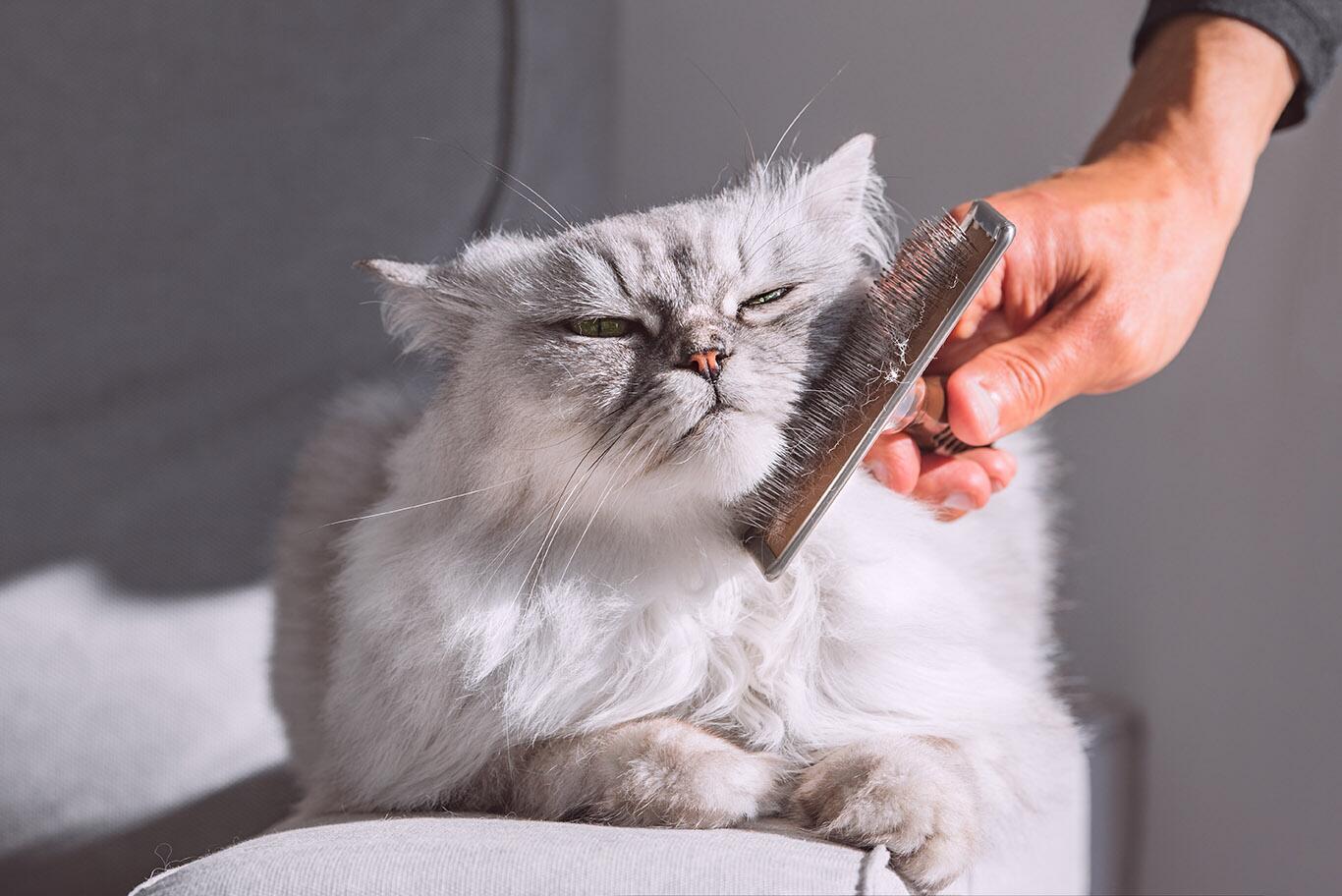
Grooming your cat might seem like a challenge, but it doesn’t have to be. Imagine how good it feels when your furry friend looks clean, smells fresh, and stays healthy—all thanks to your care.
You can save time and money by learning simple grooming tips that make your cat happy and comfortable. Ready to discover easy steps that turn grooming into a bonding moment between you and your cat? Keep reading, and you’ll become your pet’s favorite groomer in no time.

Credit: justcatsclinic.com
Choosing The Right Grooming Tools
Choosing the right grooming tools is key to making the grooming process smooth and comfortable for both you and your cat. Using the wrong brush or clipper can lead to discomfort or even injury, causing your cat to resist future grooming sessions. Taking the time to understand what tools suit your cat’s coat type and personality will save you frustration and keep your feline friend happy.
Brush Types For Different Coats
Your cat’s coat type determines the best brush to use. Short-haired cats do well with a rubber brush or a bristle brush that removes loose fur and dirt gently.
Long-haired cats need a slicker brush or a wide-toothed comb to detangle and prevent mats. If your cat has sensitive skin, a soft-bristled brush works best to avoid irritation.
Have you noticed your cat shedding heavily at certain times? A deshedding tool can be a game-changer during seasonal coat changes, reducing fur around your home significantly.
Selecting Nail Clippers
Choosing nail clippers designed specifically for cats is crucial. Human nail clippers or dog clippers can be too large and cause accidental cuts.
Guillotine-style clippers are easy to handle and allow precise cuts, while scissor-style clippers offer more control but need a steady hand. If your cat is nervous, small, quiet clippers reduce stress.
Consider investing in a nail file or grinder for smoothing sharp edges after clipping. It’s a gentler way to keep nails neat and prevents scratching damage.
Other Useful Grooming Supplies
Beyond brushes and clippers, having a few additional supplies makes grooming easier. Keep grooming wipes handy for quick clean-ups between baths.
Styptic powder or cornstarch is a must-have to stop bleeding if you accidentally trim too close to the quick. It’s a simple way to stay calm and prevent panic during nail trimming.
Lastly, a grooming mat or towel helps keep your cat steady and protects your furniture from stray hairs. Have you tried rewarding your cat with treats right after grooming? It can turn the experience into a positive routine.
Preparing Your Cat For Grooming
Getting your cat ready for grooming is key to a smooth and stress-free experience. Cats sense our energy, so how you prepare them affects their mood and cooperation. Taking time to set the stage can turn grooming from a struggle into a bonding moment.
Creating A Calm Environment
Choose a quiet room where your cat feels safe. Remove loud noises and distractions like TV or vacuum cleaners. Soft lighting helps keep your cat relaxed and less alert.
Try playing gentle music or white noise to mask sudden sounds. Keep all grooming tools within reach to avoid interruptions. A calm setting reduces anxiety and helps your cat stay still.
Getting Your Cat Comfortable
Start by petting your cat in spots they love, such as behind the ears or under the chin. Notice how they react and respect their limits—don’t push if they seem tense. Let your cat sniff and explore the grooming tools before using them.
Offer treats or gentle praise to create positive associations. If your cat enjoys lap time, hold them gently but securely. Comfort builds trust, making grooming easier for both of you.
Timing Your Grooming Sessions
Pick a time when your cat is naturally calm, often after a meal or play session. Avoid times when they are hyper or sleepy. Short sessions, around 5 to 10 minutes, work best to keep your cat engaged without overwhelming them.
Watch for signs of fatigue or irritation and pause if needed. Frequent, brief grooming sessions help your cat get used to the routine over time. Would your cat prefer morning or evening grooming? Experiment to find the best fit.
Brushing Techniques
Grooming your cat is essential for their health and happiness. Brushing your cat keeps their coat shiny and reduces shedding. It also helps avoid painful mats and tangles. Let’s explore some effective brushing techniques for both short-haired and long-haired cats.
Brushing Short-haired Cats
Short-haired cats need less grooming than their long-haired cousins. Use a soft-bristle brush or grooming mitt. Brush in the direction of hair growth. This removes loose hair and dirt. Keep sessions short and gentle to avoid stress.
Brushing Long-haired Cats
Long-haired cats require more frequent brushing. Use a wide-toothed comb or slicker brush. Start from the head and move towards the tail. Gently comb small sections at a time. This helps prevent tangles and keeps their coat smooth.
Dealing With Mats And Tangles
Mats and tangles are common in cats with longer fur. Use a detangling spray for stubborn mats. Gently work through the tangle with your fingers or a comb. Never pull or yank on the mat to avoid hurting your cat. For severe mats, consider seeking help from a professional groomer.
Nail Trimming Tips
Trimming your cat’s nails is a crucial part of grooming that helps keep your furniture safe and your cat comfortable. Many cat owners find this task daunting, but with the right tips, you can make nail trimming a calm and quick routine for both you and your feline friend. Let’s dive into some practical advice to keep nail trimming safe and stress-free.
How To Safely Trim Nails
Choose a quiet spot where your cat feels relaxed. Hold your cat gently but firmly, supporting their paw without squeezing too hard.
Use sharp, cat-specific nail clippers to avoid crushing the nail. Trim only the sharp, curved tip and avoid cutting into the pink part called the quick, which can cause pain and bleeding.
- Press lightly on the paw to extend the nail.
- Trim small sections rather than a big cut at once.
- Stop immediately if you see the quick or your cat shows discomfort.
Signs To Watch During Trimming
Pay attention to your cat’s body language. If your cat pulls their paw away, growls, or tries to escape, it’s time to pause and calm them down.
Look closely at the nail’s color and the quick’s location. If you notice any bleeding, apply styptic powder or cornstarch to stop it quickly.
- Watch for sudden jerks or resistance.
- Notice if your cat’s ears flatten or eyes widen – signs of stress.
- Check for any pain signals like vocalizing or biting.
Alternatives If Your Cat Resists
Some cats simply won’t cooperate, no matter how gentle you are. If that’s the case, try trimming nails after a play session when your cat is tired and more relaxed.
Another option is to wrap your cat in a towel, leaving only one paw out at a time. This can prevent sudden moves and help you feel more in control.
- Use nail caps as a temporary solution to protect your furniture.
- Ask a veterinarian or professional groomer for help if needed.
- Consider using scratching posts to naturally wear down nails between trims.
Cleaning Ears And Eyes
Cleaning your cat’s ears and eyes is a crucial part of grooming that many pet owners overlook. These sensitive areas can easily develop infections or irritations if neglected. Paying attention to them helps your cat stay comfortable and healthy.
Safe Ear Cleaning Methods
Your cat’s ears are delicate, so avoid using cotton swabs inside the ear canal. Instead, use a soft cloth or a cotton ball dampened with a vet-approved ear cleaner.
Gently wipe the visible parts of the ear, removing any dirt or wax buildup. If your cat resists, try to calm them with soft words and slow movements—patience is key.
- Check for redness, swelling, or foul odor before and after cleaning.
- Never insert anything deep into the ear canal.
- Repeat cleaning only when necessary, usually once every few weeks.
Removing Tear Stains
Tear stains can make your cat’s eyes look messy and may indicate blocked tear ducts or allergies. Use a damp, soft cloth or a pet-safe wipe to gently clean around the eyes daily.
Be careful not to touch the eyeball itself—focus on the fur and skin around the eyes. If your cat has light-colored fur, these stains might be more noticeable, so regular cleaning helps maintain their appearance.
- Use lukewarm water or a solution recommended by your vet.
- Wipe from the inner corner outward to avoid spreading bacteria.
- Monitor for excessive tearing or changes in eye color.
When To Consult A Vet
Persistent redness, swelling, or discharge from your cat’s ears or eyes signals a problem beyond routine cleaning. If your cat scratches these areas excessively or shows signs of pain, it’s time to seek professional help.
Ignoring these symptoms can lead to infections or more serious conditions. Remember, your vet can provide treatments and advice tailored to your cat’s specific needs.
Have you noticed any unusual behavior or symptoms in your cat’s ears or eyes? Don’t wait—getting a vet’s opinion early can prevent discomfort and complications.
Bathing Your Cat
Bathing your cat can seem tricky, but it is sometimes needed for their health. Most cats clean themselves well. Still, baths help when dirt, fleas, or sticky substances are on their fur. A calm approach makes the process easier for both you and your cat.
When Baths Are Necessary
Cats usually keep clean on their own. Baths become necessary if they get very dirty or sticky. Flea treatments may also require a bath. Some cats with skin problems need regular washing. Avoid frequent baths to prevent drying out their skin.
Step-by-step Bathing Guide
- Prepare warm water in a sink or tub, about 100°F (38°C).
- Use a mild cat shampoo made for sensitive skin.
- Brush your cat gently to remove loose fur before bathing.
- Hold your cat firmly but gently to keep them safe.
- Wet their body carefully, avoiding the head and ears.
- Apply shampoo and lather softly, focusing on dirty areas.
- Rinse thoroughly with warm water to remove all soap.
- Clean the face with a damp cloth, avoiding eyes and ears.
Drying And Aftercare
Wrap your cat in a soft towel right after the bath. Pat gently to remove water without rubbing. Use a hairdryer on a low, cool setting if your cat allows it. Keep your cat warm and indoors until fully dry. Brush their fur once dry to avoid mats and tangles.
Maintaining A Regular Grooming Routine
Keeping your cat well-groomed means more than just occasional brushing. A regular grooming routine helps your cat stay comfortable, reduces shedding, and keeps their coat shiny and healthy. It also gives you a chance to bond and spot any health issues early.
Setting A Schedule
Decide on specific days and times for grooming sessions that fit your and your cat’s lifestyle. Some cats do well with daily brushing, while others may only need it once or twice a week. Consistency is key—stick to the schedule so your cat knows what to expect.
Try to pick quiet moments when your cat is relaxed, like after a nap or meal. This makes grooming less stressful for both of you. You could even keep a calendar or reminder on your phone to stay on track.
Monitoring Your Cat’s Coat Health
Use grooming time to check for any changes in your cat’s coat and skin. Look for signs like dandruff, bald spots, excessive shedding, or lumps. These can point to allergies, parasites, or other health problems that need a vet’s attention.
Notice if your cat’s fur feels greasy or dry. Healthy fur should be soft and clean. If you spot any issues, adjust your grooming frequency or try different grooming tools to help improve their coat condition.
Adjusting Techniques As Needed
Every cat is different, and their grooming needs can change over time. If your cat becomes fidgety or uncomfortable, try shorter sessions or switch to a gentler brush. Pay attention to which strokes and tools your cat prefers.
Seasonal changes might require more frequent grooming to manage shedding. If your cat has long hair, you may need to add detangling or trimming to your routine. Are you listening closely to your cat’s reactions during grooming? That’s your best guide to improving the experience.

Credit: www.latimes.com

Credit: www.latimes.com
Frequently Asked Questions
How Often Should I Groom My Cat At Home?
Groom your cat at least once a week to maintain a healthy coat. Long-haired cats may require more frequent grooming, while short-haired cats can be groomed biweekly. Regular grooming prevents mats, reduces shedding, and promotes skin health.
What Tools Do I Need For Grooming My Cat?
Basic grooming tools include a slicker brush, comb, nail clippers, and grooming wipes. Choose tools based on your cat’s fur type and temperament. Using the right tools ensures effective grooming and a comfortable experience for your cat.
How Can I Make Grooming Stress-free For My Cat?
Create a calm environment and use gentle, slow movements during grooming. Offer treats and praise to build positive associations. Start with short sessions and gradually increase time to help your cat relax and enjoy grooming.
Can I Safely Trim My Cat’s Nails Myself?
Yes, you can trim your cat’s nails safely with proper tools and technique. Use sharp, specifically designed cat nail clippers and avoid cutting the quick. Regular nail trimming prevents damage to furniture and reduces scratching injuries.
Conclusion
Grooming your cat helps keep it healthy and happy. Regular brushing stops mats and reduces hairballs. It also lets you check for any skin problems early. Use gentle tools and take breaks if your cat feels stressed. Over time, grooming becomes a calm bonding time for both of you.
Start slow, be patient, and enjoy the process. Your cat will thank you with a shiny coat and happy purrs. Simple steps can make grooming easy and pleasant every day.


Leave a Reply