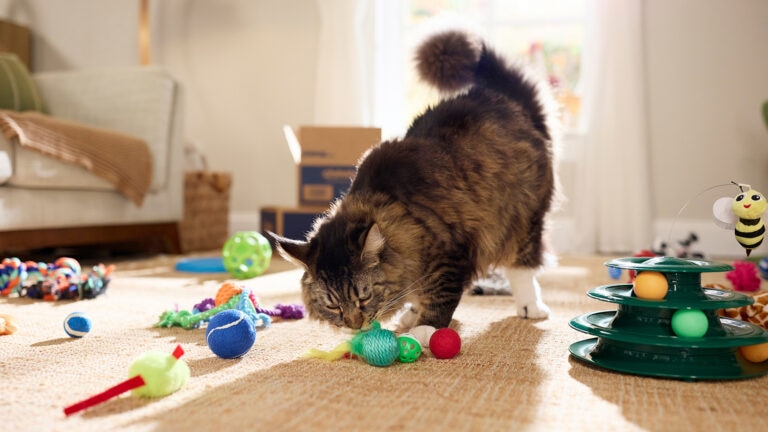
Have you ever noticed your cat quietly tucking away his toys in hidden spots around your home? It might leave you wondering, “Why does my cat hide his toys?” Understanding this curious behavior can give you a deeper insight into your furry friend’s mind and strengthen your bond.
You’ll discover the surprising reasons behind this habit and learn how to respond in a way that makes your cat feel safe and happy. Keep reading to unlock the secrets of your cat’s playful hiding game.

Credit: www.reddit.com
Cat Toy Hiding Behavior
Have you ever found your cat’s favorite toys mysteriously tucked away in odd corners? Cat toy hiding behavior is more common than you might think. This instinctive action reveals a lot about your feline’s personality and natural habits.
Common Hiding Spots
Cats don’t just hide toys anywhere. They choose spots that feel safe and private. You might find toys under the couch, inside closets, behind curtains, or even tucked beneath cushions.
Sometimes, toys end up in less obvious places like shoes or laundry baskets. These spots offer warmth and security, making your cat feel like their treasures are well-guarded.
- Under furniture like sofas and beds
- Inside boxes or paper bags
- Behind curtains or drapes
- In their sleeping areas or cozy corners
- Among your clothing or shoes
When Cats Start Hiding Toys
Not all cats hide toys from the start. You may notice this behavior appear when your cat becomes more attached to certain playthings or feels the need to protect them.
Stress or changes in the environment can also trigger toy hiding. If your cat recently faced a new pet, visitor, or rearranged furniture, they might stash toys to create a sense of control.
Have you seen your cat hide toys after a busy day or during quiet moments? This could be their way of saving fun for later or simply keeping their prized possessions close.

Credit: deziroo.com
Instincts Behind Hiding
Have you ever noticed your cat quietly dragging toys to secret spots around your home? This behavior is more than just play; it’s deeply rooted in your cat’s natural instincts. Understanding why your cat hides his toys can give you a glimpse into his inner world and help you connect with him better.
Hunting And Stashing Instincts
Cats are natural hunters, even if they live indoors and don’t need to catch food. When your cat hides toys, he’s mimicking the way wild cats stash prey to save for later. This behavior helps your cat feel secure and satisfied.
Think about the last time you saw your cat drag a toy under the couch or behind a chair. It’s like he’s protecting his “catch” from other animals. Your cat’s brain is wired to hunt, catch, and store, even if the “prey” is a small stuffed mouse.
Territory Marking
Hiding toys is also a way for cats to mark their territory. Your cat leaves his scent on the toys, then places them in specific spots to claim ownership. This tells other pets, or even you, that these areas belong to him.
You might notice your cat returns to these hiding spots often. This shows the importance of these marked areas in his mental map of your home. Could you try observing where he hides toys to understand his favorite zones better?
Emotional Triggers
Cats hide toys to feel safe and protect their treasures. This behavior links to their natural instincts and emotional needs. Hiding toys offers comfort and control in their environment.
Cats hide their toys for various emotional reasons. Understanding these triggers can help you connect better with your feline friend. Emotional triggers often influence a cat’s decision to stash away its beloved playthings.Stress And Anxiety
Cats can feel stress just like humans. Changes in their environment, new pets, or visitors can unsettle them. During such times, hiding toys can be a coping mechanism. It provides a sense of control and security. Toys become a safe refuge from stressors.Seeking Comfort
Toys often carry a familiar scent that soothes cats. By hiding them, cats create a comforting environment. This behavior is similar to a child’s favorite blanket. The familiar scent of their toys offers reassurance. It helps them feel safe and secure.Play And Attention
Cats hide their toys for reasons connected to play and attention. Play is important for a cat’s happiness and health. Toys are more than objects; they are tools for interaction and bonding. When cats hide toys, they often want to engage with you or seek your notice.
Interactive Play Needs
Cats need active play to stay stimulated. Hiding toys helps them prepare for a fun game. They may hide toys to make the play last longer. It also mimics hunting behavior, which is natural for cats. This act keeps their mind sharp and body active.
Interactive play strengthens the bond between you and your cat. It gives cats a chance to show their instincts. Hiding toys can mean they want you to join the fun. It encourages you to participate in their world.
Getting Your Attention
Cats often hide toys to get your attention. They want you to notice and play with them. This behavior can be a call for affection or interaction. Cats feel happy when you respond to their signals.
Sometimes, hiding toys is a way to say, “Look at me.” They use this to start a game or get petting. Paying attention to these signs helps build trust and friendship. It shows your cat that you care.
Age And Toy Hiding
Understanding how your cat’s age influences their toy-hiding behavior can help you better respond to their needs. Cats of different life stages interact with their toys in unique ways, reflecting their energy levels, instincts, and comfort zones. Observing these changes can give you clues about your cat’s mood and health.
Kittens Vs Adult Cats
Kittens are natural explorers and often hide toys as part of their playful learning process. They might stash toys in small, cozy spots because they’re practicing hunting skills and feeling safe. You may find your kitten dragging toys under furniture or into corners as they test their environment.
Adult cats tend to hide toys with more purpose. This behavior can be linked to their established routines and territory marking. Your adult cat might select specific hiding places that feel secure, showing a mix of playfulness and instinct to save treasures for later.
Senior Cats’ Behavior
As cats age, their energy and playfulness often decrease, but toy hiding can still be a meaningful activity. Senior cats might hide toys closer to their resting areas, seeking comfort and familiarity rather than active play. This change can also indicate a need for reassurance or a way to keep their minds engaged.
If your older cat suddenly stops hiding toys, consider if they are experiencing pain or cognitive changes. You can encourage gentle play by offering soft, easy-to-carry toys near their favorite spots. Have you noticed your senior cat’s toy hiding becoming more subtle or less frequent?

Credit: deziroo.com
How To Respond
Understanding why your cat hides his toys is only part of the puzzle. How you respond can shape his behavior and strengthen your bond. Responding thoughtfully helps your cat feel secure and keeps playtime fun and stress-free.
Encouraging Healthy Play
Offer a variety of toys to keep your cat interested and engaged. Rotate toys regularly to prevent boredom and spark curiosity.
Try interactive play sessions using wand toys or laser pointers. This not only entertains your cat but also stimulates his natural hunting instincts.
If your cat hides toys, join in the game by gently retrieving them and tossing them back. This turns hiding into a playful exchange rather than secretive behavior.
Providing Safe Spaces
Cats hide toys in places they feel safe and comfortable. Make sure your home has quiet corners or cozy spots where your cat can retreat without feeling threatened.
Adding soft bedding or small boxes in these areas can encourage your cat to relax and keep his toys nearby without hiding them out of fear.
Have you noticed your cat choosing certain spots over others? Observe these preferences and respect them by keeping those spaces calm and free from loud noises.
Frequently Asked Questions
Why Does My Cat Hide Toys Indoors?
Cats hide toys to protect their “prey” from others. This behavior mimics hunting instincts. It provides comfort and a safe play environment.
Is Hiding Toys A Sign Of Cat Anxiety?
Hiding toys can indicate mild anxiety or insecurity. Cats may stash toys to feel secure. However, it’s normal behavior for many cats.
Do Cats Hide Toys To Save Them For Later?
Yes, cats often hide toys to save them. This mimics natural behavior of storing food. It shows they value their toys.
Can Hiding Toys Be A Form Of Cat Play?
Absolutely. Hiding toys is part of interactive play. It stimulates their mind and satisfies hunting instincts. It keeps cats entertained and active.
Conclusion
Cats hide their toys for many reasons. It helps them feel safe and in control. This behavior shows their natural hunting instincts. Watching your cat hide toys can be quite amusing. Understanding this habit helps you connect better with your pet.
Giving your cat space and toys can keep them happy. Remember, this is normal and part of their nature. Enjoy these little quirks—they make your cat unique. Keep observing and learning about your furry friend every day.


Leave a Reply