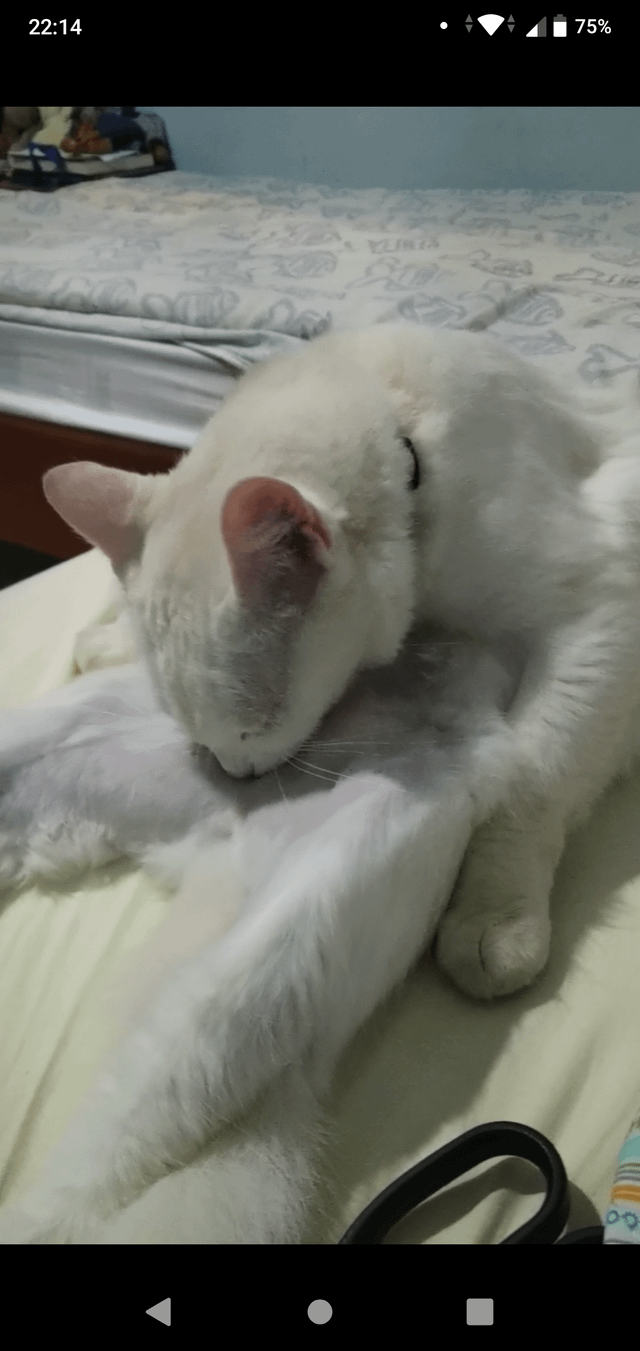
Have you ever caught your cat licking her toy and wondered why she’s doing it? It might seem strange or even funny, but there’s more to this behavior than meets the eye.
Understanding why your cat licks her toy can help you connect with her better and ensure she stays happy and healthy. Keep reading to discover the surprising reasons behind this quirky habit and what it means for your furry friend.

Credit: www.kittyhelpdesk.com
Common Cat Behaviors
Cats have many unique behaviors that often puzzle their owners. One of these is licking their toys, which can seem odd at first. Understanding common cat behaviors can help you see why this action is perfectly natural and even healthy.
Normal Play Actions
When your cat licks her toy, she might be treating it like prey. Cats often bat, bite, and lick toys during play to mimic hunting. This helps them practice instincts in a safe way.
Have you noticed your cat dropping the toy and then picking it up again? This is normal too. It shows she’s engaged and having fun, which is important for her mental and physical health.
Grooming Habits
Licking is a key part of how cats groom themselves. When your cat licks her toy, she could be extending this behavior to objects she finds interesting. It’s a way to explore and feel comfortable with her surroundings.
Sometimes, licking toys helps cats mark their scent. This makes the toy feel familiar and safe. If you see your cat doing this often, it means she feels secure and content in her environment.
Emotional Reasons
Cats show many behaviors to express their emotions. Licking their toys can be one of them. This action often reveals how your cat feels inside. Emotional reasons play a big role in why cats lick toys.
Comfort And Security
Your cat may lick toys to feel safe and calm. Toys often carry familiar smells. These scents remind cats of home and loved ones. Licking helps them hold on to this comfort. It creates a sense of security in their space. This behavior is like a small hug for your cat.
Stress Relief
Licking toys can also help reduce stress. Cats face changes in their environment or routine. These changes can cause anxiety or worry. Licking provides a soothing effect. It helps your cat relax and feel better. This simple act lowers tension and calms their mind.
Scent Marking
Cats lick their toys to leave their scent, marking them as their own. This behavior helps them feel safe and connected to their environment. It’s a natural way to claim ownership and show comfort.
Cats are fascinating creatures. They have unique ways of communicating and interacting with their environment. Scent marking is one of these intriguing behaviors. Cats use scent to claim their territory and communicate with other cats. When your cat licks her toy, she might be marking it with her scent. This behavior helps her feel secure and establishes her presence.How Cats Use Scent
Cats have scent glands all over their bodies. These glands are located on their face, paws, and tail. When they rub or lick objects, they transfer their scent. This scent is a message to other cats. It says, “This is mine.” It also makes the environment feel familiar and safe for your cat.Licking As A Marking Tool
Licking is more than just grooming. It’s a way for cats to mark objects. By licking her toy, your cat leaves her scent on it. This action reassures her. It creates a bond between her and the toy. Her scent on the toy makes it special. It becomes a comfort object, marked as hers.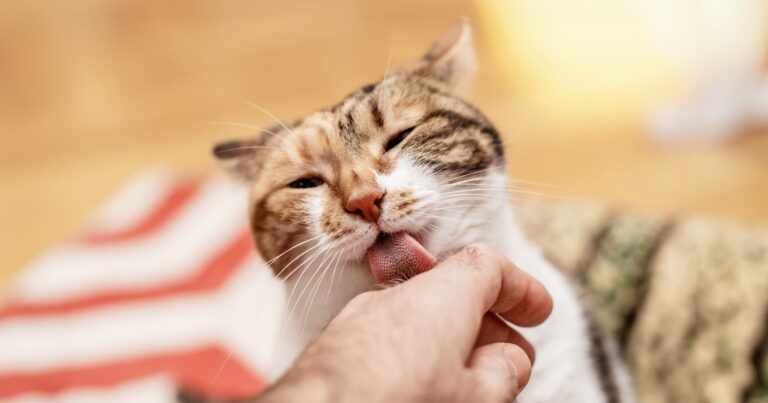
Credit: www.diamondpet.com
Health Factors
When your cat licks her toy frequently, health factors might be at play. This behavior can sometimes signal underlying issues that need your attention. Understanding these health-related reasons helps you ensure your cat’s well-being and comfort.
Oral Health Issues
Has your cat ever licked her toy more than usual while also showing signs of drooling or pawing at her mouth? These could be signs of oral discomfort or dental problems. Cats with gum inflammation, tooth decay, or infections might lick objects to soothe their irritated mouths.
Ignoring oral health can lead to worsening pain and affect your cat’s eating habits. Regular vet check-ups and watching for bad breath or bleeding gums can help catch problems early. Providing dental treats or toys designed to clean teeth might reduce this licking behavior.
Nutritional Deficiencies
Sometimes, licking toys excessively can hint at missing nutrients in your cat’s diet. Cats lacking certain vitamins or minerals might seek out unusual textures or tastes to compensate. For instance, a deficiency in minerals like zinc or calcium could trigger repetitive licking.
Have you reviewed your cat’s food recently? Ensuring a balanced diet with high-quality ingredients can prevent these issues. Discuss with your vet about supplements if you notice persistent licking alongside other signs like lethargy or poor coat condition.
Toy Characteristics
Cats explore their world through touch and taste. The characteristics of a toy can make it very appealing to a cat. Understanding these features helps explain why your cat licks her toy. Toys differ in texture, material, smell, and taste. Each factor plays a role in attracting your cat’s attention and encouraging licking behavior.
Texture And Material
Cats enjoy different textures. Soft, fuzzy toys feel comforting. Rough or rubbery surfaces provide variety and interest. Some cats prefer plush materials that mimic prey. Others like smooth or bouncy toys for chewing.
Materials can be natural or synthetic. Natural fibers like cotton or wool offer a unique feel. Synthetic materials might be scented or flavored. The choice of material affects how much a cat licks a toy. Texture stimulates their senses and satisfies chewing urges.
Smell And Taste
Smell is powerful for cats. Toys with catnip or silvervine release scents that attract cats. These smells encourage licking and biting. Some toys are infused with flavors that taste good to cats.
A toy’s smell may remind a cat of prey or food. This triggers licking as a natural response. Taste can be mild or strong. Cats often lick to explore and enjoy these tastes. Scented and flavored toys keep cats engaged and happy.
When To Worry
Noticing your cat licking her toy can be cute, but when should it raise a red flag? Understanding when this behavior moves from normal to concerning helps you protect your furry friend’s health and happiness. Pay attention to the frequency and context of the licking to decide if it’s time to act.
Excessive Licking Signs
Excessive licking means your cat is licking her toy more than usual or for long periods. If she spends several hours a day doing this, it might indicate stress or an underlying health issue.
Look for signs like:
- Repeated licking that causes wear or damage to the toy
- Redness or irritation on her tongue or lips
- Drooling or difficulty stopping the licking
One cat owner shared how her pet licked a stuffed mouse relentlessly until it was soaked and torn. This behavior coincided with changes at home, like a new pet arriving. It’s a clue that stress or anxiety might be pushing your cat toward excessive licking.
Behavioral Changes
Changes in your cat’s behavior alongside licking can signal a problem. Watch for:
- Loss of interest in other toys or activities
- Withdrawal from family members or playtime
- Changes in eating or grooming habits
Has your cat become unusually quiet or aggressive? Such shifts paired with obsessive licking might mean she needs more than just a new toy.
Ask yourself: Is this licking a symptom of boredom, anxiety, or a medical condition? If the answer leans toward yes, consult your vet to rule out health problems and get advice on managing stress.
Encouraging Healthy Play
Encouraging healthy play helps keep your cat happy and active. Playtime supports mental and physical health. It also reduces stress and prevents boredom. Understanding why your cat licks her toy can guide you in creating better play experiences.
Choosing The Right Toys
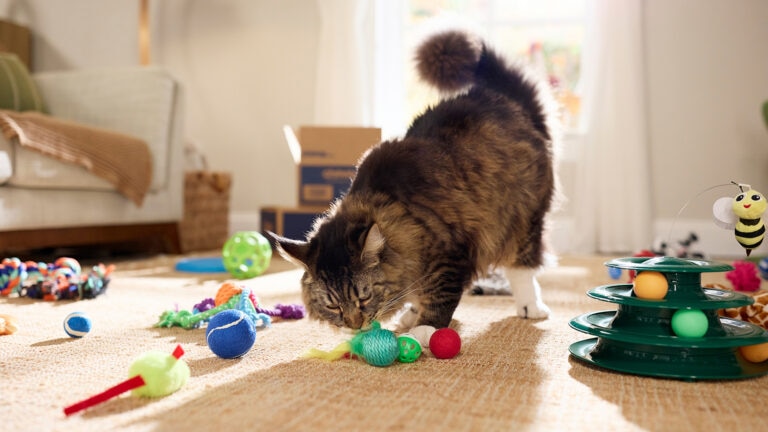
Select toys that fit your cat’s size and play style. Soft toys, feather wands, and small balls often work well. Toys with different textures invite licking and biting. Rotate toys regularly to keep your cat interested. Avoid toys with small parts that could be swallowed.
Creating A Stimulating Environment
Set up a safe space for your cat to play freely. Include climbing posts, tunnels, and scratching pads. Place toys in different spots to spark curiosity. Use interactive toys to engage your cat’s hunting instincts. Play sessions should be short but frequent for best results.
Credit: www.chewy.com
Frequently Asked Questions
Why Does My Cat Lick Her Toy Repeatedly?
Cats often lick toys to mimic grooming or express comfort. It can also signal attachment or play excitement. This behavior is normal and shows your cat’s emotional connection to the toy.
Can Licking Toys Indicate Stress In Cats?
Yes, excessive licking may indicate stress or anxiety. Cats use licking as a soothing mechanism. Observe if your cat shows other stress signs and consult a vet if needed.
Does Licking Toys Help Cats With Teething?
Kittens often lick toys to relieve teething discomfort. This behavior helps soothe sore gums and keeps them entertained. Providing safe chew toys supports healthy development.
Is Licking A Toy A Sign Of Affection In Cats?
Licking can show affection or marking behavior. Cats use saliva to mark belongings as theirs. Your cat may see the toy as part of their territory or feel bonded to it.
Conclusion
Cats lick their toys for many reasons. It could be a way to play or show comfort. Sometimes, cats like the texture or smell of the toy. This behavior is normal and usually harmless. Watching your cat closely helps you understand her better.
Keep her toys clean and safe to enjoy playtime. Most importantly, enjoy these little moments with your furry friend. They show trust and happiness in their own way.

Leave a Reply