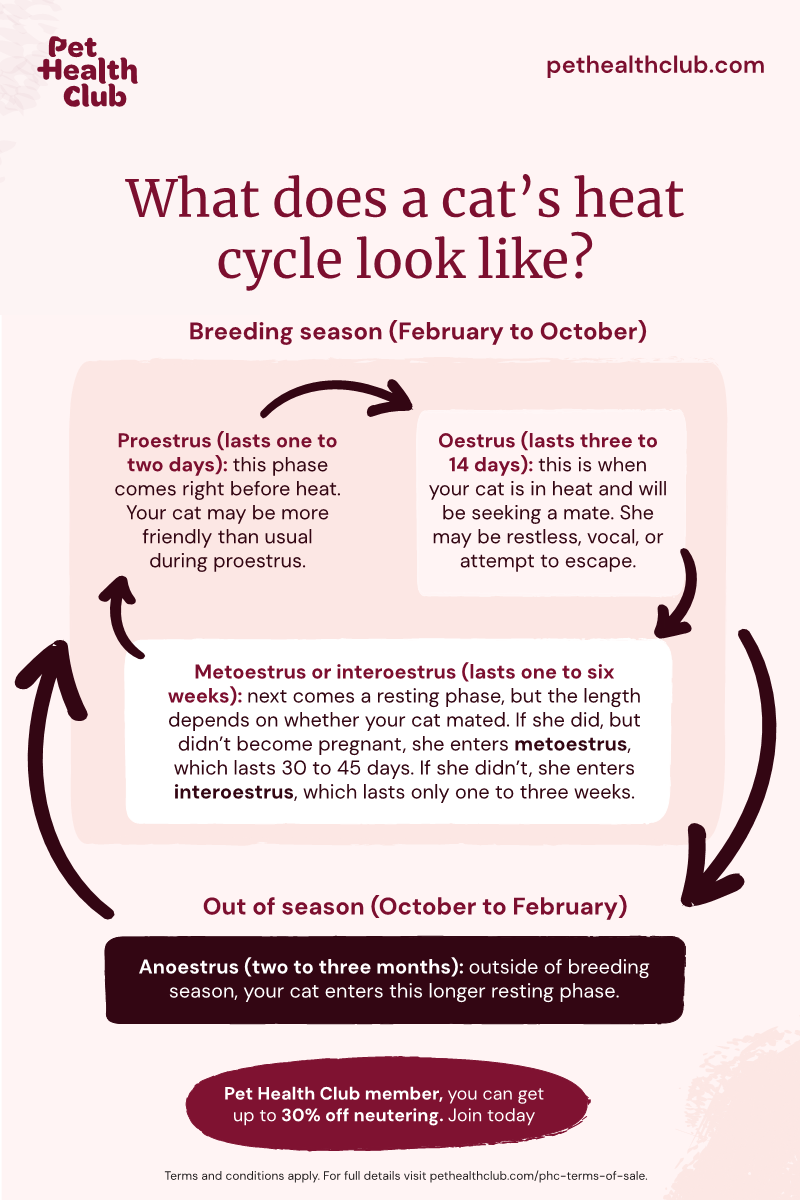
Have you ever wondered if your cat’s behavior changes with the seasons? Maybe you’ve noticed your feline acting restless or more vocal at certain times of the year.
Understanding whether there is a breeding season for cats can help you better care for your pet and prepare for what’s ahead. You’ll discover the surprising facts about when and why cats go into heat, and how this knowledge can make a difference in your cat’s health and happiness.
Keep reading to learn everything you need to know about your cat’s breeding cycle.
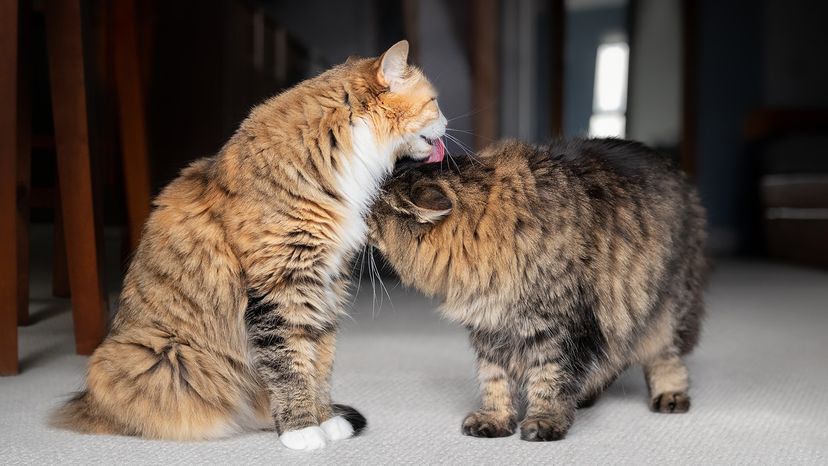
Credit: animals.howstuffworks.com
Cat Reproduction Basics
Cats have unique reproductive traits. Understanding these basics helps in caring for them better. Cat reproduction involves natural instincts and certain biological cycles. Knowing how cats breed and their typical breeding age is important for pet owners and breeders.
How Cats Breed
Cats are seasonal breeders. Female cats, called queens, go into heat multiple times during breeding season. During heat, queens show behaviors like loud meowing and restlessness. Male cats, or toms, detect these signs and become more active.
Breeding happens when the queen is receptive. Mating is quick but can repeat several times. Queens ovulate after mating, which increases chances of pregnancy. After mating, queens often hide and rest as pregnancy begins.
Typical Breeding Age
Most cats reach breeding age between 5 to 12 months. This varies by breed and environment. Small or mixed breeds mature faster, while larger breeds may take longer. Early breeding is possible but not recommended for health reasons.
Female cats can have multiple litters each year. Each pregnancy lasts about 9 weeks. Responsible owners monitor breeding to avoid overpopulation and health risks. Knowing the typical breeding age helps in planning and care.

Credit: www.purina.com
Seasonal Breeding Patterns
Seasonal breeding patterns in cats are fascinating and play a key role in their reproductive behavior. Understanding these patterns can help you better manage your cat’s health and anticipate their needs. Cats do not mate randomly throughout the year; their breeding activity often peaks during specific seasons influenced by environmental factors.
When Cats Usually Mate
Most cats tend to mate during the spring and summer months. This timing ensures that kittens are born when the weather is warmer and food is more abundant, increasing their chances of survival.
Indoor cats might not follow this strict pattern due to consistent lighting and temperature, but outdoor cats generally show clear seasonal breeding behavior. Have you noticed your cat becoming more vocal or restless during certain months? That’s a common sign that the breeding season is near.
Influence Of Daylight And Temperature
Daylight length is a major trigger for a cat’s reproductive cycle. As days get longer in spring, cats experience hormonal changes that prompt them to go into heat.
Temperature also plays a role but is less influential than daylight. Warmer temperatures often coincide with increased daylight, creating the perfect environment for breeding.
- Longer daylight hours increase melatonin production changes, which affect reproductive hormones.
- Shorter, colder days usually suppress these hormonal triggers, reducing mating behavior.
- Indoor lighting can confuse this natural cycle, leading to irregular heat periods.
Have you ever wondered why some cats seem to go into heat multiple times a year while others do not? The environment around them, especially light exposure, might be the key factor.
Indoor Vs Outdoor Cats
Cats living indoors and outdoors show different breeding behaviors. Indoor cats usually have less exposure to natural light changes. This affects their breeding cycles. Outdoor cats experience natural seasons and environmental cues. These cues influence when they mate and have kittens.
Breeding Trends Indoors
Indoor cats can breed any time of the year. Artificial lighting keeps their bodies from sensing seasons. This can cause continuous heat cycles in female cats. Male cats may also be ready to mate throughout the year. Owners often notice kittens born at various times, not just spring or summer.
- Indoor cats may have irregular heat cycles.
- Breeding can happen year-round without seasonal breaks.
- Controlled environments reduce seasonal breeding patterns.
Outdoor Cat Mating Habits
Outdoor cats follow natural breeding seasons. Most mate in spring and early summer. Longer daylight triggers heat cycles in females. Males become more active during this time. Outdoor cats usually rest from breeding in winter months. This seasonality helps kittens survive milder weather.
- Outdoor cats breed mainly in spring and early summer.
- Shorter daylight in winter reduces breeding activities.
- Seasonal breeding helps kittens grow in favorable conditions.
Signs Of Cat Heat Cycles
Recognizing the signs of cat heat cycles helps pet owners understand their cat’s needs. Female cats experience heat cycles multiple times each year. These cycles cause noticeable changes in behavior and body. Observing these signs can prevent unwanted litters and keep cats comfortable.
Behavioral Changes
Cats in heat often act restless and vocal. They may meow loudly and frequently to attract mates. Increased affection is common; cats might rub against people and objects more. Some cats roll on the floor or assume a mating position when petted. Attention-seeking behavior rises, with more pawing or scratching at doors or windows. Many cats become more active, pacing or wandering around more than usual.
Physical Indicators
Physical signs also reveal a cat’s heat cycle. The cat’s vulva may swell and look redder than normal. Clear or slightly bloody discharge might appear. Some cats lick their genital area more often. Tail raising when touched near the rear is a common sign. These physical changes usually last about a week but vary by cat. Monitoring these indicators helps identify the heat phase clearly.
Factors Affecting Breeding Season
The breeding season for cats varies widely. Different factors influence when cats go into heat and can reproduce. Understanding these factors helps in predicting breeding times and managing cat populations effectively.
Geographic Location
Geographic location plays a big role in cat breeding seasons. Cats in warmer climates may breed year-round. In colder regions, breeding is often limited to spring and summer. Light exposure affects hormonal changes in cats. Longer daylight hours trigger heat cycles. Urban cats might experience irregular breeding due to artificial light. Rural cats rely more on natural light patterns.
Breed Differences
Different cat breeds show different breeding behaviors. Some breeds have distinct breeding seasons. Others can breed throughout the year without breaks. Domestic shorthairs often follow natural seasonal patterns. Siamese and other tropical breeds tend to breed continuously. Breed genetics affect heat cycle length and frequency. Knowing breed traits helps owners anticipate breeding times.
Managing Cat Breeding
Managing cat breeding is key to keeping cats healthy and communities safe. Cats can reproduce quickly, causing many unplanned litters. This situation can stress shelters and lead to many homeless cats. Responsible breeding management helps control the cat population and improves their quality of life.
Spaying And Neutering Benefits
Spaying and neutering cats have many health and behavior benefits. These surgeries stop cats from having kittens. They also reduce the risk of certain cancers and infections.
- Lower chance of uterine and breast cancer in females
- Reduced risk of testicular cancer in males
- Less aggressive behavior and fewer fights
- Decrease in roaming and marking territory
Spaying and neutering also help pets live longer, healthier lives. These procedures are safe and common in veterinary care.
Controlling Unplanned Litters
Unplanned litters can overwhelm pet owners and shelters. Controlling breeding limits the number of stray and abandoned cats. This control keeps cat populations balanced in neighborhoods.
Some ways to control unplanned litters include:
- Spaying and neutering pets before they reach breeding age
- Keeping cats indoors or supervised outside
- Using humane traps to catch and sterilize feral cats
- Educating communities about responsible pet care
These steps reduce unwanted kittens and improve cats’ wellbeing. They also help people share the responsibility of pet care.
Common Myths About Cat Breeding
Cats are fascinating creatures with unique breeding habits that often spark curiosity and misconceptions. Many people hold beliefs about cat breeding that are not entirely true. These myths can lead to misunderstandings about how and when cats breed, and can even affect how you care for your feline friends.
Debunking False Beliefs
One common myth is that cats only breed during certain seasons. This isn’t entirely accurate. While there are peak times, cats can actually go into heat at various times throughout the year, especially if they live indoors and are exposed to artificial light.
Another misconception is that all female cats will have the same number of kittens in each litter. In reality, the number of kittens can vary based on the cat’s age, health, and breed. I’ve had a cat that delivered just two kittens, while another had six, defying this common belief.
Some people believe that allowing a cat to have one litter before spaying is beneficial for her health. This is false. Veterinary experts actually recommend spaying before the first heat to prevent potential health issues.
What Science Says
Scientific research provides clarity on cat breeding patterns. Cats are known as “seasonally polyestrous,” meaning they can have multiple cycles during a breeding season. These cycles can be influenced by environmental factors like daylight exposure.
Studies show that indoor cats, exposed to artificial lighting, can experience heat cycles throughout the year. This means that unlike outdoor cats who are more influenced by natural light, indoor cats might not follow a strict breeding season.
Understanding these scientific insights can help you manage your cat’s health more effectively. If your cat seems to be in heat frequently, consulting with a veterinarian can provide guidance tailored to your specific situation.
Have you noticed any unusual breeding behaviors in your cat? Observing and understanding these patterns can deepen your bond and improve their care.

Credit: dremmanuelfontaine.com
Frequently Asked Questions
When Is The Cat Breeding Season?
Cats typically breed during spring and summer when daylight increases. This period stimulates female cats to enter heat cycles, making it the prime breeding season for most cats.
Do Indoor Cats Have A Breeding Season?
Indoor cats can experience breeding cycles year-round due to artificial lighting. Unlike outdoor cats, they are less affected by natural daylight changes, causing more frequent heat cycles.
How Long Does A Cat’s Breeding Season Last?
A cat’s breeding season lasts from early spring to late summer. During this time, female cats may go into heat every two to three weeks if not bred.
Can Cats Breed All Year Round?
Yes, especially indoor cats or those in warm climates. Artificial light and steady temperatures can cause cats to breed throughout the year.
Conclusion
Cats do have a breeding season, usually in spring and summer. Female cats go into heat multiple times a year. This cycle helps them find mates and have kittens. Knowing this helps pet owners manage their cats better. Spaying and neutering can prevent unwanted litters.
It also keeps cats healthier and calmer. Understanding cat breeding seasons supports responsible pet care. Keep your cat safe and happy by learning about their natural cycles.

Leave a Reply