Have you ever wondered just how many different types of domestic cats exist? If you’re a cat lover or simply curious, knowing the variety of breeds can surprise you.
From fluffy to sleek, each breed has its own unique charm and personality. You’ll discover the exact number of distinct domestic cat breeds and what makes each one special. Keep reading—you might find your next feline friend among them!
Cat Breed Classification
Understanding how cat breeds are classified helps you appreciate the diversity you see in domestic cats. Classification depends on several factors, including breed characteristics and official recognition by cat organizations. This system helps breeders, owners, and enthusiasts identify and celebrate the unique traits of each breed.
Recognized Cat Registries
Several major cat registries worldwide set the official standards for cat breeds. These organizations decide which breeds are recognized and maintain breed registries. The most influential ones include:
- The Cat Fanciers’ Association (CFA)– Known for recognizing around 44 breeds, the CFA is popular in the United States and focuses on show-quality cats.
- The International Cat Association (TICA)– TICA recognizes over 70 breeds and is known for its inclusive approach, sometimes accepting new or experimental breeds.
- The Fédération Internationale Féline (FIFe)– A European-based registry recognizing around 48 breeds, FIFe emphasizes consistency across international cat shows.
Each registry has slightly different lists and criteria, meaning the total number of recognized breeds can vary depending on which registry you reference. This shows how classification is not always straightforward, and your favorite breed might not be recognized everywhere.
Breed Standards And Criteria
Breed standards are detailed descriptions that define the ideal characteristics of a cat breed. These include physical traits such as size, coat color, and eye shape, as well as personality and behavior. Standards act as a guide for breeders and judges during cat shows.
For instance, the Siamese breed is known for its slender body, blue almond-shaped eyes, and short coat with distinct color points on the ears, face, paws, and tail. The standard specifies these traits clearly to maintain breed consistency.
Have you ever wondered why your cat’s coat or personality differs from others of the same breed? Small variations are common because genetics can be unpredictable, and not every cat perfectly fits the standard. This flexibility allows for a rich variety within breeds while still maintaining recognizable traits.
Number Of Recognized Breeds
The number of recognized breeds of domestic cats may surprise you. It varies depending on which cat association you follow. These organizations set the standards and decide what counts as a distinct breed.
Understanding the number of recognized breeds helps you appreciate the diversity in the feline world. It also guides you if you’re considering adopting or showing a cat. The count is not fixed and can change as new breeds emerge and gain acceptance.
International Cat Associations
Several major international cat associations recognize different numbers of breeds. The Cat Fanciers’ Association (CFA)recognizes about 45 breeds. Meanwhile, the International Cat Association (TICA)recognizes more than 70 breeds.
These organizations have their own criteria for breed recognition. Some focus on genetic distinctiveness, while others emphasize physical traits and temperament. This means a breed recognized by one association may not be recognized by another.
Have you ever wondered why these differences exist? It often comes down to the history and region of each association. For example, CFA is based in the United States, while TICA operates globally, leading to varied breed acceptance.
Popular Breeds Worldwide
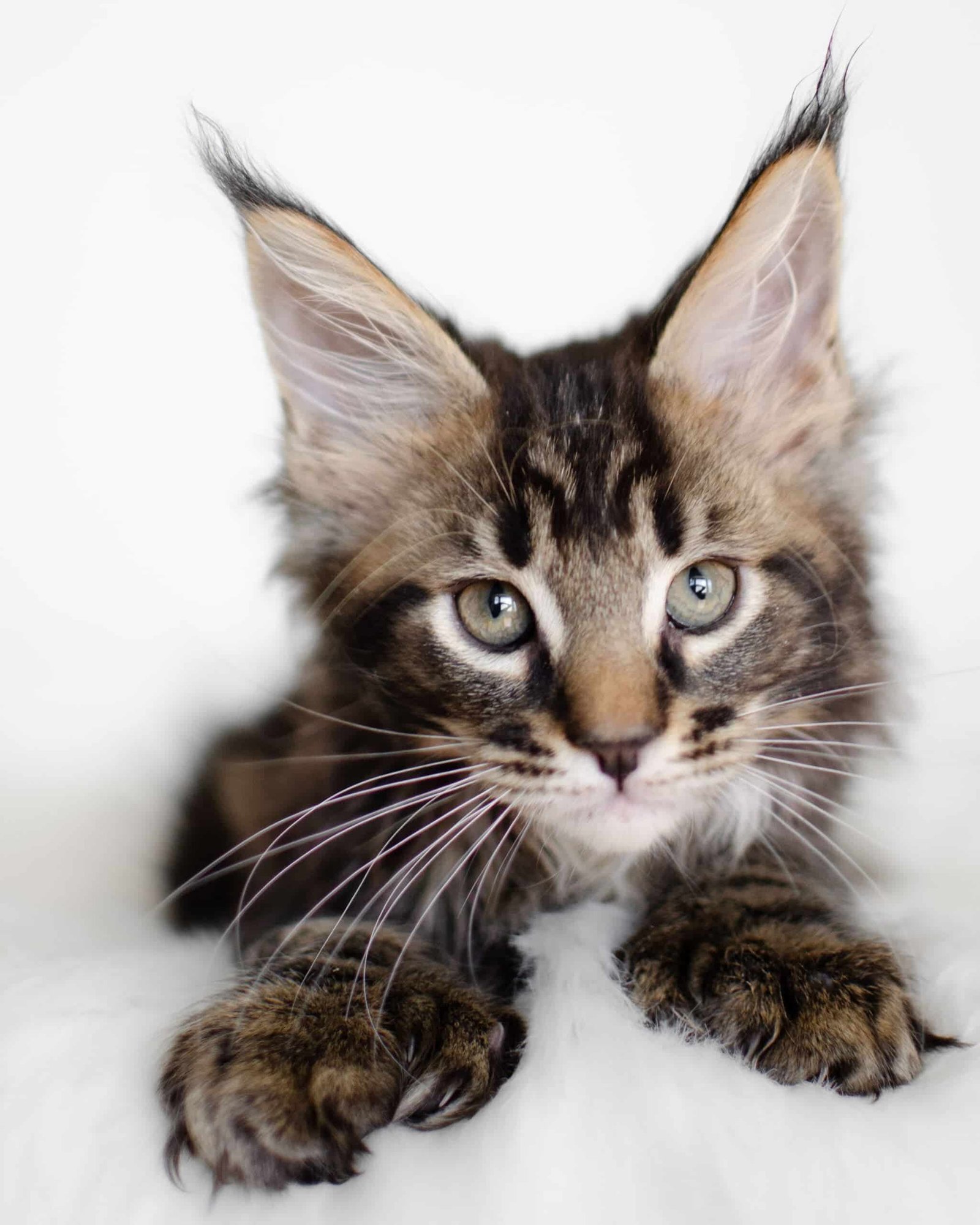
Despite the varying total number of breeds, certain breeds are popular everywhere. The Siamesecat is famous for its striking blue eyes and vocal nature. The Maine Coonis loved for its large size and friendly personality.
Other widely loved breeds include the Persian, known for its long, luxurious fur, and the Bengal, which sports a wild, leopard-like coat. These breeds often appear in households across many countries.
- Siamese – vocal and affectionate
- Maine Coon – gentle giant
- Persian – calm and fluffy
- Bengal – active and wild-looking
What traits matter most to you when choosing a cat breed? Considering these popular breeds might help you find a perfect match for your lifestyle and personality.
Types Of Cat Breeds
Cats come in many shapes, sizes, and furs. Cat breeds are often grouped by their coat type. This classification helps cat lovers understand their feline friends better. Here, we explore different types of cat breeds based on their fur.
Short-haired Breeds
Short-haired cats are easy to groom. They shed less fur than long-haired cats. Popular short-haired breeds include:
- American Shorthair
- Bengal
- Siamese
These cats are often energetic and playful. They require less brushing.
Long-haired Breeds
Long-haired cats have beautiful, flowing coats. They require regular grooming to prevent tangles. Common long-haired breeds are:
- Persian
- Maine Coon
- Ragdoll
These cats are usually calm and enjoy cuddles. Their luxurious coats need extra care.
Hairless Breeds
Hairless cats are unique. They have no fur, which means no shedding. The most famous hairless breed is the Sphynx. These cats feel warm to the touch. They require regular baths to remove skin oils.
Hairless cats often crave warmth. They love snuggling with their humans.

Credit: m.youtube.com
Factors Affecting Breed Recognition
Recognizing distinct cat breeds depends on several key factors. These factors shape how breeds are identified, classified, and accepted worldwide. Breed recognition affects cat shows, breeding programs, and pet ownership.
Understanding these factors helps explain why the total number of recognized breeds varies. Some breeds gain official status quickly, while others take years to be acknowledged. Breed recognition also depends on genetic traits, regional preferences, and ongoing breeding efforts.
New Breed Development
New cat breeds form through selective breeding. Breeders focus on specific traits like coat color, pattern, or body shape. This process takes many generations to stabilize the breed’s look.
Once a breed shows consistent traits, breeders apply for official recognition. Organizations review the breed’s history, genetics, and standards. This step can delay recognition.
Genetic Diversity
Genetic diversity influences breed recognition significantly. Breeds with unique genetic markers stand out. Genetic tests help verify these differences.
Low genetic diversity may cause breeds to blend with others. This blending makes it harder to define clear breed boundaries. Maintaining genetic health is vital for breed longevity.
Regional Variations
Different regions recognize breeds differently. Some breeds are popular in one country but rare elsewhere. Regional cat clubs may have unique standards.
Climate, culture, and history affect breed popularity. These variations impact which breeds gain recognition locally or internationally. Understanding regional differences explains the variety in breed lists.
Rare And Emerging Breeds
Discovering rare and emerging breeds of domestic cats can be exciting for any cat lover. These breeds often bring unique traits and stories that add to the rich tapestry of feline diversity. You might find yourself drawn to a new breed that perfectly fits your lifestyle or sparks your curiosity.
Recently Recognized Breeds
Recently recognized breeds have gained official status from cat associations after meeting specific standards. These cats often come with distinct features or behaviors that set them apart from more common breeds.
- Lykoi: Known as the “werewolf cat,” it has a unique sparse coat and striking facial appearance.
- Kurilian Bobtail: Famous for its bobbed tail and muscular build, this breed is known for being playful and intelligent.
- Bambino: A breed with short legs and a hairless body, combining the traits of the Sphynx and Munchkin cats.
These breeds are becoming more popular but still remain relatively rare. Have you ever met a Lykoi or Bambino in person? Their unusual looks can make you rethink what a domestic cat can be.
Breeds Under Consideration
Some breeds are still under consideration by official cat registries. These cats show promise but need more time and breeding consistency to be fully recognized.
- Highlander: A large, energetic cat with curled ears and a wild appearance, currently gaining attention.
- Dwelf: A small, hairless breed with curled ears and short legs, blending traits from several breeds.
- Colorpoint Shorthair Variants: Expanding beyond traditional color points, these variants are under review.
Are you curious about what makes a breed ready for official recognition? It’s a mix of genetics, temperament, and breed standards. Following these emerging breeds can give you an edge if you want to own one before they become mainstream.

Credit: www.rd.com
Differences Between Breeds
Domestic cat breeds vary widely, not just in looks but also in personality and health. Understanding these differences can help you choose the right cat for your lifestyle. Let’s break down what sets each breed apart and what you should keep in mind before bringing one home.
Physical Characteristics
Cat breeds differ greatly in size, coat type, and color patterns. Some, like the Maine Coon, are large and muscular with long fur, while others such as the Siamese are slender with short coats.
Pay attention to features like ear shape, tail length, and eye color. For instance, the Scottish Fold’s unique folded ears give it a distinctive look. These traits aren’t just for show—they can affect grooming needs and how your cat handles different climates.
Temperament Traits
Not all cats have the same personality. Some breeds, like the Ragdoll, are known for being calm and affectionate, often going limp when held. Others, such as the Abyssinian, are highly active and curious, needing plenty of stimulation.
Think about how much interaction and playtime you can provide. Would you prefer a cat that enjoys cuddling or one that’s more independent? Matching your energy to your cat’s can lead to a happier home.
Health Considerations
Each breed has its own health risks. Persian cats, for example, may suffer from respiratory issues due to their flat faces. Meanwhile, Bengals tend to have fewer genetic problems but need more exercise to avoid obesity.
Knowing these risks early helps you plan for vet visits and care routines. Are you prepared to handle breed-specific health needs? Being informed can save you stress and ensure your cat lives a long, healthy life.
Finding The Right Breed
Choosing the right cat breed makes a big difference in your experience. Each breed has unique traits that fit different homes. Understanding these traits helps find a cat that matches your life and personality. This guide explores key points to consider before adopting.
Lifestyle Compatibility
Consider your daily routine and home environment. Some breeds need lots of attention and playtime. Others are more independent and quiet. Think about:
- How much time you spend at home
- Whether you have children or other pets
- The size of your living space
- Activity level you prefer in a pet
Matching a breed to your lifestyle can lead to a happier pet and owner.
Care Requirements
Different breeds need different care. Some cats shed a lot and need daily brushing. Others require special diets or regular health checks. Consider:
- Grooming needs
- Feeding habits
- Exercise and playtime
- Possible health issues common to the breed
Knowing care needs helps you prepare and provide the best for your cat.
Adoption Tips
Visit shelters and rescue groups to meet cats in person. Talk to staff about each cat’s personality and history. Remember:
- Ask about the cat’s behavior with people and pets
- Check if the cat has any medical needs
- Spend time playing or cuddling before deciding
- Be patient and open to different breeds
Adopting a cat is a rewarding experience when you choose the right fit.

Credit: www.youtube.com
Frequently Asked Questions
How Many Domestic Cat Breeds Exist Worldwide?
There are approximately 70 to 75 recognized domestic cat breeds worldwide. Different cat associations may recognize varying numbers. These breeds differ in size, coat type, color, and personality traits, offering diverse options for cat lovers globally.
Which Cat Breed Is The Most Popular Globally?
The Domestic Shorthair is the most common and popular cat breed worldwide. Known for its adaptability and friendly nature, this breed suits many households. Its diverse colors and low maintenance make it a favorite among pet owners.
How Are New Cat Breeds Officially Recognized?
New cat breeds are recognized through cat associations like CFA and TICA. Breeders must meet specific standards and show consistent traits over generations. Official recognition involves a formal process including registration, breeding programs, and acceptance by cat fancier organizations.
Do All Cat Breeds Have Unique Health Concerns?
Yes, many cat breeds have specific health issues linked to their genetics. For example, Persians often face respiratory problems, while Maine Coons may have heart disease. Knowing breed-specific health risks helps owners provide better care and early treatment.
Conclusion
Domestic cats come in many different breeds and types. Each breed has unique traits and looks. Knowing about these breeds helps you appreciate cats more. Some breeds are rare, while others are common worldwide. The variety makes cats interesting and fun pets.
Whether you love fluffy or short-haired cats, there’s a breed for you. Exploring cat breeds can be a joyful experience. It shows how diverse and special domestic cats really are.

Leave a Reply