
Have you ever wondered why northern breeds of cats are so much bigger than the ones you usually see? If you’ve noticed their impressive size and wondered what makes them different, you’re not alone.
These cats aren’t just big by chance—they carry unique traits shaped by their cold, harsh environments. Understanding why these feline giants grew so large can change the way you see cats forever. Keep reading, and you’ll discover surprising facts about their history, survival skills, and the science behind their size that might just amaze you.
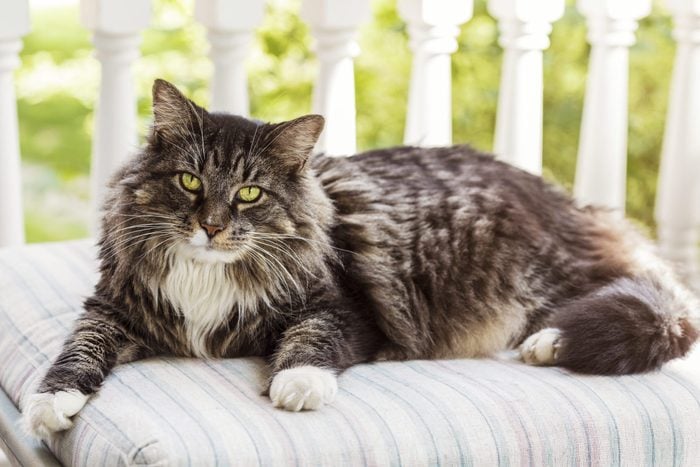
Credit: www.rd.com
Northern Cat Breeds
Northern cat breeds have adapted to some of the coldest environments on Earth. Their size and build are not just random traits but carefully shaped by nature to help them survive harsh winters. If you’ve ever met a Maine Coon or a Norwegian Forest Cat, you know these cats stand out—not just because they’re big but because they carry a history of resilience and strength.
Common Northern Breeds
- Maine Coon:Known as one of the largest domestic cat breeds, the Maine Coon boasts a thick, water-repellent coat and tufted ears. Its size helps retain heat and navigate snowy landscapes.
- Norwegian Forest Cat:This breed has a dense undercoat and a rugged build, perfect for climbing and hunting in cold, forested areas.
- Siberian Cat:Native to Russia, this breed combines power and agility with a fluffy triple-layered coat that keeps it warm in freezing temperatures.
Physical Characteristics
These northern cats share common physical traits that make them larger than most other breeds. Their bodies are muscular and sturdy, which helps them conserve heat and maintain strength in cold climates.
Notice their thick fur coats, often layered with a dense undercoat and a longer, water-resistant topcoat. This natural insulation is key to surviving icy weather.
Additionally, their bushy tails and tufted ears aren’t just for show—they protect against frostbite and help shield sensitive areas from the cold. When you see these features, you’re looking at nature’s smart design for survival.
Climate Influence
Climate plays a key role in why northern cat breeds grow larger. These cats evolved in cold regions with harsh winters. Their bodies adapted to survive and stay warm. Size helps them reduce heat loss and protect vital organs.
The cold environment shaped their physical traits over many generations. Larger body mass helps conserve heat. Their thick fur adds extra insulation. Both factors work together to keep these cats warm in freezing temperatures.
Cold Weather Adaptations
Northern cat breeds have strong, muscular bodies. This helps them stay active in snow and ice. Their larger size reduces surface area relative to volume. This lowers heat loss through the skin.
Shorter ears and tails are common. These features prevent heat from escaping. Their paws are wide and furry, acting like snowshoes. This helps them walk on snow without sinking.
Fur Density And Insulation
Dense fur is a hallmark of northern cats. Their double-layered coats trap warm air close to the skin. The undercoat is soft and thick for insulation. The outer coat repels moisture and wind.
Seasonal changes affect fur length and density. Winter coats grow thicker and longer. This natural insulation keeps body heat inside. It also protects from cold winds and wet snow.
Evolutionary Factors
Northern breeds of cats are known for their impressive size. This is not just a coincidence. Evolutionary factors play a significant role in this phenomenon. These cats have developed unique traits over time to adapt to their environments. Let’s explore how natural selection and survival advantages have shaped their size.
Natural Selection And Size
Natural selection has influenced the size of northern cat breeds. In cold climates, larger body size aids in heat retention. This helps them survive harsh winters. Smaller cats lose body heat more quickly. Thus, larger cats had a survival edge and passed on their genes. Over generations, this led to bigger cats becoming more common in northern areas.
Survival Advantages
Larger northern cats have several survival advantages. First, they can hunt larger prey. This provides more food in one catch. A bigger cat also intimidates rivals and predators. This reduces the likelihood of conflicts. Finally, their size offers physical resilience. They can withstand harsh weather and injuries better than smaller cats.

Credit: www.aol.com
Diet And Nutrition
Northern breeds of cats have adapted to harsh climates with unique dietary needs. Their size is closely linked to what they eat and how much energy they get from food. Strong bodies need strong nutrition, especially in cold environments. Their diet helps them stay warm and active.
Prey Availability
In northern regions, cats eat a variety of prey. Small mammals like rodents and birds are common targets. These animals provide essential proteins and fats. The abundance of prey allows cats to consume enough calories to grow larger. Hunting tough prey builds muscle and strength.
High-calorie Diets
Northern cats need high-calorie diets to survive cold weather. Fat and protein-rich food fuels their body heat and energy. Their metabolism burns calories fast to keep them warm. Eating more calories supports their bigger size and thick fur. This diet helps them stay healthy and strong all year.
Genetic Traits
Genetic traits play a crucial role in determining why Northern breeds of cats tend to be larger than their counterparts. These traits are deeply embedded in their DNA, shaped over centuries to help them survive in harsh, cold climates. Understanding these genetic factors can give you insight into how size and strength are not just random but a result of specific inherited characteristics.
Breed-specific Genes
Each Northern cat breed carries unique genes that influence their size and build. For example, the Maine Coon has genes that promote a robust bone structure and dense muscle mass. These genes help the cat endure cold weather by preserving body heat and providing strength.
Other breeds like the Norwegian Forest Cat have genes that encourage thick, water-resistant fur and a larger frame. These traits are essential for climbing and hunting in snowy forests. Have you noticed how these cats often look like little hunters ready for winter? That’s no accident—it’s genetics at work.
Inheritance Patterns
Size traits follow specific inheritance patterns that determine how traits pass from parents to kittens. Often, multiple genes work together to influence growth, making it a complex process. This means if you have a big Maine Coon mom and dad, you’re likely to get big kittens, but smaller offspring can still appear because of genetic variation.
Interestingly, some size-related genes are dominant, meaning they show up more often in kittens. Others are recessive and might hide for generations, only to appear unexpectedly. This explains why even in a litter of large Northern breed cats, you might find a smaller sibling. Does this genetic lottery surprise you?
Human Influence
The size of Northern breeds of cats is not just a matter of genetics or climate; human influence plays a significant role too. Over centuries, people have shaped these cats, guiding their physical traits to suit particular needs or preferences. Understanding this impact helps you see why these cats stand out with their impressive size.
Selective Breeding
Humans have selectively bred Northern cats to emphasize traits like strength, endurance, and size. These qualities were useful for survival in harsh, cold environments, where bigger bodies help retain heat. Breeders often chose the largest, strongest cats to mate, passing on these size traits to future generations.
You might wonder how this selective process compares to natural evolution. Unlike nature’s slow and random changes, selective breeding is intentional and faster. It’s like having a clear goal: a robust, large cat that can thrive in northern climates.
Domestication Impact
Domestication itself influences size. When cats live with humans, they rely less on hunting and more on provided food. This abundance of nutrition can lead to larger growth compared to wild counterparts.
Also, human care reduces risks like starvation and injury, allowing cats to reach their full size potential. Have you noticed how pets often grow bigger and healthier than feral animals? This is a direct result of domestication and consistent care.
Comparisons With Other Breeds
Northern breeds of cats stand out for their large size and robust build. Comparing them with other cat breeds highlights the unique traits that help them thrive in colder climates. Their size and behavior are shaped by nature and survival needs.
Size Differences
Northern cats are generally larger than many other breeds. Their bodies are muscular and dense, helping them keep warm. For example, breeds like the Maine Coon or Norwegian Forest Cat often weigh 15 to 25 pounds. In contrast, common domestic cats weigh between 8 and 12 pounds.
Their larger size also means they have thicker fur and bigger paws. These features work like natural insulation and snowshoes. Smaller breeds usually have shorter fur and slimmer bodies, which suit warmer climates better.
Behavioral Traits
Northern cats tend to be calm and patient. Their behavior reflects the need to conserve energy in cold environments. They often enjoy quiet, cozy spaces rather than constant activity.
Other breeds may be more playful or active. Tropical or desert cats often show higher energy levels and quicker movements. Northern breeds adapt by being more reserved and less restless.
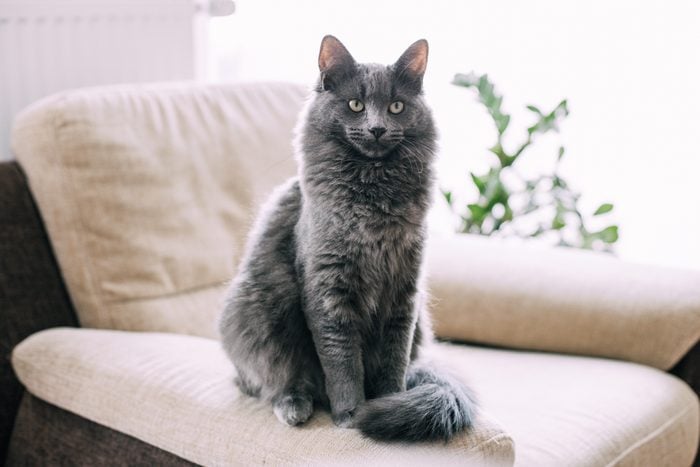
Credit: www.rd.com
Frequently Asked Questions
Why Are Northern Cat Breeds Larger In Size?
Northern cat breeds are larger due to cold climates. Bigger bodies retain heat better. This adaptation helps them survive harsh winters. Their thick fur and strong muscles support their size and warmth needs.
How Does Cold Climate Affect Cat Size?
Cold climates favor bigger animals with more body mass. Larger size reduces heat loss and conserves energy. Northern cats evolved to have dense fur and bigger frames to stay warm and active in freezing temperatures.
What Breeds Are Considered Northern Cats?
Common northern breeds include Maine Coon, Norwegian Forest Cat, and Siberian Cat. These cats have large bodies, thick fur, and strong builds. They are adapted to cold environments with features that aid survival.
Do Northern Cats Have Special Fur Types?
Yes, northern cats have dense, water-resistant double coats. Their undercoat traps heat, while the outer coat repels moisture. This fur protects them from snow, wind, and freezing temperatures effectively.
Conclusion
Northern cat breeds grow big to survive cold climates well. Their large size helps keep heat inside their bodies. Thick fur and strong muscles also protect against harsh weather. These traits come from generations living in snowy, cold places. Big paws act like snowshoes, making it easier to walk on snow.
Understanding why these cats are large shows how nature shapes animals. Their size is not random but a smart way to live. This makes northern breeds unique and fascinating to many cat lovers.

Leave a Reply