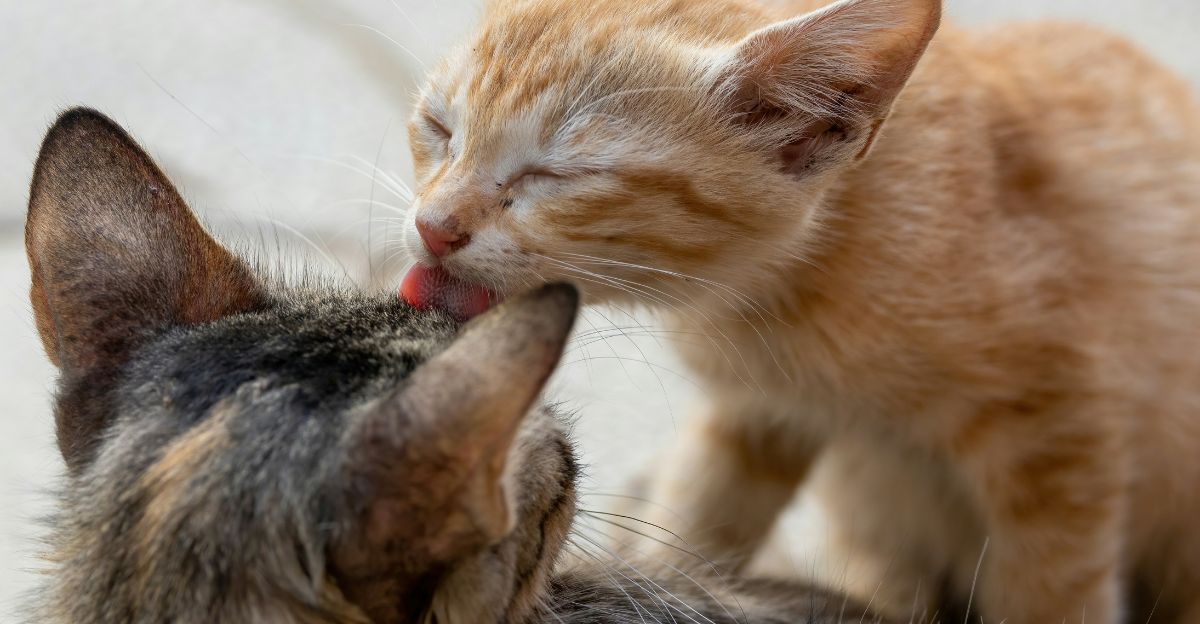
Have you ever watched a mother cat gently licking her kittens and wondered why she does it? It’s more than just keeping them clean.
When cats groom their kittens, they are doing something truly special that affects their health, comfort, and even their bond. If you want to understand what’s behind this natural behavior and how it shapes your furry friend’s early life, keep reading.
You’ll discover surprising reasons that might change the way you see your cat and her little ones forever.
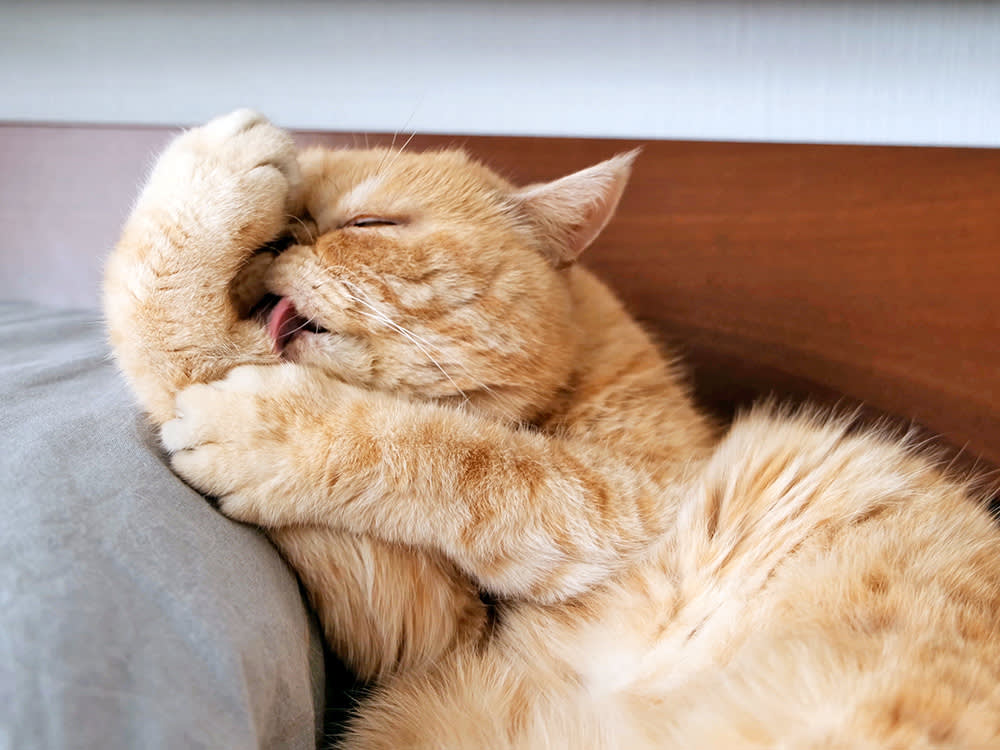
Credit: www.kinship.com
Mother Cat’s Role
The mother cat plays a crucial role in the early life of her kittens. Grooming is not just about keeping them clean; it’s a key part of how she cares for and raises them. You might have noticed how a mother cat’s gentle licking comforts her kittens and keeps them healthy. Let’s explore how this simple act of grooming supports their growth and well-being.
Bonding Through Grooming
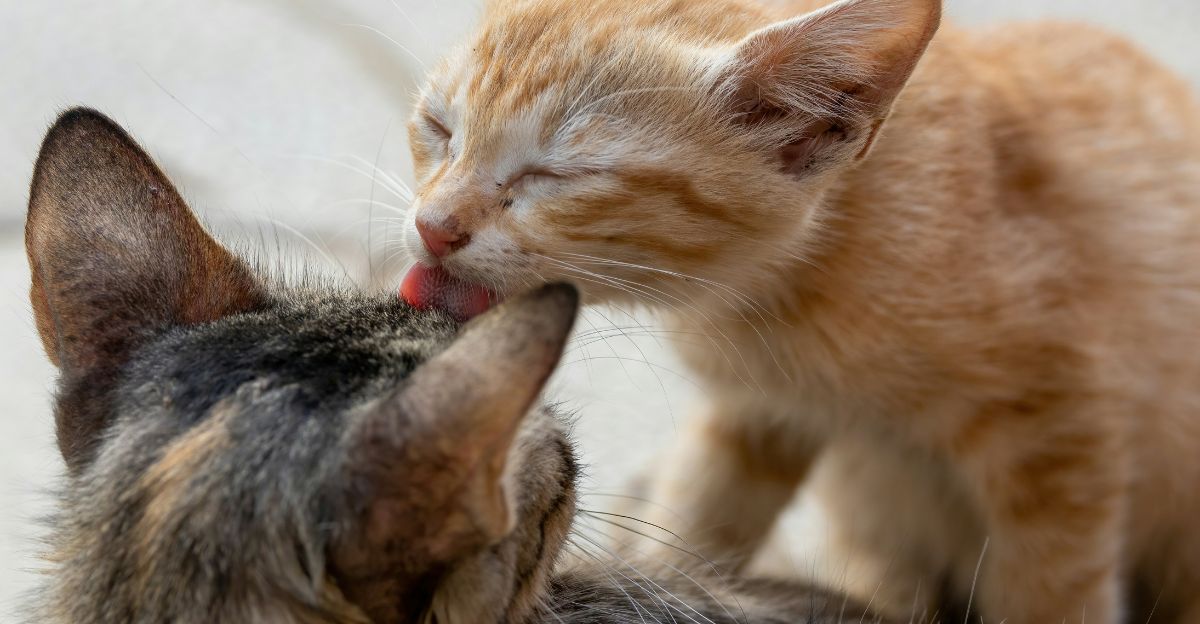
Grooming helps create a strong bond between the mother cat and her kittens. Each lick reassures the kittens, making them feel safe and loved. This connection is essential for their emotional security and helps reduce stress for both mother and kittens.
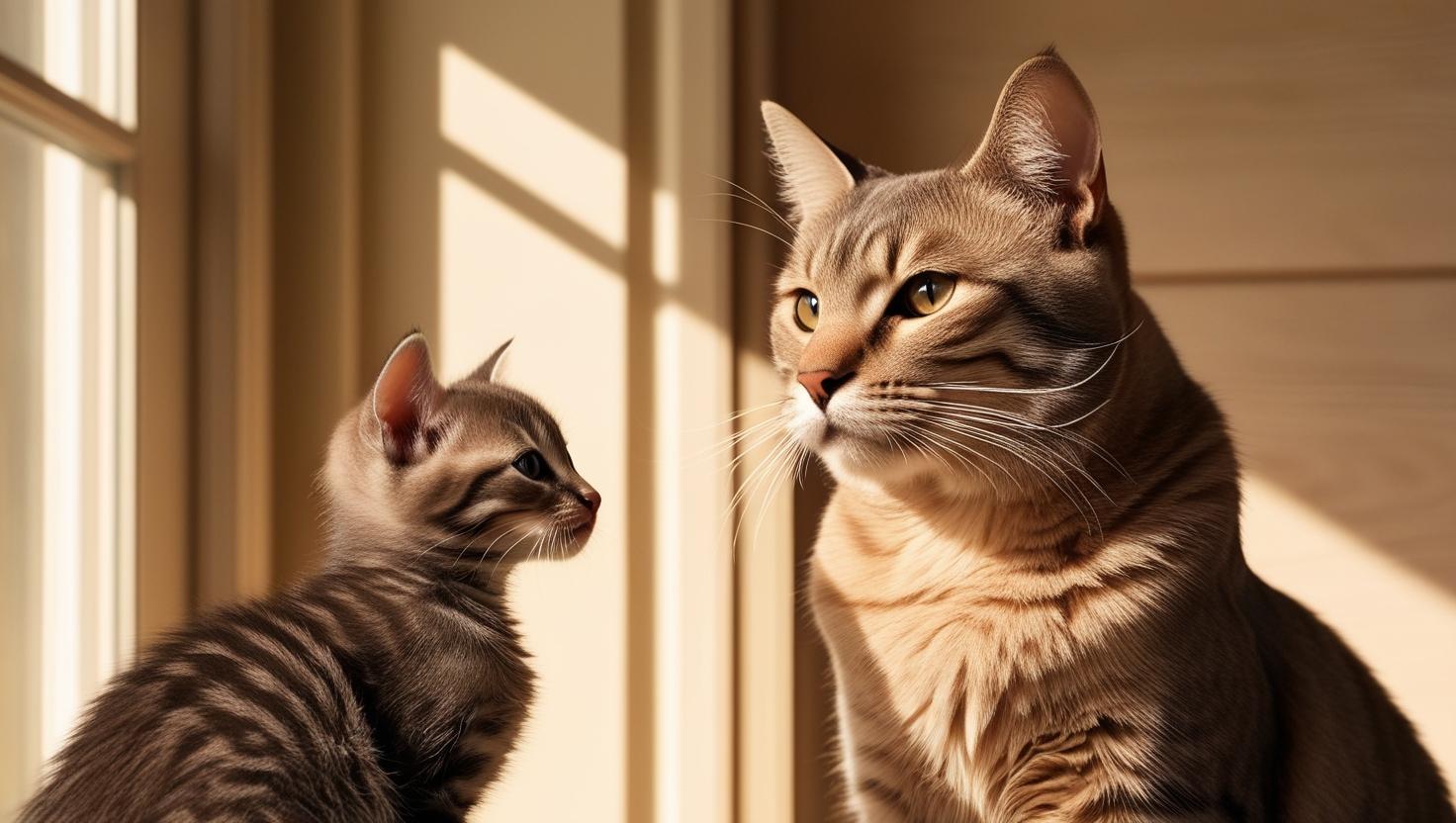
Have you ever watched a mother cat pause her grooming to make eye contact with her kittens? That moment builds trust. It’s a reminder that grooming is more than hygiene—it’s a way to communicate affection and care.
Stimulating Kitten Development
Beyond comfort, grooming stimulates important physical development in kittens. The mother’s licking encourages circulation and helps activate their bodily functions like digestion and urination. Without this stimulation, very young kittens might struggle to survive.
This natural care teaches you the importance of attention to detail when caring for newborn animals. If you’ve ever cared for an orphaned kitten, you know how crucial it is to replicate this stimulation to keep them healthy.
Maintaining Kitten Hygiene
Mother cats keep their kittens clean by removing dirt, parasites, and loose fur. This regular grooming prevents infections and skin problems, which kittens are especially vulnerable to. It’s a natural way to protect their fragile health during the first weeks of life.
Think about how this applies to your own pets. Regular cleaning and grooming reduce health risks and promote comfort. The mother cat’s role shows how essential hygiene is, even for the youngest in the family.
Social Grooming Benefits
Social grooming plays a key role in a cat’s family life. It is more than just cleaning. It builds strong bonds and helps kittens feel safe. This behavior supports their growth and well-being.
Strengthening Family Ties
Cats groom kittens to create close family connections. This shared activity helps cats recognize each other. It forms trust and loyalty within the group. Grooming sends a message: you belong here. It keeps the family united and peaceful.
Reducing Stress Among Kittens
Grooming calms kittens and lowers their stress levels. The gentle licking soothes and relaxes them. It helps kittens feel cared for and protected. Stress reduction supports healthy development. It makes kittens more confident as they grow.
Health And Safety
Cats groom kittens to keep them clean and healthy. This behavior also helps build trust and strengthens their bond. Grooming removes dirt and protects kittens from infections.
Cats are natural groomers, and this instinct extends to their kittens. Grooming isn’t just about keeping the kittens clean; it plays a vital role in their health and safety. As a cat owner, understanding why your feline friend spends so much time grooming her kittens can deepen your appreciation for her nurturing nature.Removing Parasites
Grooming helps remove parasites like fleas and ticks. This is crucial because these pests can cause irritation and transmit diseases. A mother cat’s thorough grooming can significantly reduce the risk of infestations, which means healthier kittens. You might notice how diligently a mother cat licks her kittens. This isn’t just affection; it’s a powerful defense against parasites. Have you ever wondered how kittens manage to stay so clean and pest-free without any human intervention? The secret lies in their mother’s grooming efforts.Preventing Infection
Grooming also plays a key role in preventing infections. Kittens are vulnerable, and their immune systems are still developing. By grooming them, the mother cat helps clean any wounds or abrasions that could lead to infections. A mother’s tongue acts like a gentle antiseptic. It helps keep the kittens’ skin and fur free from harmful bacteria. Next time you see a mother cat grooming her kittens, remember that she’s doing more than just bonding. She’s actively safeguarding their health in ways that humans might overlook. In essence, grooming is a natural and essential practice for a mother cat to ensure her kittens grow up healthy and safe. Have you experienced the gentle care of a mother cat? It’s a beautiful reminder of nature’s built-in systems for health and safety.Communication Signals
Cats use grooming to send clear messages to their kittens. This behavior is more than just cleaning. It helps build bonds and shows feelings. Through grooming, mother cats communicate with their young ones in ways kittens can easily understand. These signals help kittens learn their place and feel safe.
Establishing Hierarchy
Grooming sets the social order in the cat family. The mother cat shows she is in charge by licking her kittens. This action tells kittens who leads and who follows. Kittens learn to respect their mother and other cats by watching and feeling this behavior. It helps keep peace among the group.
Expressing Affection
Grooming also shows love and care. When a mother cat licks her kittens, she comforts and calms them. This gentle touch reassures the kittens they are safe and loved. It helps build a strong, trusting bond between mother and kittens. This affection is key for healthy kitten growth and happiness.
Grooming Beyond Kittens
Grooming is more than just a way for mother cats to care for their kittens. It continues to play a vital role throughout a cat’s life, influencing social bonds, health, and behavior. Understanding grooming beyond the kitten stage reveals how these habits shape your cat’s relationships and well-being as they grow.
Grooming Adult Cats
Adult cats often groom each other to maintain social harmony. This behavior, called allogrooming, helps reduce tension and reinforces friendships within a group. You might notice your cats taking turns cleaning each other’s fur, which shows trust and comfort.
Besides social reasons, grooming keeps their coats clean and free from parasites. Regular grooming by another cat can reach spots difficult to self-clean, like the back of the neck. Have you ever seen your cats pause their play to groom one another? It’s a sign they feel safe and connected.
Grooming As A Learned Behavior
Grooming isn’t just instinctive; it’s something cats learn from their mothers and peers. Kittens watch and mimic grooming actions, which helps them develop their own habits. If you’ve raised kittens, you might have seen how quickly they start to groom themselves after observing their mom.
This learning process also influences how cats interact socially. Cats that miss early grooming experiences may have difficulty bonding or managing stress later. Think about how your cat behaves around others—could their grooming history be a factor?

Credit: basepaws.com
When Grooming Becomes Excessive
Mother cats groom their kittens to keep them clean and to strengthen their bond. But sometimes, grooming can go beyond normal care and become excessive. This can be a sign that your cat is feeling stressed or anxious, which might need your attention.
Signs Of Stress Or Anxiety
Excessive grooming often shows up as constant licking or biting of the kittens. You might notice bald spots or irritated skin where the fur is worn away. Cats may also become restless or hide more than usual.
Does your cat seem obsessed with grooming, even when the kitten looks fine? Watch for behaviors like:
- Repeated licking of the same spot
- Sudden changes in mood or appetite
- Overgrooming other kittens or objects around
How To Help
Start by creating a calm environment for your cat and kittens. Reducing loud noises and providing a quiet space can lower stress levels. You might also want to spend extra time playing gently with your cat to help her relax.
If the grooming persists, try these steps:
- Offer more enrichment like toys or scratching posts
- Keep feeding areas and litter boxes clean and separate
- Consult a vet if skin damage or wounds appear
Have you noticed changes in your cat’s behavior during grooming? Paying attention to these details can help you catch problems early and support your cat’s wellbeing effectively.
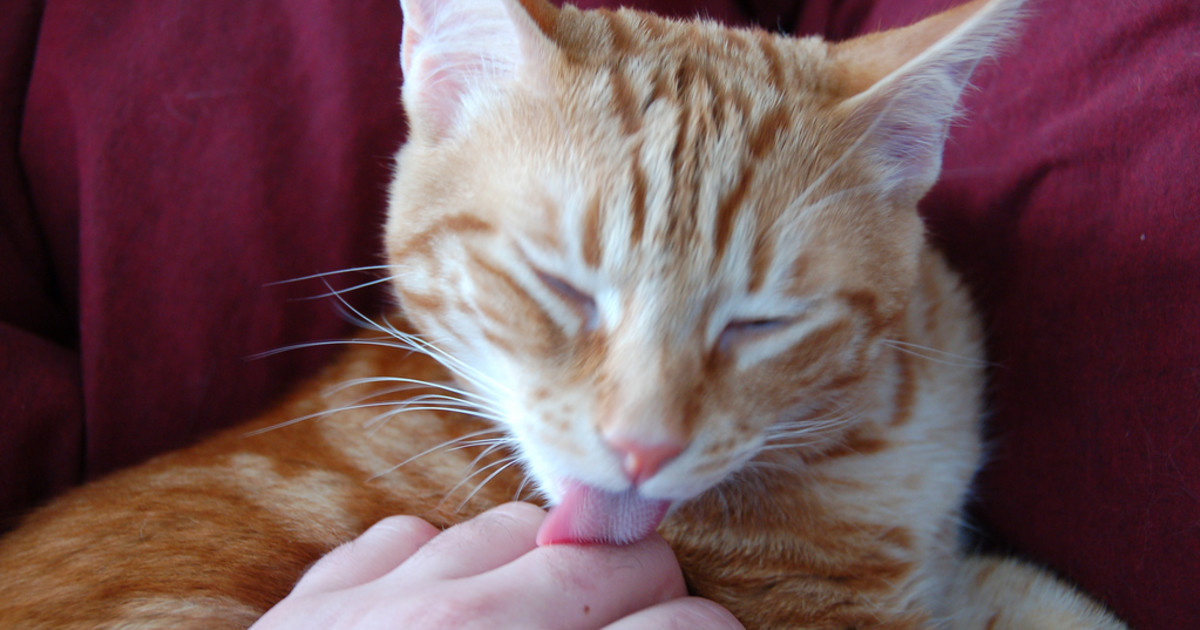
Credit: pethelpful.com
Frequently Asked Questions
Why Do Mother Cats Groom Their Kittens?
Mother cats groom their kittens to clean them and stimulate bodily functions. It helps keep kittens healthy and promotes bonding.
How Does Grooming Benefit Kittens’ Development?
Grooming strengthens kittens’ immune systems and helps regulate their body temperature. It also teaches them social and hygiene skills.
Can Grooming Reduce Stress In Kittens?
Yes, grooming calms kittens and reduces stress. It creates a sense of security and comfort for young cats.
When Do Cats Stop Grooming Their Kittens?
Cats usually stop grooming kittens after 8 to 10 weeks. Kittens become more independent and start grooming themselves.
Conclusion
Cats groom their kittens to keep them clean and healthy. This act also helps build a strong bond between mother and baby. Grooming teaches kittens important social skills and comfort. It shows care and protection in a gentle way. Understanding this behavior helps you appreciate your cat’s natural instincts.
Watching a mother cat groom her kittens is truly heartwarming. It reminds us how animals show love and care. This simple act plays a big role in a kitten’s early life.

Leave a Reply