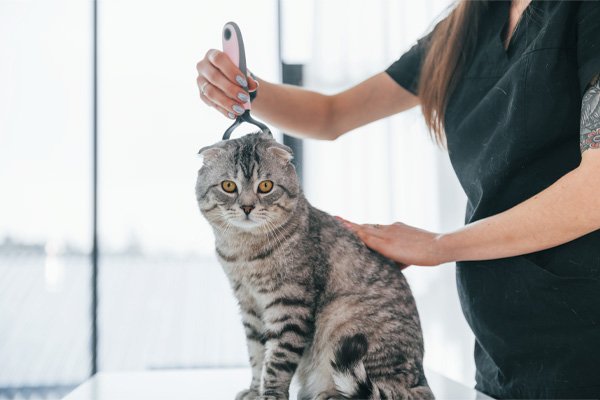
Have you ever watched your cat carefully lick its fur and wondered, “What does grooming really mean for cats?” Grooming isn’t just about keeping your furry friend clean. It’s a vital part of their health, comfort, and even their mood.
Understanding why your cat grooms can help you care for them better and notice when something might be wrong. Keep reading, and you’ll discover surprising facts about your cat’s grooming habits that will change how you see their daily routine.

Credit: nationalcatgroomers.com
Cat Grooming Basics
Understanding the basics of cat grooming helps you keep your feline friend healthy and happy. Grooming is more than just brushing fur; it involves caring for your cat’s skin, coat, and overall well-being. Let’s break down why grooming matters, how different types of fur affect your routine, and how often you should groom your cat.
Why Grooming Matters
Grooming removes dirt, loose hair, and prevents mats that can cause discomfort. It also reduces shedding around your home and minimizes hairballs your cat might cough up. Beyond the physical benefits, grooming strengthens your bond, giving your cat extra attention and comfort.
Have you noticed your cat licking itself excessively? This can signal skin problems or stress, which grooming sessions help you spot early. Regular grooming is a simple way to catch health issues before they worsen.
Types Of Cat Fur
Not all cats have the same kind of fur. Some have short, sleek coats while others boast long, thick hair that tangles easily. Knowing your cat’s fur type helps you pick the right grooming tools and techniques.
- Short-haired cats:Usually need a weekly brush to remove loose hair and keep the coat shiny.
- Long-haired cats:Require daily brushing to prevent mats and tangles that can trap dirt and moisture.
- Curly or woolly coats:Need special grooming brushes and more frequent care to avoid matting.
Does your cat’s fur shed a lot or stay mostly in place? This clue tells you how intense your grooming should be.
How Often To Groom
The frequency depends on your cat’s fur type, activity level, and health. Short-haired cats often manage with brushing once or twice a week. Long-haired cats usually need daily attention to keep their coats in good shape.
If your cat enjoys being groomed, you can make it a daily routine. If not, try shorter sessions more frequently to build comfort. Pay attention to changes in your cat’s coat or skin—it might mean you need to adjust grooming habits.
Credit: catcuddlezone.com
Tools For Grooming Cats
Grooming cats is more than just a routine; it’s a way to keep your feline friend healthy and happy. Using the right tools can make grooming easier and more effective for both you and your cat. Let’s look at some essential grooming tools that help maintain your cat’s coat, nails, and overall cleanliness.
Choosing The Right Brush
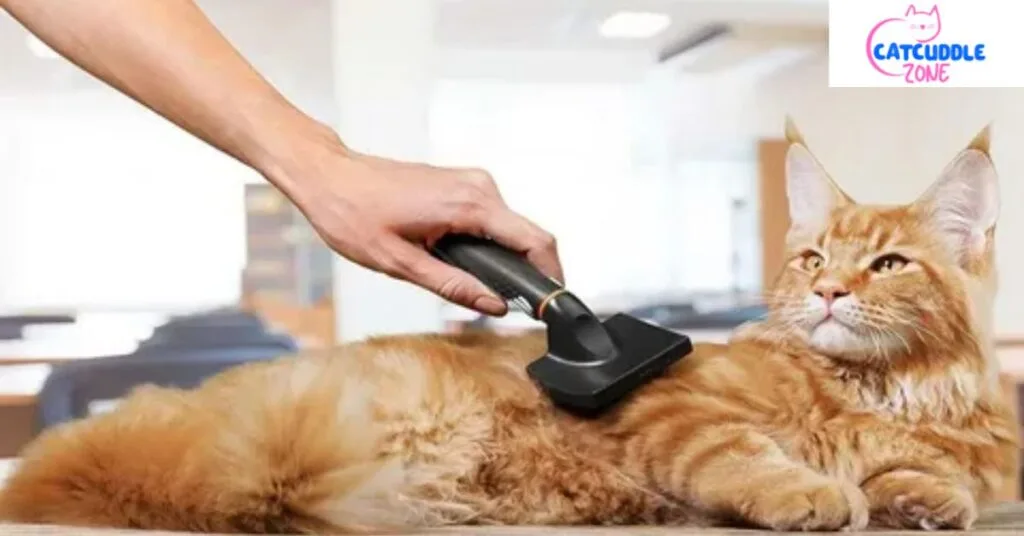
Different cats need different brushes. Long-haired cats benefit from slicker brushes that remove mats and tangles gently. Short-haired cats often do well with rubber brushes that capture loose fur without irritating their skin.
Think about your cat’s coat type before buying a brush. If your cat hates brushing, try a softer bristle brush first to build comfort. Have you noticed your cat’s fur shedding heavily? A de-shedding tool might be exactly what you need.
Clippers And Nail Trimmers
Keeping your cat’s nails trimmed prevents scratches and damage around the house. Use nail trimmers designed specifically for cats—they are smaller and safer than human clippers. Some cats prefer a quiet, gentle clipper to reduce stress during nail trimming sessions.
Clippers can also help with grooming thick fur mats when brushing isn’t enough. However, if you’re nervous about trimming fur or nails yourself, consider asking a vet or groomer to show you the safest technique.
Cleaning Supplies
Beyond brushes and clippers, cleaning supplies play a big role in grooming. Use pet-safe wipes to clean your cat’s face and paws, especially after outdoor adventures. A gentle, cat-specific shampoo is important for occasional baths, but many cats dislike water, so wipe-downs might be better for regular cleaning.
Have you tried using a dental cleaning wipe or gel? Oral hygiene is often overlooked but essential for your cat’s overall health. Keep these supplies handy to make grooming a quick, stress-free routine for both of you.
Step-by-step Grooming Routine
Establishing a grooming routine for your cat is essential. It helps maintain their health and appearance. Regular grooming keeps their coat shiny and skin healthy. It also reduces shedding and prevents matting. Here’s a step-by-step guide to grooming your feline friend.
Brushing Techniques
Brush your cat’s fur regularly. Use a soft-bristle brush or a comb. Start from the head and move towards the tail. Be gentle to avoid hurting your cat. For long-haired cats, brush daily to prevent tangles. Short-haired cats need brushing once a week. Always check for any signs of fleas or ticks.
Bathing Tips
Bathing a cat can be challenging. Most cats do not enjoy water. Use a cat-safe shampoo. Fill a basin with lukewarm water. Wet their fur gently, avoiding their face. Apply shampoo and lather well. Rinse thoroughly to remove all soap. Dry with a soft towel or use a low-heat dryer.
Nail Care
Check your cat’s nails weekly. Overgrown nails can cause pain. Use cat nail clippers to trim the tips. Avoid cutting too close to the quick. The quick is the pink part of the nail. If unsure, seek a vet’s help. Reward your cat after nail trimming to keep them calm.
Ear And Eye Cleaning
Inspect your cat’s ears for dirt or wax. Use a damp cotton ball to clean gently. Do not insert anything into the ear canal. For eyes, use a soft cloth to wipe away discharge. Always be gentle to prevent injury. Regular cleaning helps avoid infections.
Health Benefits Of Grooming
Grooming offers many health benefits for cats. It keeps their fur clean and skin healthy. Regular grooming helps avoid problems that can affect their well-being. It supports their natural body functions and comfort.
Preventing Hairballs
Cats swallow loose fur while cleaning themselves. This fur can form hairballs in their stomach. Grooming reduces loose fur by removing it before swallowing. Less fur inside means fewer hairballs. Hairballs can cause discomfort and digestive issues.
Reducing Shedding
Shedding is natural for cats but can be heavy. Grooming lowers the amount of loose hair around the home. It removes dead fur and keeps the coat smooth. Regular brushing spreads natural oils, making fur shiny and less likely to fall out.
Detecting Health Issues Early
Grooming allows pet owners to check their cat’s body closely. It helps find lumps, bumps, or wounds early. Skin problems like dryness or redness become visible. Early detection means quicker treatment and better health.
Common Grooming Challenges
Grooming your cat is not always a smooth process. Many cat owners face specific challenges that can make grooming stressful for both you and your feline friend. Identifying these common issues helps you prepare better and find solutions that keep your cat comfortable and healthy.
Handling Aggressive Cats
Some cats resist grooming fiercely, especially if they’re not used to it or if they’ve had bad experiences. You might notice hissing, scratching, or biting during grooming sessions. It’s important to stay calm and avoid forcing your cat, as this can increase their aggression.
Try to create a calm environment and use gentle, slow movements. Offering treats or favorite toys during grooming can help distract and reward your cat. If aggression persists, consider trimming nails first or using a soft brush that feels less intrusive.
Dealing With Matted Fur
Matted fur is a common problem, especially in long-haired cats. These mats can be painful and cause skin irritation if left untreated. Attempting to pull mats out harshly can hurt your cat and damage their coat.
Instead, use a detangling spray or conditioner made for cats to soften the mats. Work gently with a wide-tooth comb, starting from the edges and slowly loosening the knots. If mats are severe, you might need to seek professional grooming help to avoid injury.
Grooming Senior Cats
Older cats often need extra care during grooming because they might have arthritis or reduced flexibility. This can make it hard for them to clean themselves, leading to more dirt and mats. Handling them gently and adjusting your approach is crucial.
Use soft brushes and avoid putting pressure on sensitive areas. Shorter grooming sessions spread over several days can prevent stress and discomfort. Have you noticed your senior cat struggling with grooming? It might be time to check for underlying health issues with your vet.

Credit: tryfurgo.com
Professional Grooming Services
Professional grooming services help keep cats clean and healthy. They handle difficult tasks that owners may find hard. Groomers have special tools and skills for cat care. Regular grooming prevents mats, dirt buildup, and skin problems. It also helps spot health issues early.
When To Seek Help
Look for professional grooming if your cat has thick or long fur. Matted hair can cause pain and skin infections. Cats with health problems may need gentle care. Older cats might struggle with self-grooming. If your cat is stressed or aggressive during home grooming, a groomer can help.
What To Expect
Grooming sessions include brushing, bathing, and nail trimming. The groomer cleans ears and checks for ticks or fleas. Sessions vary by cat’s needs and temperament. Groomers work calmly to keep cats comfortable. Expect a clean, shiny coat and trimmed nails. Some cats may need more than one visit to adjust.
Choosing A Groomer
Choose a groomer with experience in cat care. Check reviews and ask for recommendations. Visit the salon to see cleanliness and how staff handle cats. Confirm the groomer uses safe, pet-friendly products. Ask about emergency procedures and how they manage stressed cats. Good communication is key for trust and care quality.
Frequently Asked Questions
What Does Grooming Mean For Cats?
Grooming for cats means cleaning and maintaining their fur and skin. It helps remove dirt, loose hair, and parasites. Grooming also regulates body temperature and strengthens the bond between cats and their owners.
Why Do Cats Groom Themselves Frequently?
Cats groom themselves frequently to stay clean and cool. It removes dirt, dead hair, and parasites. Grooming also reduces stress and helps cats relax, making it essential for their health and well-being.
How Does Grooming Affect A Cat’s Health?
Grooming keeps a cat’s skin and coat healthy by removing dirt and parasites. It prevents matting and skin infections. Regular grooming also helps detect injuries or health issues early, ensuring timely care.
Can Grooming Strengthen The Bond With Your Cat?
Yes, grooming strengthens the bond between cats and owners. It mimics natural social behaviors and provides comfort. Regular grooming sessions build trust and improve your cat’s emotional well-being.
Conclusion
Grooming plays a key role in a cat’s health and happiness. It helps keep their fur clean and skin healthy. Cats also groom to relax and feel safe. Watching your cat groom can tell you how they feel. Regular grooming supports their natural habits and well-being.
It builds trust between you and your pet. Understanding grooming helps you care for your cat better. Simple daily checks can prevent many problems. Keep grooming gentle and patient. Your cat will thank you with a calm, content purr.


Leave a Reply