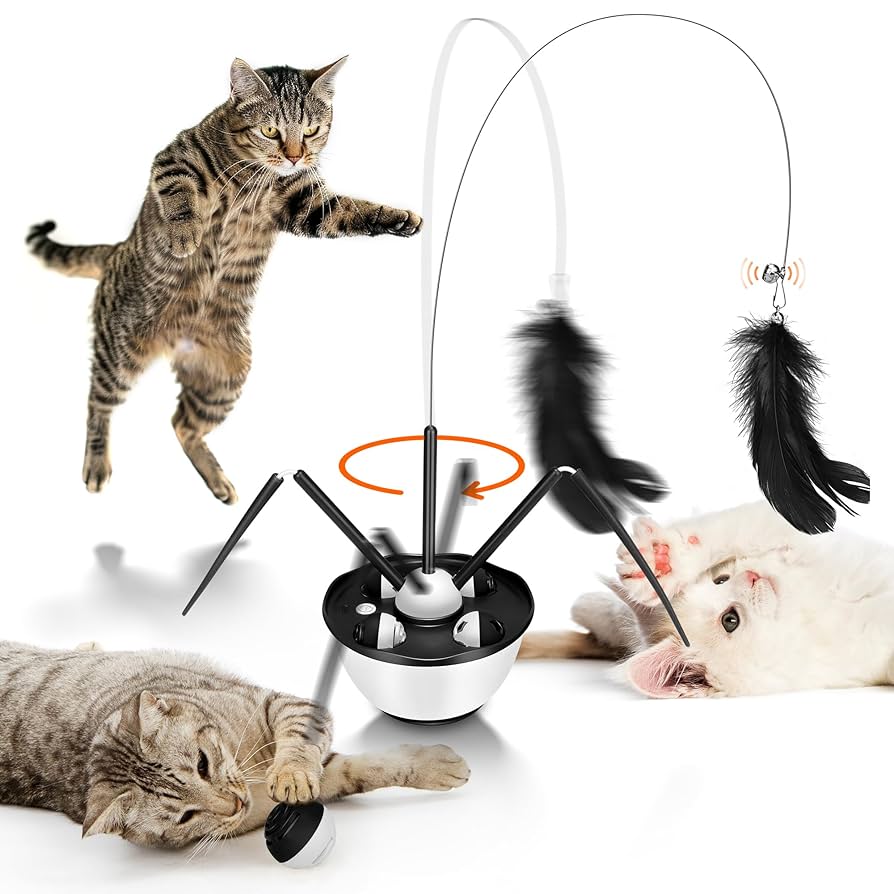
Have you ever wondered if your cat truly enjoys those colorful, moving toys you bring home? You want to keep your furry friend happy and active, but do interactive cat toys really make a difference?
Understanding what excites your cat can help you choose the right toys that spark their natural curiosity and playfulness. Keep reading to discover how interactive cat toys can transform your cat’s playtime and strengthen your bond like never before.

Credit: www.amazon.com
Benefits Of Interactive Toys
Interactive cat toys offer more than just fun for your feline friend. They bring multiple benefits that improve your cat’s overall well-being. Let’s look at how these toys impact your cat’s mind, body, and your relationship.
Mental Stimulation
Interactive toys challenge your cat’s brain. Puzzles or toys that move unpredictably keep your cat thinking and problem-solving. This mental workout helps prevent boredom and reduces destructive behaviors.
Have you noticed how your cat’s eyes light up when a toy suddenly darts away? That spark shows their mind is engaged and alert. Keeping their brain active is just as important as physical play.
Physical Exercise
These toys encourage your cat to move more. Chasing, pouncing, and batting at toys help your cat stay fit and agile. It’s especially helpful for indoor cats who don’t get as much natural exercise.
Regular playtime with interactive toys can lower the risk of obesity and related health problems. You might even find your cat more energetic and less prone to naps during the day.
Bonding Opportunities
Playing with interactive toys creates moments of connection between you and your cat. Sharing the fun builds trust and deepens your bond. It’s a chance to understand your cat’s personality better.
Try setting aside time each day to play together. Notice how your cat responds to different toys and movements. This shared activity strengthens your relationship in a simple, joyful way.
Types Of Interactive Cat Toys
Interactive cat toys come in many forms, each designed to keep your feline friend engaged and active. These toys stimulate your cat’s natural instincts like hunting, problem-solving, and chasing. Understanding the different types can help you choose the best options to keep your cat entertained and mentally sharp.
Laser Pointers
Laser pointers are a favorite for many cat owners because they trigger a cat’s chase instinct. The small, fast-moving red dot keeps your cat on its toes and encourages quick bursts of exercise. Just be sure to end play sessions by pointing the laser at a tangible toy or treat, so your cat feels a sense of accomplishment.
Puzzle Feeders
Puzzle feeders challenge your cat’s brain while rewarding them with food or treats. These toys slow down eating and provide mental stimulation, which is especially useful for indoor cats. Have you noticed how your cat’s focus sharpens when trying to unlock the puzzle? That’s a sign they’re really engaged.
Motorized Toys
Motorized toys move on their own, mimicking the unpredictable movements of prey. This type of toy can keep your cat entertained for longer periods without your involvement. It’s like having a little robotic playmate that can spark your cat’s curiosity and hunting skills anytime.
Feather Wands
Feather wands combine movement and texture, making them irresistible to most cats. You control the action, which helps build a stronger bond with your pet during playtime. Have you tried varying the speed and direction? It often makes the game more exciting and satisfying for your cat.
Cat Preferences And Behavior
Cats show different reactions to interactive toys based on their unique preferences and behavior. Understanding these factors helps in choosing the right toy for each cat. Interactive toys can stimulate a cat’s mind and body, but not all cats respond the same way.
Individual Personality
Every cat has its own personality. Some cats are playful and curious, always ready to pounce on a moving toy. Others might be shy or calm, preferring quiet time over active play. A cat’s personality strongly influences how much it enjoys interactive toys.
Age And Activity Levels
Kittens and young cats are usually very active. They love chasing and batting at toys. Older cats may prefer gentle play or less intense activity. Activity levels change with age, so the type of toy must fit the cat’s energy and stamina.
Hunting Instincts
Cats are natural hunters. Toys that mimic prey, like feathers or small moving objects, can catch their attention. Interactive toys that encourage stalking, chasing, or pouncing satisfy these instincts. This type of play keeps cats mentally and physically sharp.

Credit: www.amazon.com
Signs Cats Enjoy Toys
Cats are curious creatures with a natural instinct to hunt and play. Interactive cat toys can provide them with the stimulation they crave. But how can you tell if your feline friend truly enjoys these toys? By observing their behavior, you can spot the signs of a happy, engaged cat.
Playful Engagement
Does your cat leap into action when you introduce a new toy? A cat that enjoys interactive toys will often show immediate interest. They might bat at the toy, paw at it, or try to carry it away. These are clear indications that the toy has captured their attention.
Chasing And Pouncing
Watch how your cat interacts with moving toys. Do they chase them around the room or pounce with enthusiasm? Such behaviors are strong indicators that the toy is satisfying their hunting instincts. Your cat may even stalk the toy, mimicking their natural predatory behavior.
Vocalizations And Body Language
Listen to the sounds your cat makes during playtime. Are they meowing or chirping excitedly? These vocalizations often signal enjoyment. Additionally, observe their body language. A cat with an arched back, twitching tail, and focused eyes is likely having a great time.
Have you noticed any of these signs in your cat? If so, it might be time to invest in more interactive toys. By paying attention to your cat’s reactions, you can ensure they have a fulfilling playtime experience. After all, a happy cat is a healthy cat.
Common Toy Challenges
Interactive cat toys are designed to keep your feline friend entertained and active. However, they come with their own set of challenges that can affect your cat’s interest and safety. Understanding these common issues can help you choose and use toys more effectively, ensuring your cat stays happy and engaged.
Short Attention Span
Cats often lose interest in toys quickly, especially if the toy doesn’t offer enough variety or challenge. You might notice your cat batting at a toy once or twice before walking away. Try rotating toys regularly to keep things fresh and exciting for your cat.
Have you ever seen your cat suddenly switch from play to napping? That’s their way of telling you they need a break or something new. Adding unpredictable movements or sounds can help grab their attention longer.
Overstimulation
Some interactive toys can overstimulate cats, causing them to become anxious or aggressive. If your cat suddenly stops playing or starts biting, it might be a sign they’re overwhelmed. Watch for signs like excessive licking or frantic chasing.
You can help by limiting play sessions to short bursts and calming your cat down afterward with gentle petting or quiet time. Have you noticed your cat’s mood change after an intense play session? Adjusting the duration might be the key.
Toy Safety Concerns
Not all interactive toys are safe for cats. Small parts can be swallowed, and some materials might cause allergic reactions. Always check the toy for loose pieces or sharp edges before giving it to your cat.
- Choose toys made from non-toxic materials.
- Avoid toys with strings or ribbons that can be ingested.
- Supervise your cat during playtime, especially with new toys.
Have you ever found your cat chewing on a toy piece? That’s a clear sign to replace or remove it immediately. Keeping safety in mind ensures playtime stays fun and risk-free.
Tips For Choosing The Right Toy
Choosing the right interactive toy for your cat can make a huge difference in how much they enjoy playtime. The perfect toy keeps your furry friend engaged and safe, while also standing up to their energy and curiosity. Here are some tips to help you pick the best option that matches your cat’s personality and play style.
Material And Durability
Look for toys made from non-toxic, pet-safe materials. Cats often chew and scratch their toys, so durability is key to avoid quick wear and tear.
Soft fabrics like felt or plush are great for gentle play, but harder plastics or rubber can handle more aggressive chewing. Think about your cat’s habits—does yours tend to shred toys or just bat them around?
Size And Design
The size of the toy should fit your cat’s mouth and paws comfortably. Too small, and it might be a choking hazard; too big, and it could frustrate your cat or be difficult to carry.
Design matters too—some cats love toys they can chase, while others prefer things they can pounce on or hide. Have you noticed what kind of movements excite your cat the most?
Interactive Features
Toys with moving parts, sounds, or lights can keep your cat’s attention longer. Features like feathers on a wand or battery-operated mice mimic prey and stimulate natural hunting instincts.
However, some cats might be scared by loud noises or flashing lights, so observe your cat’s reaction carefully. You want to add fun, not stress, to their playtime.
Enhancing Playtime Experience
Interactive cat toys can turn ordinary playtime into a fun and stimulating experience for cats. Enhancing this experience keeps cats interested and active. Playtime should challenge their senses and instincts. This helps prevent boredom and encourages healthy activity.
Rotating Toys Regularly
Changing toys often keeps cats curious and excited. Cats may lose interest if they see the same toy every day. Rotating different toys brings new sights and sounds. This sparks their hunting instincts and encourages playful behavior. Store some toys away and swap them weekly. This simple change can make playtime feel fresh and fun.
Involving Owners In Play
Cats enjoy play more when owners join in. Moving toys by hand mimics real prey and grabs cats’ attention. Owners can use wands or string toys to interact directly. This strengthens the bond between cat and owner. It also helps cats release energy and reduce stress. Short, frequent play sessions fit well in busy schedules.
Creating Safe Play Areas
Safe spaces encourage cats to explore and play freely. Remove sharp objects and fragile items from these areas. Soft mats or rugs can protect floors and provide comfort. Ensure good lighting so cats see toys clearly. A calm, quiet spot helps cats focus on play without distractions. Safe play areas support longer and happier playtimes.

Credit: www.amazon.com
Frequently Asked Questions
Do Cats Prefer Interactive Toys Over Regular Toys?
Yes, cats often prefer interactive toys because they stimulate hunting instincts. These toys keep cats mentally and physically engaged, preventing boredom and destructive behavior.
How Do Interactive Cat Toys Benefit My Cat’s Health?
Interactive toys promote exercise, reducing obesity and related health issues. They also improve mental sharpness and reduce stress by mimicking natural hunting activities.
Can Interactive Toys Reduce My Cat’s Anxiety?
Yes, interactive toys help reduce anxiety by providing stimulation and distraction. Engaging play sessions release pent-up energy and increase positive behaviors in cats.
What Types Of Interactive Toys Do Cats Like Most?
Cats enjoy toys that mimic prey, like feather wands, laser pointers, and motorized mice. Toys that move unpredictably capture their attention best.
Conclusion
Cats enjoy interactive toys because they stimulate their minds and bodies. These toys keep cats active and reduce boredom. Playing together also builds a strong bond with your pet. Choose toys that match your cat’s size and energy level. Regular playtime helps cats stay healthy and happy.
Interactive toys make your cat’s day more fun. Give your cat a chance to explore and play often. A happy cat means a happy home.

Leave a Reply