Are you wondering how many heats your cat can safely go through before breeding? Understanding this is crucial for your cat’s health and well-being.
Too many heat cycles without breeding can stress your cat’s body and mind. But how do you know when it’s the right time? You’ll discover important facts about your cat’s heat cycles and how they affect her. By the end, you’ll feel confident making the best choice for your furry friend.
Keep reading to learn what every cat owner needs to know!
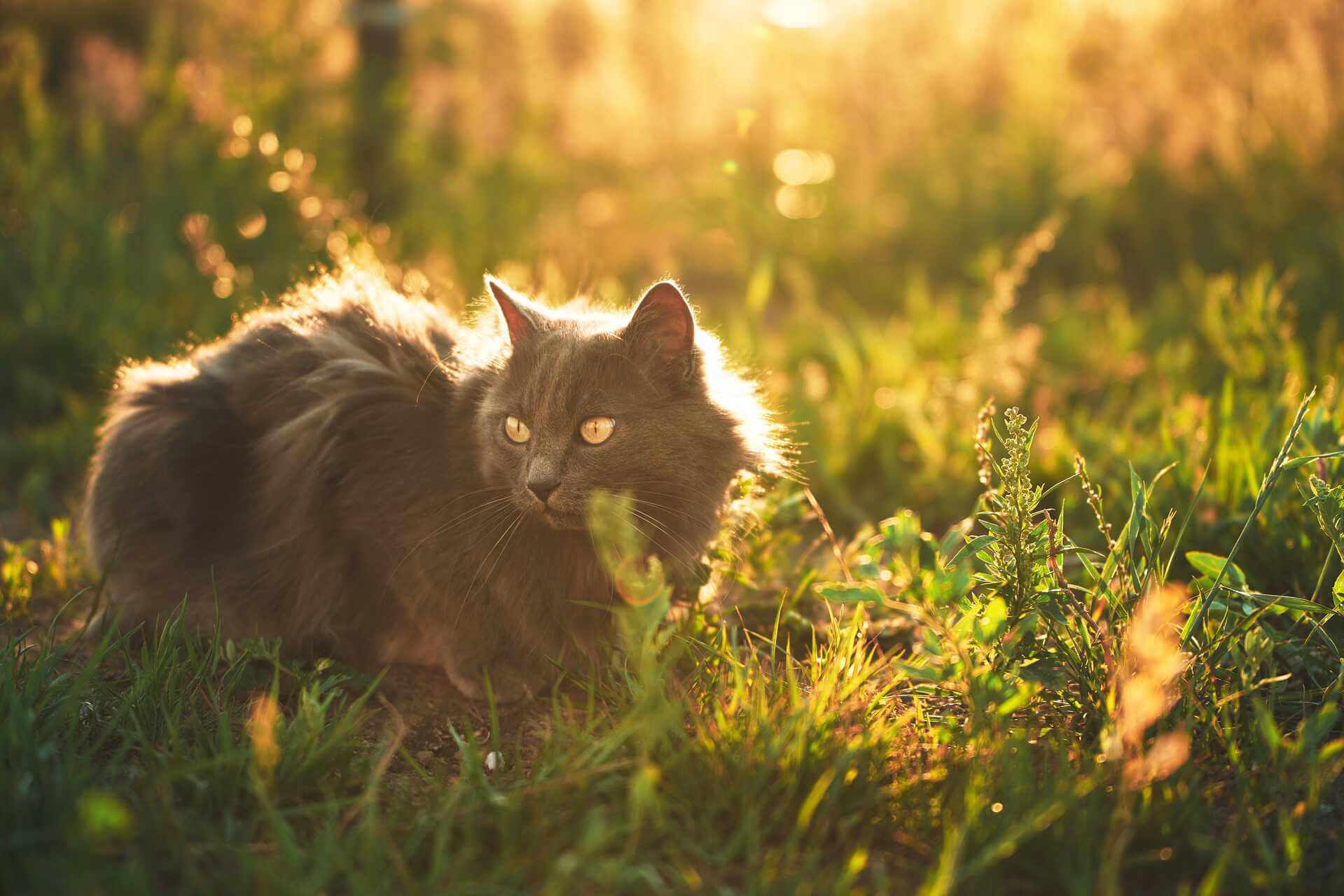
Credit: tractive.com
Cat Heat Cycle Basics
The cat heat cycle is a natural process that prepares female cats for breeding. It happens several times a year and can last for days or weeks. Understanding this cycle helps pet owners know when their cat is ready to mate and what signs to watch for. The heat cycle affects a cat’s behavior and body in many ways.
Stages Of The Heat Cycle
- Proestrus:This stage lasts a few days. The cat shows early signs of heat but is not ready to mate.
- Estrus:The actual heat phase. The cat is fertile and may seek male cats. It lasts about 4 to 7 days.
- Metestrus:After heat ends, the cat’s body returns to normal if she does not get pregnant. This stage lasts about 1 to 2 weeks.
- Anestrus:A resting phase. No heat signs appear, and the cat’s body recovers. It can last a few weeks or months.
Signs And Symptoms
- Increased vocalizing and loud meowing to attract males.
- Restlessness and pacing around the house.
- Rubbing against furniture, walls, or people more often.
- Raising the hindquarters and moving the tail to the side.
- Frequent licking of the genital area.
- More affectionate behavior and seeking attention.

Credit: pennypaws.com
Frequency Of Heat Cycles
The frequency of heat cycles in cats plays a crucial role in understanding their breeding readiness and overall health. Recognizing how often a cat goes into heat helps you decide when to breed or spay her. It also sheds light on how her body handles repeated cycles without pregnancy.
Typical Heat Cycle Intervals
Cats usually enter heat every 2 to 3 weeks during their breeding season. This season can stretch from early spring to late fall, depending on the climate and daylight hours.
Each heat cycle lasts about 4 to 7 days if the cat doesn’t mate. Afterward, she may have a break of roughly 1 to 2 weeks before the next heat begins.
Understanding this pattern is key. If you notice your cat going into heat too frequently or irregularly, it might be a sign to consult your vet.
Factors Affecting Heat Frequency
Several factors influence how often a cat experiences heat cycles:
- Breed:Some breeds, like Siamese, may have more frequent heat cycles than others.
- Age:Younger cats often have more frequent cycles, which tend to slow down as they mature.
- Environment:Indoor cats exposed to artificial light might cycle year-round, unlike outdoor cats.
- Health:Illness or stress can disrupt or delay heat cycles.
I once had a cat who seemed to be in heat almost nonstop for several months. After a vet check, we learned her environment’s lighting was confusing her natural cycle. Adjusting her surroundings helped regulate her heat frequency significantly.
Are you tracking your cat’s heat cycles closely? Knowing these details can guide your decisions about breeding timing or when to seek veterinary advice.
Health Impacts Of Repeated Heat
Repeated heat cycles can strain a cat’s health and reduce her overall well-being. Too many heats without breeding may cause discomfort and increase risks of infections. Monitoring heat frequency helps protect a cat’s health before breeding decisions.
Repeated heat cycles in cats can significantly affect their health and well-being. While some people may think letting a cat go through multiple heats before breeding is harmless, it can lead to several health issues. Understanding these impacts can guide you in making informed decisions about your pet’s care.Physical Strain On Cats
Going through multiple heat cycles can be physically exhausting for your cat. Each cycle triggers hormonal changes that can weaken their immune system. This makes them more susceptible to infections and illnesses. Cats in heat often experience a loss of appetite. This can lead to weight loss and nutritional deficiencies. Over time, the constant physical demands of repeated heats can take a toll on their overall vitality.Behavioral Changes
Cats in heat often exhibit noticeable behavioral changes. They may become more vocal, restless, and anxious. This can disrupt their sleep patterns and yours, leading to stress for both of you. These changes can also affect their relationship with you and other pets. A once-calm cat might start showing signs of aggression or excessive affection. It’s crucial to recognize these changes and consider the impact on your household dynamics. Have you ever noticed how these behaviors can disturb the peace in your home? Finding ways to minimize the frequency of these cycles can lead to a happier and healthier environment for everyone involved.
Credit: www.petscare.com
Ideal Breeding Age And Timing
Understanding the ideal breeding age and timing for your cat is crucial to ensure her health and the well-being of her kittens. Breeding a cat at the right time helps avoid complications and supports better outcomes for both mother and offspring. Let’s look closely at when the best time to breed your cat is and what risks come with breeding too early or too late.
When To Breed A Cat
Cats usually reach sexual maturity between 5 to 9 months of age, but this doesn’t mean you should breed her immediately. Most veterinarians recommend waiting until your cat is at least 1 year old. At this age, her body is more developed and better prepared for pregnancy.
Waiting until your cat has experienced a few heat cycles helps her build strength. It also allows you to observe her health and behavior during these periods. Have you noticed how your cat’s energy and appetite change during her heat? These observations can guide your decision on the best timing.
Risks Of Early Or Late Breeding
Breeding too early, such as before your cat is fully mature, can lead to serious health issues. Young cats may face difficulties during labor, and their kittens might have lower birth weights or health problems. You risk putting your pet through unnecessary stress and complications.
On the other hand, breeding a cat too late, especially after 5 years of age, increases risks too. Older cats may develop pregnancy-related illnesses or have trouble delivering kittens naturally. Their recovery time also tends to be longer, which can affect their overall quality of life.
Balancing the timing means you protect your cat’s health while giving her kittens the best start. Are you prepared to monitor your cat’s health closely and consult your vet to find the right window for breeding? This attention can make all the difference.
Signs A Cat Is Ready To Breed
Recognizing when a cat is ready to breed helps ensure her health and well-being. Cats show clear signs during their heat cycles that indicate fertility and readiness to mate. Understanding these signs can prevent breeding too early or too often. Observing both physical and behavioral changes provides a full picture of her readiness.
Physical Indicators
- Swollen and reddened vulva, signaling heat onset
- Clear vaginal discharge, sometimes sticky or mucous-like
- Increased grooming around the genital area
- Restless body posture with raised hindquarters
- Frequent vocalizing or loud meowing
Behavioral Cues
- Rubbing against furniture, walls, or people
- Rolling on the floor repeatedly
- Excessive affection and seeking attention
- Restlessness and pacing in confined spaces
- Lifting tail to one side when touched
Breeding Frequency Recommendations
Understanding how often your cat should be bred is crucial for her health and well-being. Breeding frequency recommendations are designed to protect your cat from excessive stress and complications. Knowing the right time to breed can make a significant difference in her recovery and the health of her kittens.
How Many Heats Before Breeding
Most breeders suggest waiting for a cat to experience at least two to three heat cycles before breeding. This allows her body to mature fully and reduces risks during pregnancy. However, some cats may be physically ready earlier, while others might need more time.
Pay attention to your cat’s behavior and physical condition during each heat. If she seems overly tired or loses weight, it might be a sign to wait longer. Remember, every cat is unique, so don’t rush just because of a timeline.
Veterinarian Guidelines
Your veterinarian is the best source for personalized advice on breeding frequency. They often recommend waiting until the cat is at least one year old and has had several healthy heat cycles. This advice helps ensure your cat’s reproductive system is fully developed and ready.
Veterinarians also stress the importance of health checks before breeding. They look for signs of infections, parasites, or other conditions that could affect pregnancy. Have you scheduled your cat’s vet visit to discuss breeding plans?
Alternatives To Frequent Breeding
Frequent breeding can strain a cat’s health and well-being. Many cat owners seek alternatives to avoid repeated heat cycles. These alternatives help maintain a cat’s comfort and reduce health risks. Understanding these options supports better care and responsible pet ownership.
Spaying Benefits
Spaying stops heat cycles completely. It prevents unwanted pregnancies and reduces the risk of certain cancers. Spayed cats often live longer, healthier lives. The surgery also decreases behaviors like yowling and restlessness. It’s a safe procedure with lasting benefits for cats.
Heat Cycle Management
Managing heat cycles without breeding involves several strategies. Provide extra attention and playtime during heat periods. Create a calm, quiet environment to reduce stress. Use pheromone sprays to soothe anxious cats. Regular vet check-ups help monitor your cat’s health during heats.
Frequently Asked Questions
How Many Heats Can A Cat Have Before Breeding?
A cat can have 1 to 3 heats before breeding. Breeding after the first heat is possible but not always ideal. Early breeding can affect the cat’s health and development. Consult a vet to determine the best time for breeding.
Is It Safe To Breed A Cat After Multiple Heats?
Breeding after multiple heats can be safe if the cat is healthy. However, frequent heats without pregnancy may cause stress and health risks. It’s best to breed after the second heat or consult a vet for personalized advice.
What Happens If A Cat Has Too Many Heats Without Breeding?
Too many heats without breeding can cause hormonal imbalance and stress. This may lead to behavioral changes and health issues like uterine infections. Spaying is recommended if breeding is not planned to prevent these risks.
When Is The Ideal Time To Breed A Cat During Her Heat Cycle?
The ideal time to breed a cat is during the estrus phase of her heat cycle. This phase lasts about 4 to 6 days when she is most fertile. Monitoring her behavior helps identify the best breeding time.
Conclusion
Cats can go through several heats before breeding is safe. Too many heats without breeding may stress your cat. Breeding after a few heats helps ensure her health. Always watch for signs your cat is ready. Consult a vet to choose the best time.
Taking care of your cat’s needs is important. Healthy cats have better chances for healthy kittens. Patience and care make a big difference for your cat’s well-being.

Leave a Reply