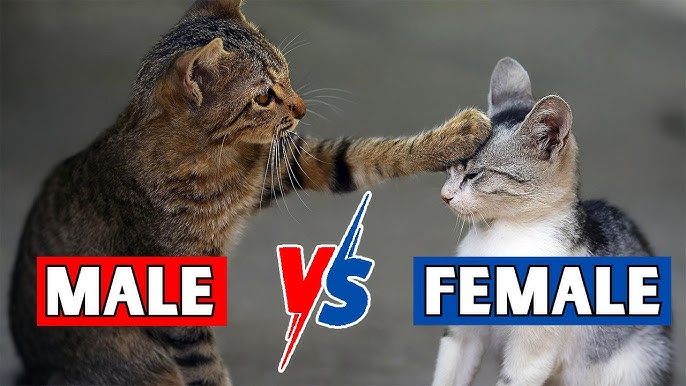
Have you ever watched your cats grooming each other one moment and then suddenly start fighting the next? It can be confusing and even a little surprising.
You might wonder why these loving licks turn into hisses and swats. Understanding this strange behavior can help you better care for your furry friends and keep your home peaceful. Keep reading, and you’ll discover the surprising reasons behind this puzzling mix of affection and aggression.
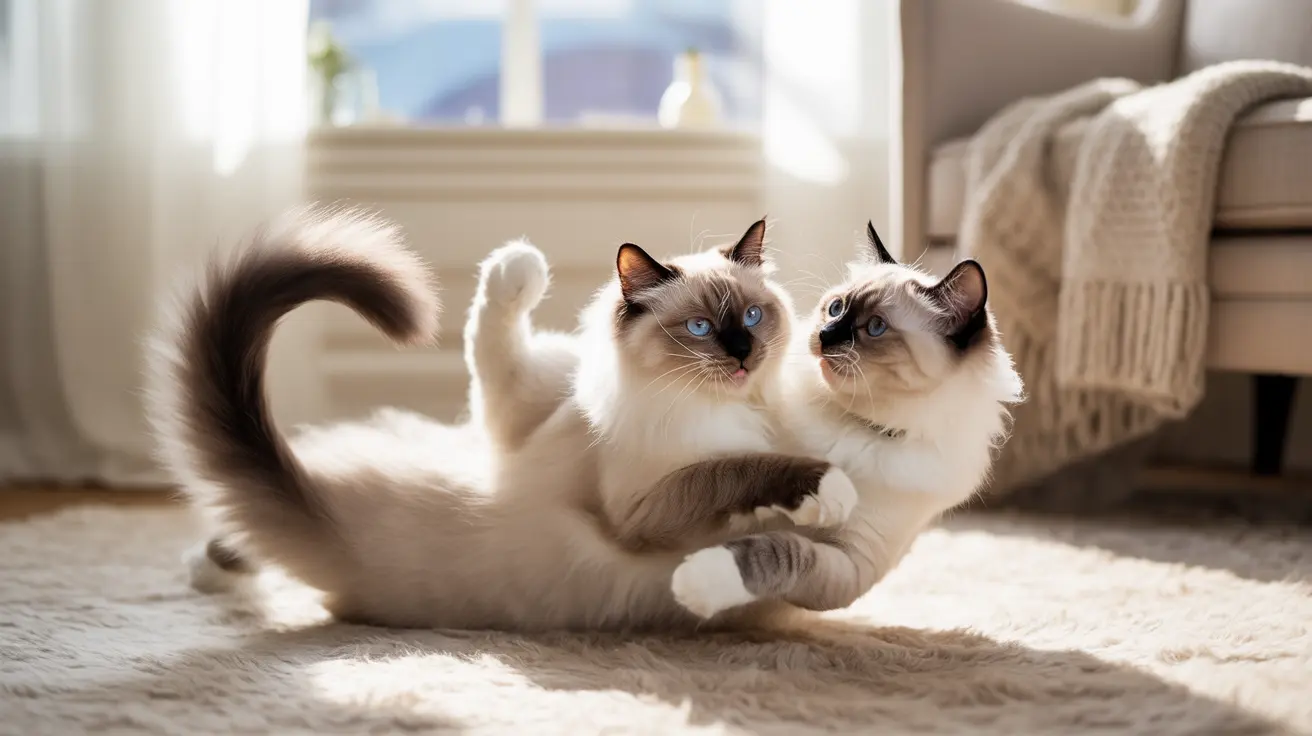
Credit: www.petscare.com
Cat Grooming Behavior
Cat grooming behavior is more than just a way for your feline friend to stay clean. It’s a complex activity that serves multiple purposes beyond hygiene. Understanding why cats groom themselves and each other can help you decode some puzzling behaviors, like why they sometimes groom and then suddenly fight.
Purpose Of Grooming
Grooming helps cats keep their fur clean and free of dirt and parasites. It also regulates their body temperature by removing loose fur and spreading natural oils. You might notice your cat grooming more when stressed or anxious, as this calms them down.
Have you ever seen your cat stop grooming and suddenly become aggressive? This can happen if grooming triggers discomfort or overstimulation. Cats are sensitive creatures, and what seems relaxing can quickly turn into irritation.
Social Grooming Among Cats
When cats groom each other, it’s called allogrooming, and it’s a sign of trust and bonding. This behavior helps strengthen social ties and reduce tension within a group. If you’ve watched cats in a multi-cat household, you might see them take turns grooming each other’s heads and necks, areas they can’t reach alone.
But social grooming isn’t always peaceful. Sometimes, it can lead to fights if one cat becomes too rough or overstimulated. Have you noticed your cats suddenly swatting at each other after a grooming session? This often means one cat reached its limit and wants to stop.

Credit: tryfurgo.com
Reasons Behind Grooming Then Fighting
Cats often groom to show trust but may fight to set boundaries or release tension. This mix of behavior helps them balance friendship and dominance.
Cats often groom each other as a display of affection. Yet, this can quickly turn into a playful or aggressive fight. Understanding why this happens helps in deciphering cat behavior. Several reasons lead to this sudden shift in behavior.Establishing Dominance
Cats use grooming to assert dominance. The dominant cat initiates grooming to show control. This act sets the social hierarchy within their group. If a subordinate cat resists, a fight may break out. The dominant cat seeks to maintain its status. This behavior is common in multi-cat households.Overstimulation
Cats experience overstimulation during grooming. They have sensitive skin and fur, making prolonged grooming uncomfortable. A gentle lick can become too much. The cat might react with a swat or bite. This is a common response to overstimulation. It’s their way of saying “enough.”Mixed Signals
Cats sometimes send mixed signals during grooming. A playful lick can turn into a bite. They use body language to communicate. Misinterpretations can lead to conflict. One cat might see grooming as a threat. This can trigger defensive behavior. Understanding these signals is key to preventing fights.Role Of Territory And Hierarchy
Cats often groom each other as a sign of friendship and trust. Yet, this calm behavior can turn into a fight quickly. The reason lies in their strong sense of territory and social order. Understanding these factors helps explain why cats groom then fight.
Territorial Instincts
Cats feel safe in their own space. They mark territory with scent and behavior. Grooming can be a way to share this safe space. But if one cat feels another is too close, tension rises. Protecting territory is natural for cats. Intruders can cause stress and lead to aggression. Even a small move into another cat’s area may trigger a fight.
Hierarchy Conflicts
Cats live in social groups with a clear hierarchy. Grooming helps build bonds and show respect. But if a lower-ranked cat grooms a higher-ranked one too much, it can cause problems. The higher cat may see this as a challenge. This can lead to squabbles to assert dominance. Fights help cats set clear social roles and maintain order. Grooming and fighting are ways cats manage their social lives.
Impact Of Stress And Anxiety
Cats often groom themselves and each other as a way to bond and relax. Yet, sometimes this behavior can suddenly turn into fighting. Stress and anxiety play a big role in this change. When cats feel uneasy, their mood can shift quickly. Understanding how stress affects cats can help explain why grooming changes to aggression.
Stress-induced Aggression
Stress can make cats more irritable and defensive. They may start to see other cats as threats. Small annoyances can trigger sudden fights. Grooming, once a calm activity, becomes tense. This happens because stress raises their alertness. Their body prepares to protect itself. Aggression is a natural response to feeling unsafe.
Changes In Environment
New sounds, smells, or people can stress cats. Moving to a new home or rearranging furniture causes confusion. Cats feel less secure in unfamiliar spaces. This uncertainty can lead to anxiety and fear. The stress from these changes may cause cats to act out. Grooming can stop being peaceful and turn into conflict. Keeping a stable environment helps reduce stress.
How To Manage Grooming And Fighting
Managing the delicate balance between grooming and fighting among cats requires careful attention and understanding. You want to encourage their natural grooming behaviors while preventing any aggressive outbreaks. Handling this dynamic means observing your cats closely and creating an environment that supports peaceful interactions.
Recognizing Warning Signs
Pay attention to subtle cues your cats give before a fight erupts. Tail twitching, pinned ears, or intense staring often signal rising tension.
Noticing these signs early lets you step in before things escalate. Have you ever caught your cat freezing mid-groom, eyes locked on a sibling? That’s your moment to intervene.
Creating A Calm Environment
Reduce stress by providing multiple cozy spots and separate feeding areas. Cats feel less threatened when they have their own space to retreat to.
Use calming aids like pheromone diffusers or soft music to soothe their nerves. A peaceful setting can turn grooming sessions into bonding moments instead of battlegrounds.
Behavioral Interventions
Redirect aggressive energy with interactive toys and playtime. Engaging your cats mentally and physically keeps frustration at bay.
Reward calm behavior with treats and gentle praise to reinforce peace. If fights continue, consult a vet or behaviorist to tailor solutions for your cats’ unique personalities.

Credit: www.youtube.com
Frequently Asked Questions
Why Do Cats Groom Each Other Then Fight?
Cats groom to bond and show affection. Fighting may start due to sudden changes in mood, overstimulation, or misunderstandings. Grooming builds trust, but tensions can quickly escalate into play or dominance fights.
Is Grooming Before Fighting A Sign Of Stress?
Yes, grooming can be a calming behavior before a fight. It helps cats reduce stress. However, if tension rises, grooming may quickly turn into aggressive behavior.
How Can I Stop Cats From Fighting After Grooming?
Distract cats with toys or treats when grooming ends. Provide separate spaces to reduce tension. Regular playtime and positive reinforcement help maintain harmony.
Do Cats Groom Each Other To Establish Dominance?
Grooming can show social hierarchy. Dominant cats may groom subordinates to assert control. However, grooming also strengthens social bonds, so it’s not always about dominance.
Conclusion
Cats groom to bond and stay clean. Sometimes, they fight to show limits. These actions help them communicate feelings. Understanding this helps you care for your cat better. Watch their body language closely. It tells you when they feel safe or stressed.
Respect their space when needed. This balance keeps cats happy and healthy. Every cat is unique, so learn their habits. Patience and love build a strong bond. Enjoy the mix of grooming and play. It shows your cat’s true nature.

Leave a Reply