Are you tired of finding cat hair everywhere—on your clothes, furniture, and even your food? Shedding is a natural part of your cat’s life, but it can quickly become overwhelming.
You might wonder if grooming can really make a difference in managing all that loose fur. The good news is, grooming does more than just keep your cat looking neat. It can actually help reduce shedding and make your home cleaner.
Keep reading to discover how simple grooming steps can transform your cat’s coat and ease the shedding struggle for you.
Cat Shedding Basics
Understanding the basics of cat shedding helps you manage it better and keep your home cleaner. Shedding is a natural process, but knowing why it happens and when it’s most intense can make a big difference. Plus, recognizing health factors that influence shedding can alert you to any issues your cat might be facing.
Why Cats Shed Fur
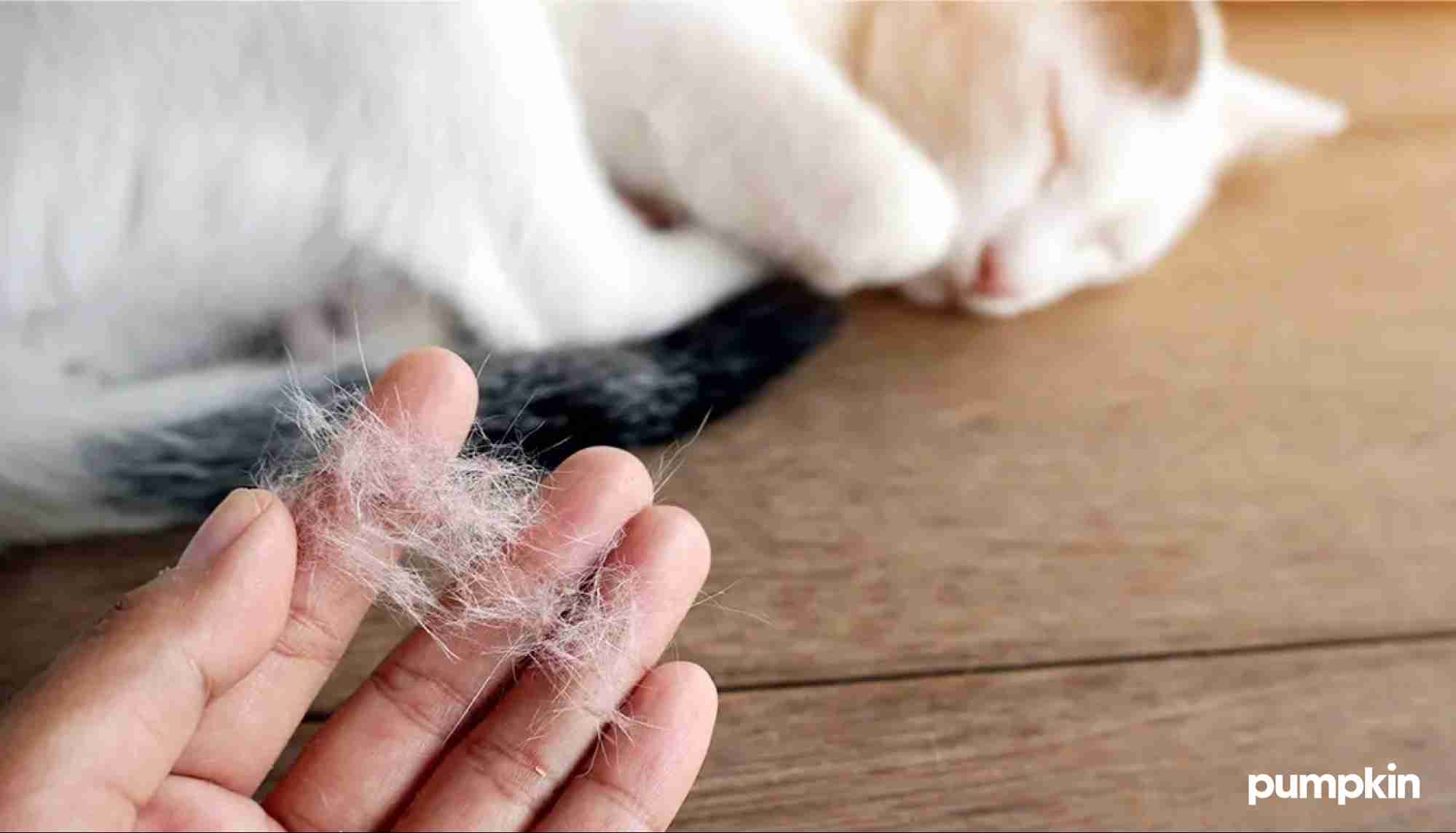
Cats shed to remove old or damaged fur and make room for new growth. This process helps regulate their body temperature, especially as seasons change. You might notice more loose fur on your clothes or furniture, but shedding is a sign your cat’s coat is healthy and renewing itself.
Have you ever wondered why you find fur everywhere despite regular cleaning? Shedding is the main reason, and it’s completely normal.
Common Shedding Seasons
Most cats shed heavily during spring and fall. In spring, they lose their thick winter coat to prepare for warmer weather. In fall, lighter summer fur is replaced by a denser coat to keep them warm during cold months.
Shedding intensity varies by breed and indoor or outdoor living. For example, indoor cats may shed less due to stable temperatures, but they still follow some natural shedding patterns.
Health Factors Affecting Shedding
Excessive or patchy shedding can signal health problems like allergies, parasites, or poor nutrition. Stress and hormonal changes also affect shedding levels. If your cat’s fur looks dull or you notice bald spots, it’s time to check with a vet.
Keeping your cat healthy with a balanced diet and regular vet visits can reduce abnormal shedding. Have you noticed changes in your cat’s fur that worry you? Addressing these early can prevent bigger issues later.
Credit: www.zoomzoomgroom.com
Benefits Of Grooming
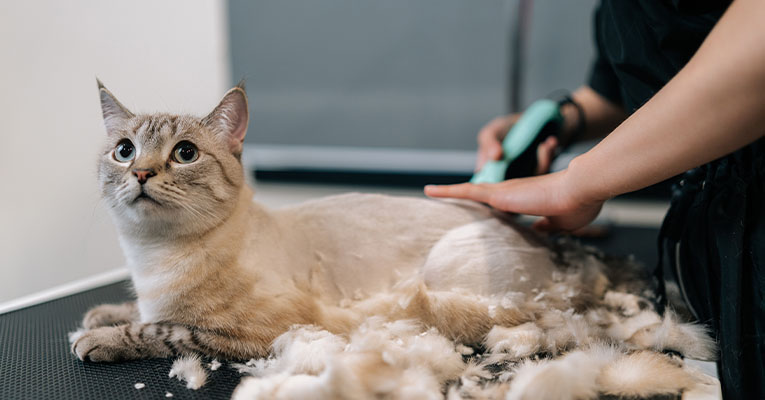
Grooming your cat offers many benefits beyond keeping them clean. It helps control shedding and promotes overall health. Regular grooming reduces the amount of loose fur around your home. It also supports your cat’s skin and coat health. Grooming can prevent common problems like hairballs and skin irritation. Here are some key benefits of grooming your cat.
Removing Loose Fur
Grooming removes loose fur that your cat naturally sheds. Brushing helps collect shed hairs before they fall off. This reduces the amount of fur on furniture and clothes. It also stops fur from matting and tangling. Regular grooming keeps your cat’s coat smooth and neat.
Preventing Hairballs
Cats swallow loose fur when they groom themselves. This can cause hairballs to form in their stomach. Brushing your cat lowers the amount of fur they swallow. It helps reduce hairballs and discomfort. Fewer hairballs mean your cat feels better and stays healthier.
Improving Skin Health
Grooming stimulates blood flow and distributes natural oils. This keeps your cat’s skin healthy and moisturized. Brushing also helps spot skin problems early. You can find fleas, ticks, or wounds quickly. Healthy skin means a shiny, soft coat and a happy cat.
Effective Grooming Tools
Regular grooming tools help remove loose fur and reduce cat shedding effectively. Brushing your cat often keeps fur healthy and minimizes hair around your home. Choosing the right comb or brush suits your cat’s fur type and comfort.
Grooming your cat can significantly reduce shedding, but using the right tools is crucial. With so many grooming tools available, it can be challenging to determine which ones are truly effective. Let’s dive into some of the best tools that can help keep your home fur-free while ensuring your feline friend is comfortable and happy.Types Of Brushes
Different brushes serve different purposes. A slicker brush is excellent for removing loose fur and untangling mats. Bristle brushes, on the other hand, are ideal for cats with short hair, as they help distribute natural oils for a glossy coat. Pin brushes work well for long-haired breeds, helping to untangle knots without causing discomfort. It’s essential to match the brush type to your cat’s hair length and texture for the best results.Choosing The Right Comb
Combs can be a game-changer in managing shedding. A wide-toothed comb gently removes loose fur and prevents tangles, while a fine-toothed comb can catch smaller hairs and dirt. Consider a flea comb if your cat ventures outdoors, as it can help catch any hitchhiking pests. Test a few options to see which your cat tolerates best, as comfort is key during grooming sessions.Using Grooming Gloves
Grooming gloves are perfect for cats who shy away from traditional brushes. These gloves allow you to pet your cat while simultaneously removing loose fur. They’re particularly effective for short-haired cats and can be used daily for a bonding grooming experience. Plus, they’re easy to clean—just peel the hair off the glove and toss it away. Do you have a favorite grooming tool that your cat loves? Experiment with different options to find the perfect match for your feline friend. Your efforts will pay off in a cleaner home and a happier, healthier cat.Grooming Techniques
Grooming your cat helps reduce shedding and keeps their coat healthy. Using the right grooming techniques makes the process easier for both of you. It also helps remove loose fur before it falls around your home. Gentle, regular brushing improves your cat’s comfort and skin condition.
Brushing Frequency
Brush your cat regularly to control shedding. Long-haired cats need daily brushing. Short-haired cats do well with two to three times a week. Adjust frequency based on your cat’s shedding patterns and coat type. Consistent brushing prevents hairballs and matting.
Gentle Brushing Tips
Use a soft-bristle brush or a grooming glove. Start brushing slowly to let your cat get used to it. Brush in the direction of hair growth. Avoid pulling on knots or tangles. Pause if your cat shows signs of discomfort. Reward your cat after each session to build positive habits.
Handling Sensitive Areas
Some parts of your cat’s body are more sensitive. Focus gently on areas like the belly, tail, and under the legs. Use light strokes and watch your cat’s reaction. Stop immediately if your cat feels stressed or tries to move away. Keep grooming sessions short near these spots to build trust.
Additional Shedding Control Tips
Managing your cat’s shedding goes beyond just regular grooming. There are other practical steps you can take at home to keep shedding under control and maintain your cat’s coat health. These additional tips focus on what you feed your cat, how you care for their skin, and staying on top of their health with vet visits.
Balanced Diet For Healthy Fur
Your cat’s diet plays a big role in how much they shed. Feeding high-quality food rich in omega-3 and omega-6 fatty acids can improve coat health and reduce hair fall.
You might want to check the ingredient list for fish oil or flaxseed oil, as these support skin and fur strength. Have you noticed your cat shedding less after you switched to a better food brand? That’s no coincidence.
Hydration And Skin Care
Dry skin often leads to more shedding. Make sure your cat drinks plenty of water every day to keep their skin hydrated from the inside out.
You can also use moisturizing sprays designed for cats or gently wipe their fur with a damp cloth to help maintain skin moisture. How often do you check your cat’s skin for dryness or irritation? Small habits like this can make a big difference.
Regular Vet Checkups
Shedding can sometimes signal underlying health issues. Regular vet visits help catch problems like allergies, parasites, or hormonal imbalances early on.
Your vet can recommend treatments or dietary changes tailored to your cat’s needs. Have you ever been surprised by what a vet discovered as the cause of your cat’s shedding?

Credit: www.walmart.ca
Managing Shedding In Different Cat Breeds
Managing shedding varies by cat breed. Different fur types shed in unique ways. Understanding these differences helps reduce loose hair at home. Grooming plays a key role in controlling shedding effectively.
Short-haired Cats
Short-haired cats shed less hair but still lose fur regularly. Brushing once or twice a week removes dead hair. It also spreads natural oils, keeping the coat healthy. Use a soft-bristle brush or grooming glove for comfort. Regular grooming lowers the amount of hair on furniture.
Long-haired Cats
Long-haired cats shed more hair and are prone to tangles. Daily grooming is essential to prevent mats and remove loose fur. Use a wide-tooth comb followed by a fine-tooth comb. This keeps the coat smooth and reduces shedding. Long-haired cats also benefit from occasional baths to clean deep fur.
Hypoallergenic Breeds
Hypoallergenic breeds shed less but still need grooming. Regular brushing helps reduce dander and loose hair. These breeds often have fine, silky coats requiring gentle care. Use soft brushes to avoid skin irritation. Grooming lowers allergens and keeps the cat comfortable.
Credit: www.pumpkin.care
Frequently Asked Questions
Does Grooming Reduce Cat Shedding Effectively?
Regular grooming removes loose fur and dead skin cells. This decreases shedding around your home. It also improves your cat’s coat health and comfort.
How Often Should I Groom My Shedding Cat?
Groom your cat at least once or twice weekly. Increase frequency during heavy shedding seasons like spring and fall. Consistency helps control shedding and maintains a healthy coat.
Can Grooming Prevent Hairballs Caused By Shedding?
Yes, grooming reduces loose fur your cat swallows during self-cleaning. This lowers hairball formation and digestive issues. Brushing is a simple way to keep your cat healthier.
What Grooming Tools Work Best For Shedding Cats?
Use a slicker brush, comb, or deshedding tool. These tools effectively remove loose fur without hurting your cat. Choose based on your cat’s coat type and comfort.
Conclusion
Grooming helps reduce cat shedding by removing loose fur. Regular brushing keeps your cat’s coat healthy and clean. It also lowers the amount of fur left on furniture and clothes. Grooming can improve your cat’s comfort and reduce hairballs. It creates a bonding time between you and your pet.
While grooming does not stop shedding completely, it makes it easier to manage. Try to groom your cat gently and often for the best results. Simple care can make a big difference in shedding control.



Leave a Reply