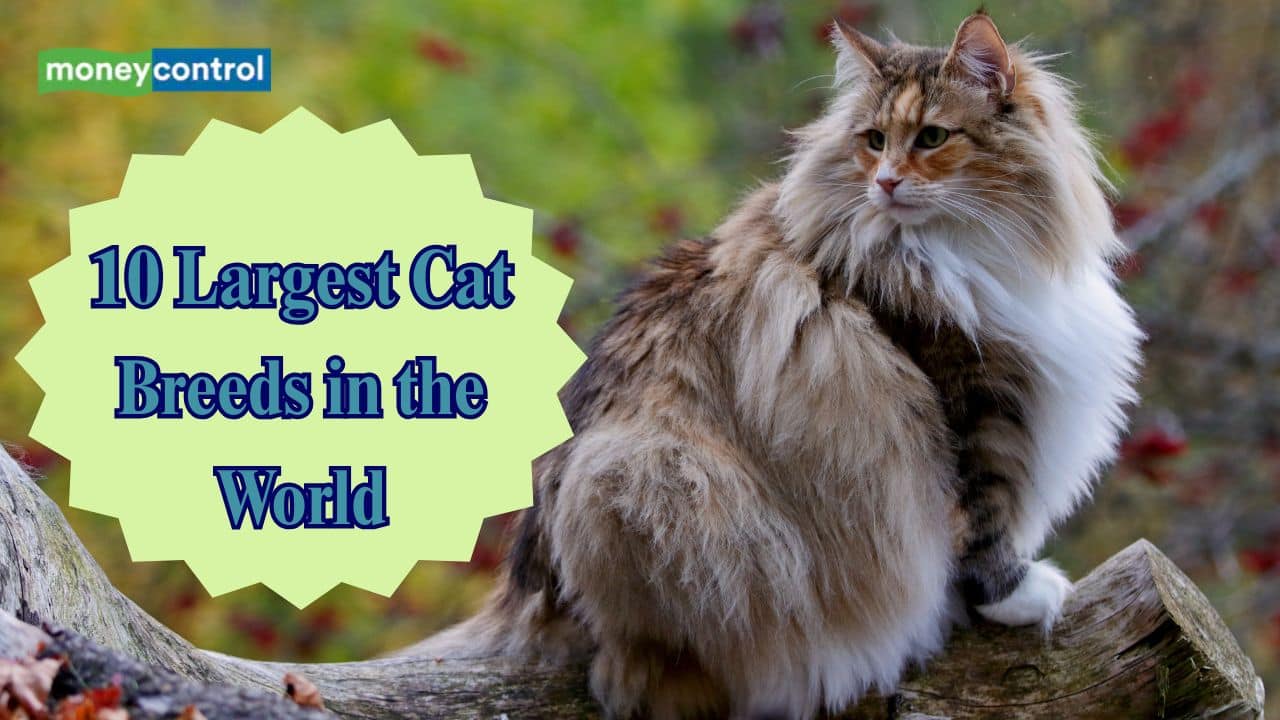
Have you ever wondered which domestic cat breeds grow the longest? If you’re curious about cats that stand out not just in personality but also in size, you’re in the right place.
Discovering these long, graceful felines can change the way you see your furry friends. Whether you’re thinking about adding a new cat to your family or just love learning fun facts about pets, this guide will keep you hooked. Keep reading to find out which cat breeds take the prize for length—and why they might be the perfect match for you.
Top Giant Cat Breeds
Giant cat breeds captivate many with their impressive size and gentle personalities. These cats often become the gentle giants of the household, offering both companionship and a striking presence. If you’ve ever wondered which breeds top the list in length and stature, these five stand out for their remarkable size and unique traits.
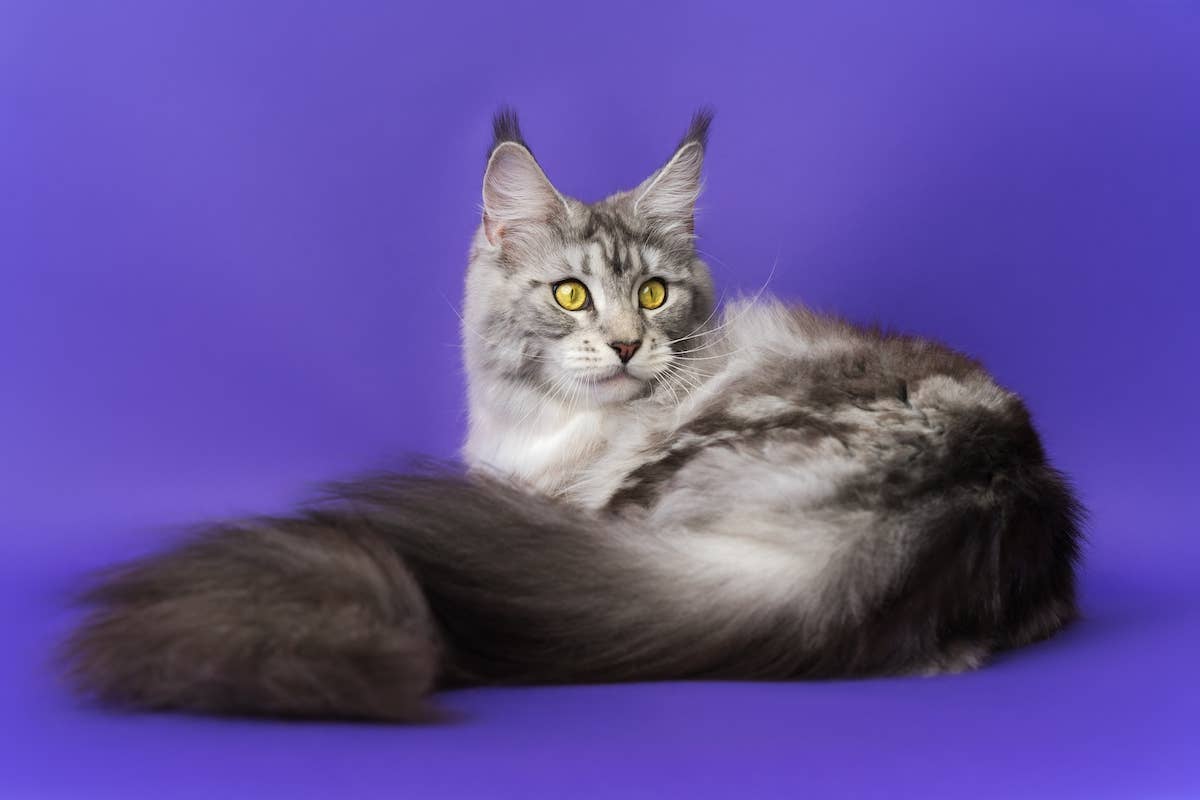
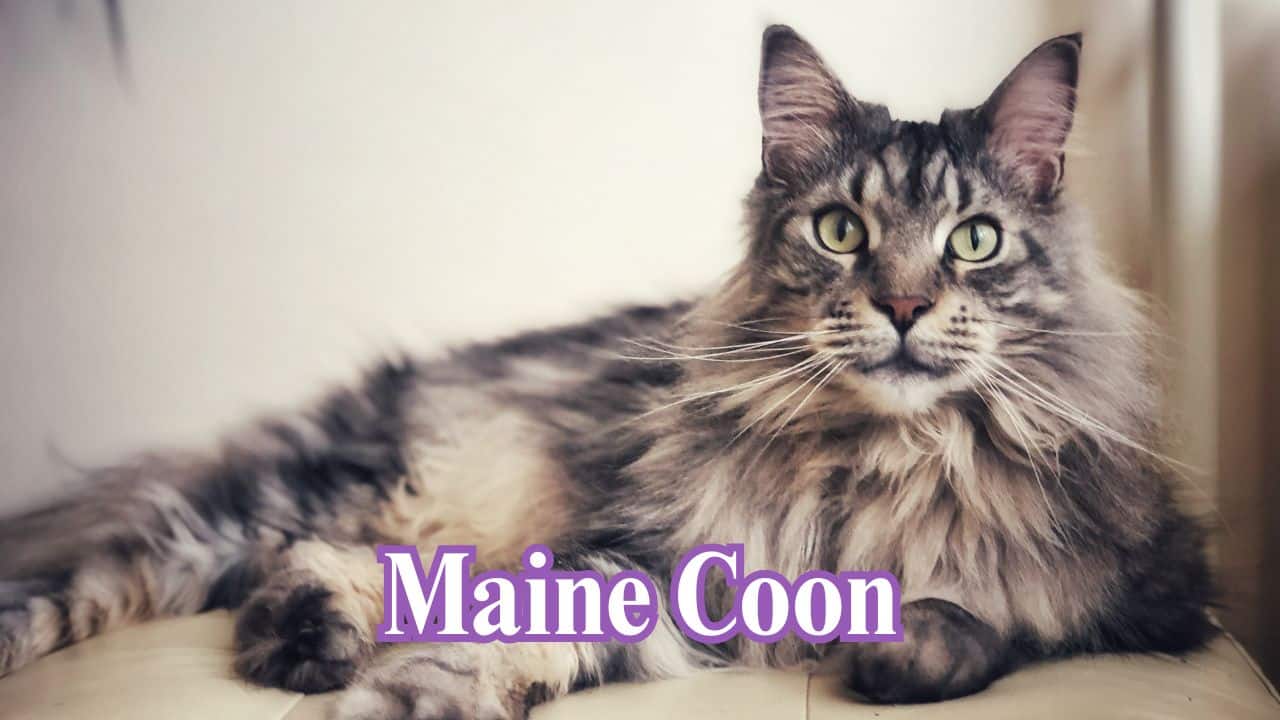
Maine Coon
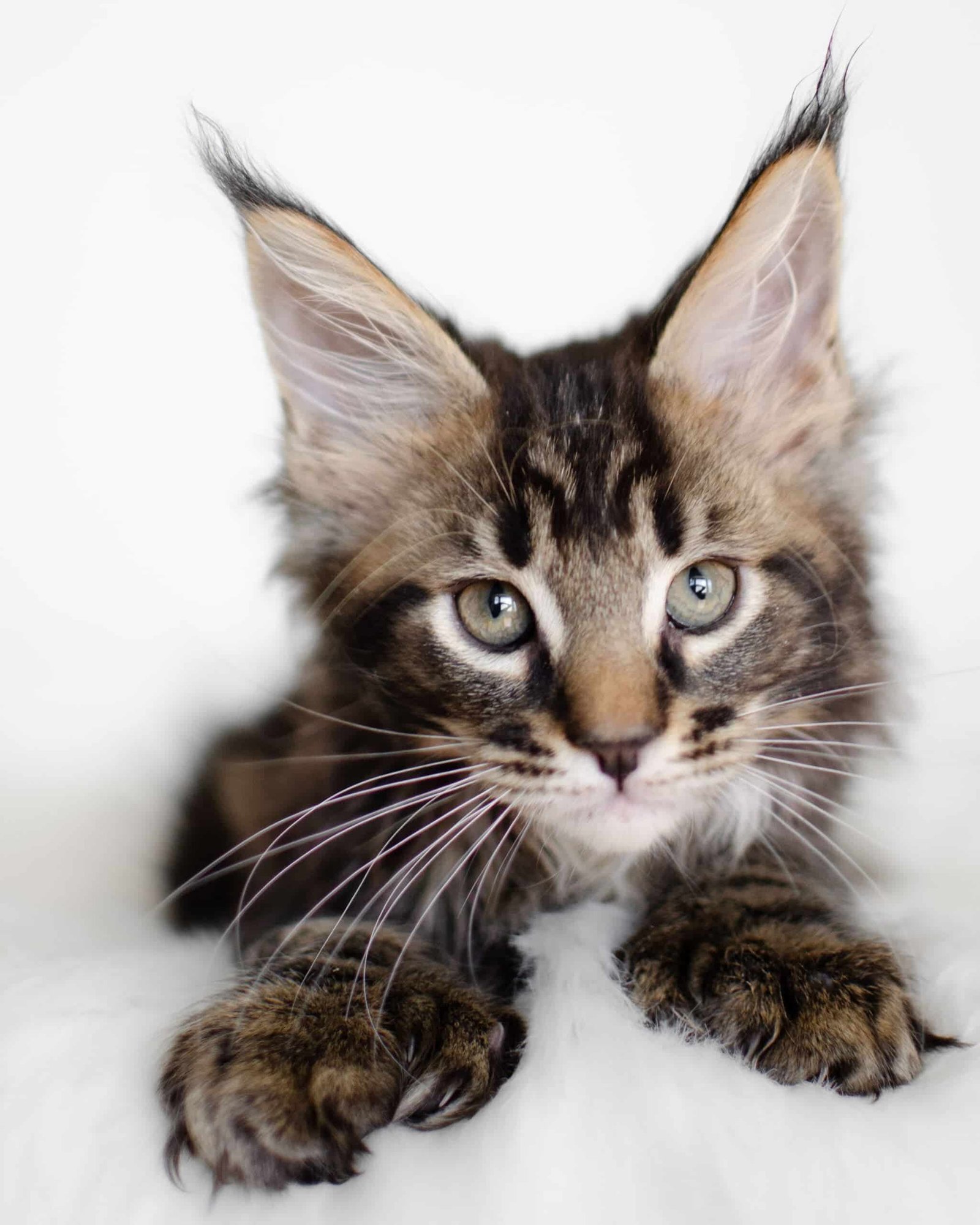
The Maine Coon is often called the “gentle giant” of domestic cats. They can reach lengths of up to 40 inches from nose to tail tip. Their thick fur and tufted ears give them a rugged look, but their temperament is calm and friendly, making them great family pets.
Many owners mention how their Maine Coons act more like dogs—following them around and even playing fetch. Have you noticed how their playful nature matches their large size perfectly?
Savannah Cat
The Savannah Cat is a hybrid breed, a mix between a domestic cat and a wild serval. This breed can grow very tall, sometimes reaching over 17 inches at the shoulder. Their long legs and spotted coats give them an exotic appearance that turns heads wherever they go.
Owning a Savannah means being ready for an active, curious companion. Their intelligence and energy can challenge your daily routine—are you prepared to keep up?
Norwegian Forest Cat
Known for its thick, water-resistant coat, the Norwegian Forest Cat is built to survive cold climates. They can grow up to 36 inches long, including their bushy tails. Their strong build and climbing ability make them natural explorers indoors and outdoors.
Imagine a cat that loves to climb shelves or window sills effortlessly. Does your home have enough vertical space for a forest cat’s adventures?
Ragdoll
Ragdolls earn their name from their tendency to go limp when held. These cats can reach impressive lengths of up to 42 inches. Their soft, semi-long fur and blue eyes make them a favorite among cat lovers seeking a calm and affectionate pet.
Many Ragdoll owners say these cats are perfect for cuddling after a long day. How important is a relaxed, loving companion in your life?
Chausie
The Chausie is another hybrid breed, combining domestic cats with the wild jungle cat. They have a sleek, athletic build and can measure up to 18 inches tall. This breed requires plenty of playtime and mental stimulation to stay happy.
If you enjoy interactive play and training your cat, a Chausie might be an exciting choice. Are you ready to engage with a cat that thinks fast and moves even faster?
Credit: pethelpful.com
Measuring Cat Length
Measuring a cat’s length helps understand its size and breed traits. It shows how long a cat really is from head to tail. Accurate measurement is key for comparing different cat breeds. It also helps to appreciate the unique features of the longest domestic cats.
Body Length Vs Tail Length
Body length means the distance from the cat’s nose to the base of its tail. Tail length is measured from the base to the tip of the tail. Both parts add to the total length of a cat. Some breeds have longer bodies, while others have longer tails. Knowing the difference helps to spot the longest parts of each breed.
Standard Measurement Techniques
Measure a cat on a flat surface for accuracy. Use a soft measuring tape for easy handling. Follow these steps:
- Place the cat in a relaxed, stretched position.
- Measure the body from nose to tail base.
- Measure the tail from base to tip separately.
- Record the numbers clearly for comparison.
Repeat measurements a few times for the best results. Avoid forcing the cat to stretch as it may cause stress. Gentle handling provides more precise data.
Physical Traits Of Giant Cats
Giant cat breeds captivate with their majestic presence. They stand out with unique physical traits that set them apart from smaller cats. These traits contribute to their impressive size and grandeur.
Muscular Build
Giant cats possess a strong, muscular build. Their bodies are robust and well-defined. This muscular structure supports their large size. It also provides them with agility and strength.
Coat Characteristics
Their coats vary in texture and length. Some have long, flowing fur. Others feature short, dense coats. These different coats offer a range of visual appeal. They also provide insulation and protection.
Eye And Ear Features
Giant cats often have striking eyes. These eyes are large and expressive. Their ears are typically pointed and well-proportioned. These features add to their regal appearance.
Personality Traits Of Large Breeds
Large domestic cat breeds are not just known for their impressive size. Their personality traits stand out too. These cats often have unique temperaments and behaviors that make them special companions. Understanding their traits helps owners provide the best care and environment.
Temperament
Large cat breeds tend to be gentle giants. They are calm and patient, making them great family pets. Many enjoy quiet moments and prefer a peaceful home. Despite their size, they often show a sweet and loving nature. They can be loyal and form strong bonds with their owners.
Activity Levels
Big cats can be playful but not overly active. They enjoy short bursts of play and then rest. Some large breeds prefer lounging over running. They adapt well to indoor living with moderate exercise. Providing toys and climbing spaces keeps them entertained without too much effort.
Social Behavior
Large breeds usually get along well with other pets. They are often social and enjoy human company. Many like to be involved in family activities. These cats can be curious but respectful of personal space. Their social nature makes them good companions for children and adults alike.
Care Tips For Giant Cats
Giant domestic cats need special care to stay happy and healthy. Their size demands attention to diet, exercise, and health. Proper care helps them live longer and enjoy life fully.
Diet And Nutrition
Large cats require balanced meals to maintain their weight and energy. Feed them high-protein food to support muscle growth. Portion control is important to prevent obesity.
- Choose quality cat food with real meat.
- Include wet food for hydration.
- Avoid too many treats or fillers.
Exercise Needs
Exercise keeps giant cats agile and strong. Provide toys and climbing spaces for daily activity. Play sessions help prevent boredom and related behavior issues.
- Use interactive toys like feather wands.
- Create vertical spaces for climbing.
- Encourage short, frequent play times.
Health Considerations
Large cats can face unique health problems. Regular vet visits detect issues early. Monitor joints and heart health closely due to their size.
- Schedule annual checkups.
- Watch for signs of arthritis or breathing problems.
- Keep vaccinations and parasite control up to date.
Credit: paradepets.com
Adopting A Large Cat
Adopting a large cat is a rewarding experience. These gentle giants bring charm and warmth to any home. Large cat breeds need special care and space to thrive. Understanding their needs helps create a happy environment for both you and your pet.
Finding Reputable Breeders
Choose breeders who prioritize the health and wellbeing of cats. They should provide clear information about the cat’s lineage and health history. Visit the breeder’s facility to see living conditions. Avoid breeders who cannot answer your questions or show paperwork. A good breeder supports you even after adoption.
Adoption Centers
Many shelters have large cats waiting for homes. Adoption centers often rescue cats from difficult situations. Staff can help match you with a cat that fits your lifestyle. Adoption fees usually cover vaccinations and spaying or neutering. Giving a home to a shelter cat saves lives.
Preparing Your Home
Create space for your large cat to move freely and comfortably. Provide sturdy furniture and large beds suitable for bigger cats. Keep litter boxes clean and accessible. Use wide food and water bowls to avoid spills. Remove fragile items and secure wires to prevent accidents.
Credit: www.moneycontrol.com
Frequently Asked Questions
What Are The Longest Domestic Cat Breeds?
The longest domestic cat breeds include the Maine Coon, Savannah, and Norwegian Forest Cat. These cats have impressive body lengths and are known for their large size and muscular build.
How Big Can Maine Coon Cats Grow?
Maine Coon cats can grow up to 40 inches long, including their tail. They are one of the largest domestic cat breeds, known for their friendly nature and thick fur.
Are Savannah Cats Considered A Long Breed?
Yes, Savannah cats are among the longest domestic cat breeds. They can reach up to 20 inches in length and are known for their tall, slender bodies and wild appearance.
What Makes Norwegian Forest Cats So Long?
Norwegian Forest Cats have long bodies due to their dense fur and strong bones. Their size helps them adapt to cold climates and climb trees efficiently.
Conclusion
These long domestic cat breeds bring charm and grace to any home. Their size makes them stand out in the crowd. They offer unique personalities alongside their impressive length. Choosing one means enjoying a gentle giant’s company. Each breed has special traits worth knowing.
Cats of this kind need love and care, just like any pet. They make great companions for many families. Remember, a longer cat is still a loving friend. Explore these breeds to find your perfect feline match.

Leave a Reply