Have you ever watched your cat spending hours licking its fur and wondered, “Why do cats groom constantly?” It’s not just about looking clean or cute.
Your feline’s grooming habits reveal a lot about their health, mood, and even how they feel safe in their environment. Understanding these behaviors can help you connect better with your furry friend and spot any signs of trouble early on.
Keep reading, and you’ll discover the surprising reasons behind your cat’s nonstop grooming—and what it means for their well-being.
Grooming And Cat Hygiene
Cats spend a surprising amount of time grooming themselves, and this behavior plays a vital role in their overall hygiene. Grooming keeps their fur and skin clean, which is essential for their health and comfort. Understanding why your cat grooms constantly can help you appreciate how important this daily ritual is.
Cleaning Fur And Skin
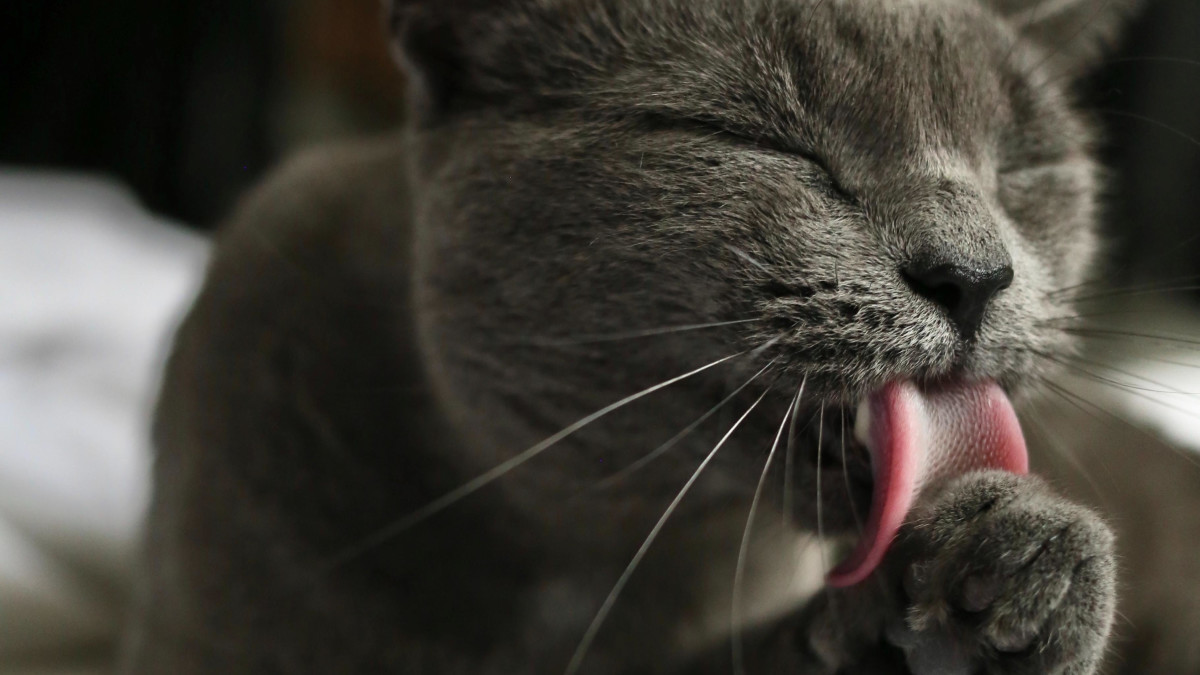
Grooming helps cats remove dirt, dust, and other particles from their fur. Their tongues are covered in tiny, hook-like structures that act like a natural brush. This helps to smooth the fur and keep it neat.
Have you ever noticed your cat licking a particular spot repeatedly? This focused grooming helps remove oils and debris that can build up on their skin. It also stimulates blood flow, which supports healthy skin.
Removing Loose Hair And Dirt
Cats shed hair regularly, and grooming is their way to manage this shedding. By licking themselves, they pull away loose fur before it falls off, reducing the amount of hair left around your home.
This self-cleaning also helps prevent mats and tangles, especially in long-haired breeds. If you have a cat that grooms excessively, consider checking for skin issues or parasites that might be causing discomfort.
Credit: pethelpful.com
Temperature Regulation
Cats groom constantly to manage their body temperature effectively. Their fur and skin play key roles in this process. Grooming helps cats stay cool when it’s hot and warm when it’s cold. This natural behavior supports their comfort and health every day.
Cooling Through Saliva
Cats use saliva to cool down. When they lick their fur, saliva spreads across the hair. As the saliva evaporates, it lowers the cat’s body temperature. This is similar to how sweat cools humans. Grooming acts like a natural air conditioner for cats.
Maintaining Body Heat
In cold weather, grooming helps cats keep warm. Licking their fur fluffs it up. This traps warm air close to their skin. Grooming also removes dirt and debris that can reduce insulation. Clean, fluffy fur holds heat better and keeps cats cozy.
Stress And Anxiety
Cats groom themselves not only to stay clean but also to manage stress. Stress and anxiety can make a cat lick and clean more than usual. Grooming serves as a way to calm down and feel safe. Recognizing when grooming is due to stress helps in caring better for your pet.
Grooming As A Calming Mechanism
Grooming releases endorphins in a cat’s brain. These chemicals create a feeling of comfort. When a cat feels scared or uneasy, grooming helps reduce tension. It acts like a natural stress reliever. Cats often lick their fur to distract themselves from fears or changes in their environment.
Signs Of Excessive Grooming
Too much grooming can cause bald spots or red skin. Watch for areas with missing fur or scabs. Over-grooming might make your cat lick one spot repeatedly. This behavior shows that the cat feels stressed or anxious. If you see these signs, it might be time to consult a vet or behavior expert.
Credit: pethelpful.com
Social Bonding
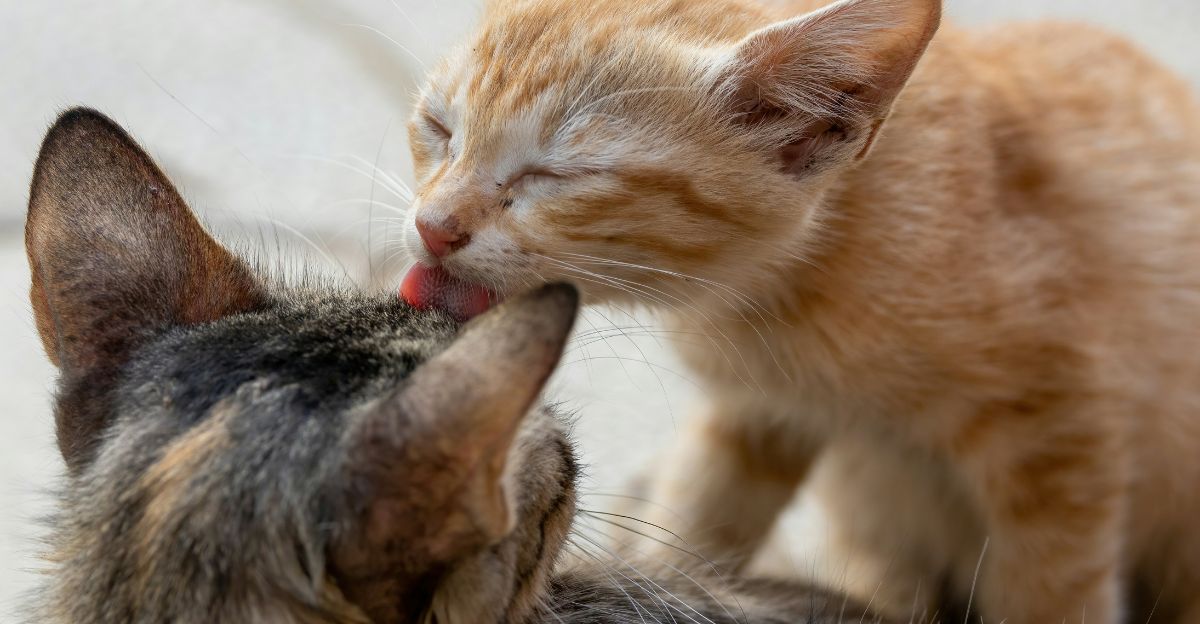
Cats groom each other to build strong social bonds and show trust. This behavior helps them feel safe and connected within their group. Grooming also reduces stress and keeps their fur clean.
Cats groom each other to strengthen their social ties. This behavior helps build trust and friendship. Grooming is not just about staying clean. It plays a significant role in feline social life.Mutual Grooming Among Cats
Mutual grooming occurs when cats groom each other. It usually happens among cats that share a close bond. This act is called allogrooming. It often focuses on the head and neck areas. Cats find these areas hard to reach on their own. Grooming each other helps them maintain cleanliness. It also promotes a sense of comfort and belonging. Cats that groom each other often feel more relaxed and secure.Strengthening Relationships
Grooming is a way cats show love and care. It strengthens their relationships over time. This behavior helps reduce tension in multi-cat households. Grooming exchanges pheromones, reinforcing their bond. Cats that groom each other are likely to play together. They share resources without conflict. This behavior fosters a peaceful environment. Cats groom to communicate affection and trust. It is their language of friendship.Health Indicators
Cats grooming themselves constantly isn’t just about staying clean. It also signals how healthy they are. Watching how and where your cat grooms can give you clues about their skin and overall well-being.
Detecting Skin Issues
Have you noticed your cat licking one spot more than others? That repeated grooming might mean an irritation or a skin problem. Cats often focus on areas where the skin feels uncomfortable or itchy.
Look closely at the fur around those spots. Is it thinning or missing? Are there any red patches or scabs? These signs often show up before your cat’s behavior changes noticeably.
Checking your cat’s grooming habits regularly can help you catch skin conditions early. This way, you can get treatment before the problem worsens. Have you ever found a hidden skin issue just by watching your cat’s grooming patterns?
Response To Parasites
Parasites like fleas or mites cause intense itching, making cats groom excessively. If your cat suddenly starts grooming more than usual, it could be their way of fighting these pests.
Sometimes you might even spot tiny black specks or flea dirt in their fur. Other times, the skin might look irritated or inflamed from constant scratching. Don’t ignore these signs; they tell you your cat needs help.
Regularly checking your cat’s coat and skin can prevent a minor parasite problem from becoming a major health issue. What’s your routine for spotting these pesky invaders early on?
Behavioral Reasons
Cats groom themselves not just to stay clean but also due to several behavioral reasons that shape their daily routines. Understanding these behaviors helps you connect better with your feline friend and recognize when grooming is just a habit versus when it might signal something else. Let’s dive into why your cat might be licking and cleaning itself so often.
Habitual Grooming
Grooming is a deeply ingrained habit for cats. It’s something they do almost automatically, much like brushing your hair every morning. This routine helps them feel calm and secure, especially after waking up or before settling down to rest.
Think about your cat after a nap—chances are, it immediately starts grooming. This behavior is comforting and creates a sense of order in their day. If your cat suddenly stops this habit, it might be a sign to check for health issues or stress.
Attention-seeking Behavior
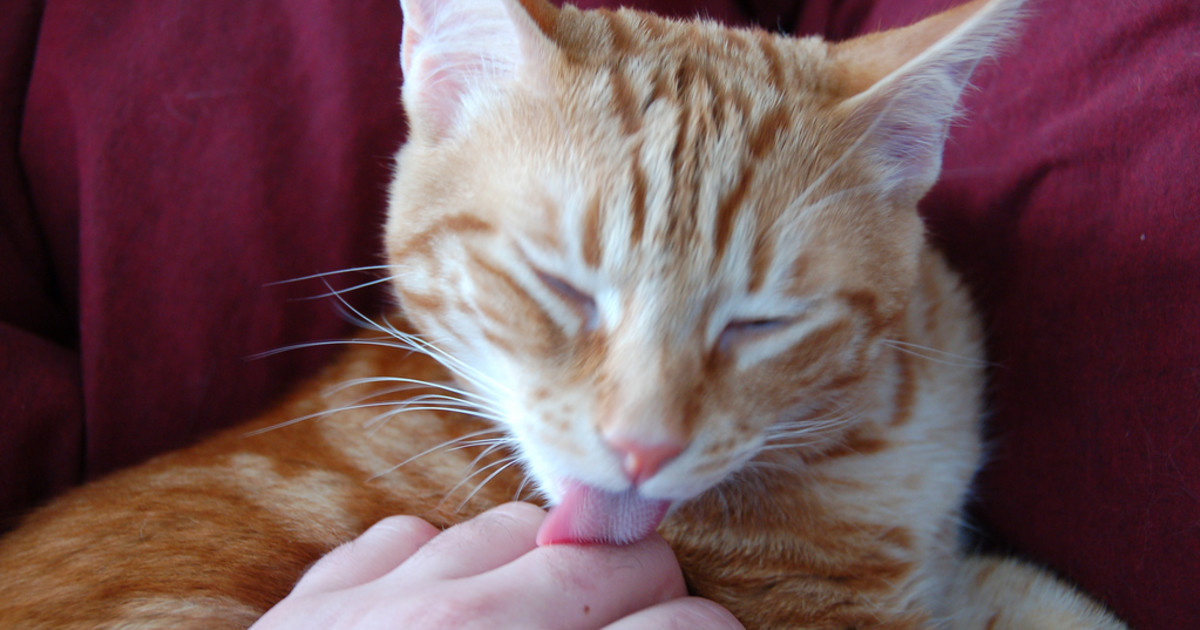
Sometimes, your cat grooms itself to get your attention. If you notice your cat licking excessively when you’re nearby, it might be trying to communicate or draw you in for interaction. Cats quickly learn that certain behaviors get a response from their humans.
Have you ever caught your cat mid-lick just as you sit down? It’s not random. They might be saying, “Look at me!” or “Pet me now!” Recognizing this can help you respond better to your cat’s social needs and strengthen your bond.

Credit: www.latimes.com
Frequently Asked Questions
Why Do Cats Groom Themselves So Often?
Cats groom to clean their fur, remove dirt, and control body temperature. Grooming also helps distribute natural oils, keeping their coat healthy and shiny.
Can Excessive Grooming Indicate Health Problems?
Yes, excessive grooming can signal stress, allergies, or skin infections. If your cat grooms too much, consult a vet for proper diagnosis.
How Does Grooming Benefit A Cat’s Health?
Grooming removes loose fur and prevents mats. It also helps reduce parasites and promotes better blood circulation, contributing to overall well-being.
Do Cats Groom To Show Affection?
Yes, cats groom themselves and others as a social bonding behavior. Grooming helps strengthen relationships between cats and with their owners.
Conclusion
Cats groom themselves to stay clean and healthy. This behavior helps remove dirt and loose fur. Grooming also cools them down and reduces stress. Sometimes, cats groom more when they feel anxious or uncomfortable. Watching a cat groom shows how much they care for their body.
Understanding why cats groom helps us care for them better. Keep an eye on your cat’s grooming habits for any changes. Healthy grooming means a happy, comfortable cat.

Leave a Reply