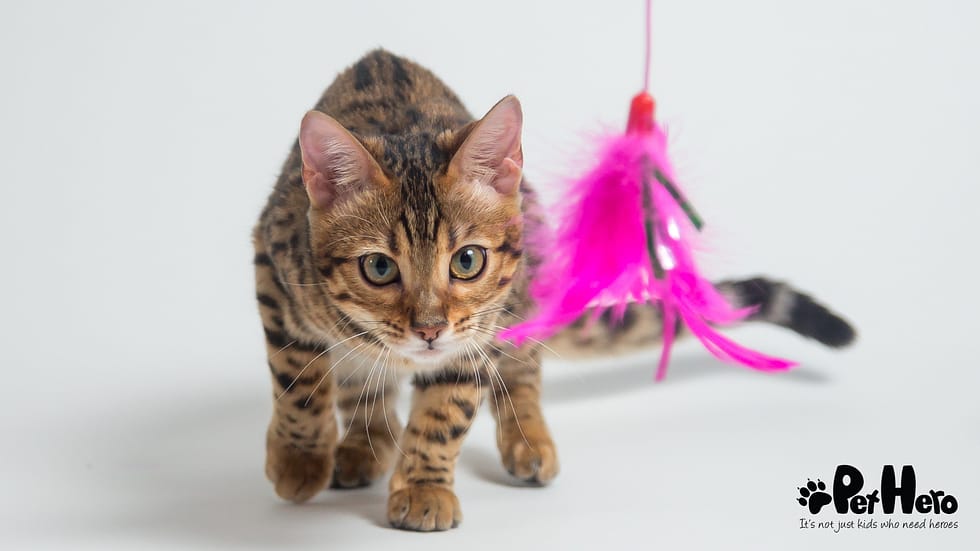
Have you ever noticed your cat toy acting more aggressive than playful? It can be confusing and even a little frustrating when something meant for fun suddenly seems to have a wild side.
You might be wondering why your cat toy behaves this way and what it means for your furry friend. Understanding this unexpected aggression can help you create a safer, happier playtime for both you and your cat. Keep reading to discover the surprising reasons behind your cat toy’s aggressive behavior and how to handle it effectively.
Signs Of Aggressive Cat Toys
Recognizing the signs of aggressive behavior in cat toys helps keep playtime safe. Aggressive cat toys can cause frustration or injury for your cat. Identifying these signs early prevents unwanted problems. Watch your cat closely during play to spot any changes.
Common Behaviors To Watch
- Intense biting or clawing of the toy
- Sudden growling or hissing while playing
- Overly rough shaking or tossing of the toy
- Fixation on the toy to the point of obsession
- Aggressive pouncing or stalking motions
When Play Turns Rough
Play becomes rough if your cat shows signs of stress or anger. Watch for fast, jerky movements and loud vocalizations. Your cat may swat at the toy with extra force. This can cause damage to the toy or hurt your cat. Stop play immediately if these signs appear. Choose softer, safer toys to reduce rough play. Gentle interaction keeps your cat happy and healthy.

Credit: deziroo.com
Causes Behind Aggression
A cat toy showing aggressive behavior can confuse many pet owners. Understanding the reasons behind this aggression helps in choosing better toys. It also improves your cat’s playtime experience.
Several factors influence why a cat toy might provoke aggressive reactions. These include the toy’s material, scent, texture, and how the cat interacts with it during play. Exploring these causes helps in making smarter decisions for your feline friend.
Material And Design Flaws
Some toys are made with hard or sharp parts that hurt cats. Poor design can cause discomfort or frustration during play. Toys that break easily might expose small pieces, which can be dangerous. Cats may react aggressively if the toy feels unsafe or irritating.
Scent And Texture Triggers
Cats rely heavily on smell. A toy with a strong or strange scent can cause stress or excitement. The texture also matters. Rough or sticky surfaces can annoy cats, making them react aggressively. Soft, smooth toys usually work better for calm play.
Overstimulation And Frustration
Playtime that lasts too long can tire cats quickly. Overstimulation can lead to sudden aggressive bites or swats. If a toy is too hard to catch or manipulate, it can cause frustration. Short, engaging sessions with easy-to-handle toys keep cats happy and relaxed.
Impact On Your Cat’s Behavior
Understanding why your cat exhibits toy aggression is essential. It can affect your cat’s behavior significantly. Aggression towards toys can reflect deeper issues. Let’s explore how this impacts your cat’s behavior.
Stress And Anxiety Effects
Cats may become toy aggressive due to stress. Stress in cats arises from various sources. Changes in the environment, new pets, or lack of stimulation can cause stress. When stressed, cats may take it out on their toys. This can be a way for them to cope.
Anxious cats often display aggression during play. Anxiety can cause heightened sensitivity. This makes them react more aggressively. Understanding these behaviors can help address their stress.
Changes In Play Patterns
Aggression can alter a cat’s play habits. Previously gentle play may become rough. Cats may start to favor certain toys over others. This change indicates a shift in their mood or comfort level.
Watch how your cat interacts with toys. Notice any new aggressive patterns. Addressing these changes early can prevent further behavioral issues. Observing and adjusting playtime can lead to a happier cat. Recognizing these signs is important for their well-being.

Credit: justcatsclinic.com
Choosing Safe And Friendly Cat Toys
Choosing safe and friendly cat toys is important for your cat’s happiness and health. Toys should encourage play without causing stress or aggression. The right materials and design help keep cats calm and engaged. Avoid toys that might trigger rough behavior or harm. Understanding what makes a toy safe helps you select the best options for your feline friend.
Materials That Calm Cats
Certain materials help cats feel relaxed during play. Soft fabrics like cotton and fleece are gentle on their paws. Natural fibers such as sisal or wool attract cats without causing irritation. Avoid hard plastics or rough materials that can cause discomfort or stress. Toys with catnip or silvervine often have a calming effect. These materials encourage gentle play and reduce aggressive reactions.
Features To Avoid
Sharp edges or small parts can hurt your cat or cause choking. Loud noises from noisy toys can scare or stress cats. Avoid overly complex toys that confuse or frustrate them. Strings or ribbons may cause harm if swallowed. Stay away from toys that look like prey but encourage aggressive biting. Simple, safe designs work best to keep play fun and friendly.
Top Recommended Toy Types
- Soft plush toys filled with catnip
- Interactive feather wands for gentle chasing
- Small balls made of natural materials
- Scratching posts wrapped in sisal rope
- Laser pointers for light chasing without contact
These toys promote safe, active play and reduce aggressive behavior. They keep cats entertained without causing stress or harm. Choose toys that suit your cat’s personality and play style.
Tips To Reduce Toy Aggression
Reducing toy aggression in cats helps create a happy and safe playtime. It also strengthens the bond between you and your pet. Small changes in how you introduce and use toys can make a big difference. Follow these tips to encourage gentle and fun play.
Proper Toy Introduction
Introduce new toys slowly to avoid overwhelming your cat. Let your cat sniff and explore the toy without pressure. Show excitement to encourage curiosity. Avoid forcing interaction if your cat seems scared or aggressive. Give time for adjustment to the new play item.
Interactive Play Techniques
Use toys that move or mimic prey to engage your cat’s natural hunting instincts. Hold the toy at different heights and speeds to keep interest high. Pause often to let your cat “catch” the toy. Avoid using your hands or feet as toys to prevent biting or scratching. Praise calm and gentle behavior during play.
Regular Toy Rotation
Keep playtime fresh by rotating toys every few days. Store some toys away and bring them back later. This prevents boredom and reduces aggressive reactions. Different textures and shapes offer varied stimulation. Rotate between soft, noisy, and moving toys for balanced play.
When To Seek Professional Help
Knowing when to seek professional help is important for your cat’s well-being. Aggressive behavior in cats can signal deeper health or emotional issues. Early intervention can prevent problems from worsening. Professionals have the tools and knowledge to find the root cause. They provide tailored advice to improve your cat’s behavior and health. Acting quickly helps keep both you and your cat safe and happy.
Veterinary Advice
Veterinarians check for medical reasons behind aggression. Pain, illness, or injury can cause sudden behavior changes. They perform physical exams and run tests if needed. Treating underlying health issues often reduces aggression. Vets also guide on safe ways to manage aggressive cats. Never ignore aggressive behavior that appears suddenly or worsens fast.
Behaviorist Consultations
Animal behaviorists specialize in understanding cat actions. They observe your cat and identify triggers for aggression. Behaviorists create plans to change negative habits safely. They teach owners techniques to calm and redirect cats. These experts help improve communication between you and your pet. Consult a behaviorist if aggression affects daily life or safety.
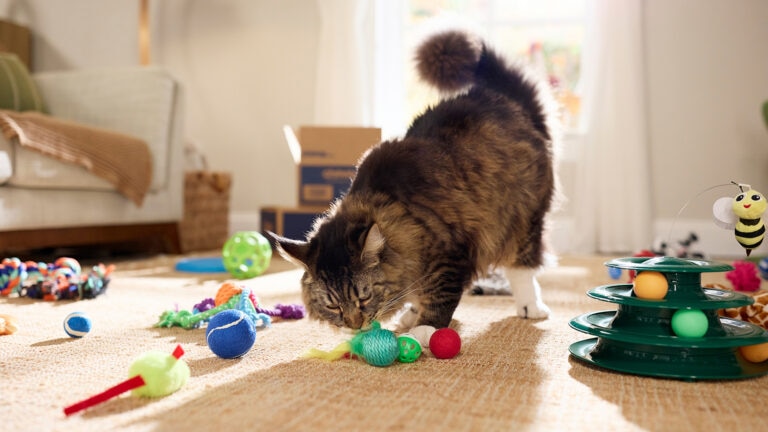
Credit: www.chewy.com
Frequently Asked Questions
Why Is My Cat Toy Aggressive During Playtime?
Aggressive play in cats often mimics hunting behavior. Toys trigger their natural instincts to chase and pounce. This behavior is normal but can seem intense if your cat is highly energetic or stressed.
Can Aggressive Cat Toys Harm My Pet?
Most cat toys are designed to be safe. However, overly aggressive play can cause minor scratches or bites. Supervise playtime and choose durable, non-toxic toys to prevent injury.
How Can I Reduce My Cat Toy’s Aggressive Behavior?
Redirect your cat’s energy with interactive toys and regular play sessions. Avoid using your hands as toys. Provide a calm environment to reduce stress-related aggression.
Is Aggressive Play A Sign Of A Health Issue?
Aggressive play is usually normal but can indicate stress or pain if excessive. Monitor your cat’s behavior and consult a vet if aggression worsens or seems unusual.
Conclusion
Aggressive behavior in cat toys often reflects natural cat instincts. Cats use toys to practice hunting and chasing skills. Sometimes, they bite or scratch out of excitement or stress. Understanding why your cat acts this way helps you choose the right toys.
Offer safe, soft toys to reduce rough play. Spend time playing gently to teach good habits. Watching your cat’s reactions can guide better toy choices. Happy playtime builds trust and keeps your cat healthy. Simple changes make a big difference in your cat’s behavior.

Leave a Reply