Have you ever wondered what breeds make a hairless cat so unique and fascinating? If you’re curious about these special feline friends, you’re in the right place.
Hairless cats aren’t just unusual-looking—they have interesting stories and traits behind their smooth skin. By the end of this article, you’ll know exactly which breeds give rise to these striking cats and why they stand out from the crowd. Ready to discover the secrets behind hairless cats?
Keep reading to uncover everything you need to know.
Credit: animals.howstuffworks.com
Hairless Cat Origins
Hairless cats often catch your eye with their unique looks, but have you ever wondered where this trait actually comes from? The origins of hairless cats trace back to natural genetic changes and careful breeding. Understanding these origins gives you insight into why these cats are so special and what makes them stand out in the feline world.
Genetic Mutation Behind Hairlessness
The hairless trait in cats is caused by a natural genetic mutation. This mutation affects the way hair follicles develop, resulting in little to no fur growth. It’s fascinating to realize that this unique appearance is not a human invention but a rare genetic quirk found in nature.
Not all cats with this mutation are the same; some might have a little fuzz, while others are completely hairless. This variation depends on the specific gene and how it expresses itself. Have you ever seen a cat that looks almost bald but still feels warm to the touch?
Early Hairless Cat Breeds
The first well-known hairless cat breed is the Sphynx, which originated in the 1960s in Canada. A natural hairless kitten was born to a regular cat, sparking interest in breeding and refining this unique trait. The Sphynx breed became famous for its friendly personality and striking appearance.
Besides the Sphynx, other breeds like the Peterbald and the Donskoy also show hairlessness. These breeds come from Russia and have different types of hairless coats, showing how diverse hairless cats can be. If you want a hairless cat, exploring these breeds gives you a chance to find one that fits your lifestyle and personality perfectly.
Sphynx Cat
The Sphynx cat stands out as one of the most fascinating hairless cat breeds. Its unique appearance often sparks curiosity and admiration. But beyond the lack of fur, this breed has a rich history and distinctive traits that make it truly special.
History And Development
The Sphynx breed began with a natural genetic mutation in the 1960s in Canada. A hairless kitten was born to a domestic cat, sparking interest among breeders. Through careful breeding, the Sphynx’s hairless trait was stabilized while maintaining good health and temperament.
Its name comes from its resemblance to the ancient Egyptian Sphinx statues, although it has no direct connection to Egypt. The breed gained popularity quickly due to its unusual look and affectionate nature.
Physical Traits
Without fur, the Sphynx reveals its muscular body and wrinkled skin. You can easily feel its warm, suede-like texture when you pet one. Their large ears and lemon-shaped eyes add to their expressive face.
- Average weight ranges between 6 to 12 pounds.
- Skin colors and patterns vary just like furred cats.
- They have a higher body temperature than other cats, which helps them stay warm.
Because they lack fur, Sphynx cats need regular skin care to remove oils that would normally be absorbed by fur. This means you might find yourself giving more baths than you expect.
Personality And Temperament
Sphynx cats are known for their affectionate and social nature. They often seek human attention and enjoy being part of family activities. You’ll notice they love to cuddle, almost like a warm little heater on a cold day.
They are playful and curious, making them fun companions. Their intelligence means they can learn tricks and enjoy interactive toys. If you want a cat that actively engages with you, a Sphynx might be a great match.
Have you ever considered how a pet’s personality affects your daily routine? Owning a Sphynx means you’ll likely have a lively, loving friend who demands your attention in the best way possible.
Peterbald Cat
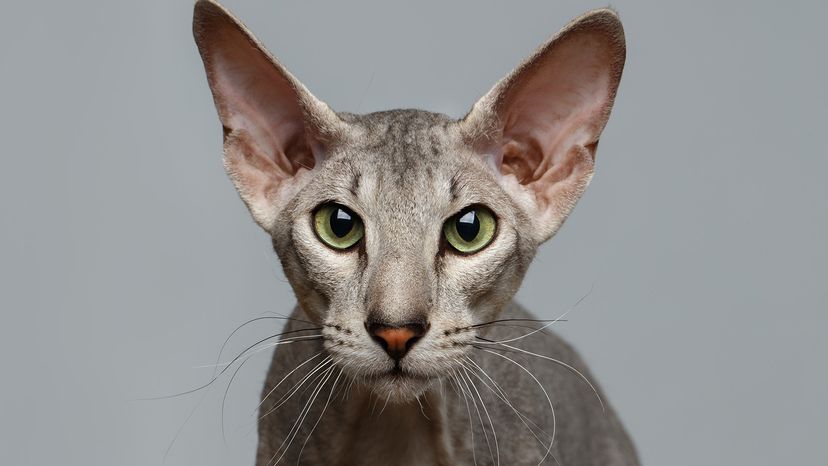
The Peterbald cat is an elegant, hairless breed. It originated in Russia and quickly gained popularity. Known for their unique appearance, Peterbalds are friendly and social. Their sleek, smooth skin makes them stand out among feline breeds.
Breed Creation
The Peterbald breed began in 1994 in St. Petersburg, Russia. A Donskoy male and an Oriental Shorthair female were bred together. This combination resulted in the first Peterbald kittens. The breed grew in popularity due to its unique look. Breeders focused on maintaining its distinct hairless trait. The breed was officially recognized in the late 1990s.
Distinctive Features
Peterbald cats have a striking appearance. They have a slender, muscular build. Their heads are wedge-shaped with almond eyes. The skin is soft and warm to the touch. Some Peterbalds have a peach-fuzz covering. Others are completely hairless. Their large ears give them a distinctive look. These features contribute to their unique charm.
Behavior And Care
Peterbalds are known for their friendly nature. They enjoy human interaction and are very affectionate. These cats are social and get along well with other pets. They have a playful and curious demeanor. Caring for a Peterbald requires special attention. Their skin needs regular cleaning to prevent oil buildup. They may need sunscreen if exposed to direct sunlight. Their diet should be balanced to maintain their slim physique. Regular vet visits are essential for their health.
Donskoy Cat
The Donskoy cat is a rare breed known for its hairless body and warm skin. This unique feline stands out with its smooth, soft feel and striking appearance. Many cat lovers find the Donskoy fascinating due to its unusual look and friendly nature.
Origins In Russia
The Donskoy cat comes from Russia, near the Don River. It first appeared in the late 1980s. A stray cat named Varvara showed a genetic mutation causing hairlessness. Breeders began to develop the breed from her descendants. The Donskoy is also called the Don Sphynx, but it is different genetically from the Canadian Sphynx.
Unique Hairlessness
The hairlessness of the Donskoy is caused by a dominant gene. Unlike some other hairless cats, Donskoy cats can have wrinkles on their skin. Their skin can feel warm and suede-like. Some Donskoy cats may have a short, fine fuzz. This fuzz can vary in thickness and texture. Their hairless trait means they need extra care to stay warm.
Temperament And Needs
Donskoy cats are friendly, playful, and intelligent. They enjoy human company and are very social. These cats need warmth and protection from cold. Owners should provide soft bedding and warm clothes in winter. Regular skin care is important to avoid oil build-up. Donskoy cats like interactive toys and mental stimulation. They adapt well to indoor living and enjoy attention.
Bambino Cat
The Bambino cat is a unique breed known for its hairless body and short legs. This small feline combines traits from two distinct breeds, creating a charming and unusual appearance. Bambinos are perfect for people who want a playful and affectionate companion without the fuss of grooming fur.
Crossbreed Background
The Bambino is a crossbreed between the Sphynx and the Munchkin cat. Breeders aimed to mix the Sphynx’s hairless trait with the Munchkin’s short legs. This combination produces a cat with a smooth, bare skin and a compact, low-to-the-ground body. The breed is relatively new and rare, with a growing fan base among cat lovers.
Appearance And Size
Bambinos have a small, muscular build with very short legs. Their skin feels warm and soft, often showing wrinkles around the neck and face. The ears are large and pointed, standing out against their smooth heads. Their eyes are almond-shaped and expressive. Bambinos usually weigh between 5 and 9 pounds, making them a petite and sturdy pet.
Personality Traits
Bambino cats are lively and curious. They enjoy playing and exploring their surroundings. These cats form strong bonds with their owners and love attention. Bambinos are social and often get along well with other pets. Despite their unusual look, they are gentle and affectionate companions.
Elf Cat
The Elf Cat is a unique breed known for its distinct look and lack of fur. It stands out with its hairless body and striking ears. This breed has gained attention for its unusual appearance and playful nature. Understanding its origins and traits helps appreciate this special cat.
Breed Formation
The Elf Cat began by crossing two rare breeds: the Sphynx and the American Curl. Breeders aimed to combine hairlessness with curled ears. This mix created a cat with a smooth body and unique ear shape. The breed is still new but growing in popularity worldwide.
Ears And Hairlessness
The Elf Cat’s most notable feature is its curled ears. These ears curl backward, giving the cat a curious look. Its hairlessness means the skin is soft and warm to touch. Some fine fuzz may cover the body, but it feels almost hairless. The combination of ears and skin makes the Elf Cat very distinct.
Character And Socialization
Elf Cats are friendly and enjoy human company. They love to play and stay active throughout the day. These cats are curious and often seek attention. They adapt well to families and other pets. Early socialization helps them grow into confident, loving companions.
Care Tips For Hairless Cats
Hairless cats need special care to stay healthy and happy. Their lack of fur means their skin is exposed to the environment. This requires extra attention to keep their skin clean and protected. They also need help staying warm and eating the right food. Follow these care tips to provide the best life for your hairless cat.
Skin Care Essentials
Hairless cats produce natural oils that build up on their skin. Regular baths help remove these oils and dirt. Use a gentle, cat-safe shampoo to avoid irritation. Wipe their skin with a damp cloth between baths to keep it fresh. Check for cuts or redness daily. Protect their skin from sunburn by limiting sun exposure or applying vet-approved sunscreen.
Temperature Sensitivity
Without fur, hairless cats feel cold easily. Keep your home warm, especially during winter. Provide cozy blankets and heated beds for extra comfort. Avoid drafts and cold floors where they rest. Watch for signs of shivering or discomfort. In hot weather, ensure they have shade and fresh water to prevent overheating.
Nutrition And Health
Hairless cats have a faster metabolism to keep warm. They need high-quality food with good protein and fat. Feed them balanced meals to support skin health and energy. Monitor their weight to prevent obesity or weight loss. Regular vet visits help catch health issues early. Stay up to date on vaccinations and parasite control.
:strip_icc()/spruce-pets-minskin-cat-a39902959c2a468c9d4a0dd40a043fcb.png)
Credit: www.thesprucepets.com
Choosing The Right Hairless Cat
Choosing the right hairless cat is important for a happy pet experience. Hairless cats have unique needs and personalities. Understanding these helps you pick a cat that fits your home and lifestyle.
Lifestyle Considerations
Hairless cats need special care to stay healthy. They require regular skin cleaning to avoid oil build-up. These cats are sensitive to cold and sun. Warm, indoor environments suit them best. Their high energy means they need toys and playtime daily. Consider your daily routine before choosing a hairless cat.
Compatibility With Families
Hairless cats can be friendly and social. They often bond closely with their owners. Families with older children are ideal. Young kids should be gentle and calm around the cat. Hairless cats may not tolerate rough play. Other pets can be okay if introduced slowly. Patience helps build trust between pets and cats.
Adoption And Breeder Advice
Adopt from shelters or rescue groups specializing in hairless cats. This gives a cat a second chance. Reputable breeders focus on health and temperament. Ask about the cat’s medical history and care needs. Visit the breeder or shelter before deciding. Good breeders and shelters provide support after adoption.
Credit: animals.howstuffworks.com
Frequently Asked Questions
What Breeds Are Naturally Hairless Cats?
The most well-known hairless cat breeds are the Sphynx, Peterbald, and Donskoy. These breeds have genetic mutations causing hairlessness or very fine fur. Each breed has unique characteristics but shares the common trait of minimal or no coat.
Are Hairless Cats Hypoallergenic?
Hairless cats are often considered hypoallergenic. They produce less dander, which reduces allergic reactions. However, no cat breed is completely allergy-free. People with allergies should spend time with hairless cats before adopting.
How Do Hairless Cats Stay Warm?
Hairless cats need extra warmth due to lack of fur. Owners provide clothing, blankets, and heated beds. These cats also enjoy sunbathing and cuddling to maintain body heat comfortably.
Do Hairless Cats Require Special Skin Care?
Yes, hairless cats need regular skin care. Their skin produces oils that can build up without fur. Owners should bathe them gently and moisturize to prevent dryness or infections.
Conclusion
Hairless cats come in a few special breeds. Each breed has its own unique look and personality. They often need gentle care because of their skin. Many people love these cats for their friendly nature. Choosing a hairless cat means understanding their needs well.
These breeds make great pets for those ready to care for them. Now you know which breeds make hairless cats. A perfect companion might be waiting for you.

Leave a Reply