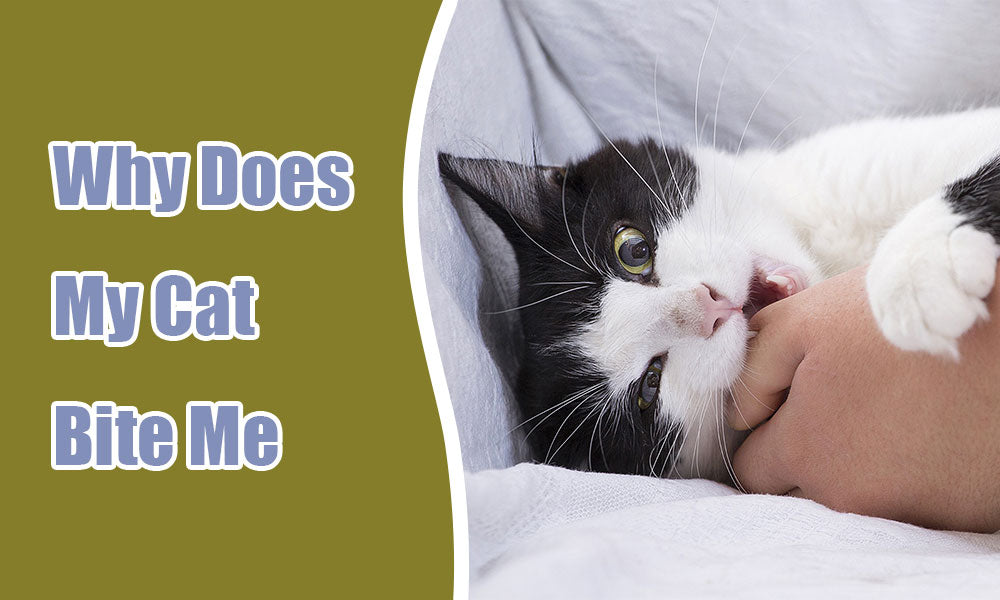
Have you ever felt a sudden nip from your cat while you’re trying to groom them? It can be confusing and even a little painful.
You might wonder, “Why does my cat bite while grooming? ” Understanding this behavior can help you build a stronger bond with your furry friend and make grooming time calm and enjoyable for both of you. Keep reading to discover the surprising reasons behind those little bites and how you can handle them with ease.
Cat Grooming Behavior
Cats spend a lot of time grooming themselves and others. Grooming is not just about cleanliness. It helps cats feel calm and connected. Understanding cat grooming behavior can explain why cats sometimes bite during grooming. This behavior is a mix of natural instincts and social habits.
Natural Grooming Instincts
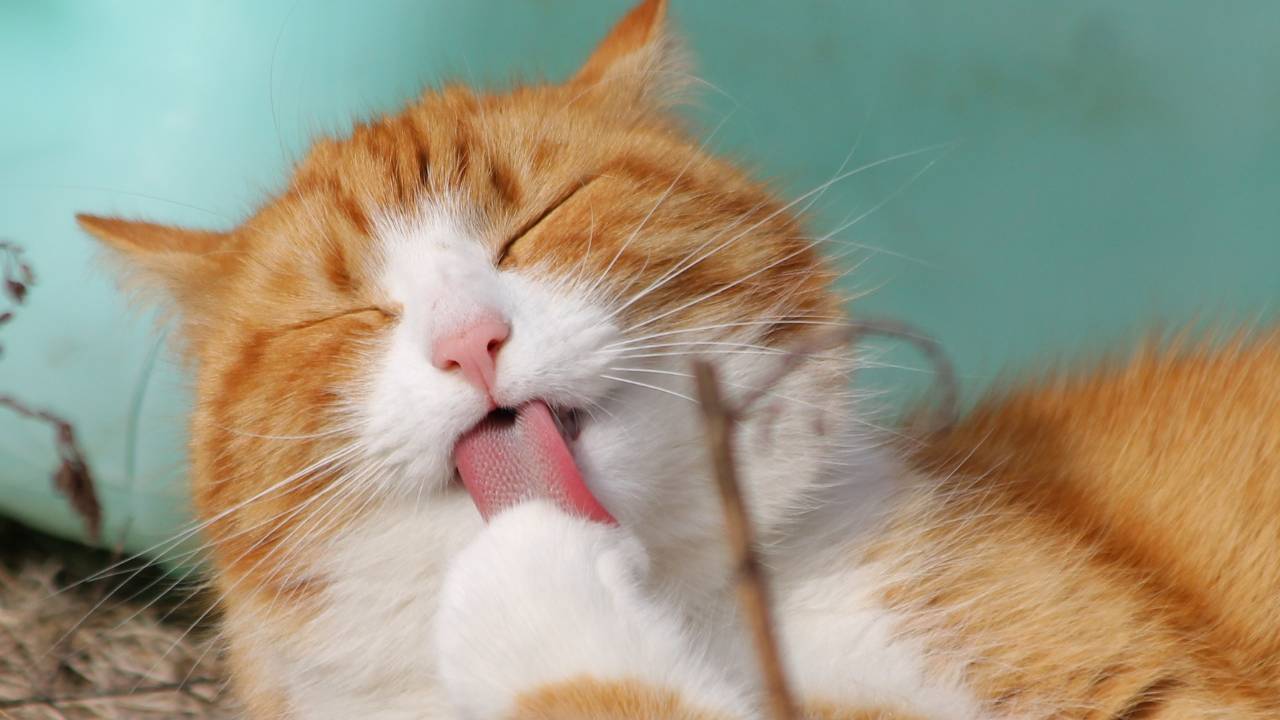
Cats clean their fur to stay healthy. Grooming removes dirt and loose hair. It also spreads natural oils on their coat. This keeps their fur soft and shiny. Grooming helps cats cool down in warm weather. It also reduces stress and anxiety.
Sometimes, biting happens because cats get sensitive. Their skin can feel itchy or ticklish. A gentle bite may tell you to stop or slow down. Cats also use teeth to remove tough dirt or mats in their fur.
Social Grooming Among Cats
Cats groom each other to build bonds. This is called allogrooming. It shows trust and friendship between cats. They clean hard-to-reach places like the head and neck. Grooming also helps reduce tension in groups.
Biting during social grooming can be a form of communication. It might mean playfulness or a warning. Sometimes, it signals that the cat wants to stop. Learning these signs helps you understand your cat better.
Credit: americanpaws.club
Reasons Behind Grooming Bites
Understanding why your cat bites during grooming can help you respond better and maintain a positive bond. Cats use biting as a form of communication, and the reasons behind these nips can vary widely. Recognizing these signals can prevent misunderstandings and keep grooming sessions calm and enjoyable for both of you.
Overstimulation
Sometimes, your cat may bite because they feel overstimulated. Grooming can be relaxing, but after a while, too much petting or brushing might become overwhelming.
You might notice your cat’s tail twitching or ears flattening just before a bite. These subtle signs indicate they need a break, so watch for them closely and pause when needed.
Communication Signals
Biting can be your cat’s way of sending a message. It’s a clear sign they want you to stop or change what you’re doing.
Think about how you react when someone invades your personal space. Your cat uses bites to set boundaries, so respect their limits to avoid escalation.
Playful Behavior
Some cats use gentle bites as part of play. They may see your hands or fingers as toys during grooming.
If the bites are light and your cat seems relaxed, it’s likely a form of interactive play. Try offering a toy instead to redirect this playful energy.
Stress Or Anxiety
Stress can make a cat more likely to bite when being groomed. Changes in environment, loud noises, or unfamiliar people can increase anxiety.
Notice if your cat’s biting coincides with stressful situations. Creating a calm, quiet space for grooming can help reduce their unease and prevent biting.
When Biting Becomes Problematic
Grooming is a natural behavior in cats. They often lick and clean themselves to maintain hygiene. While grooming, some cats may bite. This behavior can sometimes become problematic. Understanding why your cat bites is essential. It helps in addressing any underlying issues.
Signs Of Aggression
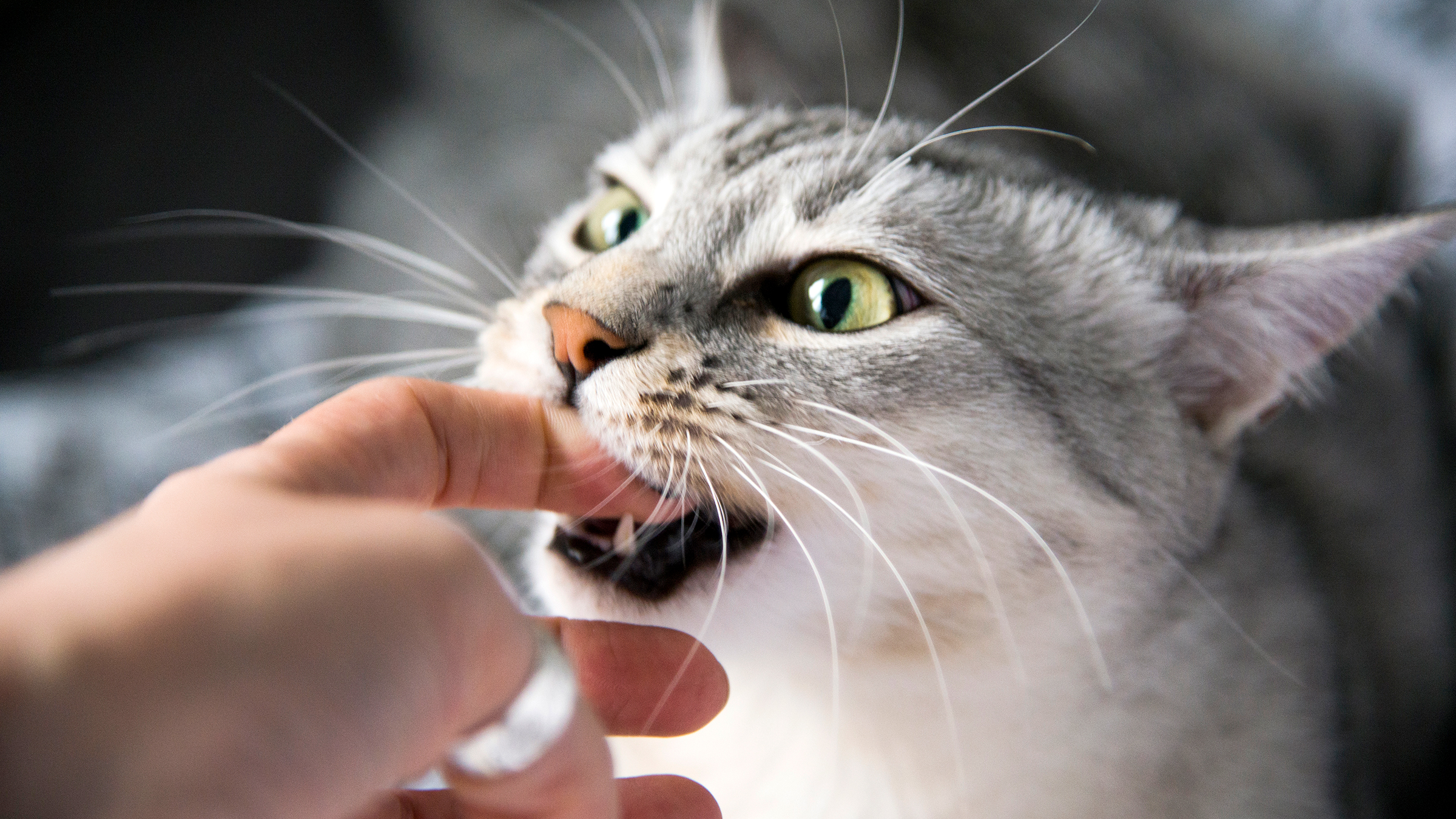
Aggressive biting during grooming can be concerning. Watch for specific signs. Your cat’s ears may lay back flat. Their tail could twitch aggressively. Hissing or growling may also occur. These are clear signs of aggression. It is crucial to address these behaviors promptly.
Pain Or Discomfort Indicators
Sometimes biting indicates pain or discomfort. Your cat might have a skin issue. Fleas, ticks, or skin allergies could be the culprits. Check for any redness or swelling. Consult a veterinarian if you notice these signs. Identifying and treating the cause is necessary.
How To Respond To Grooming Bites
Handling grooming bites from your cat can feel confusing and even painful at times. Understanding how to respond calmly and effectively helps maintain trust between you and your feline friend. Instead of reacting with frustration, you can learn to recognize the signals your cat is giving and gently guide them away from biting behavior.
Reading Your Cat’s Body Language
Before your cat bites, they often give subtle signs. Watch for twitching tails, flattened ears, or sudden stiffening in their posture. These clues tell you when your cat is getting overstimulated or annoyed during grooming.
Have you noticed your cat’s pupils dilate or their whiskers pull back just before a nip? Recognizing these signs early allows you to pause or change your approach before a bite happens. Staying attentive to these details shows respect for your cat’s limits and keeps grooming sessions peaceful.
Redirecting Biting Behavior
If your cat does bite, try not to pull away quickly, as this might encourage more biting. Instead, gently stop grooming and offer a toy or treat as a distraction. This helps your cat associate calm behavior with positive rewards.
You can also break grooming into shorter sessions to avoid overwhelming your cat. Using a soft brush and speaking softly during grooming can reduce stress and lower the chance of biting. Have you tried swapping hands or changing your position to make your cat feel more comfortable?
- Pause grooming as soon as you see signs of irritation
- Offer a favorite toy or treat to redirect attention
- Keep sessions brief and calm
- Use gentle strokes and a soft brush
- Adjust your position to match your cat’s comfort
Preventing Grooming Bites
Preventing grooming bites is key to making grooming a positive experience for both you and your cat. Understanding how to set clear boundaries and encourage gentle behavior can stop biting before it starts. It also helps maintain trust and keeps your cat calm during grooming sessions.
Setting Boundaries During Grooming
Start by paying attention to your cat’s body language. If your cat’s tail flicks or ears flatten, these are signs they might be getting overstimulated. Stop grooming immediately when you notice these signals to avoid triggering a bite.
Use short grooming sessions instead of long ones. Cats often tolerate brief attention better, reducing the chance they’ll bite out of frustration. You can gradually increase the session length as your cat becomes more comfortable.
Try to keep a calm and steady touch. Sudden movements can surprise your cat and lead to defensive biting. Your goal is to create a predictable and soothing environment that your cat can relax into.
Using Positive Reinforcement
Reward your cat when they stay calm during grooming. Offering treats, gentle petting, or kind words reinforces good behavior. This makes your cat associate grooming with positive experiences.
Consider using clicker training to mark calm behavior. The click sound followed by a treat helps your cat understand exactly what action you want. Over time, your cat learns that staying relaxed means rewards.
If your cat bites, avoid punishment—it can increase fear and aggression. Instead, pause grooming and try again later, rewarding calmness each time. This patience shows your cat that biting won’t get them what they want.

Credit: www.reddit.com
Consulting A Veterinarian Or Behaviorist
Sometimes, a cat’s biting during grooming can signal an underlying problem. Consulting a veterinarian or a behaviorist helps find the cause. These professionals assess health and behavior to provide the right advice. Early consultation prevents stress and injury to both you and your cat.
When To Seek Professional Help
Notice if biting gets worse or happens often. Sudden changes in grooming habits may need expert attention. Signs like redness, swelling, or wounds on your cat’s skin require a vet visit. Aggression or fear during grooming can mean anxiety or pain. If home care does not improve the behavior, ask for professional help.
Behavioral Therapy Options
Behaviorists use gentle methods to change biting habits. They may suggest:
- Desensitization to touch and grooming tools
- Positive reinforcement for calm behavior
- Creating a safe, quiet grooming environment
- Training exercises to reduce stress and fear
These therapies build trust and reduce biting over time. A tailored plan suits your cat’s unique needs and personality.
Credit: www.goodrx.com
Frequently Asked Questions
Why Does My Cat Bite During Grooming Sessions?
Cats may bite while grooming due to overstimulation or discomfort. It is their way to communicate boundaries. Understanding their behavior helps prevent bites and maintain a positive grooming experience.
Is Cat Biting A Sign Of Aggression While Grooming?
Not always. Biting during grooming often signals irritation or sensitivity rather than aggression. Cats may bite if grooming is too rough or prolonged. Observing body language helps determine the cause.
How Can I Stop My Cat From Biting When Grooming?
Use gentle strokes and short grooming sessions to avoid overstimulation. Pay attention to your cat’s signals and stop if they show discomfort. Positive reinforcement encourages calm behavior during grooming.
Are Certain Cat Breeds More Prone To Biting During Grooming?
Some breeds may be more sensitive or less tolerant of grooming. However, individual personality affects biting more than breed. Knowing your cat’s preferences improves grooming success and reduces biting incidents.
Conclusion
Cats bite during grooming for many reasons, like play or communication. It can show love, stress, or a need for attention. Understanding your cat’s behavior helps build trust and reduce biting. Stay patient and watch for signs your cat gives.
Gentle handling and respect make grooming time better. Each cat is different; learn what works best. Keep care calm and kind to enjoy bonding moments.


Leave a Reply