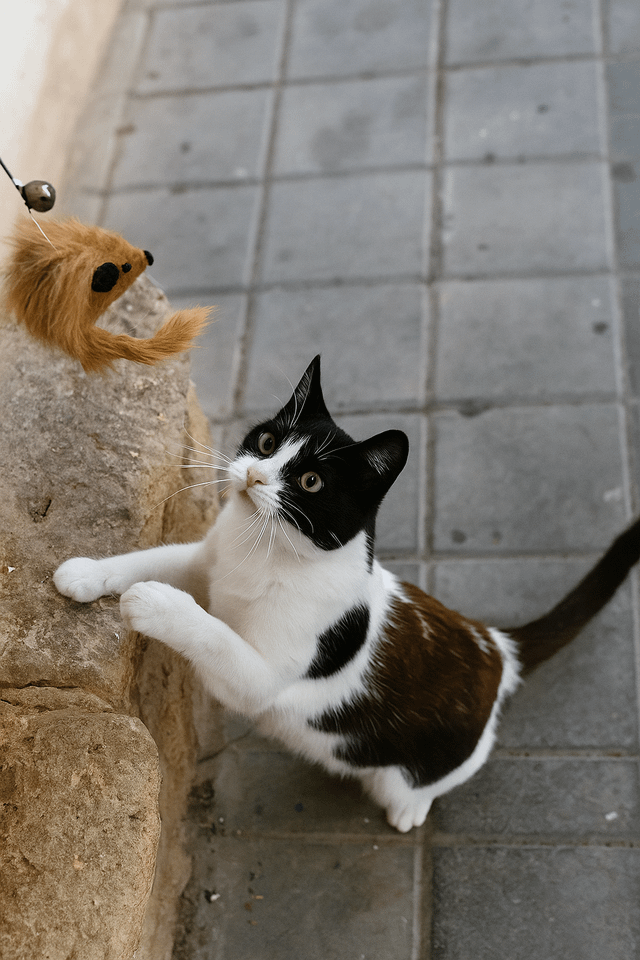
Have you ever wondered if feral cats, those mysterious outdoor wanderers, actually play with toys? You might think they’re too wild or cautious for such fun.
But understanding their behavior can change how you see these elusive creatures. If you want to know whether feral cats enjoy toys and how you can engage with them safely, keep reading. This insight could help you build a unique connection with the feral cats around you.
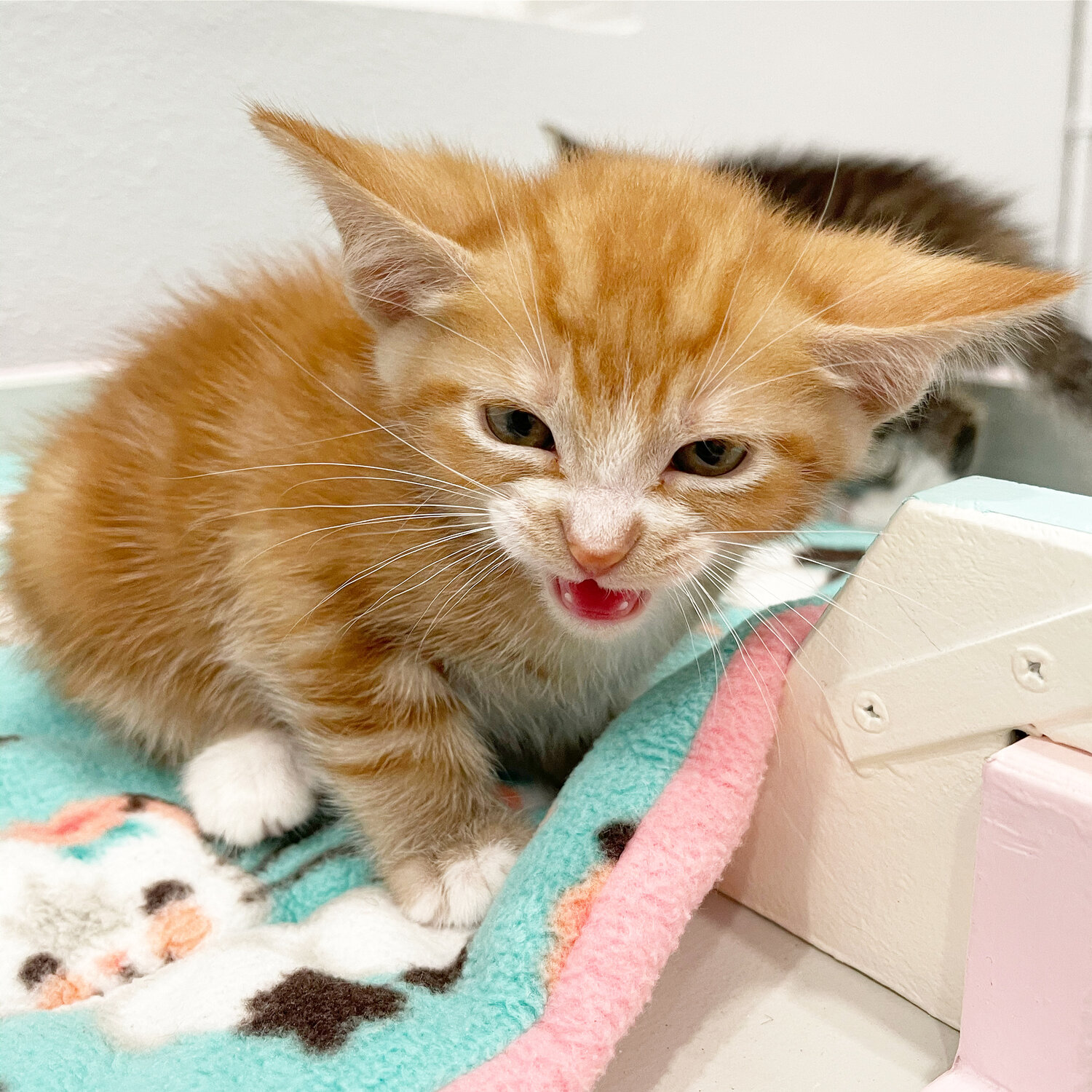
Credit: www.kittenlady.org
Feral Cat Behavior Basics
Understanding feral cat behavior is essential if you want to know whether they will play with toys. These cats live differently from the pets in your home, shaped by survival and caution. Recognizing their basic traits helps you see why their interaction with toys can be unique and sometimes surprising.
What Makes Cats Feral
Feral cats are wild animals born or raised without much human contact. They rely on instincts to find food and avoid danger, which makes them very cautious around people. Because they haven’t been socialized, their trust in humans is very low, affecting how they behave.
Many feral cats have never experienced toys or indoor comforts. Their play behavior, if it appears, often looks like hunting practice rather than fun. Have you ever noticed how a feral cat might chase a leaf or bug outside? That’s closer to their natural “play.”
Differences Between Feral And Stray Cats
Not all cats outside are feral. Stray cats once had homes and might still seek human company. They can be shy or scared but often adapt to toys and interaction quicker than feral cats.
- Feral Cats:Avoid humans, live outdoors entirely, and depend on hunting or scavenging.
- Stray Cats:Have some human contact history, may approach people, and can learn to play with toys.
Knowing this difference can help you decide if a feral cat near you might ever enjoy a toy or if it’s best to respect their wild nature. What kind of cat do you encounter most often in your neighborhood?

Credit: x.com
Play Instincts In Feral Cats
Feral cats have strong play instincts rooted deeply in their nature. Play is not just fun for them; it is a key part of their development and survival. Their wild lifestyle sharpens their senses and reflexes through play-like actions. Understanding these instincts helps us see why feral cats often interact with toys, even in the wild.
Hunting Skills And Play
Play mimics hunting behaviors in feral cats. They stalk, pounce, and chase small objects or movements. These actions train their muscles and improve coordination. Young feral cats especially use play to practice catching prey. It prepares them for real hunts. Toys that move or resemble prey can trigger these instincts. Play keeps their reflexes sharp and ready for survival.
Role Of Play In Survival
Play strengthens important survival skills in feral cats. It builds agility and sharpens senses like sight and hearing. Through play, they learn to react quickly to danger or opportunity. It also helps them stay physically fit. This fitness is crucial for hunting and escaping predators. Play offers mental stimulation, keeping feral cats alert and focused. Overall, play supports their ability to live and thrive in the wild.
Toys That Attract Feral Cats
Feral cats are often misunderstood creatures, leading many to believe they can’t enjoy the simple pleasures of play. Yet, toys can be an effective way to engage with them, offering mental stimulation and a bridge to build trust. But which toys can actually attract these elusive feline friends?
Types Of Toys Feral Cats Prefer
Feral cats often lean towards toys that mimic natural prey. Items that squeak, rustle, or move unpredictably can capture their interest. Consider toys like feather wands, small balls, or anything that mimics the darting motion of a mouse.
Interactive toys can also be a hit. These provide not only entertainment but also a challenge, engaging their hunting instincts. Battery-operated toys that mimic real-life movements can be particularly effective.
Using Toys To Build Trust
Introducing toys can be a gentle way to start building trust with a feral cat. Begin by placing the toy in a neutral space where the cat feels safe. Letting them approach on their own terms allows them to feel in control.
Engage with the toy while maintaining a respectful distance. Your presence, coupled with the toy’s movement, can gradually encourage them to associate you with fun and safety. Have you ever noticed a cat’s curiosity spark when something new enters their environment?
Patience is key. Over time, the repeated presence of toys can foster a sense of familiarity and trust, slowly breaking down the barriers of wariness. Use this as an opportunity to offer treats or gentle praise, reinforcing positive associations.
Observing Feral Cats With Toys
Watching feral cats interact with toys can reveal surprising insights into their behavior and personalities. Unlike pet cats, feral cats are more cautious and less predictable, so observing their play requires patience and a careful eye. Paying attention to subtle clues helps you understand whether they see toys as prey, threats, or simply objects of curiosity.
Signs Of Play Behavior
Feral cats may initially ignore toys, but once they feel safe, you might notice them pawing or batting at objects. Look for quick, deliberate movements such as stalking, pouncing, or chasing—these are clear signs they engage with the toy as if it were prey.
Sometimes, a feral cat will carry a toy in its mouth or roll on the ground while holding it, which indicates enjoyment and comfort. If the cat starts to groom itself after playing, it suggests the activity is relaxing rather than stressful.
- Stalking or crouching near the toy
- Batting or pawing gently
- Pouncing or chasing motions
- Carrying or tossing the toy
- Rolling on the ground while holding the toy
How Play Differs From Pet Cats
Pet cats often play in a more relaxed and repetitive way, showing obvious excitement and approaching toys without fear. Feral cats, however, tend to be more strategic and cautious, reflecting their survival instincts.
You might see a feral cat freeze and observe the toy before making a move, showing a hunting mindset rather than casual amusement. Their play sessions may be shorter and less frequent, as they remain alert to their environment.
Have you noticed your pet cat’s playful leaps compared to the slow, calculated approach of a feral cat? Understanding these differences can help you choose the right toys and timing to engage feral cats effectively.
Benefits Of Play For Feral Cats
Playtime can be a game-changer for feral cats. It’s not just about fun; it significantly boosts their well-being. Offering toys to feral cats opens doors to better health and sharper minds.
Physical Health Improvements
Play encourages feral cats to move more, which helps keep their muscles strong and joints flexible. You might notice a feral cat becoming more agile and less prone to injuries with regular play.
Active play also supports a healthy weight, reducing risks of obesity-related problems. Simple toys like feathers or small balls can inspire bursts of energy that mimic natural hunting behaviors.
Have you ever seen a feral cat chase a toy like it’s hunting prey? This natural exercise is crucial for their survival skills and overall fitness.
Mental Stimulation Effects
Play challenges a feral cat’s brain, keeping it alert and engaged. Puzzle toys or interactive play can reduce stress and prevent boredom, which often leads to destructive behaviors.
When a feral cat solves a toy puzzle or captures a moving object, it experiences a sense of achievement. This boosts their confidence and helps build trust with humans.
Think about how a feral cat’s mind sharpens with each playful encounter. Could engaging their curiosity be the key to improving their quality of life?
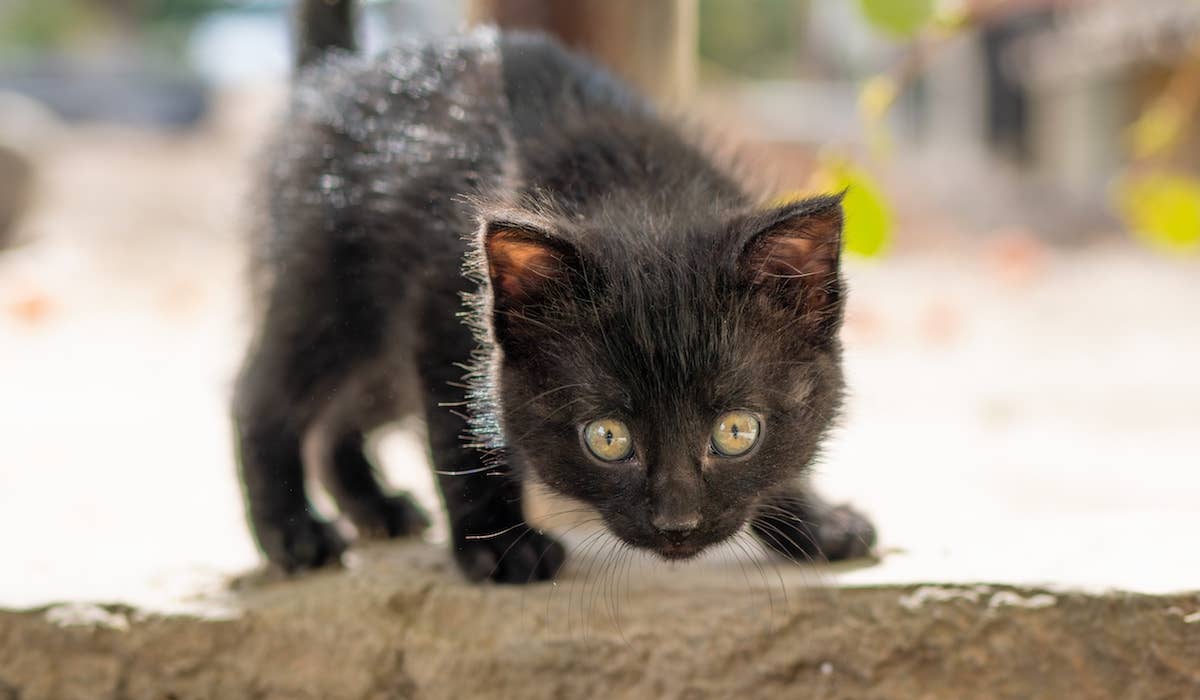
Credit: paradepets.com
Tips For Introducing Toys To Feral Cats
Introducing toys to feral cats can be a delicate process. These cats are naturally cautious and may see toys as threats rather than playthings. Your goal is to spark their curiosity without overwhelming them.
Approach Techniques
Start by observing the cat’s body language. If it seems tense or ready to flee, give it space and time to relax first. You want to be a calm presence, not a source of stress.
Offer toys gently, using slow movements. Drag a feather wand or a soft ball near the cat without forcing interaction. This subtle invitation often piques their interest better than direct contact.
Try sitting quietly near the cat while moving the toy. Your calm energy can help the cat feel safer. Have you noticed how some cats watch before they play? That’s a good sign to keep going.
Choosing The Right Environment
Pick a quiet, familiar spot for the first play sessions. Loud noises and unfamiliar places can make feral cats anxious and less likely to engage. Your backyard or a sheltered corner often works well.
Keep distractions low and the area safe. Remove other pets or loud objects that could scare the cat. Creating a small, peaceful zone helps the cat focus on the new toy without feeling threatened.
Think about natural light and comfort too. Cats are more likely to explore when they feel warm and secure. Have you tried placing a soft blanket nearby? It can encourage the cat to stay close and eventually play.
Common Misconceptions About Feral Cats And Play
Many people assume feral cats are too wild or scared to engage in play, especially with toys. This belief often stems from misunderstandings about their nature and behavior. Clearing up these misconceptions helps you see feral cats as more than just untouchable creatures—they have layers and needs that can surprise you.
Debunking Myths
One common myth is that feral cats never play because they are always stressed or fearful. While feral cats are cautious, they do engage in play, especially when they feel safe. Play for feral cats might look different—more stalking, pouncing, or quiet batting rather than chasing bright, noisy toys.
Another misconception is that feral cats don’t recognize toys as playthings. In reality, many feral cats respond well to simple, natural toys like feathers, sticks, or even crumpled paper. Their play is more about hunting instincts than fancy gadgets.
Realistic Expectations
If you try to introduce toys to a feral cat, be patient and observe their comfort level. They might ignore toys at first or only engage briefly. It’s important not to force interaction but to offer opportunities for play in a calm environment.
Think about the cat’s background—if it’s used to survival mode, play might be a slow process of building trust. You might notice subtle signs of interest like a flick of the tail or a soft paw touch before full engagement. Your goal is to create moments where the cat feels safe enough to explore play on its own terms.
Frequently Asked Questions
Do Feral Cats Enjoy Playing With Toys?
Yes, many feral cats do enjoy playing with toys. Toys stimulate their hunting instincts and provide mental enrichment. However, their interest may vary depending on their socialization and environment. Introducing toys gradually can encourage play and reduce stress in feral cats.
What Types Of Toys Attract Feral Cats?
Feral cats are often attracted to toys that mimic prey, such as feather wands, small balls, and moving objects. Interactive toys that encourage hunting behavior work best. Soft, lightweight toys are ideal as they allow natural stalking and pouncing actions.
Can Toys Help Socialize Feral Cats?
Yes, toys can be effective tools for socializing feral cats. Playing together builds trust and reduces fear of humans. Toys provide a positive interaction that can improve a feral cat’s comfort level over time.
How Do I Introduce Toys To A Feral Cat?
Start by placing toys near the cat without forcing interaction. Use toys that move or make noise to catch attention. Be patient and allow the cat to approach and explore the toys at its own pace.
Conclusion
Feral cats can enjoy toys, but they need time to trust. Play helps them feel safe and less stressed. Simple toys like balls or feathers often work best. Patience and quiet moments encourage their curiosity and fun. Watching a feral cat play brings hope and joy.
Toys offer more than fun—they build a bond too. Keep trying gently, and you might see play soon. Every cat is different, so respect their pace. Play can help feral cats live happier lives.



Leave a Reply