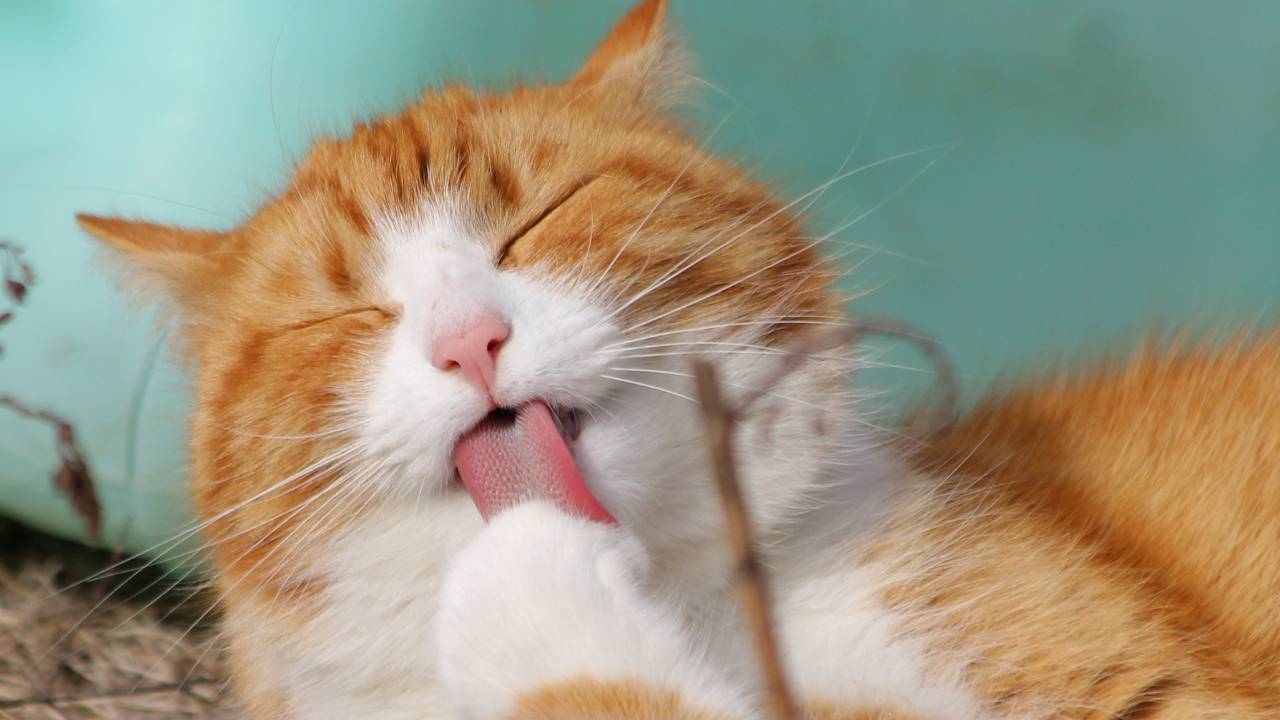
Have you noticed your cat licking your skin or nibbling gently at your hair? It can feel strange or even a little surprising.
But why has your cat started grooming you all of a sudden? Understanding this behavior can reveal a lot about your bond with your furry friend. You’ll discover what motivates your cat to groom you, what it means for your relationship, and how you can respond in a way that strengthens your connection.
Keep reading—you’ll be amazed at how much your cat’s grooming says about their feelings for you.
Cat Grooming Behavior
Understanding cat grooming behavior can reveal a lot about your feline friend’s emotions and social habits. Cats don’t just groom to stay clean; their grooming actions carry deeper meanings linked to comfort, bonding, and communication. When your cat starts grooming you, it’s a sign worth paying attention to.
How Cats Groom Themselves
Cats use their tongues to clean their fur, removing dirt and loose hair with a rough, sandpaper-like texture. Grooming helps regulate their body temperature and stimulates blood flow. It also reduces stress, creating a calming effect that helps them feel safe and relaxed.
Have you noticed your cat spending long sessions licking their paws and rubbing their face? This is part of their routine to reach hard-to-clean spots. Grooming is more than hygiene; it’s a self-care ritual that keeps them physically and emotionally balanced.
Social Grooming In Cats
When cats groom each other, it’s called allogrooming and it strengthens their social bonds. This behavior is common among cats that trust each other and share a close relationship. By grooming you, your cat is including you in its social circle.
Social grooming often involves licking and gentle nibbling, which is your cat’s way of showing affection and acceptance. Have you ever felt a strange connection when your cat starts licking your hand or face? That’s your cat saying, “You’re family.”
Next time your cat grooms you, consider it an invitation. It’s their way of caring and building a deeper bond. How will you respond to this unique form of feline affection?
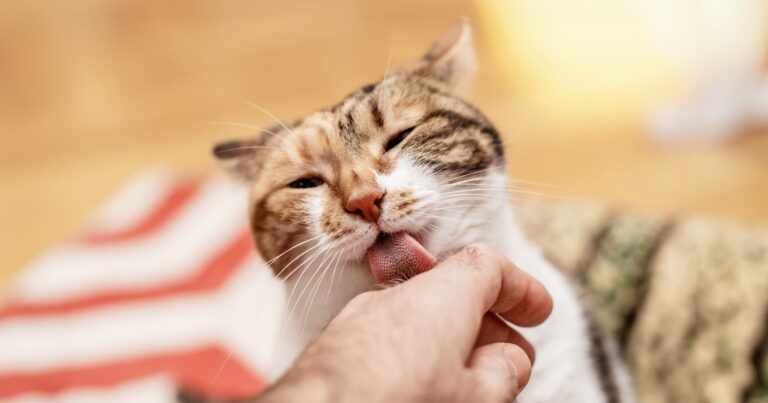
Credit: www.diamondpet.com
Reasons Cats Groom Humans
Cats grooming humans is a curious and sweet behavior. It shows a special connection between you and your pet. Cats use grooming to communicate many feelings and needs. Understanding these reasons helps strengthen your bond.
Showing Affection
Grooming is a way cats show love. It’s their gentle way to say “You are part of my family.” Cats lick your skin or hair to express closeness. This simple act builds trust and warmth between you.
Marking Territory
Cats have scent glands in their mouths. When they groom you, they leave their scent behind. This signals to other animals that you belong to their group. It makes your cat feel safe and secure with you.
Seeking Comfort
Sometimes cats groom humans to calm themselves. The act feels soothing, like a stress relief. Your cat may lick you when anxious or nervous. It helps them feel peaceful and relaxed.
Reciprocal Bonding
Grooming is a social habit for cats. They often groom each other to build friendships. When your cat grooms you, they invite you to join their circle. It’s their way to deepen your relationship.
When Grooming Signals Stress
Cats may groom you to calm their own stress or anxiety. This behavior shows they see you as part of their safe space. Grooming can be a way for them to feel comfort and reduce nervous energy.
When your cat starts grooming you excessively, it might be more than just affection. This behavior can sometimes signal stress. Just like humans, cats have their unique ways of expressing anxiety or discomfort. Understanding these signals can help you address the root cause of their stress and create a more harmonious environment at home.Anxiety And Overgrooming
Cats often groom themselves to soothe anxiety. When they start grooming you, it might be their way of finding comfort. If your cat is overgrooming, it could be a sign they’re feeling overwhelmed. Consider if there are any recent changes in their routine or surroundings that might be causing distress.Changes In Environment
A new home, a new pet, or even rearranging furniture can unsettle your feline friend. These changes can lead to stress-induced grooming. If you’ve recently made changes, try to introduce them gradually. Create a safe space where your cat can retreat and feel secure.Health Issues
Sometimes, excessive grooming can point to underlying health issues. Skin irritations, allergies, or parasites could be the culprits. If you notice bald patches or excessive licking, it’s wise to consult with a vet. Catching health problems early can prevent more serious issues down the line. Understanding your cat’s grooming behavior is key to ensuring their well-being. Are you paying attention to the signals your cat might be sending? Taking the time to observe and respond to your cat’s needs can strengthen your bond and lead to a happier, less stressed pet.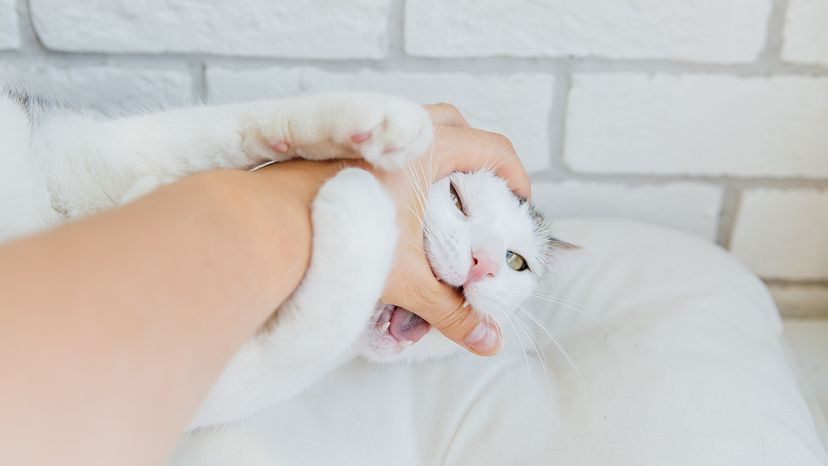
Credit: animals.howstuffworks.com
How To Respond To Grooming
Understanding how to respond when your cat starts grooming you can improve your bond and keep interactions healthy. Cats use grooming to show affection and trust, but it’s important to guide this behavior so it feels good for both of you. Let’s look at ways to encourage positive grooming, set limits, and keep an eye on how often your cat licks or nibbles you.
Encouraging Positive Interaction
When your cat grooms you gently, reward this with soft words or light petting. This teaches your cat that calm grooming is welcome. You might even offer a treat right after a good grooming session to strengthen the behavior.
Try to notice what triggers your cat’s grooming. Is it after playtime, when you’re sitting quietly, or during petting? Matching your response to those moments helps your cat feel understood and builds trust.
Setting Boundaries
If your cat’s grooming becomes too intense or uncomfortable, it’s okay to gently redirect them. Use a calm voice and move your hand away slowly to show that you want a break. Avoid pulling away abruptly, as this can confuse or upset your cat.
Offering toys or a scratching post can distract your cat if they start nibbling too hard. This keeps your skin safe while still letting your cat express their natural grooming instincts.
Monitoring Grooming Patterns
Keep track of when and how often your cat grooms you. Sudden increases in grooming might signal stress, illness, or a need for more attention. Do you notice any changes in your cat’s mood or routine?
Use a simple journal or app to note these patterns. Sharing this information with your vet can be very helpful if you’re concerned about your cat’s health or behavior changes.
Other Signs Of Cat Affection
Noticing your cat grooming you can be surprising, but it’s just one way they show love. Cats have a variety of subtle and clear signs to express affection. Recognizing these helps you understand your furry friend better and strengthens your bond.
Purring And Kneading
Purring is one of the most obvious signs that your cat feels safe and happy around you. When your cat purrs while sitting on your lap or near you, it’s a gentle way of saying they trust you completely.
Kneading, often called “making biscuits,” is another affectionate behavior. If your cat presses their paws rhythmically into your skin or a soft blanket, it’s a comfort action rooted in kittenhood. Have you noticed your cat kneading your chest or lap? That’s their way of showing they feel secure and content with you.
Head Butting And Nuzzling
Head butting, or “bunting,” is a classic cat gesture. When your cat bumps their head against you, they’re marking you with their scent and claiming you as part of their family. It’s a clear sign they want to be close and connected.
Nuzzling follows the same idea but is softer and more intimate. Your cat might rub their face or nose against your hand or face, sharing their scent and seeking attention. Have you ever felt a little nudge from your cat? It’s their way of asking for love and returning it.
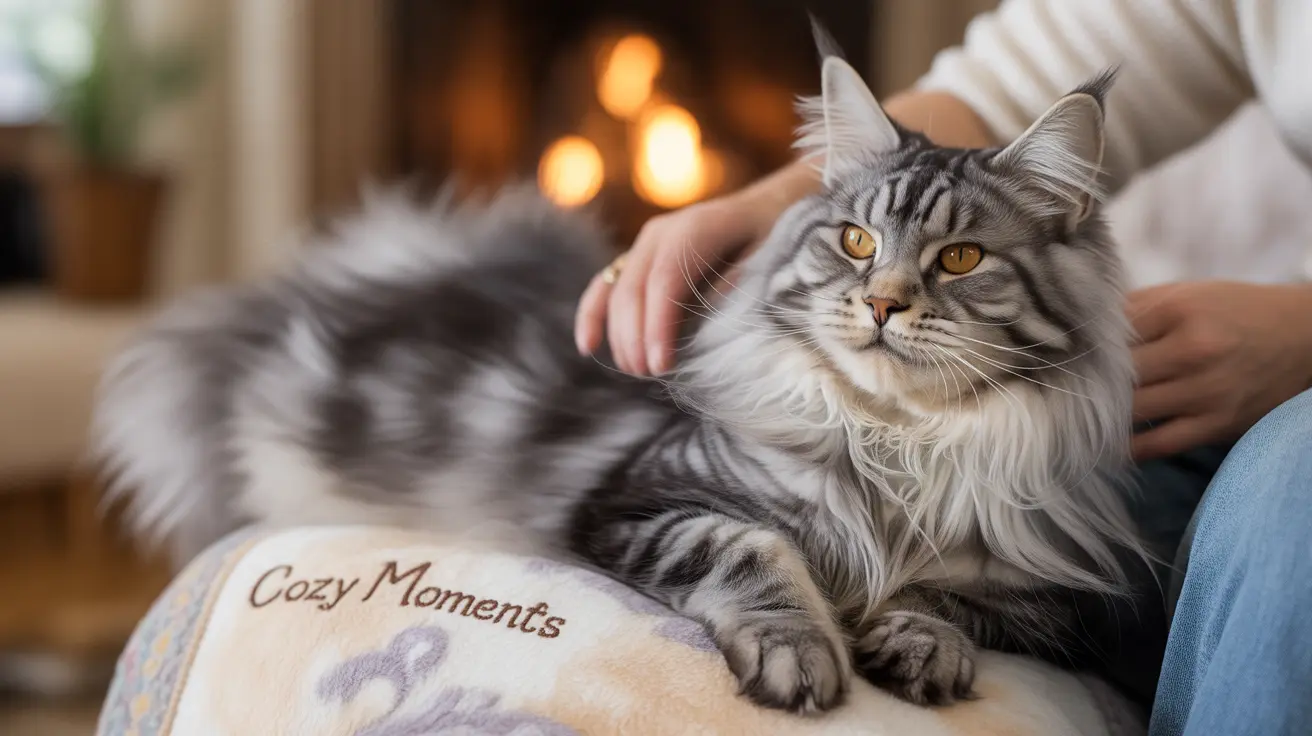
Credit: www.petscare.com
Frequently Asked Questions
Why Has My Cat Started Grooming Me Suddenly?
Cats groom humans to show affection and strengthen bonds. Your cat trusts you and sees you as family. Grooming is a social behavior that promotes closeness and comfort between cats and their owners.
Does Cat Grooming Mean My Cat Loves Me?
Yes, grooming is a sign of love and trust. Cats groom those they feel safe with. When your cat licks you, it expresses care and a strong emotional connection.
Can Cat Grooming Be A Sign Of Stress?
Sometimes, yes. Cats may groom owners to self-soothe. If excessive, it can signal anxiety or insecurity. Watch for other signs of stress and consult a vet if needed.
How Should I Respond When My Cat Grooms Me?
Stay calm and enjoy the affection. You can gently pet or praise your cat. This reinforces the positive bond and encourages healthy social behavior.
Conclusion
Cats groom their owners to show trust and affection. This behavior helps build a strong bond between you and your cat. It can also mean your cat sees you as part of its family. Pay attention to your cat’s body language to understand its feelings.
Enjoy these special moments—they show your cat cares deeply. Grooming is a sign of love and comfort. Cherish this unique way your cat connects with you every day.

Leave a Reply