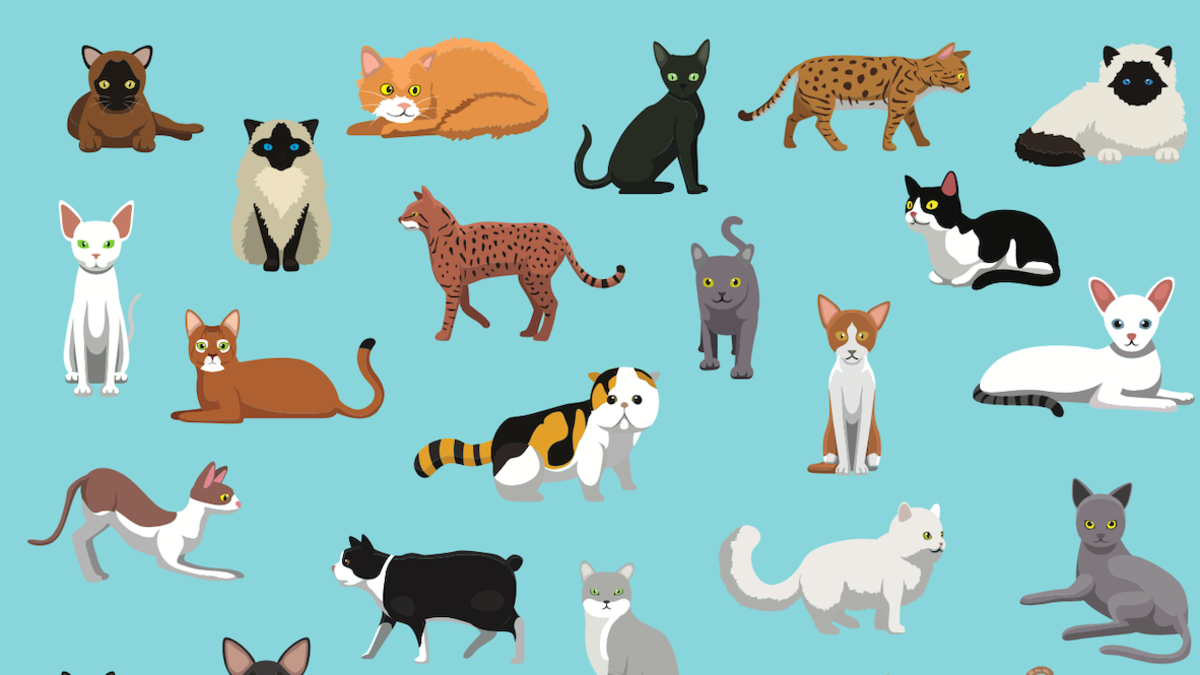
Have you ever wondered just how many cat breeds exist in the world? If you’re a cat lover, knowing the variety of breeds can help you understand their unique personalities, looks, and care needs.
Whether you’re thinking about adopting a new feline friend or just curious, this guide will open your eyes to the fascinating diversity of cats. Stay with me, and you’ll discover surprising facts that might change the way you see your furry companions forever.
Ready to explore the wonderful world of cat breeds? Let’s dive in!
Cat Breed Categories
Understanding cat breed categories can help you identify what kind of feline companion might suit your lifestyle best. Cats are grouped based on their lineage, physical traits, and sometimes their behavior. Knowing these categories makes it easier to appreciate the diversity within the cat world and guides you if you’re thinking of adopting or buying a cat.
Pedigreed Cats
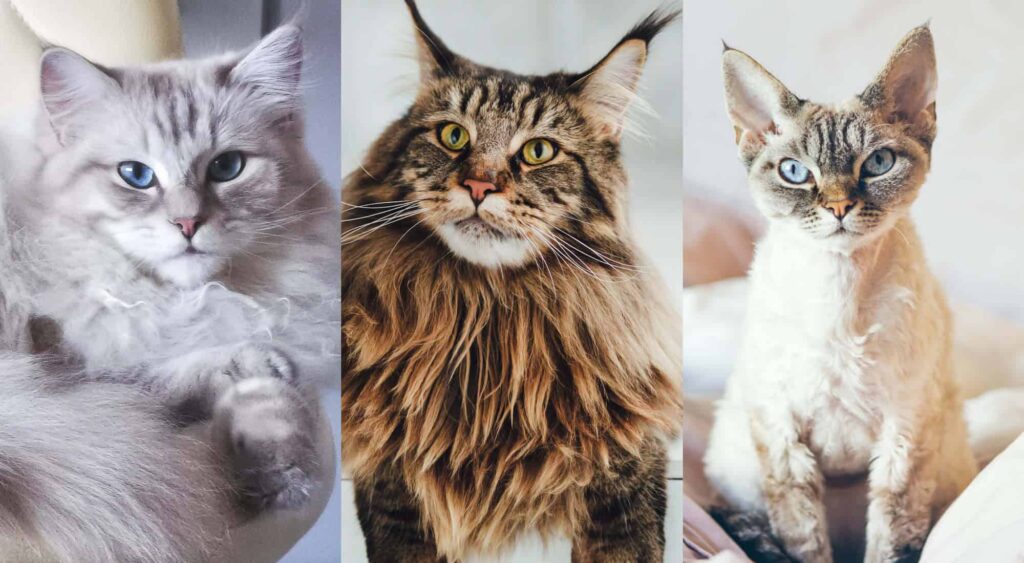
Pedigreed cats come from a documented lineage and meet specific breed standards. These cats often have unique features, like the Siamese’s striking blue eyes or the Maine Coon’s large size and bushy tail. If you want a predictable personality and appearance, pedigreed cats might be what you look for.
Many cat fanciers enjoy showing pedigreed cats in competitions. But keep in mind, some pedigreed breeds can have health issues due to selective breeding. Are you ready to commit to the special care they sometimes need?
Hybrid Cats
Hybrid cats are the result of crossing a domestic cat with a wild feline species. The Bengal, for example, is a popular hybrid known for its leopard-like spots. These cats often have high energy and a strong hunting instinct.
Living with a hybrid cat means dealing with more active and sometimes unpredictable behavior. They need plenty of mental and physical stimulation. Would your home and schedule support such an energetic companion?
Non-pedigreed Cats
Non-pedigreed cats, often called domestic or moggies, have mixed ancestry with no official breed documentation. They come in all shapes, sizes, and colors, and often have robust health thanks to genetic diversity. Many lovable, low-maintenance cats belong to this category.
If you want a cat with a unique personality and no fuss over breed purity, non-pedigreed cats are a great choice. Have you considered adopting a shelter cat that falls into this category? You might find a wonderful friend waiting for you.
Credit: rawznaturalpetfood.com
Popular Cat Breeds
Popular cat breeds have captured the hearts of many pet lovers worldwide. Each breed carries unique traits that influence their personality, appearance, and care needs. Knowing these breeds can help you decide which cat fits best into your lifestyle and home.
Siamese
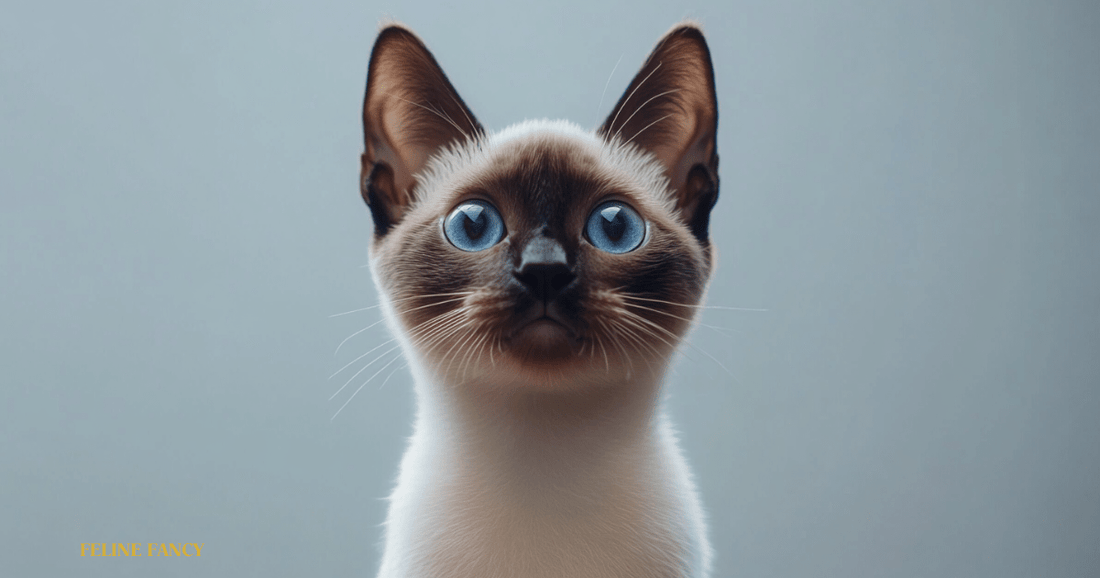
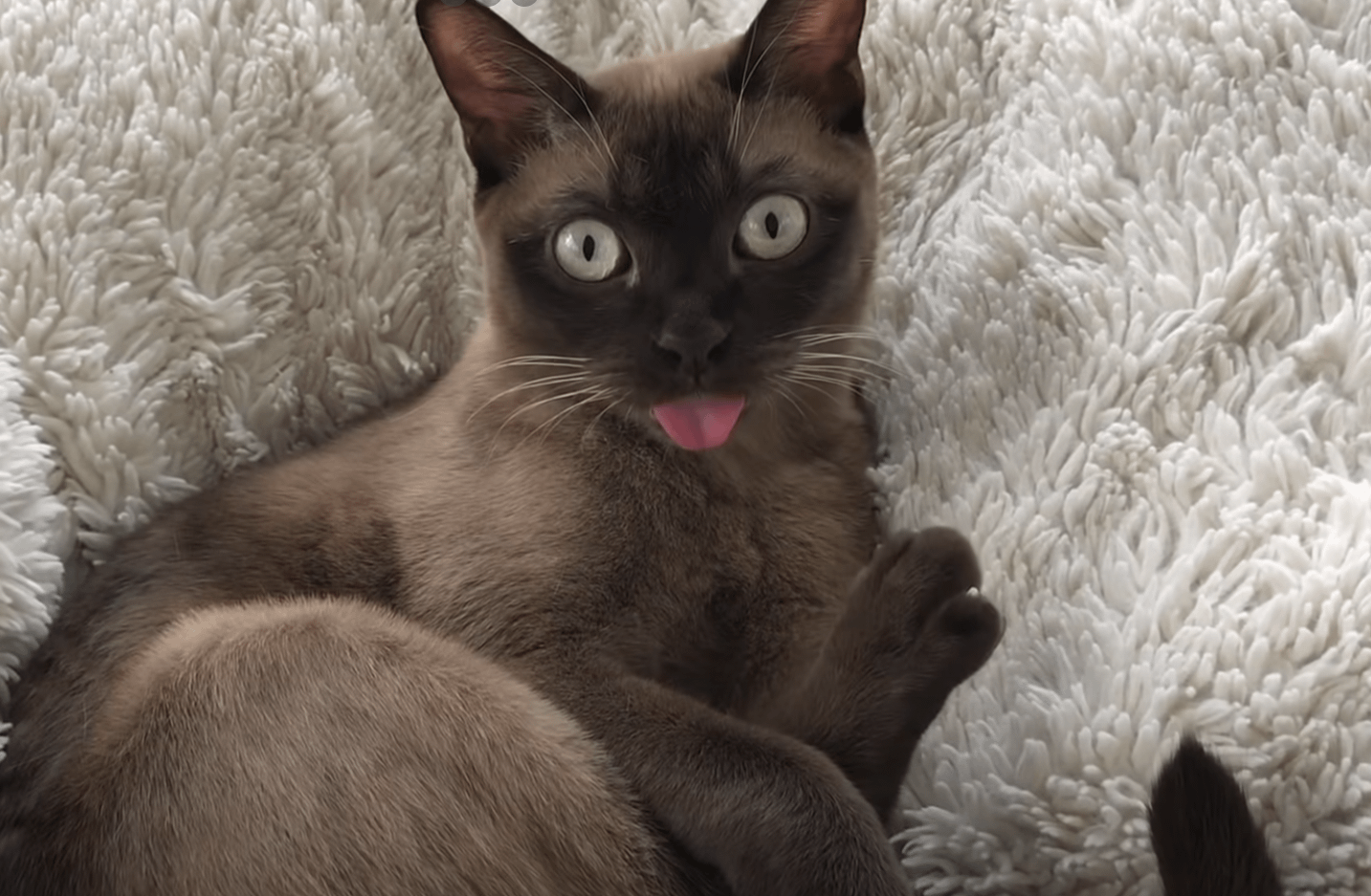
Siamese cats are known for their striking blue eyes and short, sleek coats. They are incredibly vocal and demand attention, making them great companions if you enjoy interactive pets. Have you ever met a cat that feels more like a chatty friend?
Persian
Persians stand out with their long, luxurious fur and calm demeanor. They require regular grooming, so owning one is a commitment to daily brushing. If you want a laid-back cat that loves lounging, a Persian might be the perfect fit.
Maine Coon
Maine Coons are one of the largest domestic cat breeds, known for their tufted ears and bushy tails. They are friendly and adaptable, often getting along well with children and other pets. Could a gentle giant be the companion your family needs?
Bengal
Bengal cats sport a wild, leopard-like coat and are highly energetic. They thrive on play and mental stimulation, so expect to spend time engaging with them daily. If you want a lively, adventurous cat, Bengals offer a unique blend of beauty and activity.
Rare Cat Breeds
Cats come in many shapes, sizes, and colors. Some cat breeds are rare and unique. These breeds have distinct traits and histories. Rare cat breeds can be fascinating and beautiful. Let’s explore a few of these special breeds.
Khao Manee
The Khao Manee is an ancient breed from Thailand. Known as the “White Gem,” they have striking white coats. Their eyes can be blue, gold, or even odd-colored. They are friendly and love human attention. In Thailand, they are considered lucky.
Kurilian Bobtail
The Kurilian Bobtail has a short, fluffy tail. This breed comes from Russia and Japan. They are strong and agile hunters. Their playful nature makes them great pets. They have a wild appearance but a gentle heart.
Peterbald
The Peterbald is a hairless cat from Russia. They have a sleek, elegant look. Their skin feels warm and soft. These cats are affectionate and social. They enjoy spending time with their families. Their unique appearance sets them apart.
Breed Origins And History
Cats have been part of human history for thousands of years. Their breeds tell stories of ancient times and recent changes. Understanding breed origins helps us appreciate their unique traits and roles.
Ancient Breeds
Some cat breeds have origins that date back thousands of years. These cats often lived near early human settlements. They helped control pests and provided companionship.
Examples include:
- Siamese:Originating in Thailand, known for their striking blue eyes and sleek bodies.
- Egyptian Mau:One of the oldest naturally spotted breeds, revered in ancient Egypt.
- Persian:Known for its long fur and calm nature, dating back centuries.
These breeds adapted to their environments and cultures over time. Their histories are closely linked to human civilization.
Modern Developments
New cat breeds have emerged in recent centuries through selective breeding. Breeders focused on specific traits like coat color, pattern, and personality.
Examples of modern breeds include:
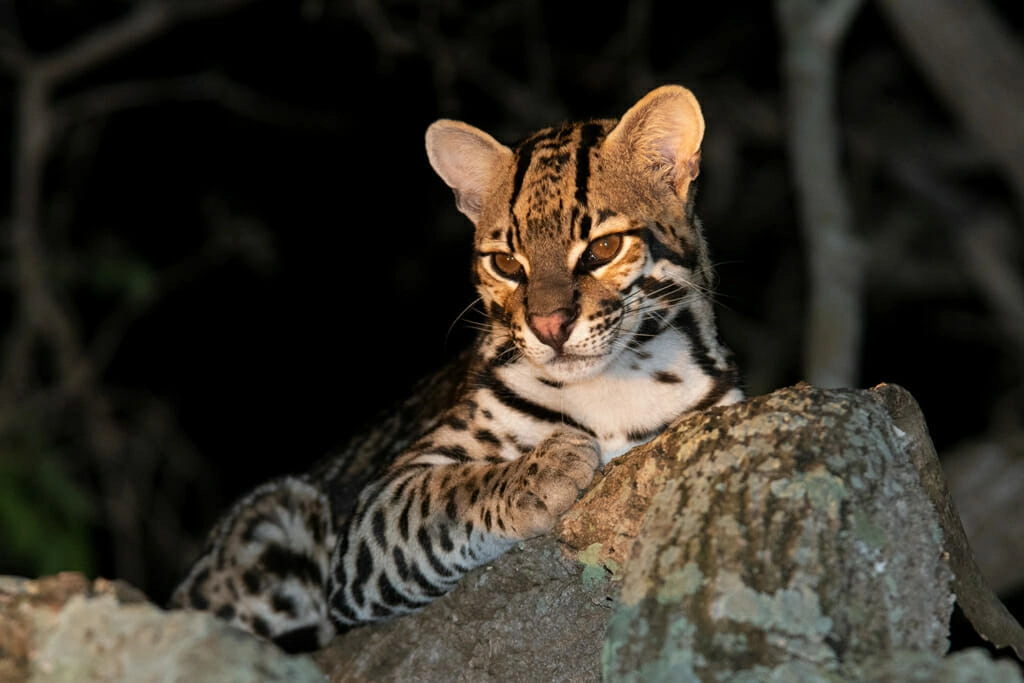
- Bengal:Created by crossing domestic cats with Asian leopard cats for a wild look.
- Scottish Fold:Known for its unique folded ears, discovered in the 1960s.
- Ragdoll:Developed in the 1960s, famous for its docile and floppy nature.
Modern breeding focuses on health and temperament alongside appearance. This helps create cats that fit well in home environments.
Breed Characteristics
Understanding the breed characteristics of cats can help you find the perfect companion that fits your lifestyle and preferences. Each cat breed has unique traits that influence their appearance, behavior, and health needs. Paying attention to these details can make a big difference in how well you connect with your feline friend.
Physical Traits
Cat breeds vary widely in size, coat length, and color patterns. Some breeds like the Maine Coon are large with long, thick fur, while others such as the Siamese are slender with short, sleek coats. You might notice differences in ear shape, eye color, and even tail length depending on the breed.
Do you prefer a cat with a plush coat that requires regular grooming, or one with low-maintenance fur? These physical traits not only affect how your cat looks but also how much care they will need daily.
Personality Types
Each breed tends to have its own personality style. For instance, Ragdolls are known for their calm and affectionate nature, often following their owners around like a shadow. On the other hand, Abyssinians are energetic and curious, always exploring their surroundings.
Think about what kind of companion you want. Would you enjoy a playful cat that keeps you on your toes, or a laid-back friend who loves quiet cuddles? Matching a breed’s personality with your lifestyle helps build a strong, lasting bond.
Health Considerations
Different breeds have specific health concerns you should be aware of. Persian cats, for example, often face respiratory issues due to their flat faces, while Scottish Folds may develop joint problems related to their unique ear structure. Knowing these risks helps you prepare for proper care and vet visits.
Have you considered how much time and resources you can dedicate to your cat’s health? Choosing a breed with fewer hereditary issues might save you from unexpected challenges down the road.

Credit: www.youtube.com
Choosing The Right Breed
Choosing the right cat breed is more than just picking a pretty face. It’s about finding a companion that fits your daily routine, your home environment, and your personal preferences. Understanding key factors like lifestyle, grooming, and activity can save you from future headaches and build a lasting bond.
Lifestyle Match
Your daily schedule shapes the kind of cat that will thrive with you. If you work long hours or travel often, consider breeds known for independence, such as the British Shorthair or Russian Blue. On the other hand, if you crave constant companionship, breeds like the Siamese or Ragdoll are highly social and crave interaction.
Ask yourself: How much time can you realistically spend with your cat? Some breeds demand more attention and mental stimulation, while others are content lounging solo. Matching your lifestyle to your cat’s needs avoids stress for both of you.
Grooming Needs
Grooming can be a joyful bonding activity or a dreaded chore. Long-haired breeds like the Maine Coon and Persian require daily brushing to prevent mats and hairballs. Short-haired cats, such as the American Shorthair, generally need less maintenance.
Consider if you’re prepared to handle shedding and grooming tools. Even some short-haired cats shed heavily, so allergy-prone individuals should research hypoallergenic breeds like the Balinese. What grooming routine fits your patience and time?
Activity Levels
Each cat has a unique energy level that influences playtime and interaction. High-energy breeds like the Abyssinian or Bengal enjoy climbing and interactive toys. They need space to explore and stay stimulated.
Conversely, more laid-back breeds, such as the Scottish Fold, prefer quiet naps and gentle play. If your living space is small or you prefer a calm environment, this matters greatly. How active do you want your feline friend to be?
Breed Recognition Organizations
Breed recognition organizations play a crucial role in defining and standardizing cat breeds worldwide. They evaluate and officially recognize different breeds based on specific traits and characteristics. Understanding these organizations helps you grasp why the number of recognized cat breeds varies depending on who you ask.
Cfa
The Cat Fanciers’ Association (CFA) is one of the largest and most well-known breed recognition groups. It currently recognizes 44 distinct cat breeds, including popular ones like the Persian, Maine Coon, and Siamese.
CFA focuses heavily on promoting pedigreed cats and maintaining breed standards that ensure the health and appearance of each breed. Have you ever noticed how breeders often refer to CFA standards when showcasing their cats? That’s because CFA’s guidelines influence cat shows across the U.S. and beyond.
Tica
The International Cat Association (TICA) recognizes a broader variety of breeds—73 to be exact—making it one of the most inclusive organizations. TICA welcomes new and experimental breeds, which allows for more diversity in the feline world.
What’s interesting is TICA’s approach to breed development. They support breeders who are working to establish new breeds, giving you a glimpse into future cat varieties. This openness invites creativity and evolution in the cat fancy community.
Fife
The Fédération Internationale Féline (FIFe) is a European-based organization that recognizes 48 breeds. It focuses on maintaining a balance between tradition and modern breeding practices.
FIFe’s recognition often aligns with European preferences, which can differ slightly from American organizations like CFA and TICA. If you’re curious about breed popularity worldwide, FIFe’s list gives you a unique perspective on what European cat enthusiasts value most.
Credit: www.thewildlifediaries.com
Frequently Asked Questions
How Many Cat Breeds Exist Worldwide?
There are about 70 to 75 recognized cat breeds globally. Different cat associations may list varying numbers, but the consensus is close to this range.
What Are The Most Popular Cat Breeds?
Popular cat breeds include the Persian, Siamese, Maine Coon, Ragdoll, and Bengal. These breeds are loved for their unique looks and personalities.
How Are New Cat Breeds Developed?
New breeds develop through selective breeding. Breeders focus on specific traits like coat color, size, and behavior to create distinct breeds.
Can Mixed-breed Cats Be Considered A Breed?
Mixed-breed cats are not considered official breeds. They have diverse genetics and lack the consistent traits found in purebreds.
Conclusion
Cats come in many breeds, each with unique traits and looks. This variety makes the cat world exciting and diverse. Knowing about different breeds helps you appreciate cats more. Whether you want a playful kitten or a calm companion, there’s a breed for you.
Take time to learn and enjoy the charm of each breed. Cats bring joy, no matter their breed or size. Keep exploring, and you’ll find the perfect feline friend.

Leave a Reply