Have you ever watched your cat carefully biting its nails while grooming and wondered why they do it? It might seem strange or even a little unsettling, but there’s more to this behavior than meets the eye.
Understanding why your cat bites its nails can help you ensure they stay healthy and happy. Keep reading, because the answer might surprise you—and it could change the way you care for your furry friend.
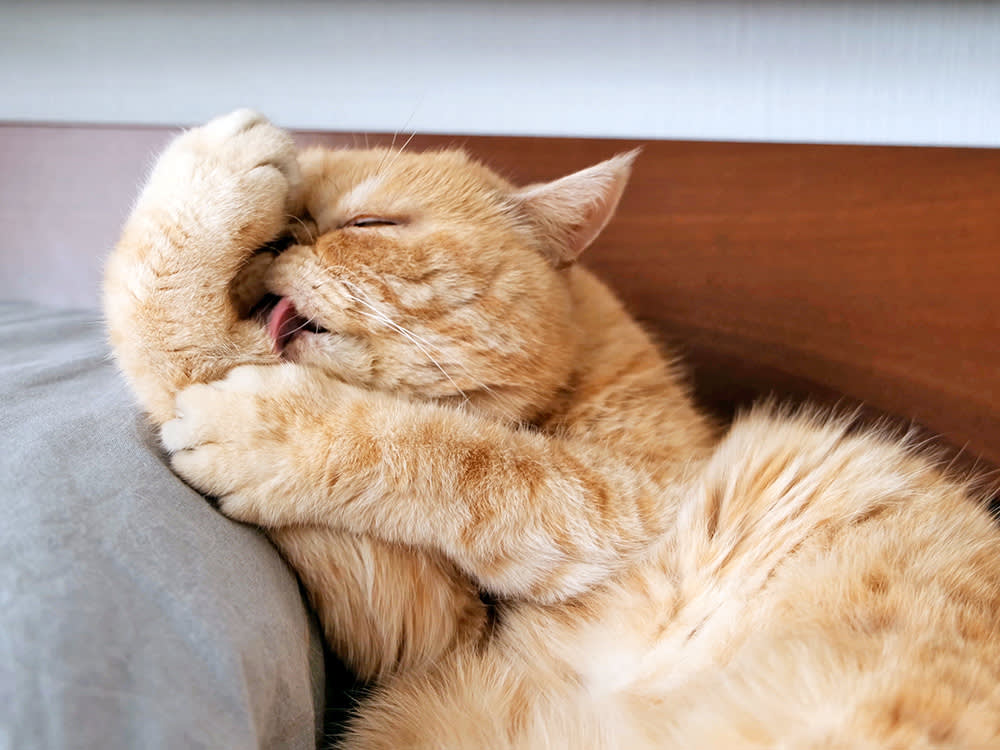
Credit: www.kinship.com
Cat Grooming Habits
Cats spend a lot of time grooming themselves. This behavior keeps them clean and comfortable. Grooming also helps cats relax and feel safe. Understanding their grooming habits can explain why cats bite their nails during this process.
Typical Grooming Behaviors
Cats use their tongues to clean their fur. Their rough tongues remove dirt and loose hair. They lick their paws and rub them on their faces. This action cleans hard-to-reach areas. Cats also nibble on their fur to remove tangles or debris.
- Cleaning fur with the tongue
- Licking paws and rubbing faces
- Nibbling fur to remove tangles
- Stretching and twisting to reach spots
Role Of Nails In Grooming
Nails help cats scratch and remove dirt. They use their claws to dig into tangled fur. Biting nails can clean the claws themselves. This keeps nails sharp and free of debris. Healthy nails make grooming easier and more effective.

Credit: www.reddit.com
Reasons Behind Nail Biting
Understanding why cats bite their nails during grooming can reveal a lot about their health and emotional state. Nail biting isn’t just a random habit; it often signals underlying triggers that need your attention. Let’s look deeper into the key reasons behind this behavior and what it means for your feline friend.
Stress And Anxiety Triggers
Cats often bite their nails as a way to cope with stress or anxiety. Changes in their environment, like a new pet or moving to a new home, can make them nervous. Have you noticed your cat biting its nails more when visitors arrive or during loud noises? This behavior can be a self-soothing mechanism to relieve tension.
Itchiness And Skin Irritations
Nail biting may be a response to itchiness or skin problems around the paws. Allergies, insect bites, or infections can cause discomfort that leads cats to chew on their nails. If your cat’s paws look red or swollen, it’s a sign to check for irritations that need treatment.
Nail Health Issues
Sometimes nail biting points to nail problems like overgrown or broken nails. Cats can’t always trim their nails perfectly, so they might try to fix issues themselves by biting. Regularly checking and trimming your cat’s nails can help avoid this painful habit and keep their paws healthy.
Boredom And Habit Formation
Boredom can push cats to develop repetitive behaviors, including nail biting. If your cat isn’t getting enough mental or physical stimulation, it might turn to grooming itself excessively out of habit. Could adding more playtime or interactive toys reduce this behavior in your cat?
Health Concerns Linked To Nail Biting
Cats bite their nails during grooming to keep them clean and sharp. This helps prevent dirt buildup and reduces the risk of infections. Nail biting also aids in removing loose nail parts and maintaining paw health.
Cats are fascinating creatures, and their grooming habits often leave us puzzled. One common behavior that raises eyebrows is nail biting. While it might seem harmless, there can be underlying health concerns associated with this quirky habit. Understanding these can help ensure your furry friend stays in top health.Infections And Injuries
Nail biting can lead to painful infections and injuries. When a cat bites its nails too aggressively, it can cause tiny cuts or tears. These open wounds can easily become infected, leading to discomfort and health issues. Have you ever noticed your cat limping or avoiding putting weight on a paw? This could be a result of an injury from excessive nail biting. If left untreated, such injuries might require veterinary intervention.Impact On Paws And Claws
Biting nails can alter the natural shape and strength of a cat’s claws. Over time, this behavior may weaken the claws, making them more prone to breakage. Weak claws can affect your cat’s ability to climb or defend itself effectively. Paw pads might also suffer from continuous nail biting. The constant pressure and friction can lead to sore and swollen pads, causing significant discomfort. Ensuring your cat’s paws and claws remain in good condition is crucial for their overall well-being.Signs To Watch For
Detecting unusual behavior early can save your cat from unnecessary pain. Look for signs such as excessive licking of the paws, limping, or visible swelling. These could indicate a problem linked to nail biting. Pay attention to changes in your cat’s grooming habits. If they start biting their nails more frequently or aggressively, it might be time to consult your vet. Trust your instincts—if something feels off, it’s always better to get it checked. By staying informed and observant, you can help your cat maintain healthy grooming habits and a happier life. Do you notice your cat biting its nails more than usual? It might be worth a closer look.How To Help Your Cat
Helping your cat manage nail biting during grooming starts with understanding their needs and creating a comfortable environment. You can make a big difference by being proactive about their nail care and emotional well-being. Let’s look at some practical ways you can support your feline friend.
Regular Nail Care Tips
Keeping your cat’s nails trimmed reduces their urge to bite or chew on them. Use a pair of sharp, cat-specific nail clippers and trim only the sharp tips to avoid hurting the quick.
Make nail trimming a calm and positive experience by offering treats or gentle petting. Try to check their nails weekly to prevent overgrowth, which can cause discomfort and increase biting.
Reducing Stress Factors
Stress often triggers excessive nail biting. Identify what might be stressing your cat—new pets, loud noises, or changes in routine can all be factors.
Create a peaceful space with familiar toys and a cozy bed to help them relax. You might also try pheromone diffusers designed for cats to ease anxiety.
Have you noticed if your cat bites their nails more during certain times or after specific events? Observing their behavior closely can help you pinpoint stress triggers.
When To Consult A Vet
If your cat’s nail biting seems excessive, causes bleeding, or is accompanied by other symptoms like licking paws or skin irritation, it’s time to see a vet. These signs could indicate infections, allergies, or other health issues.
Your vet can recommend treatments or behavioral strategies tailored to your cat’s needs. Don’t hesitate to seek professional advice if you feel uncertain about your cat’s nail biting behavior.
Preventive Measures
Preventive measures can reduce nail biting during cat grooming. These steps help keep your cat calm and healthy. Proper care also lowers the risk of injury or infection.
Providing Enrichment Activities
Cats need mental and physical stimulation to stay happy. Offer toys that encourage natural hunting behaviors. Puzzle feeders keep cats busy and reduce boredom. Rotate toys to keep interest high. Play sessions also help release excess energy.
Safe Nail Trimming Techniques
Trim nails carefully to avoid pain or stress. Use sharp, clean nail clippers made for cats. Hold the paw gently but firmly. Cut only the clear tip, avoiding the quick. If unsure, ask a vet or groomer for help. Regular trimming prevents nails from becoming too sharp or long.
Creating A Comfortable Environment
Choose a quiet and calm space for grooming. Soft lighting and a warm room help cats relax. Speak softly and move slowly during grooming. Use a towel or non-slip mat for security. Stop if your cat shows signs of stress. Comfort reduces nail biting caused by anxiety.

Credit: www.reddit.com
Frequently Asked Questions
Why Do Cats Bite Their Nails During Grooming?
Cats bite their nails to clean them and remove dirt or debris. This behavior helps maintain healthy claws and prevents infections. Nail biting also sharpens their claws for hunting or climbing.
Is Nail Biting Normal Behavior For Cats?
Yes, nail biting is a normal grooming behavior in cats. It keeps their claws clean and sharp. However, excessive biting may indicate stress or health issues, requiring veterinary advice.
Can Nail Biting Harm My Cat?
Usually, nail biting doesn’t harm cats if done moderately. Over-biting can cause nail damage or infections. Monitor your cat’s behavior and consult a vet if you see wounds or swelling.
How Can I Prevent My Cat From Biting Nails Excessively?
Provide regular nail trims and enrichment activities to reduce stress. Ensure your cat has scratching posts and a healthy diet. Consult a vet if nail biting seems obsessive or painful.
Conclusion
Cats bite their nails to keep them clean and sharp. This behavior helps remove dirt and loose nail parts. It also feels good for cats and keeps their paws healthy. Watching this habit can teach us more about cat care.
Pay attention to your cat’s grooming to spot any problems early. Healthy nails mean a happier cat overall. Simple care helps your cat stay comfortable and clean every day.

Leave a Reply