
Have you noticed your cat ignoring her favorite toys lately? It can be confusing and even a little worrying when your playful companion suddenly loses interest.
You might be wondering if something’s wrong or if she’s just bored. Understanding why your cat won’t play with her toys anymore can help you bring back the fun and keep her happy. You’ll discover the surprising reasons behind this change and simple steps you can take to spark her curiosity again.
Keep reading to find out how to make playtime exciting for your furry friend once more.

Credit: www.reddit.com
Changes In Health
When your cat suddenly stops playing with her favorite toys, changes in her health might be the root cause. Cats are masters at hiding discomfort, so subtle shifts in behavior like less play can signal underlying issues. Understanding these health changes can help you respond thoughtfully and support your feline friend better.
Age-related Factors
As cats grow older, their energy levels naturally decline. Your once energetic kitten might now prefer lounging over chasing toys. This doesn’t mean she’s bored; her body is simply adjusting to aging.
Older cats often have slower reflexes and less stamina. You might notice she plays for shorter periods or loses interest faster. Have you noticed your cat resting more after brief bursts of activity?
Common Illnesses Affecting Play
Illnesses can reduce your cat’s desire to engage in play. Conditions like infections, kidney disease, or hyperthyroidism often cause fatigue and lethargy.
Even mild illnesses can make your cat less responsive to toys she used to love. If you see other symptoms like changes in appetite or grooming, a vet visit is a good idea. Don’t wait until your cat stops playing completely—early detection can make a big difference.
Pain And Discomfort
Pain is a powerful reason your cat might avoid toys. Arthritis, dental issues, or injuries can make movement uncomfortable or painful.
Your cat might hesitate to pounce or bat at toys if her joints hurt. Watch for signs like limping, stiffness, or sensitivity when you touch certain areas. Have you tried gently observing her movements or consulting a vet to rule out pain?
:strip_icc()/kittenandshoe-GettyImages-532112084-40dbe91379b74c2bad654faf6292f505.jpeg)
Credit: www.thesprucepets.com
Environmental Influences
Environmental factors play a huge role in your cat’s interest in her toys. Changes around her can disrupt her usual play patterns and make her seem uninterested. Understanding these influences can help you bring back the fun and excitement to her playtime.
New Surroundings
Moving to a new home or rearranging furniture can make your cat feel unsettled. She might focus more on exploring her new environment than playing with toys. Give her time to adjust, and try placing toys in familiar spots to encourage interaction.
Have you noticed your cat hiding or avoiding certain rooms after a change? This behavior often means she’s still getting comfortable, which can affect her playfulness.
Changes In Household Dynamics
Adding a new pet or family member can shift your cat’s attention away from toys. She may feel unsure or even jealous, which reduces her interest in play. Maintaining a calm and predictable routine helps her feel secure again.
Try to spend extra one-on-one time with her, focusing on gentle play to rebuild her confidence and trust. Could your cat be seeking more emotional connection rather than just physical play?
Stress And Anxiety
Stress from loud noises, visitors, or even changes in your schedule can make your cat anxious. This anxiety often leads to a drop in play activity because she feels overwhelmed. Creating quiet, safe spaces and using calming aids can reduce her stress levels.
Observe if your cat shows signs of restlessness or hiding. Addressing her emotional needs can reignite her interest in toys and make her feel happier overall.
Toy-related Issues
Cats may lose interest in toys if they become bored or the toys no longer feel new. Changes in health or mood can also affect their play habits. Sometimes, the texture or size of toys might not suit their current preferences.
Cats are naturally curious creatures, but sometimes they lose interest in their toys. This change in behavior can be puzzling for any pet owner. Understanding the toy-related issues might help you rekindle your cat’s playful spirit.Loss Of Interest In Old Toys
Cats can get bored with the same toys over time. Just like humans, they crave novelty and new experiences. If your cat has been playing with the same toy for months, it might be time for a change. Rotate her toys to spark her curiosity again. Introduce a new toy every week or so, and notice how she responds.Toy Safety And Condition
Toys can wear out, becoming less appealing or even unsafe. A toy that’s falling apart might not just be unattractive; it could be dangerous. Inspect her toys regularly for any signs of wear and tear. Replace or repair any damaged toys to ensure her playtime remains safe and enjoyable.Preference For Different Toy Types
Cats can be picky about their playthings. Your furry friend might have developed a preference for a different type of toy. Observe her behavior to identify what she enjoys. Does she chase after feather wands, or does she prefer the challenge of puzzle toys? Try different types to discover her favorites. By addressing these toy-related issues, you can help reignite your cat’s love for playtime. What changes have you noticed in your cat’s play habits?Behavioral And Psychological Factors
Cats can stop playing with their toys due to changes in behavior and feelings. These changes often come from inside their minds. Understanding these factors helps to bring back their playful side.
Sometimes, cats need more fun and excitement. If toys are always the same, they lose interest. Cats want new challenges and different ways to play. Their brains need stimulation to stay happy.
Boredom And Stimulation Needs
Cats get bored with the same toys over time. They need toys that move or make sounds. Changing toys often can keep them curious. Puzzle feeders and interactive toys can help.
Indoor cats especially need mental and physical activity. Without it, they become lazy or uninterested. Playtime should be part of their daily routine.
Social Interaction Preferences
Cats enjoy playing with people or other pets. Some cats prefer company over toys. They want attention and interaction. Playing together strengthens your bond and keeps them active.
Quiet or shy cats might not like rough play. They may avoid toys if they feel scared or overwhelmed. Respecting their mood is important for good playtime.
Past Negative Experiences
Bad memories can make cats avoid toys. Loud noises or sudden movements during play can frighten them. Pain from injuries linked to toys can also cause fear.
Slow and gentle reintroduction to toys helps. Let the cat explore toys at their own pace. Positive experiences build trust and encourage play again.
Strategies To Rekindle Play
Reigniting your cat’s interest in toys takes patience and creativity. Cats can get bored with the same toys. Changing the play environment helps bring excitement back. Small changes can make a big difference in your cat’s behavior and happiness.
Introducing New Toys
Bring variety with new toys that have different shapes and textures. Toys that move or make noise often attract cats. Rotate toys regularly to keep them fresh and interesting. Try toys with feathers, bells, or crinkly material.
Enhancing Playtime Routine
Set specific times for play each day. Short, frequent sessions work best for cats. Use toys that mimic prey to engage natural hunting instincts. Play actively with your cat instead of just leaving toys out.
Encouraging Physical And Mental Activity
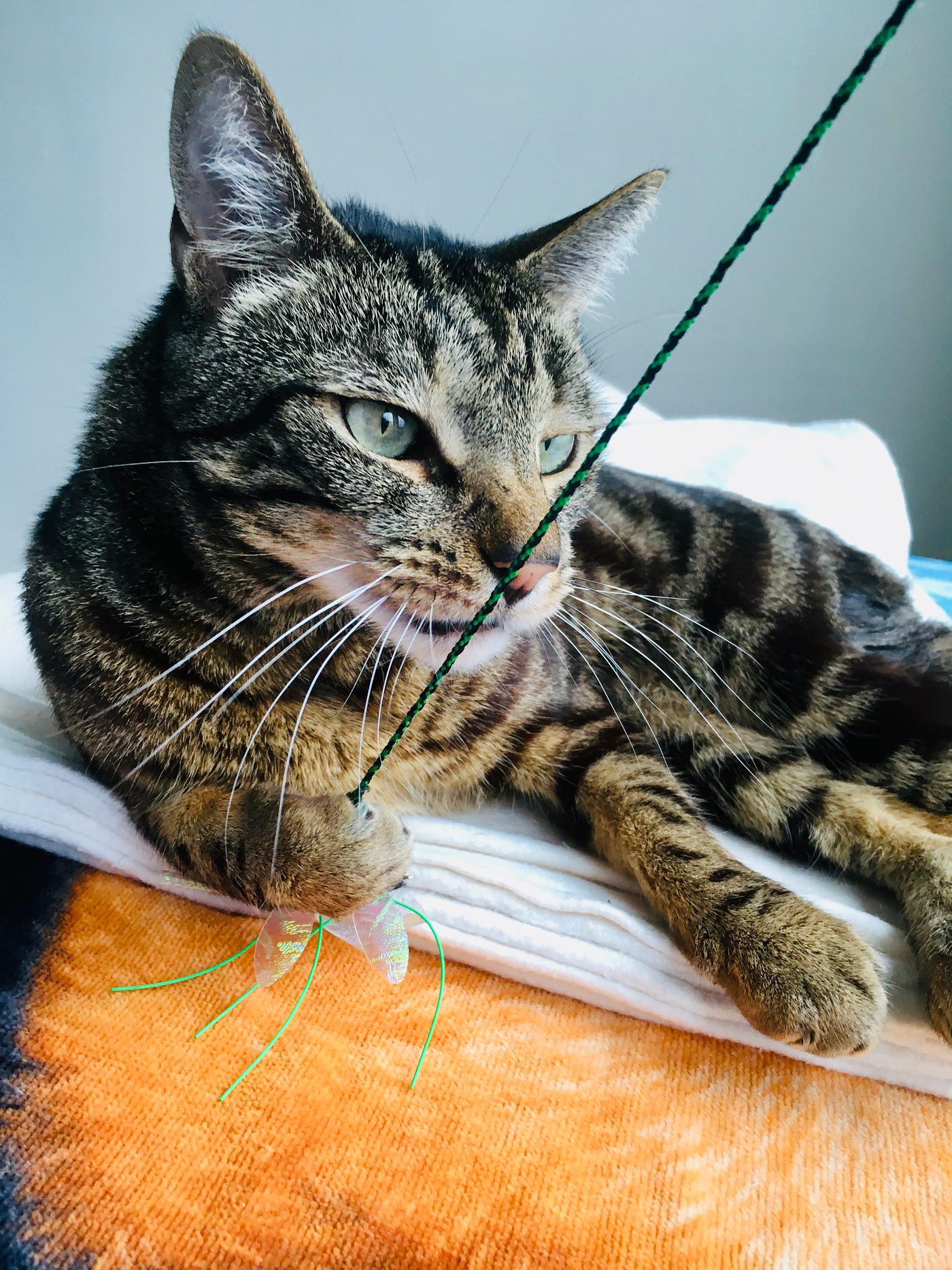
Introduce puzzle toys that challenge your cat’s mind. Hide treats inside toys to stimulate curiosity. Create climbing spots or tunnels for physical exercise. Mental and physical activities reduce boredom and increase playfulness.
Credit: medium.com
Frequently Asked Questions
Why Did My Cat Suddenly Stop Playing With Toys?
Cats may stop playing due to boredom, stress, or health issues. Aging and changes in environment also affect their interest in toys.
How Can I Make My Cat Interested In Toys Again?
Try rotating toys regularly, using interactive play, and offering new textures or sounds. Engage your cat daily to rekindle interest.
Could My Cat’s Health Affect Her Playfulness?
Yes, pain, arthritis, or illness can reduce activity. A vet checkup is essential if play decline is sudden or severe.
Does The Type Of Toy Impact My Cat’s Interest?
Absolutely. Cats prefer toys mimicking prey, like feathers or laser pointers. Experiment to find her favorites.
Conclusion
Cats can lose interest in toys for many reasons. Changes in health, mood, or environment affect play. Try new toys or different play times. Give your cat gentle attention and patience. Watch her closely to understand her needs. Play keeps cats happy and healthy.
Keep exploring ways to bring back her fun. Small efforts can make a big difference. Your cat’s joy matters most. Keep loving and caring for her every day.

Leave a Reply