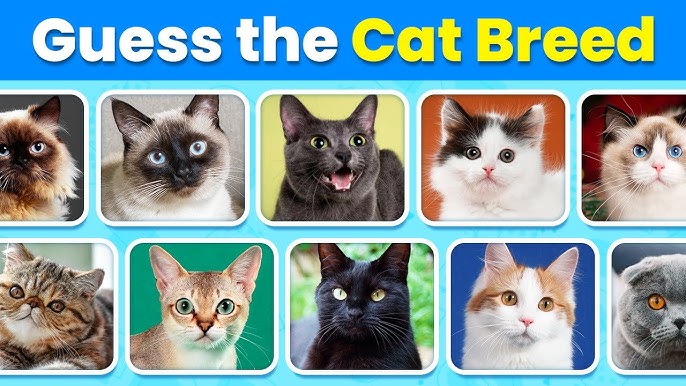
Have you ever wondered just how many cat breeds there are in the world? If you’re a cat lover, knowing the different types can help you find the perfect feline friend or simply satisfy your curiosity.
You might be surprised by the variety of shapes, colors, and personalities that exist. Stick with me, and by the end of this article, you’ll have a clear picture of the most popular cat breeds and some rare ones you may never have heard of.
Ready to discover the fascinating world of cats? Let’s dive in!
:format(jpeg):quality(75))
Credit: manypets.com
Global Cat Breed Diversity
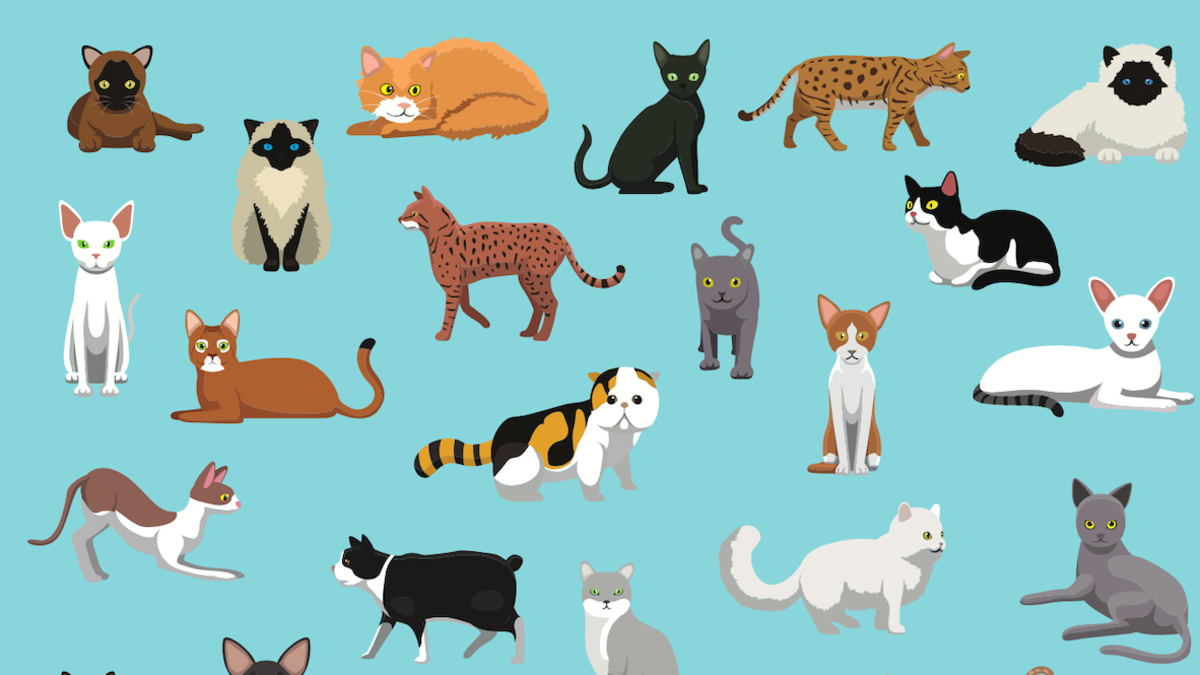
The variety of cat breeds around the world is truly astonishing. Each breed carries unique traits shaped by geography, culture, and selective breeding. This diversity offers cat lovers countless options to find a feline companion that fits their lifestyle and personality perfectly.
Recognized Cat Breeds
Official cat associations like the Cat Fanciers’ Association (CFA) and The International Cat Association (TICA) recognize over 70 distinct cat breeds. These breeds range from the sleek Siamese to the fluffy Maine Coon, each with specific standards for appearance and temperament.
You might be surprised to learn that some breeds have centuries of documented history, while others were only formally recognized recently. For example, the Persian has been admired for its luxurious coat since the 1600s, whereas the Savannah cat gained recognition in the 2000s due to its exotic look and wild ancestry.
Emerging And Rare Breeds
Beyond the well-known breeds, many emerging and rare cats are gaining attention. These breeds often come from unique crossbreeding or rediscovery of ancient lineages.
- The Lykoi, sometimes called the “werewolf cat,” stands out for its partially hairless coat and wild appearance.
- The Kurilian Bobtail, native to Russia and Japan, is known for its distinctive bobbed tail and strong hunting skills.
- Rare breeds like the Sokoke, originating from Kenya, have unique spotted coats and are prized for their wild look and gentle nature.
Have you ever wondered how many cat breeds you could realistically choose from when adopting your next pet? Knowing about emerging breeds might open your eyes to options you hadn’t considered before.

Credit: www.reddit.com
Popular Cat Breeds Around The World
Cat breeds vary widely across the globe, each with unique features and histories that make them beloved by many. Whether you live in a bustling city or a quiet countryside, certain breeds stand out and capture the hearts of cat lovers everywhere. Understanding which breeds are popular in different regions can help you find the perfect feline companion that matches your lifestyle and preferences.
Top Favorites By Region
Different parts of the world favor distinct cat breeds due to climate, culture, and lifestyle.
- North America:The Maine Coon tops the list with its large size and friendly nature. The American Shorthair is also widely loved for its adaptability and low maintenance.
- Europe:The British Shorthair is cherished for its plush coat and calm demeanor, especially in the UK. In Scandinavia, the Norwegian Forest Cat is popular because of its thick fur suited for cold weather.
- Asia:The Siamese cat is a classic favorite in many Asian countries, known for its striking appearance and vocal personality. The Japanese Bobtail, with its distinctive tail, is also a cultural icon in Japan.
- Australia:The Burmese breed is common, valued for being affectionate and social, fitting well into family homes.
Have you noticed how some breeds seem to thrive better in certain climates or lifestyles? It’s not just about looks; their history and environment play a big role.
Traits That Boost Popularity
What makes a cat breed popular? It’s often a mix of personality, appearance, and care needs.
- Temperament:Friendly and social cats like the Ragdoll or Scottish Fold attract families and first-time owners.
- Appearance:Unique features such as the Sphynx’s hairlessness or the Bengal’s wild-looking coat catch attention easily.
- Maintenance:Breeds with lower grooming demands tend to be more popular among busy owners.
- Health:Cats with fewer genetic health issues are preferred for long-term companionship.
Think about your own lifestyle—do you want a playful cat that needs lots of attention, or a calm companion who enjoys quiet time? Matching traits with your daily routine can lead to a happy pet-owner relationship.
Factors Influencing Breed Popularity
Breed popularity changes based on traits like appearance, behavior, and health. Cultural trends and media exposure also play a big role in which cat breeds become favorites.
Understanding the factors that influence the popularity of cat breeds can be fascinating. These factors not only shape our choices but also influence the pet market and adoption trends. Whether it’s cultural inclinations, celebrity endorsements, or media exposure, each element plays a crucial role in determining which cat breeds capture our hearts.Cultural Preferences
Cultural preferences significantly impact the popularity of cat breeds. In Japan, the bobtail cat is revered for its association with good fortune and happiness. You might notice how different cultures have their own ‘mascot’ cat breed that often becomes a symbol of national identity. In some regions, certain breeds are valued for their historical significance or roles in folklore. For example, the Turkish Angora is cherished in Turkey for its elegance and connection to ancient royalty. What breeds do you think represent your own cultural heritage?Media And Celebrity Influence
Media and celebrities have a powerful impact on our perception of cat breeds. When a celebrity adopts a specific breed, it often sparks a surge in popularity for that breed. Remember when Taylor Swift’s Scottish Fold cats went viral on social media? Suddenly, everyone wanted those cute, round-faced companions. Movies and TV shows also contribute to the popularity of certain breeds. The Siamese cat, for instance, gained fame through its appearances in classic films. Have you ever been influenced to choose a breed because you saw it on screen or in a celebrity’s Instagram feed? By understanding these factors, you can make more informed choices when considering your next feline friend. Whether you are drawn to a breed for its cultural connections or because it’s the latest celebrity craze, being aware of these influences can help you find the perfect match.Cat Breed Classification Systems
Understanding how cat breeds are classified helps you appreciate the diversity of these fascinating animals. Different organizations use various systems to group breeds, making it easier to identify and learn about them. Knowing these classification systems can guide you if you’re considering adopting or breeding cats.
Major Cat Registries
Several key organizations around the world maintain official lists of recognized cat breeds. These registries set the standards for breed recognition and often influence which cats appear in shows.
- The Cat Fanciers’ Association (CFA)is one of the largest registries, primarily covering North America. It recognizes around 44 breeds, including popular ones like the Persian and Maine Coon.
- The International Cat Association (TICA)has a broader global reach and recognizes over 70 breeds. It tends to accept newer or experimental breeds more quickly than other registries.
- The Fédération Internationale Féline (FIFe)is based in Europe and recognizes about 50 breeds. It focuses on maintaining traditional breed standards.
Each registry has its own rules and processes for recognizing new breeds. This means a breed accepted by one registry might not be recognized by another yet. Have you ever wondered why your favorite cat breed might be missing from some cat shows?
Breed Standards And Categories
Breed standards are detailed descriptions of how a cat of a certain breed should look and behave. These standards cover everything from coat color and pattern to body shape and personality traits.
Breeds are often grouped into categories based on shared features. Common categories include:
- Coat Length:Short-haired, long-haired, and semi-long-haired breeds.
- Origin:Breeds from specific regions, like Siamese from Thailand or Norwegian Forest cats from Norway.
- Body Type:Cobby (compact), muscular, or slender breeds.
Understanding these categories helps you spot subtle differences between breeds. For example, the difference between a British Shorthair and an American Shorthair lies in body structure and coat density, despite both being short-haired cats.
How Breed Numbers Evolve
The number of recognized cat breeds is not fixed; it changes as breeders and cat enthusiasts introduce new varieties and experiment with genetics. This evolution reflects the dynamic relationship between humans and cats, influenced by cultural trends and scientific advances. Understanding how breed numbers evolve helps you appreciate the diversity and complexity behind every feline companion.
New Breed Development
New cat breeds often start from natural mutations or unique traits found in a few cats. Breeders then focus on these traits, selectively breeding to maintain and enhance them over generations.
For example, the Savannah cat began when a domestic cat was crossed with a wild serval, creating a breed known for its striking appearance and energetic personality. This process can take years of careful planning and patience, as breeders work to ensure the new breed is healthy and consistent.
Have you ever wondered how a rare coat pattern or eye color becomes a new breed standard? It’s a combination of genetics, breeder dedication, and official recognition by cat associations.
Impact Of Crossbreeding
Crossbreeding mixes traits from different breeds to create new looks or improve health. It’s a powerful tool but also requires careful management to avoid health problems.
Take the Bengal cat, which originated from crossing domestic cats with Asian leopard cats. This crossbreeding introduced wild markings and a muscular build but also required breeders to monitor temperament closely.
When you see a new breed, ask yourself: what qualities did the breeders aim to add or balance? Crossbreeding is not just about appearance; it’s about combining the best traits while minimizing risks.
Choosing The Right Breed
Choosing the right cat breed shapes your pet experience. Different breeds suit different homes and lifestyles. Picking a breed that fits your daily routine and personality helps build a strong bond. It also makes caring for your cat easier and more enjoyable.
Lifestyle Considerations
Consider how much time you spend at home. Some cats need lots of attention and playtime. Others enjoy being alone for hours. Space matters too. Large breeds or active cats do better with room to roam. Smaller breeds can live happily in apartments. Allergies also affect choice. Some breeds shed less and cause fewer allergic reactions.
Personality And Care Needs
Each breed has a unique personality. Some cats are calm and gentle. Others are energetic and curious. Grooming needs vary widely. Long-haired cats require daily brushing. Short-haired cats need less grooming. Health issues differ too. Learn about common breed problems before deciding. Matching a breed’s temperament with your preferences creates a happier home.
Credit: paradepets.com
Frequently Asked Questions
How Many Cat Breeds Exist Worldwide?
There are approximately 70 to 75 recognized cat breeds globally. Different cat associations may vary in their counts. Each breed has distinct traits, origins, and appearances.
What Are The Most Popular Cat Breeds?
Popular cat breeds include Persian, Maine Coon, Siamese, and Ragdoll. These breeds are loved for their unique personalities and looks. They often top adoption and registration lists.
How Are Cat Breeds Officially Recognized?
Cat breeds are recognized by organizations like CFA and TICA. Recognition requires documented lineage and breed standards. This process ensures breed purity and health traits.
Do New Cat Breeds Keep Emerging?
Yes, new cat breeds occasionally emerge through selective breeding. Breeders aim for unique traits and improved health. However, official recognition can take years.
Conclusion
Cats come in many breeds, each with unique traits and charm. Knowing how many cat breeds exist helps appreciate their diversity. Every breed has its own story and special features. Whether you prefer fluffy, short-haired, or sleek cats, there is a breed for you.
Exploring different breeds can be fun and informative. Cats bring joy in many shapes and sizes. The world of cats is full of surprises and beauty. Keep learning about breeds to find the perfect feline friend.

Leave a Reply