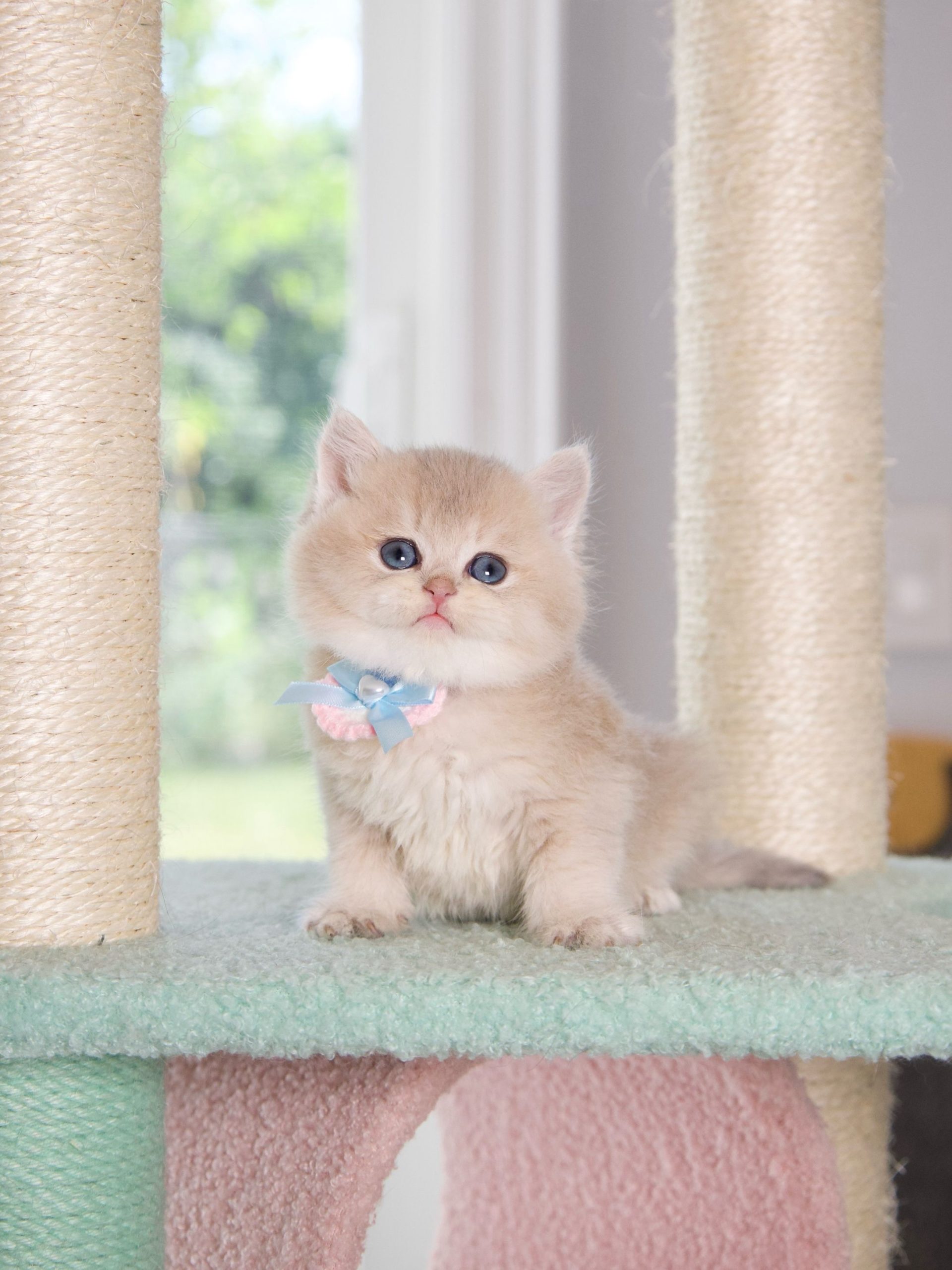
Are you passionate about cats and thinking of turning that love into a rewarding career? Becoming a cat breeder in Canada can be a fulfilling path, but it’s important to know exactly what’s involved before you start.
From understanding legal requirements to caring for your cats properly, there are key steps you need to follow to succeed. You’ll discover everything you need to know to become a responsible and successful cat breeder in Canada. Keep reading to learn how you can make your dream a reality while ensuring the health and happiness of your feline companions.
Legal Requirements In Canada
Before you start breeding cats in Canada, understanding the legal requirements is crucial. These laws protect both you and your animals, ensuring ethical breeding practices. Ignoring these rules can lead to fines, legal troubles, or worse, harm to your cats.
Licensing And Permits
Most provinces require breeders to have specific licenses or permits to operate legally. These documents confirm that you meet local standards for animal care and business operations. For instance, Ontario demands a breeder license if you sell more than a certain number of cats annually.
Applying for these permits usually involves submitting an application, paying fees, and sometimes passing inspections. Keep in mind, the requirements can vary widely between provinces and municipalities. Have you checked the exact rules for your location yet?
Animal Welfare Laws
Canada has strict animal welfare laws designed to protect cats from neglect and abuse. These laws set minimum standards for housing, nutrition, and veterinary care. Breeders must provide clean, safe environments and proper medical attention to their cats.
Failing to comply can result in severe penalties, including losing your breeding license. You need to understand these laws deeply because they’re not just guidelines—they are legal obligations. How prepared are you to meet these welfare standards every day?
Zoning Regulations
Local zoning laws determine where you can keep and breed cats. Some residential areas may restrict or prohibit commercial breeding activities. Zoning rules often affect how many cats you can have and where your breeding facility can be located.
Before setting up, check with your municipal office about zoning bylaws. This step can save you from costly moves or fines later on. Would you want to invest time and money only to find out your location isn’t approved for breeding?
Choosing The Right Cat Breed
Choosing the right cat breed is a crucial step in becoming a successful cat breeder in Canada. The breed you select will shape your daily responsibilities, influence your business’s reputation, and affect your connection with potential buyers. Understanding what makes each breed unique can help you make an informed decision that fits your lifestyle and goals.
Popular Breeds In Canada
Canada has a rich variety of cat breeds that are popular among breeders and pet owners alike. Some of the most sought-after breeds include:
- Ragdoll:Known for their gentle nature and striking blue eyes.
- Siberian:A hypoallergenic breed with a thick, water-resistant coat.
- Bengal:Famous for their wild appearance and energetic behavior.
- Scottish Fold:Recognizable by their folded ears and sweet temperament.
Choosing a breed popular in Canada can make it easier to find buyers and connect with breed-specific communities.
Breed Characteristics
Each cat breed comes with distinct traits that impact care and breeding challenges. Some breeds are low maintenance, while others require more grooming or special diets. For example, Persian cats need regular grooming due to their long fur, whereas Bengals thrive on lots of play and stimulation.
Consider your daily routine and resources. Can you commit to the time needed for grooming or exercise? Matching breed characteristics with your lifestyle reduces stress and improves your breeding success.
Market Demand
Understanding the demand for certain breeds in Canada can guide your breeding choices toward profitability. Some breeds have steady demand due to their temperament, appearance, or hypoallergenic qualities. For instance, Siberians are popular among people with allergies, creating a niche market.
Research local breeders, pet stores, and online forums to spot trends. Are buyers looking for active cats or calm companions? Aligning your breed choice with market preferences can give your breeding business a strong foundation.
Setting Up A Breeding Space
Creating a cozy, safe environment is crucial for cat breeding in Canada. Ensure ample space, cleanliness, and proper ventilation.
Setting up a breeding space is a crucial step for any aspiring cat breeder in Canada. A well-designed environment ensures the health, safety, and happiness of your cats and kittens. It also sets the stage for a successful breeding experience. Let’s explore how you can create the perfect space.Safe And Comfortable Environment
Your cats deserve a space that feels like home. Ensure that the breeding area is free from hazards like sharp objects or toxic plants. Use cozy bedding and soft lighting to create a welcoming atmosphere. Safety is paramount. Secure windows with screens and use child-proof locks on doors. This prevents cats from escaping or getting into trouble. Temperature control is essential. Cats thrive in moderate temperatures, so maintain a comfortable climate using heaters or fans as needed.Sanitation Practices
Keeping the breeding space clean is critical for the health of your cats. Regularly clean litter boxes, food bowls, and sleeping areas to prevent the spread of germs. Use pet-safe cleaning products. This minimizes the risk of exposure to harmful chemicals. Establish a cleaning schedule. Regular tasks, like vacuuming fur and wiping surfaces, should become routine to maintain hygiene.Space For Growth And Play
Cats need room to grow and play. Allocate space for climbing trees, scratching posts, and toys to keep them active and entertained. Consider the future. As your kittens grow, they’ll need more space to explore and interact with their environment. Think about enrichment. Engage your cats with varied toys and activities to stimulate their minds and bodies. Creating a perfect breeding space is not just about logistics—it’s about fostering a nurturing environment. How will you ensure your cats thrive in their new home?
Credit: www.purina.ca
Health And Nutrition
Maintaining the health and nutrition of cats is vital for every breeder in Canada. Healthy cats grow strong and have better chances of producing healthy kittens. Good care prevents diseases and ensures cats live long, happy lives. Focus on veterinary care, balanced diets, and preventive health to keep your cats in top condition.
Veterinary Care
Regular visits to the vet help catch health issues early. Vaccinations protect cats from common diseases. Spaying or neutering controls the cat population and improves health. Keep records of all vet visits and treatments. A vet can advise on parasites, dental care, and emergency needs.
Balanced Diet Plans
Cats need a diet rich in proteins and essential nutrients. Feed high-quality commercial cat food or a vet-approved homemade diet. Ensure fresh water is always available. Avoid feeding cats dog food or human snacks. Monitor their weight and adjust food portions to prevent obesity.
Preventive Health Measures
Use flea and tick preventives regularly. Deworm cats every few months. Keep living areas clean to reduce infection risks. Quarantine new cats before introducing them to the group. Provide safe, stress-free environments to support strong immune systems.
Breeding Process And Techniques
The breeding process in cat breeding requires careful planning and attention. Each stage affects the health and quality of the kittens. Understanding the proper techniques helps ensure healthy cats and successful litters. This section covers how to choose breeding cats, the mating process, and care during pregnancy and birth.
Selecting Breeding Cats
Choose cats with strong health and good temperament. Both parents should have clear health records and no genetic diseases. Look for traits that match the breed standard. Avoid breeding cats with visible defects or illnesses. Age matters; cats should be mature but not too old. Proper selection improves the chances of healthy kittens.
Mating Procedures
Introduce the male and female in a calm space. Watch their behavior carefully for signs of acceptance. Allow natural mating without forcing the cats. The female will show when she is ready. Several sessions might be needed for successful mating. Keep the environment quiet and safe during this time.
Pregnancy And Birth Care
Provide a quiet, warm area for the pregnant cat. Feed her nutritious food to support the growing kittens. Schedule regular vet visits to monitor health. Watch for signs of labor and be ready to assist if needed. Keep the birthing area clean and calm. After birth, check the kittens for breathing and warmth.

Credit: naturalholisticat.com
Raising Healthy Kittens
Raising healthy kittens is the heart of successful cat breeding. It needs careful attention and a good routine. Healthy kittens grow strong and happy, ready for their new homes.
Starting with proper care in the first days is crucial. Social skills and feeding habits also shape their development. Each stage builds a foundation for a lifetime of well-being.
Neonatal Care
Newborn kittens need warmth and comfort. Keep their environment cozy, around 85-90°F (29-32°C). Check their body temperature regularly. Cold kittens can get sick fast.
Monitor their weight daily to ensure steady growth. Use a soft towel for gentle handling. Avoid loud noises and bright lights to reduce stress. Clean the bedding often to keep germs away.
Watch for signs of illness like weak sucking or breathing issues. Consult a vet immediately if problems appear. Early care prevents many health issues.
Socialization Practices
Socializing kittens helps them become friendly pets. Start gentle handling from the second week. Introduce them to different sounds and people slowly. Use calm voices to avoid scaring them.
Play with kittens using soft toys to build trust. Short, frequent sessions work best. Encourage interaction between littermates to teach sharing and play skills.
Expose kittens to household noises like vacuum or TV. This prepares them for a normal home life. Positive experiences reduce fear and aggression later.
Weaning And Feeding
Begin weaning kittens at about four weeks old. Offer soft, wet kitten food mixed with formula. Gradually reduce formula as they eat more solid food. Keep fresh water available at all times.
Feed small portions several times daily. Monitor their appetite and digestion closely. Avoid sudden changes in food to prevent tummy upset.
Use high-quality kitten food rich in protein and nutrients. Proper nutrition supports growth and immune health. Always clean feeding bowls after each meal.
Marketing And Selling Kittens
Marketing and selling kittens require care and strategy. A good approach helps you find loving homes and keeps your breeding business trusted. Focus on building a strong reputation, choosing the right advertising channels, and carefully screening buyers. Each step ensures your kittens go to safe and happy families.
Building A Reputation
Reputation is key in cat breeding. Provide healthy, well-socialized kittens. Share positive stories and photos of your cats. Join local and online cat breeder groups. Participate in cat shows and events. Happy buyers often share their good experiences. This word-of-mouth helps grow trust in your breeding program.
Advertising Channels
Use various channels to reach potential buyers. Create a simple website with kitten photos and details. Use social media platforms with clear and honest posts. List kittens on popular pet sale websites in Canada. Offer newsletters or email updates for interested buyers. Local pet stores or vet clinics may allow flyers or ads.
Screening Buyers
Screening buyers protects kittens and your reputation. Ask questions about their home, lifestyle, and experience with cats. Check if they understand the responsibility of owning a kitten. Request references or a vet contact if needed. Ensure they plan to provide proper care and a safe environment. This helps place kittens in good homes.
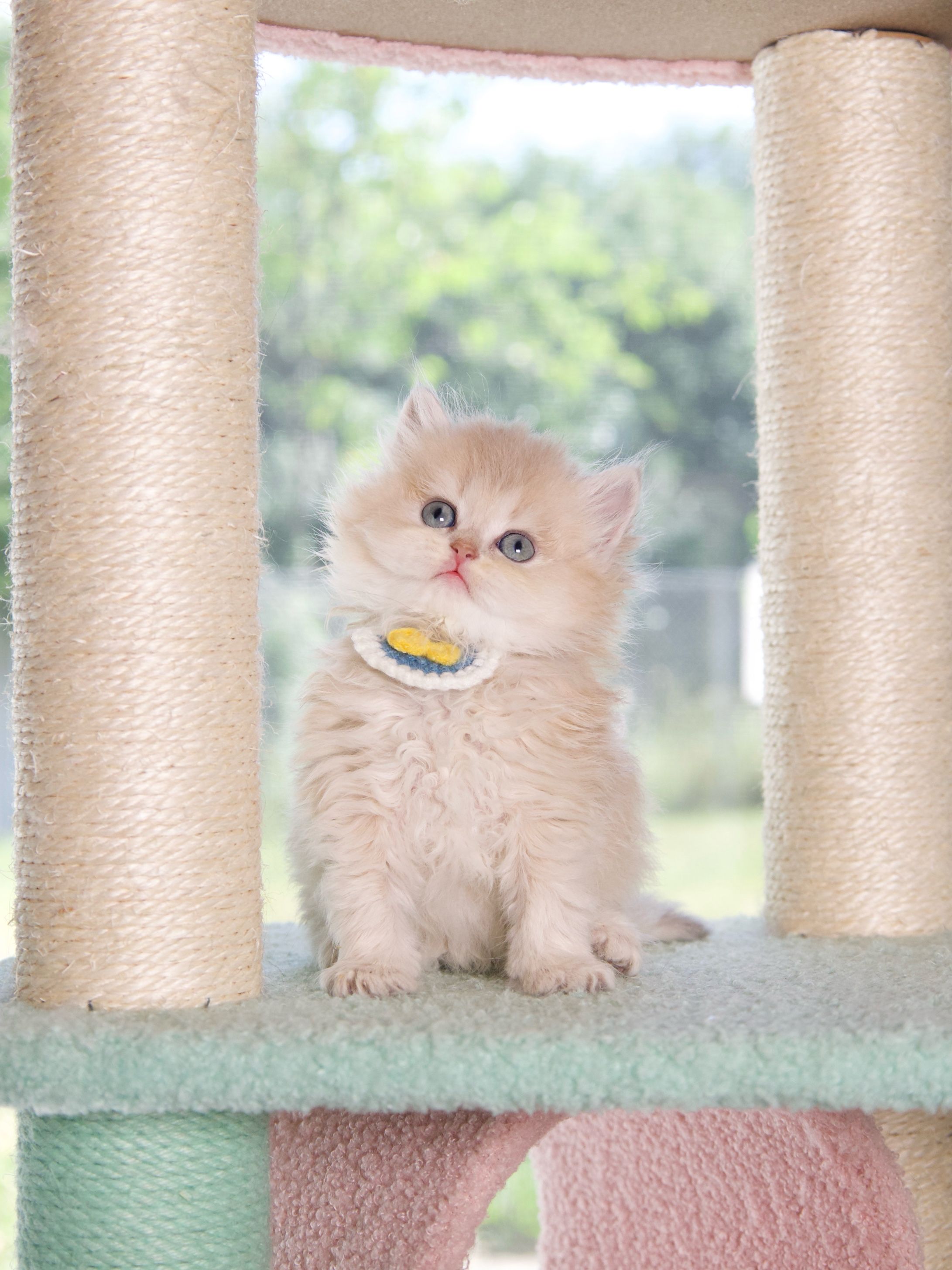
Credit: www.catkingcattery.com
Managing Business Finances
Managing your business finances is crucial when you’re a cat breeder in Canada. Without a clear financial plan, expenses can quickly spiral out of control, affecting your ability to care for your cats and grow your business. Keeping a close eye on your budget, pricing, and records will help you stay organized and profitable.
Budgeting And Expenses
Start by listing all your costs, including food, vet visits, vaccinations, breeding fees, and marketing. Don’t forget hidden expenses like emergency vet care or extra litter. Tracking these costs monthly helps you understand where your money goes and where you can cut back.
Think about unexpected costs—have you set aside a buffer for emergencies? This safety net can save your business and your cats. Regularly review your budget to adjust for changing prices or new expenses.
Pricing Strategies
Setting the right price for your kittens is tricky but vital. You want to cover your costs and make a profit, but your price must also be fair and competitive. Research other breeders in Canada to see what they charge for similar breeds and adjust based on your reputation and quality.
Consider offering tiered pricing for different services, like early vaccinations or microchipping. Have you thought about the value you provide beyond just the kitten? Highlighting these extras can justify higher prices and attract serious buyers.
Record Keeping
Good record keeping is the backbone of a healthy breeding business. Keep detailed files on each cat’s health, breeding history, and expenses. Digital tools like spreadsheets or specialized software can make this task easier and more accurate.
Accurate records protect you from legal issues and help with tax filings. Can you imagine losing track of breeding dates or medical history? Staying organized means you can focus more on your cats and less on paperwork.
Networking And Support
Building a strong network is crucial for any cat breeder in Canada. Support from experienced breeders and professionals helps improve your breeding program. It also provides valuable resources and advice. Connecting with the right people creates opportunities for growth and learning.
Joining Breeder Associations
Breeder associations offer a community of like-minded individuals. These groups share knowledge about breeding standards and best practices. Membership often includes access to exclusive events and workshops. Associations also help with ethical breeding guidelines and legal requirements. Joining a reputable association boosts your credibility as a breeder.
Connecting With Veterinarians
Veterinarians play a key role in cat breeding success. Establish a good relationship with a vet who understands breeding needs. Regular health checks and vaccinations keep your cats healthy. Vets provide advice on nutrition, disease prevention, and breeding timing. Their support reduces health risks for your cats and kittens.
Continuing Education
Learning never stops in cat breeding. Attend seminars, workshops, and online courses to stay updated. Education covers genetics, health care, and new breeding techniques. Staying informed helps you produce healthier and better-tempered cats. It also improves your reputation and attracts serious buyers.
Frequently Asked Questions
What Licenses Are Needed To Breed Cats In Canada?
You need a provincial or municipal license to breed cats legally. Regulations vary by location, so check local laws. Registering with a cat breeders’ association is also recommended for credibility and networking.
How Do I Choose The Best Cat Breed For Breeding?
Consider breed popularity, health, and temperament. Research breed standards and demand in Canada. Select cats with strong lineage and no genetic disorders to ensure healthy litters.
What Are The Essential Health Checks For Breeding Cats?
Perform thorough veterinary exams, including vaccinations and genetic testing. Regular health screenings prevent disease transmission. Ensure cats are free from parasites and hereditary conditions before breeding.
How Can I Find Reputable Buyers For Kittens In Canada?
Advertise through breeder directories, social media, and local cat shows. Screen potential buyers carefully to ensure kittens go to loving homes. Provide health certificates and care guidance to buyers.
Conclusion
Starting as a cat breeder in Canada takes care and patience. Know the rules and keep your cats healthy. Choose good breeds and give them a safe home. Keep learning about cats and their needs every day. Treat your cats with love and respect.
This helps you grow as a responsible breeder. Enjoy the journey and the joy cats bring to life. Success comes from hard work and kindness to animals.



Leave a Reply