Have you ever wondered where your furry friend’s wild side comes from? Domestic cats might seem like gentle pets, but deep down, they share a surprising connection with fierce wild cats roaming forests and savannas.
Understanding which wild cat species are closely related to your domestic cat can change the way you see your companion. You’ll discover the wild relatives that shaped your cat’s instincts, looks, and behavior. Ready to uncover the wild roots of your beloved pet?
Keep reading—what you learn might just surprise you.
Wild Cats And Domestic Cats
Domestic cats often feel like a world apart from their wild cousins, but the truth is, they share deep connections. Understanding these links can change the way you see your furry friend and the natural world around them. Let’s look closer at how wild cats and domestic cats are related.
Genetic Links
Your domestic cat shares much of its DNA with several wild cat species. The closest relative is the African wildcat (Felis lybica), whose genes make up a big part of the domestic cat’s heritage.
Scientists have found that domestic cats carry about 95% of their genetic material from these wildcats. This strong genetic link explains why domestic cats still show many wild behaviors, like stalking and pouncing.
Have you noticed your cat’s sudden bursts of energy and hunting instincts? That’s a reminder of these ancient genetic ties.
Shared Ancestors
Domestic cats and wild cats share a common ancestor that lived around 10,000 years ago. This ancestor gave rise to different species, including the African wildcat and other wildcat species around the world.
The domestication process started when humans and wildcats formed a mutually beneficial relationship. Wildcats helped control pests near human settlements, and humans provided food and shelter.
This shared history raises an interesting question: How much of your cat’s personality comes from its wild ancestors? Paying attention to your cat’s instincts helps you appreciate this deep connection.

Credit: www.thewildlifediaries.com
Felis Silvestris: The Wildcat Ancestor
Felis silvestris, commonly called the wildcat, is the closest wild relative to domestic cats. This species holds the key to understanding how wild cats evolved into the furry friends living in our homes today. Its traits and behaviors offer a glimpse into the early stages of cat domestication. Exploring Felis silvestris helps reveal the natural roots of domestic breeds.
Origin And Habitat
Felis silvestris originated in Europe, North Africa, and parts of Asia. It thrives in forests, grasslands, and rocky areas. Wildcats prefer places with dense cover to hide and hunt. They are solitary animals, mostly active at night. Their diet includes small mammals, birds, and insects. The wildcat’s ability to adapt to different environments helped it survive for thousands of years.
Role In Domestication
Felis silvestris played a major role in the birth of domestic cats. Early humans and wildcats shared habitats near farms. Wildcats hunted rodents attracted by stored crops. Humans welcomed their presence, leading to a natural bond. Over time, wildcats with friendlier behavior stayed close to people. This gradual process led to the tame and social cats we know today. The wildcat’s genetics still appear in many domestic breeds.
Close Wild Relatives Of Domestic Cats
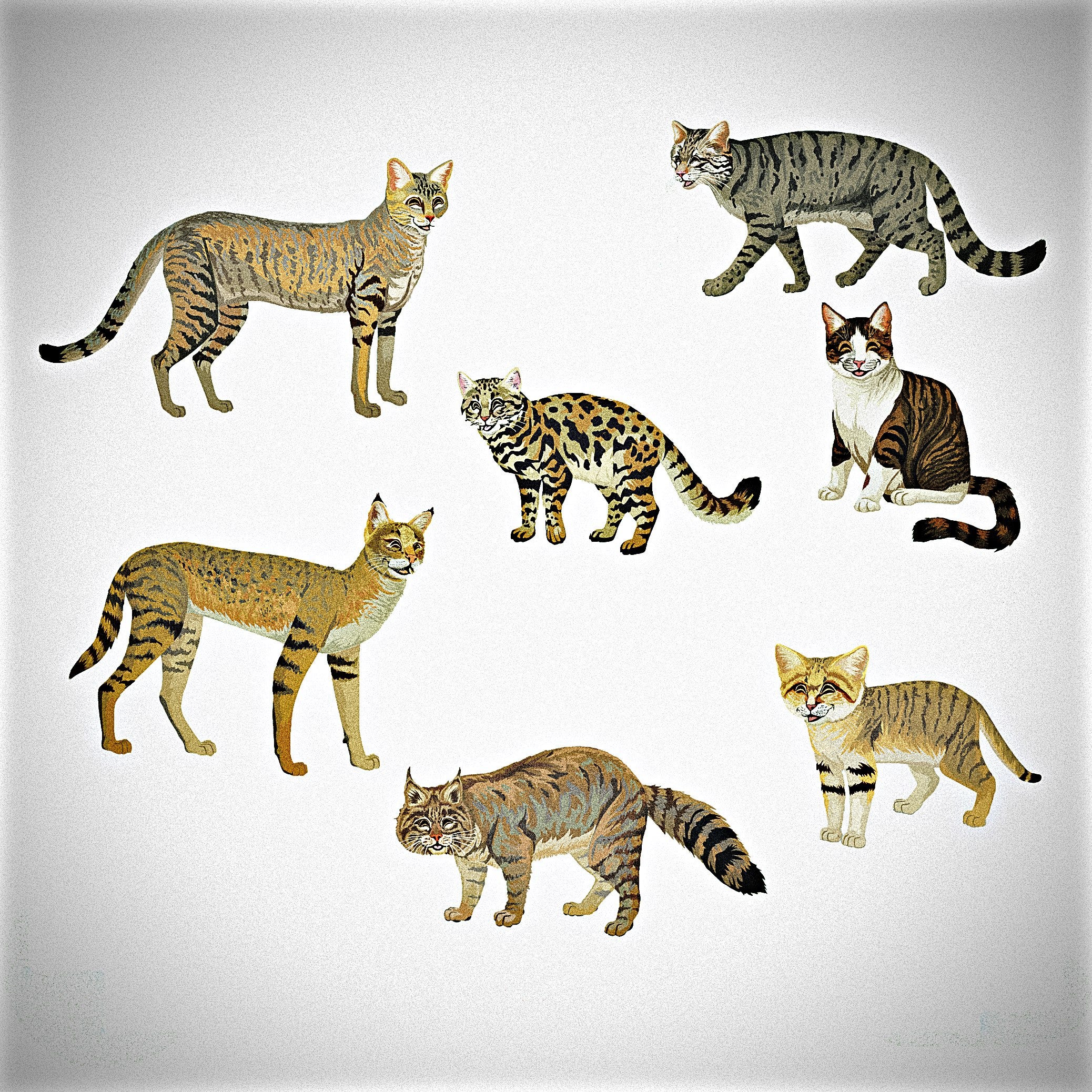
Domestic cats share close ties with wild species like the African wildcat and the Asiatic wildcat. These wild relatives have similar traits and genetics, showing where house cats originally come from. Understanding these connections helps explain domestic cats’ behavior and appearance.
Close Wild Relatives of Domestic Cats The domestic cat that curls up on your lap shares more with wild cats than you might imagine. These intriguing connections reveal how our furry friends are more than just house companions. They have wild cousins that roam various parts of the world, shaping their instincts and characteristics.African Wildcat
The African Wildcat is considered the closest wild relative to the domestic cat. Found in the African savannas, this species displays remarkable similarities to your pet in both size and behavior. They are solitary hunters, just like many domestic cats prefer their own company at times. Have you noticed how your cat stalks its toys? This is a trait inherited from its African ancestors. The African Wildcat’s hunting skills are honed in the wild, providing a crucial link to understanding your pet’s playful nature.European Wildcat
The European Wildcat prowls the forests of Europe, boasting a robust physique and a thick coat. This wildcat is slightly larger than its African cousin, adapting to the colder climates of Europe. Their striking resemblance to domestic tabbies is uncanny, often leading to confusion in the wild. Next time your cat gives you that piercing stare, imagine the European Wildcat watching you from a dense forest.Asiatic Wildcat
The Asiatic Wildcat roams the rugged terrains of Central Asia. Known for its adaptability, this wildcat survives in harsh environments, from deserts to mountain ranges. Your cat’s agility and ability to navigate tight spaces can be traced back to the survival skills of the Asiatic Wildcat. Do these wild instincts influence the way your cat explores your home? Understanding these wild relatives helps us appreciate the complexity of our domestic cats. They carry with them a lineage of survival, adaptability, and mystery. What wild traits do you see in your cat?Unexpected Wild Relatives
Many people assume domestic cats are far removed from their wild cousins. However, some wild cat species share surprising genetic links with the breeds you find at home. Discovering these unexpected wild relatives can change how you view your feline friend’s nature and behavior.
Leopard Cat And Bengal Breeds
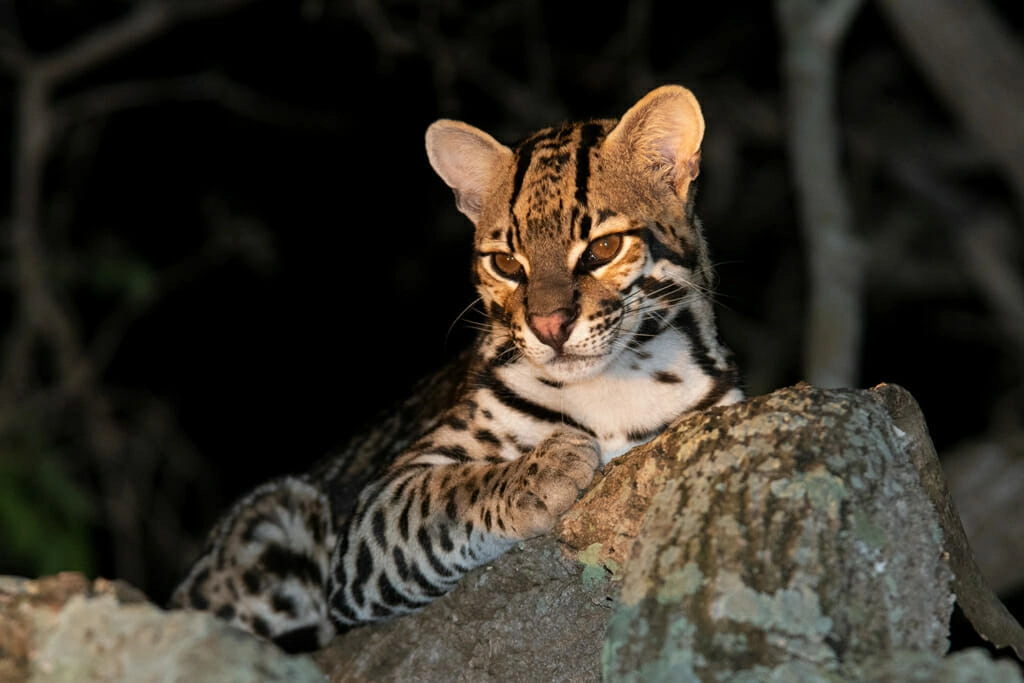
The Bengal cat is a striking example of a domestic breed with a wild pedigree. It was created by crossing domestic cats with the Asian leopard cat, a small wild species native to South and Southeast Asia.
This connection gives Bengals their distinctive spotted coat and energetic personality. Have you noticed how Bengals often seem more playful and curious than other cats? That wild ancestry could explain it.
If you want a pet that blends domestic comfort with a touch of the wild, Bengals might be an excellent choice. But remember, their wild roots mean they often need more stimulation and space to thrive.
Other Exotic Connections
Beyond the Bengal, several domestic breeds trace back to wild species you might not expect. The Egyptian Mau, for instance, shares traits with the African wildcat, the ancestor of all domestic cats.
Then there’s the Chausie, bred from crossing domestic cats with the jungle cat, which lives near rivers in Asia and Africa. This breed retains a sleek, muscular build and a playful, adventurous spirit.
These breeds remind you that your domestic cat’s behavior and appearance can reflect wild traits passed down through generations. When selecting a pet, consider how much of that wild influence fits your lifestyle and home environment.
Genetic Studies And Discoveries
Genetic studies have transformed our understanding of how domestic cats relate to their wild cousins. These discoveries reveal surprising connections that reshape what you might think about your feline friend’s heritage. By examining DNA, scientists uncover links that go far beyond appearances.
Dna Analysis Techniques
Scientists use several DNA analysis methods to trace the lineage of domestic cats. Techniques like mitochondrial DNA sequencing and whole-genome sequencing provide detailed insights into genetic similarities.
These tools compare genetic markers across species, revealing how closely related different cats are. Have you ever wondered how a tiny genetic code can tell such a big story about your pet’s ancestors?
- Mitochondrial DNA sequencing:Tracks maternal ancestry with high precision.
- Microsatellite markers:Identify genetic variations within and between species.
- Whole-genome sequencing:Offers a comprehensive look at the entire genetic makeup.
Surprising Genetic Overlaps
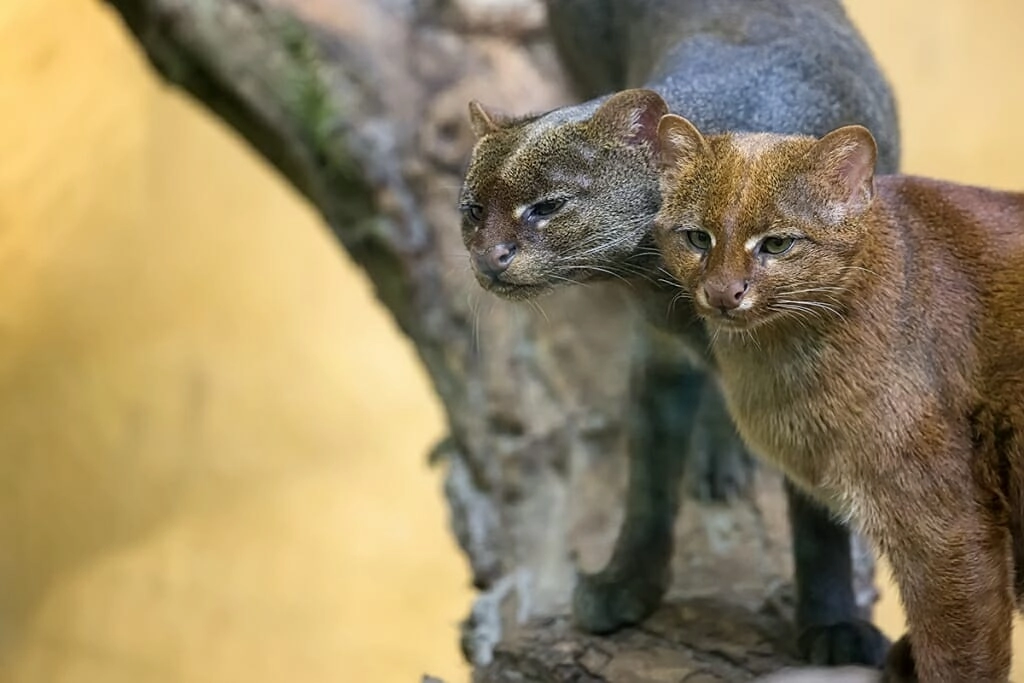
Research shows domestic cats share a significant portion of their DNA with wild species like the African wildcat (Felis lybica). This discovery confirms that domestic cats are direct descendants of these wild ancestors.
Interestingly, genetic overlaps also appear with other wild cats, such as the European wildcat, hinting at occasional interbreeding in certain regions. These findings challenge the idea that domestic cats evolved in complete isolation.
Have you noticed traits in your cat that seem unusual or wild? These genetic connections might explain those quirks and behaviors.
| Wild Cat Species | Genetic Similarity to Domestic Cat | Key Traits Shared |
|---|---|---|
| African Wildcat (Felis lybica) | ~95% | Coat patterns, hunting instincts, vocalizations |
| European Wildcat (Felis silvestris) | ~90% | Body structure, territorial behavior |
Understanding these genetic overlaps can deepen your appreciation of the wild roots present in every domestic cat. What new behaviors or traits will you notice now that you know your cat’s wild connections?
Credit: www.thewildlifediaries.com
Impact On Cat Breeding
The impact of wild cat species on domestic cat breeding is significant and complex. Wild cats closely related to domestic breeds contribute unique traits and genetics. These traits can influence appearance, behavior, and health in new cat breeds. Breeders often explore these connections to create hybrid breeds that stand out.
Breeding with wild cat species requires careful consideration. Ethical concerns and conservation issues arise. Responsible breeding practices help protect wild populations and maintain animal welfare.
Hybrid Breeds
Hybrid breeds mix domestic cats with wild relatives. These cats often have exotic looks and unique personalities. Examples include Bengal cats, bred from the Asian leopard cat and domestic cats.
- Hybrids show wild patterns and markings.
- They may have higher energy levels and intelligence.
- Breeders aim to keep hybrids healthy and social.
Hybrid breeding can introduce new colors and coat patterns. It also raises challenges in taming and care. These breeds need experienced owners who understand their special needs.
Conservation And Ethics
Crossbreeding wild cats with domestic breeds can affect wild populations. Capturing wild cats for breeding harms their numbers in nature. Conservation groups warn against disrupting wild gene pools.
- Wild cats must not be taken from the wild.
- Breeders should use captive-bred wild cats only.
- Ethical breeding respects animal welfare and species survival.
Protecting wild cats helps maintain biodiversity. Ethical breeding supports healthy cat populations, both wild and domestic. It balances human interest with nature’s needs.
Behavioral Traits From Wild Ancestors
Domestic cats carry many behaviors inherited from their wild ancestors. These traits help explain why house cats act the way they do. Understanding these behaviors reveals the strong link between wild cats and the breeds we know today.
Hunting Instincts
Wild cats depend on hunting to survive. Domestic cats keep this instinct alive, even when well-fed. They often chase toys or small moving objects. This behavior shows their deep-rooted need to stalk and catch prey.
Quick reflexes and sharp senses come from their wild lineage. These skills help cats spot even tiny movements. Pouncing and biting mimic hunting actions seen in wild species. These instincts are natural and essential parts of a cat’s life.
Social Behaviors
Wild cats vary in social habits. Some live alone, while others form small groups. Domestic cats also show a mix of social behaviors. Many enjoy human company and interact with other pets.
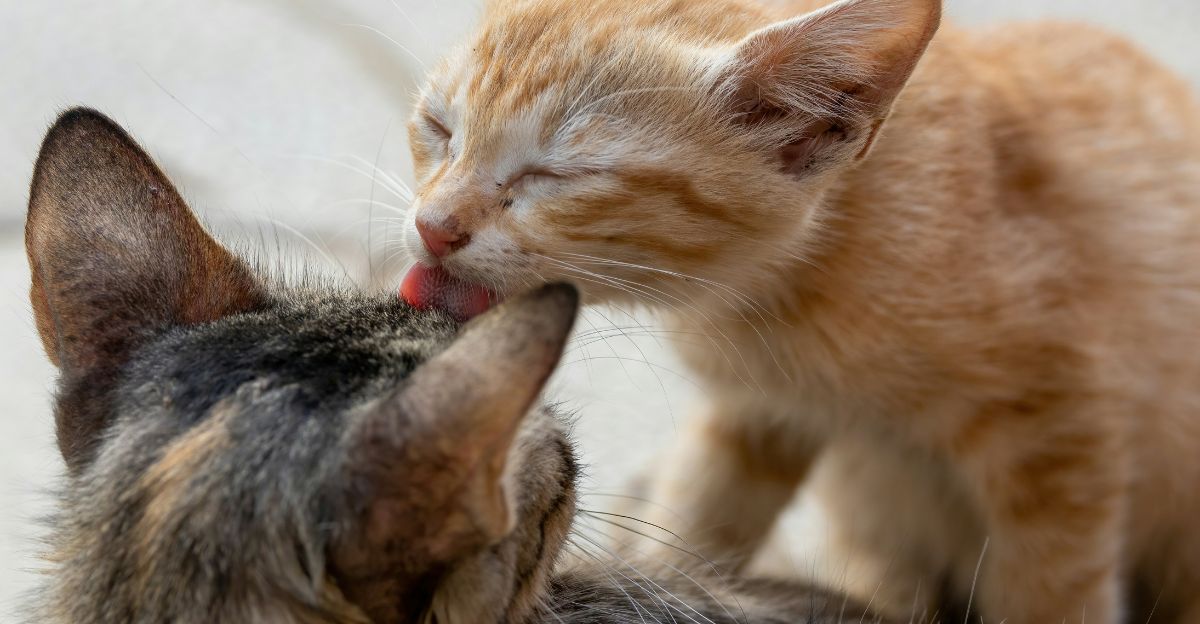
Territorial marking is common in both wild and domestic cats. They use scent to claim spaces and communicate. Grooming is another shared behavior that builds bonds. Cats often clean themselves and others to show trust.
Credit: www.thewildlifediaries.com
Frequently Asked Questions
Which Wild Cats Are Closest To Domestic Cats Genetically?
Wild cats like the African wildcat (Felis lybica) share over 95% of their DNA with domestic cats. They are the main ancestors of today’s housecats.
How Do Wildcats Influence Domestic Cat Breeds?
Wildcats contributed traits such as hunting skills and coat patterns. These traits helped domestic cats adapt and diversify into many breeds.
Are Domestic Cats More Related To Big Cats Or Small Wildcats?
Domestic cats are more closely related to small wildcats. They share a recent common ancestor, unlike big cats like lions or tigers.
Can Domestic Cats Interbreed With Wildcats?
Yes, domestic cats can interbreed with some wildcats, especially those closely related like African and European wildcats, producing fertile offspring.
Conclusion
Domestic cats share close ties with wild species like the African wildcat. These wild cats gave rise to many breeds we love today. Understanding this link helps us appreciate cats more deeply. Their wild ancestors shaped their behavior and traits.
Knowing this makes us better caretakers and friends to our pets. Wild cats and domestic ones show nature’s amazing diversity. The bond between them is a story of evolution and companionship. This connection enriches our view of all cats around us.

Leave a Reply