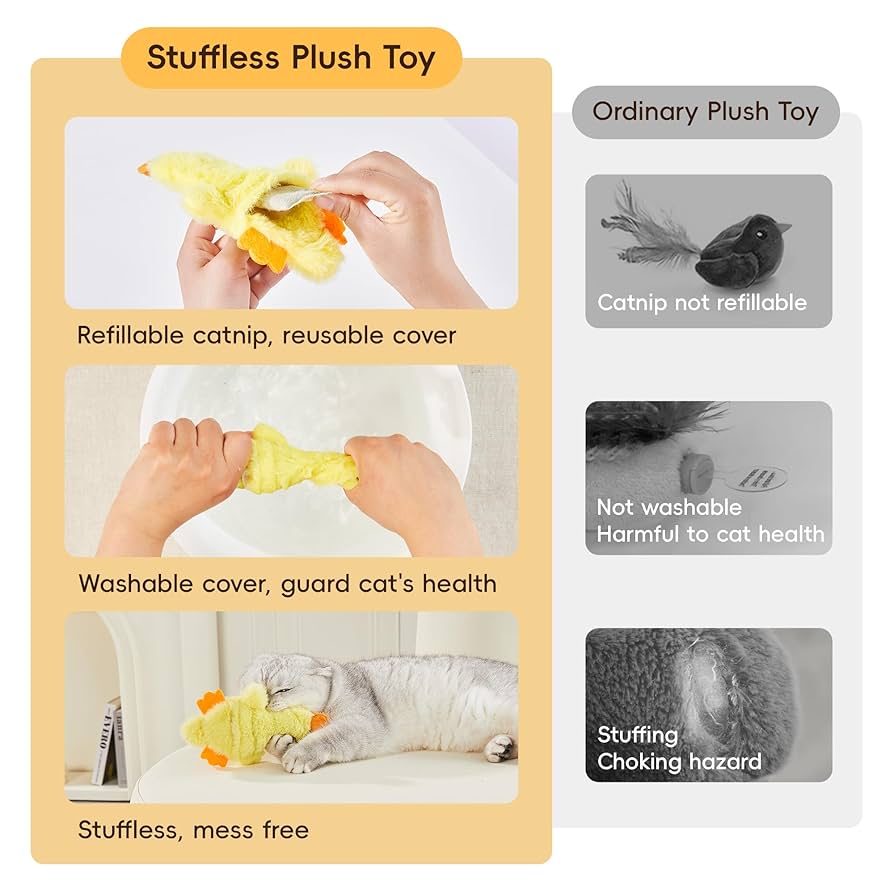
Are you wondering if you can use regular stuffing to fill your cat’s toys? It’s a simple question, but the answer can make a big difference for your furry friend’s safety and happiness.
Choosing the right stuffing isn’t just about saving money—it’s about keeping your cat healthy and entertained. Keep reading to discover what stuffing works best, what to avoid, and how to make sure your cat toys are both fun and safe for your beloved pet.
Types Of Regular Stuffing
Regular stuffing materials vary widely in texture, safety, and durability. Choosing the right type for cat toys matters for your pet’s comfort and health. Some stuffings offer softness while others provide resilience. Knowing these differences helps make better decisions for toy fillings.
Polyester Fiberfill
Polyester fiberfill is soft, lightweight, and affordable. It holds shape well and resists moisture. Many commercial cat toys use this stuffing. It is non-toxic but can be a choking hazard if exposed. Sewing toys tightly can reduce risks.
Cotton And Wool
Cotton and wool are natural fibers that feel soft and warm. They are breathable and hypoallergenic. Wool offers a bit of stretch and bounce. Both materials can absorb moisture, so drying toys often prevents mold. Natural stuffing is eco-friendly and biodegradable.
Foam And Sponges
Foam and sponges provide firm padding and bounce. They add structure to toys but may break down with chewing. Some foams contain chemicals, so choosing pet-safe options is important. Toys with foam stuffing should be inspected regularly for damage.
Recycled Materials
Recycled stuffing includes shredded fabric, paper, or plastic fibers. It is an eco-friendly choice that reduces waste. These materials vary in softness and safety. Make sure recycled stuffing is clean and non-toxic. Avoid sharp or hard pieces that could hurt cats.
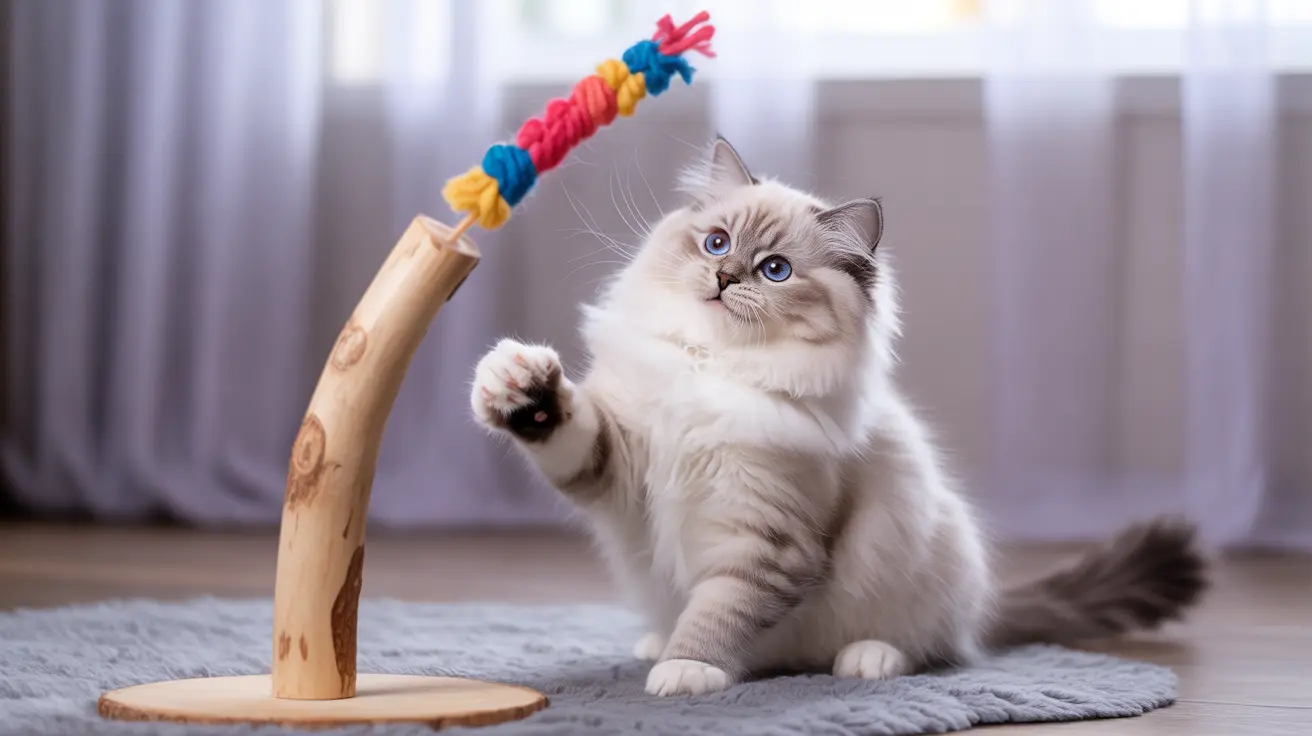
Credit: www.petscare.com
Safety Concerns With Regular Stuffing
Using regular stuffing in cat toys raises important safety concerns. Cats explore toys with their mouths and paws. The stuffing material must be safe and durable. Choosing the wrong stuffing can lead to health risks for your cat.
Choking Hazards
Regular stuffing can break apart easily. Small pieces may come loose during play. Cats might swallow these pieces by accident. Swallowed stuffing can block the throat or digestive tract. This risk makes regular stuffing unsafe for active cats.
Toxicity Risks
Some stuffing materials contain harmful chemicals. These chemicals may cause poisoning if ingested. Regular stuffing is often untreated and untested for pets. Toxic substances can lead to vomiting, drooling, or worse. Always check if stuffing is pet-safe before use.
Allergic Reactions
Cats can develop allergies to certain stuffing materials. Symptoms include itching, redness, or sneezing. Dust and fibers in stuffing may irritate sensitive cats. Regular stuffing lacks hypoallergenic properties. This can cause discomfort or health issues for your pet.
Durability And Wear
Regular stuffing wears out quickly with rough play. Torn toys expose stuffing, increasing risks of ingestion. Fluffy stuffing can mat and clump inside toys. Poor durability means frequent replacement is needed. Durable, pet-safe stuffing ensures longer-lasting and safer toys.
Behavioral Factors Affecting Safety
Behavioral factors play a vital role in the safety of cat toys. Cats have unique habits and preferences that can affect how safe a toy is. Understanding these behaviors helps in choosing the right stuffing for cat toys. It’s important to know how these factors contribute to the overall safety.
Chewing And Tearing Habits
Cats love to chew and tear their toys. Some cats have stronger chewing instincts than others. Regular stuffing can be dangerous if it gets torn easily. Cats might ingest harmful materials. Always choose stuffing that can withstand your cat’s chewing habits.
Supervision Importance
Supervision is key to ensuring toy safety. Always watch your cat play, especially with new toys. This helps prevent accidents from occurring. If a toy starts to break, remove it immediately. This simple step can protect your cat from potential hazards.
Cat Age And Activity Level
A cat’s age affects its play habits. Kittens are more active and curious. They tend to explore toys aggressively. Older cats might be gentler with their toys. Consider your cat’s activity level when choosing toy stuffing. Ensure it matches their energy and curiosity.
Credit: loopara.com
Alternatives To Regular Stuffing
If you’re thinking about what to use instead of regular stuffing in your cat toys, there are plenty of safer and more exciting options. Regular stuffing can sometimes cause issues if your cat chews it out and swallows it. Choosing alternatives not only protects your feline friend but can also make playtime more stimulating.
Natural Fillers
Natural fillers like wool, cotton, or dried herbs offer a soft and safe texture that cats usually love. Wool is especially durable and less likely to clump inside the toy, which means your cat can enjoy a longer-lasting playtime. Cotton stuffing is lightweight and breathable, reducing the risk of irritation.
Have you tried adding dried lavender or chamomile? These not only add a pleasant scent but can have a calming effect on your cat. Plus, natural fillers are biodegradable, making them an eco-friendly choice.
Catnip And Silvervine
Catnip and silvervine are two of the most popular natural additives that can be used as stuffing or mixed with other materials. Both plants trigger playful behavior in many cats, making toys more irresistible.
Silvervine is often a great alternative if your cat doesn’t respond to catnip. You can stuff small pouches with dried catnip or silvervine and sew them inside the toy for an extra burst of fun. Have you noticed how your cat’s energy spikes after a whiff of these herbs?
Diy Safe Materials
Creating your own stuffing from safe household items can be both fun and practical. Try using fabric scraps like old t-shirts or socks, cut into small pieces. They’re soft, washable, and less likely to cause choking hazards.
Another idea is to use crinkled paper or cardboard bits wrapped inside fabric to add texture and noise, which many cats find intriguing. Just be sure to avoid anything sharp or treated with chemicals.
What safe materials do you have around your home that your cat might love? Experimenting with DIY stuffing can turn into a creative project that benefits both you and your pet.
Tips For Making Safe Cat Toys
Making safe cat toys is essential for your pet’s health and happiness. Using the right materials and techniques keeps toys durable and non-toxic. This helps prevent choking hazards and other risks. Follow these tips to create safe and fun toys your cat will love.
Choosing The Right Stuffing
Regular stuffing can be unsafe for cat toys. Avoid materials that can clump or cause choking. Use polyester fiberfill or cotton made for toys. These options are soft, non-toxic, and less likely to cause harm. Avoid beads, foam, or loose fibers that cats can swallow.
Securing The Toy’s Seams
Strong seams keep stuffing inside the toy. Use tight stitches to prevent openings. Double stitch the edges for extra strength. Check corners and stress points carefully. Loose seams can lead to stuffing spills and choking risks.
Regular Inspection And Replacement
Check toys often for damage or wear. Look for holes, loose threads, or exposed stuffing. Replace toys that show signs of damage immediately. Worn toys are dangerous and can cause injury. Keeping toys in good shape protects your cat’s safety.

Credit: www.goodhousekeeping.com
Frequently Asked Questions
Can I Use Regular Stuffing In Cat Toys Safely?
Regular stuffing is usually safe but can pose choking risks if cats tear toys. Opt for non-toxic, durable stuffing designed for pets to ensure safety and longevity.
What Types Of Stuffing Are Best For Cat Toys?
Best stuffing includes polyester fiberfill or recycled cotton designed for pets. These are non-toxic, washable, and less likely to cause harm if ingested.
Will Regular Stuffing Hold Up To Cat Play?
Regular stuffing may not withstand aggressive chewing or clawing. Pet-specific stuffing is more durable and better suited for rough play, increasing the toy’s lifespan.
Are There Health Risks Using Regular Stuffing In Cat Toys?
Yes, regular stuffing can cause choking or digestive issues if ingested. Always choose stuffing materials labeled safe for pets to minimize health risks.
Conclusion
Regular stuffing can work for cat toys, but safety matters most. Choose stuffing without small parts that cats might swallow. Soft, non-toxic materials keep your pet safe and happy. Avoid anything that could cause choking or allergies. Watch your cat play and remove damaged toys quickly.
Simple stuffing can make toys fun if used carefully. Your cat will enjoy soft toys that feel good to bite and cuddle. Always put your pet’s health first when making or buying toys.

Leave a Reply