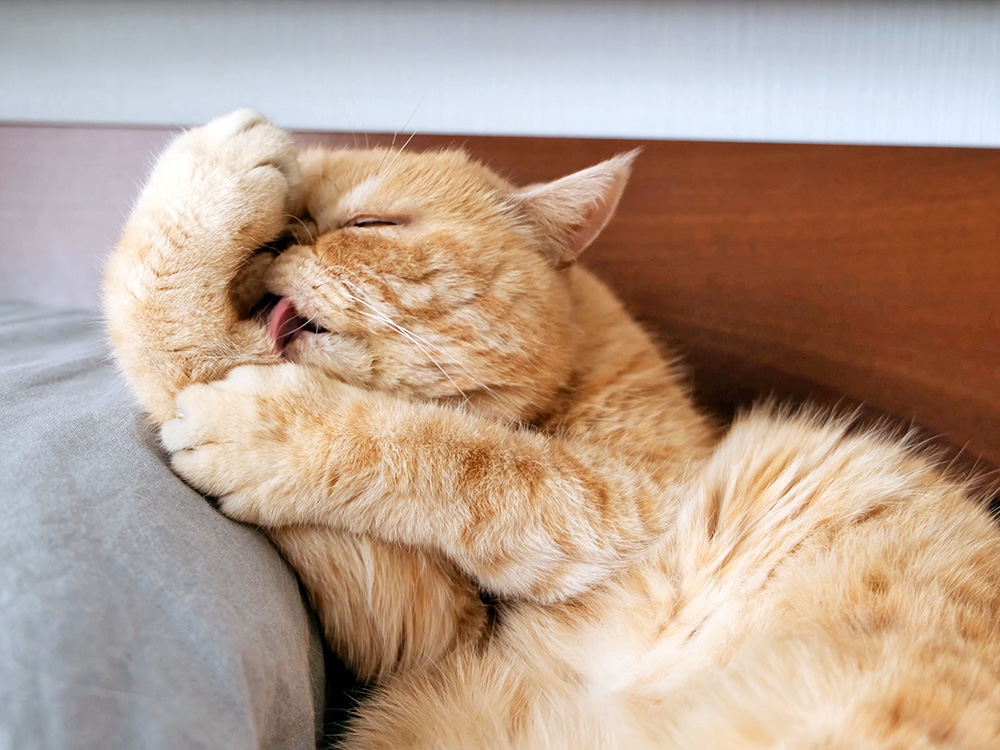
Have you ever watched your cat spending hours licking its fur, almost like it can’t stop? You might wonder, why do cats obsessively groom themselves?
This behavior can seem strange or even worrying if it goes on too much. But there’s more to it than just keeping clean. Understanding why your cat grooms so much can help you spot if something’s wrong or just learn more about your furry friend’s habits.
Keep reading to discover the surprising reasons behind your cat’s grooming obsession and what it means for their health and happiness.
Normal Grooming Habits
Understanding your cat’s normal grooming habits can help you spot when something might be off. Grooming is more than just keeping clean; it’s a vital part of their daily routine and overall well-being. Let’s take a closer look at why cats groom and how often they typically do it.
Purpose Of Grooming
Grooming serves several important purposes for cats. It helps them remove dirt, loose fur, and parasites from their coat. This activity also regulates their body temperature by spreading natural oils evenly across their fur.
Besides physical benefits, grooming acts as a stress reliever. Have you noticed how your cat starts licking itself after a stressful event? This self-soothing behavior is a natural way for cats to calm down.
Typical Grooming Frequency
Cats usually groom themselves multiple times a day—anywhere from 30 minutes to over an hour in total. The frequency can vary depending on factors like age, health, and personality. Younger cats tend to groom more often, while older or sick cats might groom less.
Have you ever seen your cat pause and lick a spot repeatedly? That’s normal, but if the grooming turns into constant licking or skin irritation, it might be a sign to check with your vet. Monitoring how often your cat grooms can give you clues about their health and happiness.
Medical Causes
Obsessive grooming in cats can sometimes signal underlying medical issues. It’s important to recognize these causes early so your feline friend gets the right care. Let’s look at some common medical reasons why your cat might be grooming more than usual.
Skin Allergies
Skin allergies often cause intense itching and discomfort. Your cat may lick or scratch persistently to relieve the irritation. Allergies can come from food, environmental factors like pollen, or even certain cleaning products.
If you notice redness, hair loss, or scabs, your cat might be reacting to an allergen. Have you checked if your cat’s diet or surroundings have changed recently? Adjusting these factors can sometimes reduce the excessive grooming.
Parasites And Fleas
Fleas and other parasites are a classic cause of obsessive grooming. These tiny invaders cause itching that your cat can’t ignore. Often, you’ll see your cat biting or scratching specific spots, especially around the neck or tail base.
Even if you don’t see fleas, your cat might still be reacting to their bites. Regular flea prevention is a must, but if your cat is still grooming obsessively, a vet check can help rule out hidden infestations.
Infections And Irritations
Infections, whether bacterial or fungal, can lead to discomfort and excessive grooming. Your cat might be trying to soothe irritated skin caused by wounds or hot spots. These areas often become red, swollen, or develop an unpleasant odor.
If your cat’s grooming seems focused on one area, it’s worth having a vet examine it. Treating infections promptly can stop the cycle of itching and grooming before it worsens.
Behavioral Factors
Cats are often seen grooming themselves for hours. This behavior can sometimes become obsessive. While grooming is natural, excessive grooming could indicate deeper behavioral factors. These factors can impact your cat’s overall well-being. Understanding them can help manage your cat’s grooming habits.
Stress And Anxiety
Cats may groom excessively when stressed. They find grooming soothing. Changes in their environment can trigger this stress. New furniture or a new pet can unsettle them. Grooming helps them feel secure. It acts as a coping mechanism. Recognizing these stressors is essential for their comfort.
Boredom And Lack Of Stimulation
Cats need mental stimulation. Without it, they might resort to grooming. A lack of toys or interaction can lead to boredom. They may groom to pass the time. This behavior fills the void left by inactivity. Engaging them in play can reduce excessive grooming. It provides them with the stimulation they crave.
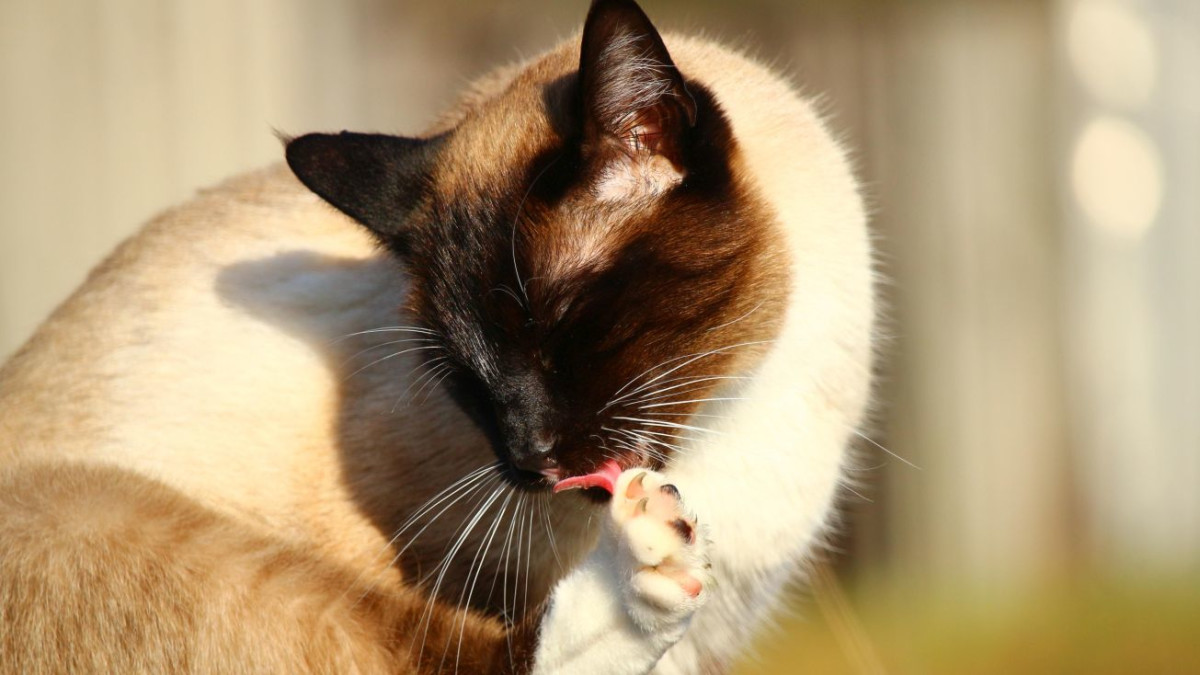
Credit: pethelpful.com
Environmental Triggers
Cats often groom themselves to stay clean, but sometimes the grooming becomes excessive. Environmental triggers can cause this behavior. Changes around your cat can make it feel stressed or uncomfortable. This stress may lead to obsessive grooming. Understanding these triggers helps you support your cat better.
Changes In Surroundings
Cats are sensitive to changes in their environment. Moving to a new home or rearranging furniture can confuse them. New people or pets in the house may also cause stress. This stress can lead cats to groom more than usual. Grooming acts as a way to calm down and feel safe.
Even small changes like different smells or sounds can affect cats. They rely on familiar sights and scents to feel secure. When these change, cats may react by licking or biting their fur obsessively.
Exposure To Irritants
Environmental irritants can also cause excessive grooming. Dust, pollen, or strong cleaning products may bother a cat’s skin. Allergies or contact with chemicals can lead to itching and discomfort. Cats often lick the irritated areas to soothe the feeling.
In some cases, fleas or mites cause intense itching. This can push cats to groom themselves constantly. Checking for signs of parasites or skin irritation is important. Removing the irritants helps reduce obsessive grooming behaviors.
Psychological Conditions
Psychological conditions can play a significant role in why your cat may be obsessively grooming. Unlike simple hygiene, excessive grooming often points to deeper emotional or mental stress. Understanding these conditions can help you address your cat’s needs more effectively and improve their overall well-being.
Compulsive Disorders
Compulsive disorders in cats resemble anxiety-driven behaviors seen in humans. Your cat might groom excessively as a way to manage stress or uncertainty in their environment. This behavior often becomes a repetitive cycle that’s hard to break without intervention.
Think about a cat that suddenly starts licking a particular spot until the fur thins or the skin becomes irritated. This isn’t just a grooming habit; it’s a sign of a compulsive disorder. You might notice this behavior intensifies during changes like moving homes or introducing new pets.
To help your cat, consider creating a calm, predictable environment. You can also consult a vet about behavioral therapies or medication that can reduce anxiety and compulsive tendencies.
Obsessive Grooming Patterns
Obsessive grooming patterns go beyond regular cleaning—they’re intense and often focused on one area. These patterns can indicate psychological distress or boredom. If your cat grooms obsessively, it might be their way of coping with lack of stimulation or emotional discomfort.
Try to observe when and where your cat grooms the most. Does it happen when they’re alone or after a stressful event? Identifying triggers can help you interrupt the cycle.
Providing engaging toys, interactive playtime, and more social interaction can reduce obsessive grooming. Could your cat’s obsession be a silent call for more attention or mental activity?

Credit: basepaws.com
When To Seek Veterinary Help
Obsessive grooming in cats can be a sign of an underlying issue. Knowing when to seek veterinary help is important. Early intervention can prevent serious problems and improve your cat’s health.
Some grooming is normal, but excessive licking or biting can cause harm. A vet can diagnose causes and suggest proper treatment. Don’t wait if your cat shows signs of distress or skin damage.
Signs Of Excessive Grooming
- Visible bald patches or thinning fur
- Red, irritated, or raw skin
- Constant licking or chewing in one area
- Scabs, sores, or wounds on the skin
- Changes in behavior, such as restlessness or anxiety
- Loss of appetite or changes in activity levels
Treatment Options
The vet may recommend:
- Medications to reduce itching or allergies
- Special shampoos or topical treatments
- Behavioral therapy for stress-related grooming
- Diet changes if food allergies are suspected
- Regular check-ups to monitor skin health
Early treatment helps prevent infections and further skin damage. Follow the vet’s advice closely for the best results.
Preventive Measures
Obsessive grooming in cats can signal stress, discomfort, or health issues. Preventing this behavior starts with creating a supportive environment and staying on top of your cat’s health. Taking proactive steps helps keep your feline friend comfortable and reduces the urge to over-groom.
Environmental Enrichment
Providing your cat with plenty of toys, scratching posts, and interactive playtime can reduce boredom and anxiety, which often trigger excessive grooming. Think about what excites your cat—chasing laser pointers, puzzle feeders, or cozy hiding spots. Mixing up activities daily keeps your cat mentally and physically stimulated.
Have you noticed your cat grooming more when left alone for long periods? Adding a cat tree near a window or rotating toys can make a big difference. Cats need outlets for their energy and curiosity to avoid turning to grooming as a coping mechanism.
Regular Health Checks
Frequent vet visits help catch skin problems, allergies, or parasites that might cause your cat discomfort and lead to obsessive grooming. Don’t wait for visible signs; early detection often prevents worsening conditions.
Keep an eye on changes in your cat’s coat or skin texture. Sometimes, subtle redness or hair loss signals the need for a professional checkup. Your vet can recommend treatments or dietary adjustments that ease irritation and stop the grooming cycle.
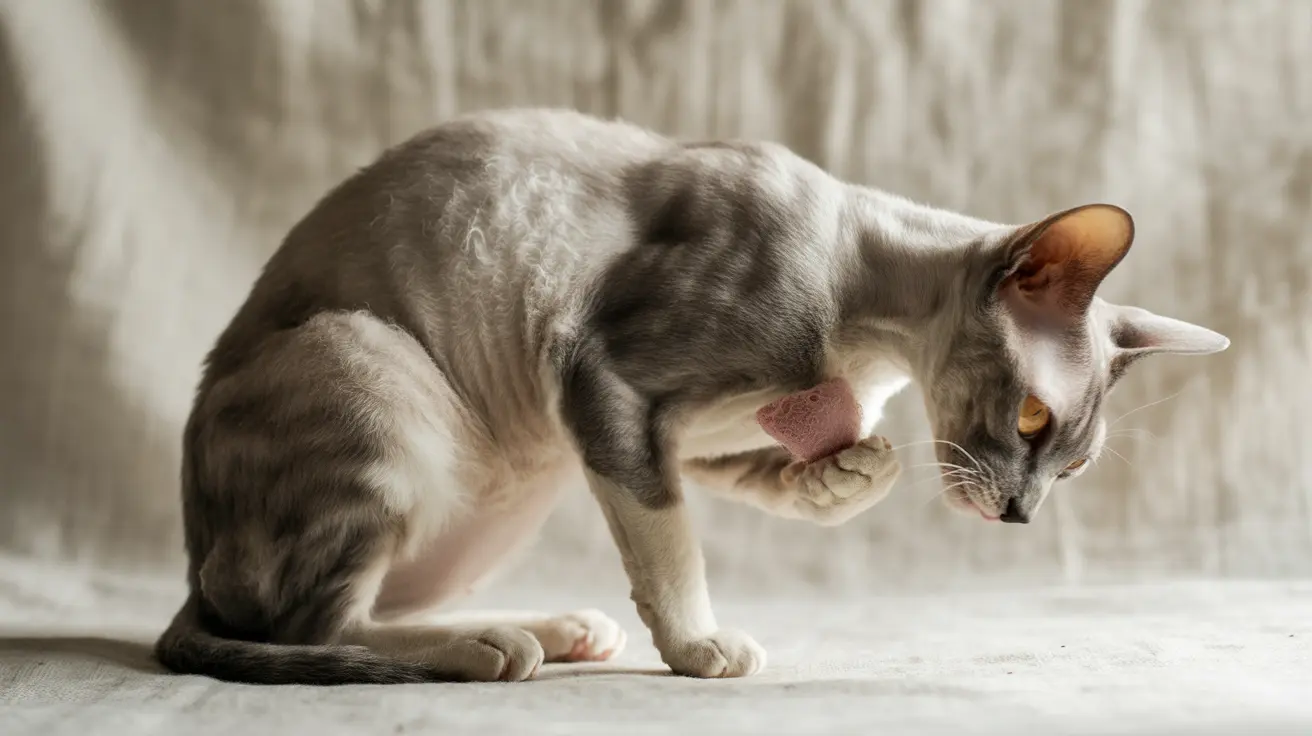
Credit: www.petscare.com
Frequently Asked Questions
Why Do Cats Groom Themselves Excessively?
Cats groom excessively to clean their fur, remove parasites, and regulate body temperature. It also reduces stress and calms them.
Can Obsessive Grooming Indicate Health Problems?
Yes, excessive grooming can signal allergies, skin infections, or parasites. It’s important to consult a vet if behavior worsens.
How To Stop A Cat From Over-grooming?
Identify and treat underlying causes like stress or allergies. Provide enrichment, regular vet checkups, and a calm environment to reduce over-grooming.
Is Over-grooming Harmful To Cats?
Over-grooming can cause bald spots, skin irritation, and infections. Early intervention helps prevent serious health issues in cats.
Conclusion
Cats groom to stay clean and healthy. Sometimes, they groom too much. This can mean stress, allergies, or skin problems. Watch your cat’s behavior closely. Gentle petting and calm surroundings help reduce stress. If grooming seems excessive, talk to a vet.
They can find the cause and suggest treatment. Understanding why cats groom obsessively keeps them happy. Caring for your cat means noticing these signs early. Keep their fur healthy and their spirits high. A happy cat is a well-groomed cat.

Leave a Reply