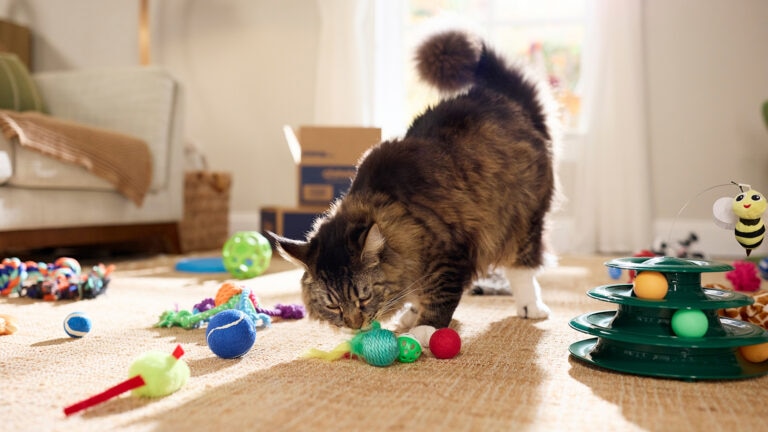
Have you ever watched your cat pick up a toy and drag it from one spot to another? It might seem puzzling or even a little strange.
You might wonder why your furry friend is doing this instead of just playing with the toy. Understanding this behavior can help you connect better with your cat and even make playtime more fun for both of you. Keep reading to discover the surprising reasons behind why your cat drags toys around and what it means for their happiness and health.
Hunting Instincts
Cats drag toys around because of their strong hunting instincts. These instincts come from their wild ancestors. Hunting is more than finding food. It is a natural behavior that helps cats stay active and sharp.
Even indoor cats keep these instincts alive. Toys become their prey. Dragging toys mimics carrying real prey back to their safe place.
Natural Predatory Behavior
Cats are natural hunters. Their bodies and minds are built for stalking and catching prey. Dragging toys is part of this behavior. It shows their desire to control and protect their catch.
This action also helps cats practice skills needed in the wild. It keeps their muscles strong and their minds alert. Cats feel satisfied after this activity, as it connects them to their roots.
Simulating The Hunt With Toys
Toys act as a safe and fun way for cats to hunt indoors. Cats chase, catch, and drag toys just like they would with real animals. The movement and texture of toys trigger their hunting drive.
Dragging toys around lets cats feel successful. It gives them a sense of achievement. This behavior reduces boredom and stress. It also strengthens the bond between cats and their owners during playtime.
Territory Marking
Cats use toys to mark their territory in subtle ways. Territory marking helps cats feel safe and secure in their environment. Dragging toys around is one way cats leave their scent in different spots. This behavior is natural and shows their need to claim space.
Scent Marking Through Toys
Cats have scent glands in their paws and cheeks. When they drag toys, they transfer their scent onto the toys. This scent tells other animals that the area belongs to them. It also comforts the cat by surrounding them with their own smell. Toys become a way for cats to spread their unique scent in the home.
Claiming Personal Space
Dragging toys helps cats claim personal space in the house. By moving toys to certain spots, cats mark favorite resting or playing areas. This action signals, “This is my space.” It reduces stress by creating a familiar zone. Cats feel more confident when their scent is present.
Play And Exercise
Cats drag toys to mimic hunting and carry their “prey” to a safe spot. This behavior shows their natural instincts and need for play and exercise. Moving toys also helps them stay active and entertained indoors.
Cats are fascinating creatures, and their behaviors often leave us curious. One common question cat owners ask is why their feline friends drag toys around. This behavior can be linked to the vital role of play and exercise in a cat’s life. By understanding this, you can enrich your cat’s environment and ensure they lead a healthy, happy life.Physical Activity Benefits
Cats, like humans, need regular physical activity to maintain a healthy weight and muscle tone. When your cat drags toys around, it’s a sign they’re engaging in natural play behavior that mimics hunting. This activity helps burn off excess energy, keeping them fit and reducing the risk of obesity-related issues. If you’ve ever watched your cat pounce on a toy mouse or chase a feather, you’ve seen their playful nature in action. These activities are not just fun; they’re essential for their well-being. Encouraging this behavior with a variety of toys can lead to a more active and content pet.Mental Stimulation
Beyond physical benefits, dragging toys also provides mental stimulation. Cats are intelligent animals that need challenges to keep their minds sharp. When they play, they engage their problem-solving skills, which can prevent boredom and related behavioral issues. Think about the last time you saw your cat strategizing how to catch a toy. This mental workout is just as crucial as physical exercise. Providing toys that require them to think, like puzzle feeders or interactive toys, can enhance their mental agility and keep them entertained. Have you noticed any particular toys your cat prefers? Observing their choices can give you insight into what stimulates them the most. By fostering an environment that supports both physical and mental activities, you contribute significantly to your cat’s overall health and happiness.Seeking Attention
When your cat drags toys around, one common reason is that they are seeking attention. Cats quickly learn what actions get a response from you, and dragging toys can become their way of saying, “Look at me!” This behavior isn’t just random; it’s their way of opening a channel for interaction.
Engaging Owner Interaction
Dragging toys to you is often an invitation to play or interact. Your cat might nudge a toy closer, drop it at your feet, or even tap you with it to grab your attention. These small gestures are their way of asking for some quality time.
Have you noticed how your cat’s energy shifts when you respond? A quick game with a string or a chase session can turn their dragging habit into a fun bonding moment. Ignoring this behavior might lead to more persistent toy dragging or other attention-seeking actions.
Expressing Needs Or Boredom
Sometimes, your cat drags toys because they feel bored or want to express unmet needs. If your cat’s environment lacks stimulation, dragging toys can be a way to entertain themselves or signal that they need more playtime.
Think about your own schedule. If you’re busy or away for long periods, your cat might use toys to fill the gap. Adding more interactive play sessions or puzzle toys can reduce this behavior and keep your cat mentally and physically satisfied.
Kitten Behavior Carryover
Kitten behavior carryover explains why your cat drags toys around even as an adult. These actions often stem from habits developed during kittenhood, influenced by early experiences and natural instincts. Understanding this can help you connect with your cat’s playful and nurturing side.
Learning From Mother Cats
Kittens watch their mothers carefully, picking up important skills like hunting and carrying prey. When your cat drags toys, it mimics how their mother would carry her young or captured food. This behavior isn’t random; it’s a learned skill that builds confidence and independence.
Think about how your cat treats the toy—does it carry it gently, like a mother cat would? This shows the deep-rooted connection to early life experiences. You might notice your cat dragging toys to a special spot, just as a mother cat would bring prey back to her kittens.
Persistent Play Habits
Even after kittenhood, cats hold on to their play habits because play is practice for survival skills. Dragging toys around mimics real hunting and helps keep their reflexes sharp. Your cat’s persistence in this behavior shows how important play is to their mental and physical health.
You may wonder why your cat won’t just leave the toy alone once it’s “caught.” This persistence helps maintain focus and satisfaction, much like a kitten practicing its skills repeatedly. Encouraging this behavior with interactive play can keep your cat happy and engaged.

Credit: www.kittyhelpdesk.com
Stress Or Anxiety Signs
Noticing your cat dragging toys around can be more than just playful behavior. Sometimes, it signals stress or anxiety. Understanding these signs helps you support your furry friend better and create a calmer environment.
Comforting Through Familiar Objects
Cats often use toys as comfort items when they feel uneasy. Dragging their favorite toy around can be a way to self-soothe and feel safe. Have you seen your cat clutching a specific toy during stressful moments like loud noises or visitors?
This behavior is similar to how children hold onto a blanket or stuffed animal for reassurance. You can encourage this by making sure your cat has easy access to those familiar objects. It might ease their anxiety and reduce other signs of distress.
Identifying Environmental Triggers
Stress in cats often comes from changes or disruptions in their environment. New pets, rearranged furniture, or loud sounds can trigger anxiety. Watch if your cat starts dragging toys more when these changes happen.
Try keeping a journal to note when the behavior spikes and what’s happening around your cat at that time. This simple step can help you spot patterns and avoid or minimize triggers. Have you noticed if certain rooms or times of day make your cat more anxious?
By recognizing these triggers, you can make small adjustments like creating quiet spaces or using calming sprays. This proactive approach can make a big difference in your cat’s well-being and reduce the need for self-soothing through toy dragging.
Health Considerations
When your cat drags toys around, it might not be just playfulness at work. Sometimes, this behavior can signal underlying health issues that need your attention. Paying close attention to your cat’s comfort and wellbeing can help you catch problems early and keep your furry friend happy.
Checking For Discomfort Or Pain
Observe your cat closely while it’s dragging toys. Is it moving stiffly or favoring one side? These signs could mean your cat is experiencing discomfort or pain.
Look for other clues like limping, reluctance to jump, or changes in grooming habits. Cats often hide pain, so even subtle shifts in behavior matter. You might notice your cat dragging toys as a way to soothe itself or distract from discomfort.
Consulting A Veterinarian
If you suspect your cat is in pain or not acting like its usual self, don’t wait to get professional advice. A veterinarian can perform a thorough checkup and identify any health issues behind the toy-dragging behavior.
Be ready to share specific observations, such as when the dragging started and any other unusual behaviors. This information helps the vet diagnose and recommend the right treatment quickly.
Remember, early action can prevent small health problems from becoming serious. How often do you check your cat’s play habits for signs of trouble?

Credit: www.reddit.com

Credit: www.amazon.com
Frequently Asked Questions
Why Does My Cat Drag Toys Everywhere?
Cats drag toys to mimic hunting behavior and show possession. It’s a natural instinct linked to their predatory nature and play.
Is Toy Dragging A Sign Of Boredom In Cats?
Yes, dragging toys can indicate boredom or lack of stimulation. It helps keep cats entertained and mentally engaged when alone.
Do Cats Drag Toys To Get Attention?
Sometimes, cats drag toys to get their owner’s attention. They may want to play or seek interaction and affection.
Does Dragging Toys Mean My Cat Is Stressed?
Not necessarily. While some cats drag toys when anxious, it’s often a playful or instinctive activity, not a stress signal.
Conclusion
Cats drag toys to play, explore, and show hunting skills. This behavior is natural and helps them stay active. Watching your cat move toys can be fun and tells you they feel safe. Giving them toys to drag keeps their mind sharp and body healthy.
Understanding this habit helps you enjoy your cat’s unique personality more. Keep offering different toys and watch your cat’s playful side grow. Simple moments like these build a strong bond between you and your pet.


Leave a Reply