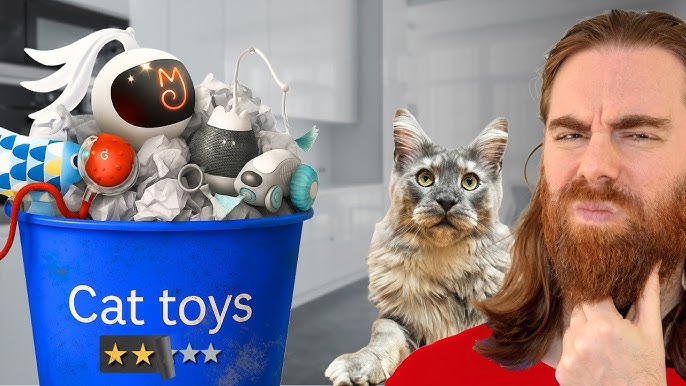
Have you ever noticed your cat losing interest in their favorite toy? It can be confusing and a little frustrating.
You want to keep your furry friend happy and entertained, but sometimes it feels like no toy holds their attention for long. So, do cats really get bored with toys? Understanding why your cat might be turning away from playtime can help you find better ways to keep them engaged and joyful.
Keep reading to discover what’s behind your cat’s changing play habits and how you can bring excitement back to their day.

Credit: shopping.yahoo.com
Why Cats Lose Interest
Cats are natural hunters, and their toys need to match that instinct to keep them engaged. When your cat suddenly ignores a favorite toy, it’s often because their interest has faded. Understanding why cats lose interest can help you keep playtime exciting and satisfying for them.
Natural Hunting Instincts
Cats are wired to chase, pounce, and stalk. Toys that don’t mimic real prey fail to hold their attention for long. If a toy stays still or moves the same way every time, your cat might quickly lose interest.
Think about how your cat reacts to a fluttering feather versus a stationary ball. The unpredictable movement triggers their hunting drive, making playtime more thrilling. You can refresh interest by changing how you use toys, making play feel more like a hunt.
Repetitive Play Patterns
Using the same toys in the same way can get boring fast. Cats are curious and intelligent; they need new challenges to stay engaged. If you always throw a toy the same distance or wiggle it the same way, your cat might stop responding.
Try switching up play sessions with different toys or varying your interaction style. Let your cat lead the play sometimes and explore new textures or sounds. This keeps their mind sharp and prevents boredom.
Lack Of Stimulation
Toys alone aren’t enough if your cat’s environment is dull. Cats need a mix of mental and physical stimulation to stay happy. If your cat has no new sights, smells, or sounds, even the best toy can lose its appeal.
Consider adding puzzle feeders, new climbing spots, or window views to enrich your cat’s world. Does your cat have a favorite hiding place or a perch where they can observe? These small changes can make a big difference in keeping them engaged with their toys and surroundings.
Signs Your Cat Is Bored
Cats need mental and physical stimulation to stay happy. Boredom can cause changes in their usual behavior. Recognizing boredom early helps improve their well-being. Watch for clear signs that your cat is losing interest in toys and activities.
Ignoring Toys
Your cat stops playing with favorite toys. Toys that once excited them now gather dust. They may walk away or show no interest. This lack of engagement signals boredom and restlessness.
Increased Sleeping
Cats naturally sleep a lot, but boredom raises sleep time. They nap longer or more frequently than usual. Excessive sleeping can mean they lack stimulation. This may affect their overall mood and health.
Destructive Behavior
Bored cats may scratch furniture or chew objects. They look for something to do to release energy. This behavior often worsens without proper play or attention. It can damage your home and cause stress for your cat.
Excessive Meowing
A bored cat may meow more than normal. Vocalizing is their way to seek attention or express frustration. Persistent meowing can indicate they want interaction or new activities. Ignoring this can increase their anxiety and restlessness.
Choosing The Right Toys
Choosing the right toys for your cat can make a significant difference in keeping them engaged and happy. Not all toys are created equal, and what works for one cat might not work for another. It’s about finding the right mix that caters to their instincts and preferences. Let’s dive into some categories to consider.
Interactive Toys
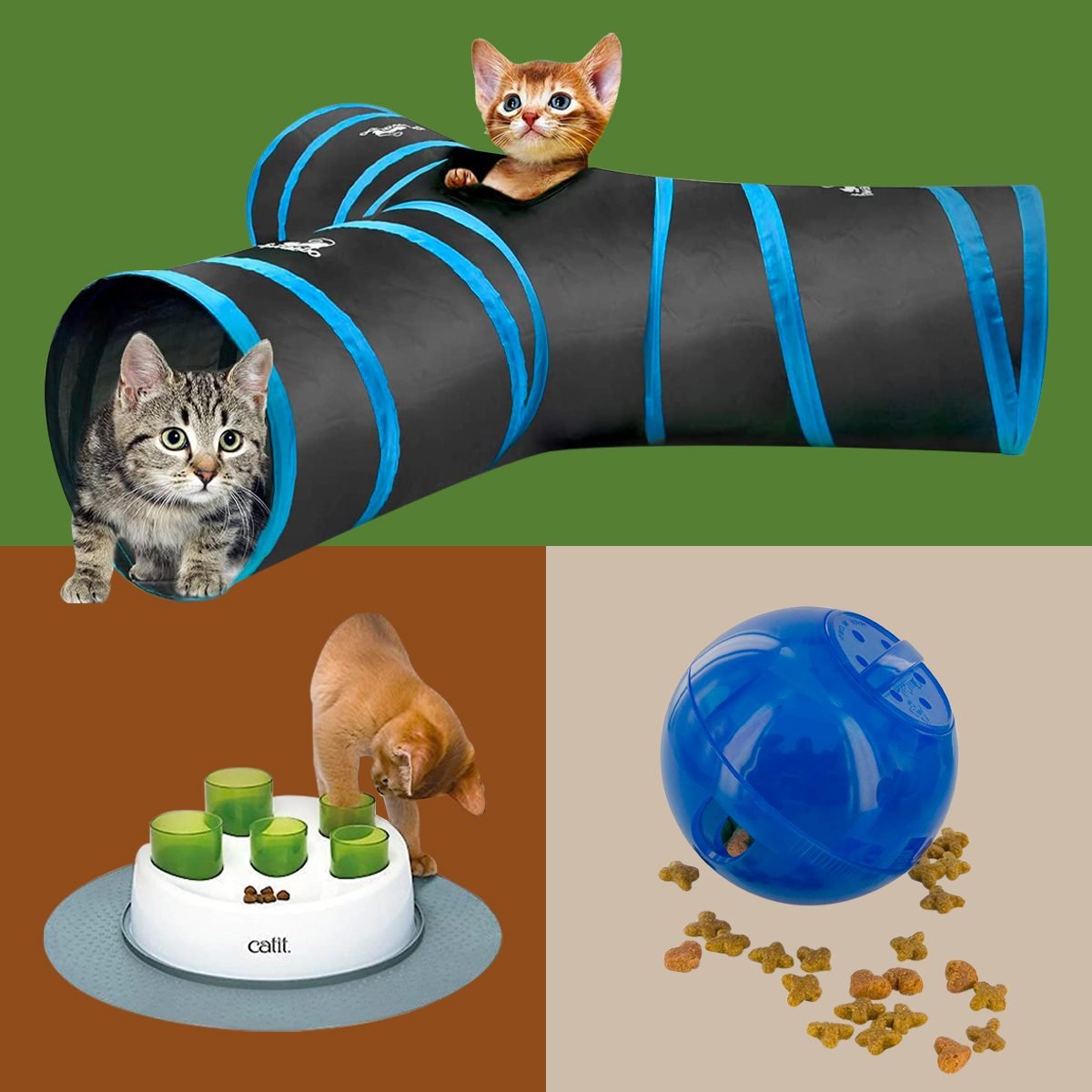
Interactive toys are a fantastic way to stimulate your cat’s mind and body. These toys often require your involvement, which can strengthen the bond between you and your pet. Think of laser pointers or feather wands. Ever tried a treat-dispensing toy? It challenges your cat to think and keeps them entertained for longer periods.
Variety And Rotation
Cats, much like humans, can get bored with the same old routine. Offering a variety of toys and regularly rotating them can keep things fresh and exciting. A toy your cat ignored last week might suddenly become their favorite today. Keep a stash of different toys and switch them out every few days. This simple trick can reignite your cat’s interest in their playthings.
Toys That Mimic Prey
Cats are natural hunters, and toys that mimic prey can tap into their instinctual behaviors. Look for toys that replicate the movement of birds, mice, or other small animals. Feather toys, small balls, or toys with unpredictable movements can be especially captivating. Do you notice how your cat perks up when they hear a crinkly sound? That’s their hunting instinct kicking in.
By choosing toys that cater to your cat’s instincts and preferences, you can help prevent boredom and ensure they stay active and engaged. Remember, a happy cat is a healthy cat!

Credit: www.goodhousekeeping.com
Ways To Re-engage Your Cat
Keeping your cat interested in toys can be a challenge. Cats can lose interest quickly. Finding ways to re-engage them helps keep their mind sharp and body active.
Varied activities and routines spark curiosity. Changing the way your cat plays prevents boredom. Here are some effective ways to bring excitement back to playtime.
Scheduled Playtime
Set regular times for play each day. Cats thrive on routine and look forward to these moments. Short, frequent sessions work best. Use interactive toys like feather wands or laser pointers. This builds anticipation and strengthens your bond.
Incorporating Puzzle Feeders
Puzzle feeders make eating a fun challenge. These toys stimulate your cat’s brain and slow down fast eaters. Hide treats or kibble inside for your cat to find. This encourages natural hunting behaviors and keeps their mind busy.
Outdoor Exploration Safely
Outdoor time adds new sights and smells. Use a harness and leash for safe adventures. A secure cat enclosure can also work. Fresh air and nature provide mental stimulation and exercise. Always supervise to keep your cat safe from dangers.
Environmental Enrichment Tips
Keeping your cat entertained goes beyond just toys. Environmental enrichment plays a big role in preventing boredom and encouraging natural behaviors. By adding variety and stimulation to your cat’s surroundings, you help keep their mind sharp and their body active.
Vertical Spaces
Cats love to climb and observe from high spots. Adding shelves or cat trees gives your feline friend places to jump, perch, and hide. These elevated areas provide mental stimulation and a sense of security, which can reduce stress and boredom.
Have you noticed how your cat’s mood changes after exploring a new vertical space? It’s often an instant boost in curiosity and playfulness.
Scratching Posts
Scratching is a natural need for cats, but it’s also a form of exercise and mental engagement. Providing sturdy scratching posts encourages this behavior in an acceptable way. Vary the textures and positions to keep it interesting—vertical, horizontal, and even angled posts work well.
Try rotating the posts or adding new ones over time to keep your cat intrigued. Do you see your cat losing interest in a scratching post? It might be time to switch it up.
Window Perches
Windows offer endless entertainment for cats. A cozy perch lets them watch birds, squirrels, and the world outside. This visual stimulation can satisfy their hunting instincts without needing to leave the house.
Setting up a perch near a sunny window also gives your cat a warm spot to relax. Have you ever caught your cat mesmerized by the outside world? It’s a simple way to keep their environment enriching and engaging.
Credit: www.rd.com
Frequently Asked Questions
Do Cats Lose Interest In Toys Quickly?
Yes, cats can lose interest if toys remain the same. They need novelty and interaction to stay engaged.
How Often Should I Change My Cat’s Toys?
Rotate toys every few days to keep your cat curious. Frequent changes stimulate their hunting instincts and reduce boredom.
What Types Of Toys Keep Cats Entertained Longer?
Interactive toys, like laser pointers or feather wands, hold cats’ attention best. Puzzle feeders also provide mental stimulation and fun.
Can Boredom Cause Behavioral Problems In Cats?
Yes, bored cats may scratch furniture, over-groom, or become aggressive. Providing varied toys helps prevent these issues by keeping them active.
Conclusion
Cats can lose interest in toys over time. They enjoy new and different playthings more. Rotating toys keeps their attention fresh and fun. Playing with your cat strengthens your bond too. Watch your cat’s behavior to find what excites them.
A happy cat stays active and healthy. Keep toys simple and change them often. Boredom is normal but easy to prevent. Your cat will thank you with more play.

Leave a Reply