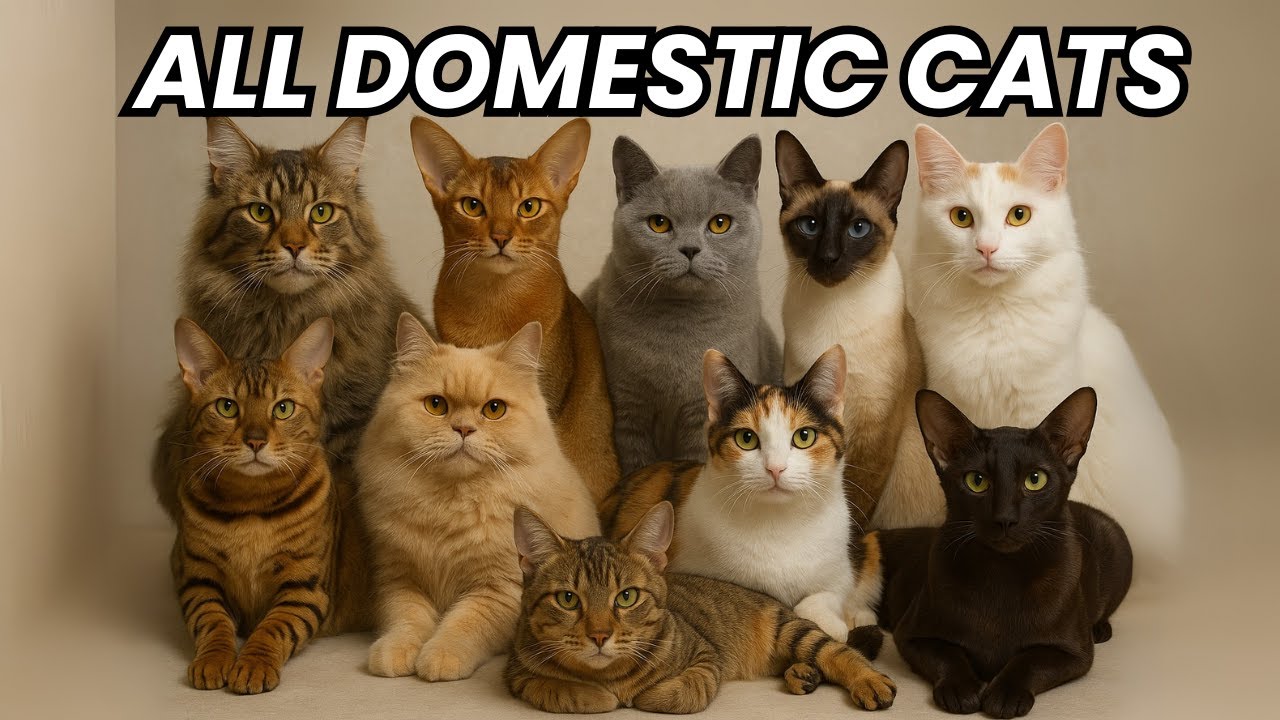
Have you ever wondered just how many breeds of cats exist? Whether you’re a cat lover, thinking about adopting, or simply curious, knowing the variety of feline breeds can surprise you.
Each breed has its own unique traits, looks, and personalities that might match perfectly with your lifestyle. Stick with me, and by the end of this article, you’ll discover the fascinating world of cat breeds and maybe even find your next furry friend.
Ready to dive in? Let’s explore!

Credit: www.reddit.com
Cat Breed Categories
Understanding cat breed categories helps you appreciate the diversity and history behind each feline friend. These categories group cats based on their origin, genetics, and characteristics. Knowing where your cat fits can guide you in care, behavior expectations, and even health considerations.
Pedigree Breeds
Pedigree breeds are cats with a well-documented lineage traced through official breed registries. They are bred to meet specific standards for appearance and temperament.
Examples include the Siamese, Persian, and Maine Coon. If you’ve ever admired a show cat or wanted a purebred companion, you’re likely thinking of pedigree breeds. These cats often come with predictable traits, which can help you understand their needs better.
Hybrid Breeds
Hybrid breeds result from crossing a domestic cat with a wild feline species. This mix brings unique looks and behaviors but also requires special care.
Think of the Bengal, bred from domestic cats and Asian leopard cats. These cats can have high energy and strong hunting instincts, so ask yourself if your lifestyle matches their needs. Hybrid breeds often demand more attention and a secure environment.
Natural Breeds
Natural breeds developed without intentional human breeding efforts. They adapted to their environments over centuries, making them robust and often healthier.
Examples include the Norwegian Forest Cat and the Turkish Van. These cats typically have traits shaped by climate and survival rather than human preference. If you want a cat with a strong, independent streak, natural breeds might suit you well.
Popular Cat Breeds Worldwide
Knowing the popular cat breeds worldwide can help you pick the perfect feline friend. Each breed carries unique traits that suit different lifestyles and personalities. Whether you want a playful companion or a calm lap cat, understanding these breeds brings you closer to the right match.
Siamese And Oriental
Siamese cats are famous for their striking blue eyes and vocal nature. They love interacting with people and can get quite chatty when they want attention. If you enjoy a talkative pet who follows you around, a Siamese might be your best companion.
Oriental cats share a similar body shape with Siamese but come in a variety of colors and patterns. They are equally social and intelligent, always curious about what you’re doing. You’ll find them eager to join any activity, making your day livelier.
Persian And Exotic
Persians have luxurious long coats and a calm, gentle temperament. They prefer a peaceful environment and enjoy lounging in sunny spots around your home. Grooming is a must with Persians, but many owners find the effort worth the beauty and serenity they bring.
Exotic cats look like short-haired Persians but require less maintenance. Their plush coats are easier to care for, making them a great choice if you love the Persian look without the heavy grooming. They share the same sweet, quiet personality, perfect for a laid-back household.
Maine Coon And Norwegian Forest
Maine Coons are large, friendly cats known for their tufted ears and bushy tails. They adapt well to families and love playing with kids or other pets. Their rugged appearance hides a gentle nature that makes them excellent companions.
Norwegian Forest cats have thick, water-resistant fur designed for cold climates. They’re independent but affectionate and enjoy climbing or exploring. If you want a cat that’s both hardy and loving, this breed might be your ideal choice.
Rare And Unusual Breeds
Countless cat breeds exist, ranging from common to rare and unusual types. Some breeds are hard to find and have unique features. Exploring these breeds reveals fascinating diversity in the cat world.
Diving into the world of cat breeds, it’s easy to be captivated by the sheer variety. While many of us are familiar with common breeds like the Siamese or the Persian, the world of felines also includes some rare and unusual breeds that are just waiting to be discovered. These unique cats often come with fascinating histories and striking appearances that make them truly one-of-a-kind. Whether you’re a seasoned cat lover or a curious newcomer, these rare breeds offer something to marvel at and perhaps, even consider for your next pet.Lykoi And Peterbald
The Lykoi, often dubbed as the “werewolf cat,” is a captivating breed that stands out due to its sparse hair and unique facial features. These cats have a wild appearance, almost like they’re straight out of a folklore tale. Despite their unusual looks, Lykoi cats are known for their affectionate nature and love for human companionship. On the other hand, the Peterbald is a breed that boasts a sleek, hairless appearance akin to the Sphynx but with its own distinct charm. Originating from Russia, the Peterbald is an inquisitive and active breed, making them a lively addition to any household. Their hairless skin may require a bit more care, but their playful and friendly demeanor makes it all worthwhile.Khao Manee And Serengeti
The Khao Manee, a strikingly beautiful breed from Thailand, is often referred to as the “White Gem.” Known for their pure white coats and mesmerizing eyes, which can be blue, gold, or even odd-eyed (one of each color), these cats have been cherished for centuries. Beyond their looks, Khao Manee cats are sociable and thrive on attention, making them perfect companions for those who can provide plenty of interaction. Then there’s the Serengeti, a breed developed to resemble wild African servals but without any wild blood. They boast long legs, large ears, and a stunning spotted coat that sets them apart. Serengetis are not only visually striking but are also known for their energetic and sociable nature. They love to play and are always up for a new adventure, bringing a touch of the wild into your home. Have you ever considered adopting a rare breed like these? Their unique characteristics could be just what you’re looking for in a feline friend. Each breed offers a distinct experience, waiting to enrich your life with their exceptional traits.:format(jpeg):quality(75))
Credit: manypets.com
Breed Recognition By Cat Associations
Cat breed recognition varies across major cat associations worldwide. Each organization sets its own standards for identifying and classifying cat breeds. These standards ensure breed purity and help maintain the distinct traits of each breed. Understanding these standards explains why breed counts differ between associations.
Cfa Standards
The Cat Fanciers’ Association (CFA) is one of the largest cat registries. It recognizes around 45 breeds. CFA focuses on traditional breeds with clear lineage. Each breed has detailed descriptions of physical features and personality traits. CFA holds shows to promote breed standards and responsible breeding.
Tica Standards
The International Cat Association (TICA) recognizes over 70 cat breeds. It accepts new breeds more quickly than some other groups. TICA allows experimental breeds to compete in a special class. This approach encourages diversity and innovation in breeding. TICA’s standards emphasize health and temperament alongside appearance.
Fife Standards
The Fédération Internationale Féline (FIFe) operates mainly in Europe. It recognizes about 50 breeds. FIFe has strict rules for breed acceptance and registration. The association values consistency in breed traits across generations. FIFe organizes international shows that attract breeders worldwide.
Factors Influencing Breed Count
The number of recognized cat breeds varies widely. Many factors affect how these breeds are counted and classified. Understanding these factors helps explain why breed counts differ across sources.
Genetic Variations
Genetic differences shape each breed’s unique traits. Some breeds share close genetic links, making it hard to separate them clearly. Selective breeding highlights specific traits, which may create new breeds. Genetic tests often reveal hidden connections between breeds. These factors can raise or lower the total breed count.
Regional Differences
Different countries recognize distinct cat breeds. Some breeds are popular in one region but unknown in others. Cat associations in each region set their own breed standards. These standards influence which breeds get official recognition. Regional preferences and breeding history affect breed lists globally.
Breed Development
New cat breeds appear as breeders select unique traits. Crossbreeding produces hybrids with fresh characteristics. Over time, these hybrids may gain official status as separate breeds. Breed development is ongoing, so breed counts can change. This evolution adds to the diversity in cat breeds worldwide.
Traits That Define Breeds
Understanding what makes each cat breed unique starts with recognizing the traits that define them. These traits often go beyond simple looks and dive into patterns, physical features, and even behavior. When you learn to spot these differences, you’ll appreciate the diversity among cat breeds and find it easier to pick a feline friend that fits your lifestyle.
Coat Patterns And Colors
The variety of coat patterns and colors in cats is truly fascinating. Some breeds flaunt solid colors, while others display stripes, spots, or patches.
Take the Bengal, for example, known for its leopard-like rosettes. Contrast that with the sleek, single-color Siamese coat. These patterns aren’t just about beauty—they often hint at a breed’s origin and genetics.
Have you noticed how some cats’ coats change as they grow? That’s another clue to their breed’s unique traits.
Physical Features
Physical traits are a major clue to a cat’s breed. Look at the shape of the ears, the length of the tail, or the structure of the face.
The Scottish Fold’s signature folded ears or the Sphynx’s hairless body immediately tell you which breed you’re seeing. These features aren’t just for show—they can affect how a cat behaves or what care it needs.
Next time you meet a new cat, try to spot these features. What stands out to you first?
Behavior And Temperament
A cat’s personality can be just as defining as its appearance. Some breeds are known for being playful and energetic, while others are calm and cuddly.
Consider the active and curious Abyssinian versus the laid-back Ragdoll that loves to be held. These traits can help you decide which breed fits your home and routine.
Think about your own lifestyle—does it match a high-energy cat or a relaxed companion? Understanding temperament is key to a happy pet-owner relationship.
How To Identify Your Cat’s Breed
Identifying your cat’s breed can be an exciting journey that helps you understand your furry friend better. Knowing the breed can reveal traits, health considerations, and behavior patterns unique to your cat. Whether your cat is a purebred or a charming mix, there are practical ways to uncover their origins.
Visual Characteristics
Look closely at your cat’s coat color, pattern, and texture. Does your cat have long, silky fur like a Persian or short, dense fur like a British Shorthair? Pay attention to body shape, ear size, and eye color too.
Notice if your cat has distinctive features such as the pointed ears of a Siamese or the curled ears of an American Curl. These visual clues can narrow down possible breeds quickly. Keep a photo handy and compare it with breed guides online or in books.
Dna Testing
DNA testing can reveal your cat’s breed composition with surprising accuracy. You simply collect a saliva sample using a kit sent to your home and mail it back for analysis. Results usually include breed percentages and sometimes health markers.
Many cat owners find this method eye-opening. It can confirm suspicions or reveal unexpected ancestry. Would you be surprised if your fluffy lap cat had wildcat genes in their DNA?
Consulting Experts
Veterinarians and professional breeders have experience spotting breed traits. They can offer valuable insights based on your cat’s physical and behavioral characteristics. Sometimes, a quick visit to a trusted expert can save hours of research.
Animal shelters and cat clubs often provide breed identification services or referrals. Their knowledge can help you understand your cat’s needs better. Have you ever asked an expert what they thought about your cat’s breed? Their perspective might surprise you.
Future Of Cat Breeds
The future of cat breeds is both exciting and complex. As new breeds emerge and conservation efforts grow, the landscape of feline diversity changes constantly. Your understanding of these shifts can help you appreciate the cats you know and those you might meet tomorrow.
Emerging Breeds
New cat breeds continue to appear as breeders experiment with unique traits and characteristics. These emerging breeds often combine physical features or temperaments from different cats to create something fresh.
Take the Lykoi, for example—a breed that looks like a werewolf due to its sparse fur pattern. It’s a natural mutation, not a genetic engineering project, showing how nature still plays a big role in breed development.
Are you curious how new breeds might fit into your life or your home? Keeping an eye on these emerging breeds can give you early access to unique companions.
Conservation Efforts
Some cat breeds face the risk of disappearing entirely, especially rare or ancient ones. Conservation programs aim to protect these breeds by encouraging responsible breeding and preserving genetic diversity.
Breeds like the Turkish Van and the Singapura have benefited from such efforts, ensuring their distinct traits survive for future generations. These programs often involve collaboration between breeders and cat organizations worldwide.
Think about the breeds you love—how might you support their survival? Sometimes, adopting from rescue groups focused on rare breeds is a powerful way to contribute.
Impact Of Breeding Practices
Breeding practices heavily influence the health and characteristics of cat breeds. Ethical breeding prioritizes the well-being of cats over appearance, reducing hereditary health problems.
However, some practices aimed at achieving specific looks can unintentionally cause issues like breathing difficulties or joint problems. This raises a critical question: are the aesthetic goals worth the potential health costs?
You can make a difference by choosing cats from breeders who emphasize health and temperament. Your choice encourages better standards and helps shape the future of all cat breeds.

Credit: www.threads.com
Frequently Asked Questions
How Many Cat Breeds Are Officially Recognized Worldwide?
There are approximately 70 to 75 officially recognized cat breeds globally. Different cat associations may recognize slightly varied numbers. This count includes popular and rare breeds, each with unique traits and appearances.
What Is The Most Popular Cat Breed Globally?
The Persian cat is one of the most popular cat breeds worldwide. Known for its long fur and calm temperament, it is a favorite among cat lovers. Persian cats are cherished for their affectionate nature and distinctive appearance.
How Do Cat Breeds Differ From Each Other?
Cat breeds differ in coat length, color, personality, and physical features. Some breeds are more active, while others are laid-back. These variations arise from genetics and selective breeding aimed at enhancing specific traits.
Are New Cat Breeds Still Being Developed?
Yes, new cat breeds continue to be developed by breeders. They often combine traits from existing breeds to create unique appearances and temperaments. However, official recognition of new breeds takes time and strict evaluation.
Conclusion
Cats come in many breeds, each with unique traits and charm. Knowing the number helps cat lovers appreciate their diversity. Whether you want a playful kitten or a calm companion, there is a breed for you. Exploring different breeds can be fun and rewarding.
Remember, every cat is special, no matter the breed. Enjoy learning about these wonderful animals and find the perfect match for your home.


Leave a Reply