Looking for the perfect cat breed that fits right into your busy family life? You want a furry friend who’s gentle, playful, and great with kids.
Choosing the right cat can make a huge difference in your home, bringing joy without stress. You’ll discover the best cat breeds that love kids just as much as you do. Keep reading to find the ideal companion for your family and make sure everyone feels happy and safe.
Top Kid-friendly Cat Breeds
Choosing a cat breed that gets along well with kids can make all the difference in creating a happy home. Kids need a pet that matches their energy and temperament. Some cat breeds are naturally patient, playful, and gentle, making them perfect companions for children.
Imagine your child coming home excited to play with a furry friend who loves cuddles and games just as much as they do. Which breeds fit that bill? Let’s look at some top kid-friendly cat breeds that could become your family’s new best friend.
RagdollRagdolls are famously gentle and calm. They often go limp when picked up, making them easy for kids to handle safely. Their affectionate nature means they enjoy being around people, and they rarely scratch or bite.
These cats love to follow family members around and can even play fetch. If your child is looking for a cat that acts more like a dog, a Ragdoll might be the ideal choice.
British ShorthairBritish Shorthairs are known for their easygoing personalities. They tolerate noise and chaos well, which is perfect for busy households with energetic kids. Their plush coat and round face make them irresistibly cute too.
They prefer calm play but are patient and won’t get annoyed easily. Do you want a cat that stays by your child’s side without being overly demanding? This breed fits that role well.
Scottish FoldScottish Folds are playful and affectionate, making them great companions for children. Their unique folded ears add to their charm, but it’s their sweet temperament that wins hearts.
They enjoy interactive play and tend to bond strongly with family members. Have you ever seen a cat that seems to understand your child’s emotions? Scottish Folds often have that gentle sensitivity.
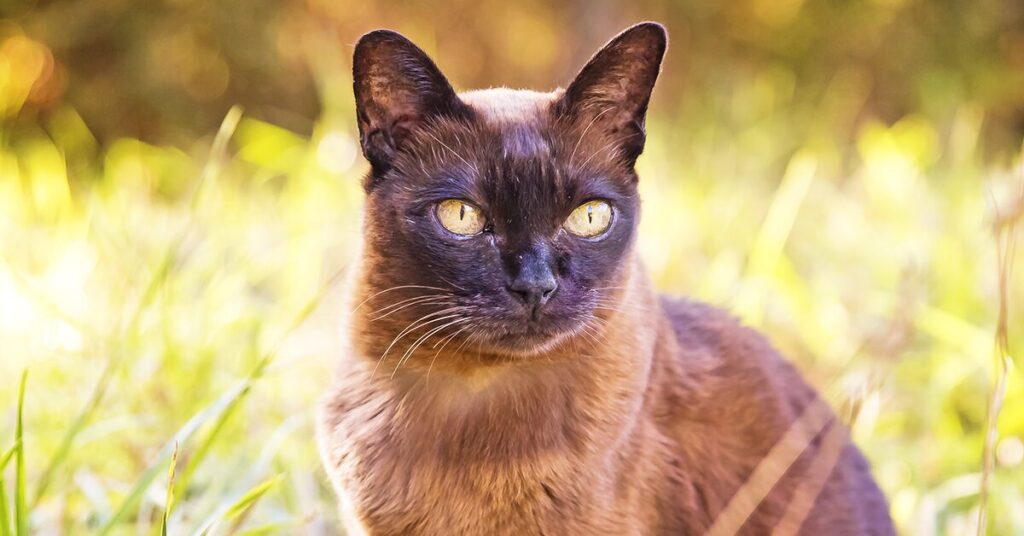
BurmeseBurmese cats are lively and social, thriving on interaction with people. They love to be involved in family activities and are known for their loyalty and affection.
They can keep up with active kids and enjoy games and attention. If your child needs a cat that matches their energy level and offers constant companionship, consider the Burmese.
Maine CoonMaine Coons are large but gentle giants. They are patient with children and enjoy playful interactions without getting aggressive.
Their thick fur needs regular grooming, so involving your child in care routines can teach responsibility. Isn’t it great when a pet helps kids learn valuable life skills?
Credit: www.pumpkin.care
Traits That Make Cats Good With Kids
Choosing a cat that fits well with children means understanding key traits. These traits help cats and kids enjoy each other’s company safely and happily. Cats with the right personality can become great friends to children, making playtime fun and bonding strong.
Patience And Tolerance
Good cats stay calm around noisy and energetic kids. They do not get easily stressed or scared. Such cats tolerate loud voices and sudden movements well. This helps prevent scratches or bites during play.
Playfulness
Cats that enjoy gentle play make great companions for children. They like toys and games that kids can join. Playful cats keep kids engaged and happy for long periods.
Affectionate Nature
Cats who enjoy cuddles and petting fit well with children. These cats like to be near people and trust them. Their loving behavior encourages kids to care and be gentle.
Adaptability
Cats that adjust easily to new environments and routines suit families. They handle changes in schedules or noise levels without stress. Adaptable cats help kids feel safe and relaxed.
Social Personality
Cats that like meeting new people are usually good with kids. They seek attention and enjoy company. Such social cats rarely hide or run away from children.
Ragdoll Cats
Ragdoll cats are gentle giants, perfect companions for kids. Their calm nature and patience make them ideal playmates. These cats are known for their affectionate behavior and striking blue eyes.
Ragdoll cats are a delightful choice for families with children. Known for their gentle and laid-back nature, these cats often form strong bonds with their human companions. They are large, fluffy, and possess striking blue eyes that captivate anyone who gazes into them.Temperament And Behavior
Ragdolls are famously affectionate and enjoy being around people. They often go limp when held, hence their name, and are incredibly tolerant of children’s playful antics. This makes them ideal for families, as they are unlikely to scratch or bite, even when kids are a bit too enthusiastic. These cats are also known to follow their owners around the house, always eager to be part of family activities. Unlike more aloof breeds, Ragdolls love interaction and will happily sit in your lap or snuggle up during storytime. Their social nature ensures they are an engaging presence in any home.Care Needs
Despite their plush coat, Ragdoll cats are surprisingly low maintenance. Regular brushing can keep their fur in top condition, minimizing shedding and preventing matting. You might find that grooming sessions become a bonding activity with your child, teaching them responsibility and empathy. Ragdolls are generally healthy, but they thrive on a balanced diet and regular vet check-ups. Their playful nature means they enjoy interactive toys that challenge their intelligence. Ensuring they have a stimulating environment can help prevent boredom and keep their minds sharp. Have you considered how a pet might enrich your child’s life and teach them valuable lessons? Ragdolls, with their loving nature and easygoing personality, might just be the perfect addition to your family.Maine Coon Cats
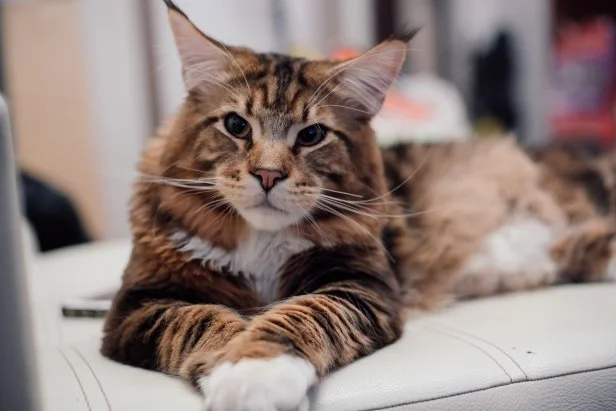
Maine Coon cats are large, gentle giants with fluffy coats. They are one of the oldest natural breeds in North America. Known for their friendly nature, these cats enjoy being part of family life. Their size and playful spirit make them great companions for kids. Maine Coons adapt well to different homes and love interaction.
Personality Highlights
- Very friendly and sociable with children
- Playful but calm, rarely aggressive
- Intelligent and curious, enjoys games
- Loyal and often follows family members around
- Tolerant and patient, good with other pets
Grooming Tips
- Brush their long fur at least twice a week
- Check for mats behind ears and under legs
- Trim nails regularly to avoid scratches
- Clean ears gently to prevent infections
- Bathing is optional but helps keep coat clean
Siamese Cats
Siamese cats are one of the most popular breeds for families with kids. Their sleek bodies and striking blue eyes make them stand out. Known for their talkative nature, Siamese cats love to engage with people. They form strong bonds with family members and enjoy being part of daily activities.
Social Interaction
Siamese cats crave attention and love to be around people. They often follow kids around the house and want to join in their play. These cats communicate with loud, expressive meows. They respond well to gentle handling and affection. Siamese cats do not like to be left alone for long periods. They enjoy interactive playtime and thrive in busy homes.
Energy Levels
Siamese cats have high energy and need plenty of exercise. They enjoy chasing toys and climbing on cat trees. Their active nature makes them great companions for energetic children. These cats can be playful for hours, which helps kids stay engaged. Regular play sessions keep Siamese cats happy and healthy. They also like mental stimulation through puzzle feeders and games.
Credit: www.hgtv.com
British Shorthair Cats
The British Shorthair cat is a fantastic choice if you’re looking for a pet that blends well with children. Known for its sturdy build and plush coat, this breed brings both charm and calmness into any home. Many families find that their British Shorthair becomes a gentle companion, especially around kids.
Calm Demeanor
British Shorthairs are famously easygoing. They don’t demand constant attention, which means they won’t overwhelm your children. Instead, they enjoy quiet moments and gentle play, making them ideal for families with varying energy levels.
Because of their calm nature, these cats rarely scratch or nip during playtime. Have you noticed how some cats get overstimulated quickly? British Shorthairs tend to stay relaxed, even when the household is lively.
- They handle noise well, so they won’t be startled by children’s laughter or shouting.
- They adapt well to changes in routine, which is perfect for busy family life.
- They enjoy interactive play but also appreciate downtime.
Health Considerations
British Shorthairs are generally healthy, but you should be aware of a few breed-specific issues. This helps you keep your pet safe and thriving alongside your kids.
One common concern is hypertrophic cardiomyopathy (HCM), a heart condition. Regular vet check-ups can catch this early. Also, their stocky build means they can gain weight easily, so monitoring their diet is crucial.
| Health Concern | What to Do |
|---|---|
| Hypertrophic Cardiomyopathy (HCM) | Schedule regular cardiac screenings with your vet. |
| Obesity | Feed measured portions and encourage daily play. |
| Dental Issues | Brush their teeth regularly and check for signs of gum disease. |
Taking these steps will help your British Shorthair live a long, happy life with your kids. What health habits could you start today to support your family pet?
Burmese Cats
Burmese cats are a fantastic choice if you have children at home. Their playful spirit and loving demeanor make them stand out among cat breeds. These cats are known for forming strong bonds with family members, especially kids, which can create a truly warm and joyful environment.
Affectionate Nature
Burmese cats thrive on affection and love to be close to their human companions. They often follow family members around the house, eager to be involved in whatever you’re doing. You might notice your cat curling up on your lap during storytime or gently nudging your child for attention.
Their affectionate nature means they usually enjoy cuddles and gentle petting, which helps children learn about kindness and responsibility towards pets. This breed rarely shies away from interaction, making it easier for kids to build confidence around animals.
Activity Preferences
Burmese cats are energetic without being overwhelming. They enjoy interactive play, like chasing toys or playing hide and seek, which can keep your kids entertained and engaged. You might find that your child looks forward to daily play sessions, strengthening their bond with the cat.
These cats also appreciate cozy spots to relax after playtime, so providing a mix of active and quiet areas is ideal. Have you considered how your child’s activity level matches with the cat’s needs? Matching energy levels helps ensure both your pet and kids stay happy and healthy.
Tips For Introducing Cats To Children
Introducing cats to children can be a joyful experience with the right approach. It builds trust between the child and the cat. It also helps create a safe home environment for both.
Children need to learn how to respect a cat’s space and feelings. Teaching gentle touch and calm behavior is key. This section offers simple tips to make introductions smooth and positive.
Teach Children To Approach Cats Calmly
Encourage kids to move slowly and speak softly around cats. Sudden movements can scare cats. Let the cat come closer at its own pace. This helps the cat feel safe and less stressed.
Show Proper Ways To Pet A Cat
Guide children to pet cats gently on the head or back. Avoid pulling tails or ears. Use open hands instead of fingers. Explain why rough play can hurt the cat.
Create Safe Spaces For The Cat
Set up quiet spots where cats can rest away from kids. Use cat beds or high shelves. Teach children to respect these areas and not disturb the cat there.
Supervise All Interactions
Always watch young children when they are with cats. Step in if play gets too rough. This prevents accidents and teaches good behavior for future interactions.
Explain Cat Body Language
- Tail up means happy and friendly
- Hissing or growling means upset or scared
- Flattened ears show fear or anger
- Slow blinking means trust and comfort
Helping kids understand these signals improves communication with cats. It helps avoid misunderstandings and keeps both safe.
Safety And Care Guidelines For Kids
Introducing a cat to your children can be a joyful experience, but it also requires attention to safety and care. Kids are naturally curious and energetic, which means cats need to be handled gently and respectfully. Teaching your children how to interact with cats properly ensures a harmonious relationship and prevents stress or injury for both.
Teaching Gentle Handling
Children should learn to use soft hands when touching a cat. Explain that pulling tails, ears, or fur hurts the animal and makes it scared. Let your kids know that cats like to be petted calmly on their head, back, or cheeks, but not their belly unless the cat clearly enjoys it.
Watching your child’s interaction with the cat can help you correct rough behavior immediately. Have you noticed how a cat’s body language changes when it feels uncomfortable? Encourage your kids to stop petting when the cat moves away or flattens its ears.
Creating A Safe Space For The Cat
Cats need a quiet spot where they can retreat if they feel overwhelmed. Set up a cozy bed or a cat tree in a low-traffic area of your home. This safe space helps the cat relax and teaches your children that the pet sometimes needs alone time.
Ask your children to respect this area and never disturb the cat when it’s resting there. This practice shows kids that animals have boundaries, just like people do.
Supervising Playtime And Interactions
Always supervise your child when they play with a cat, especially younger kids. Kids might unintentionally frighten cats by making sudden movements or loud noises. Staying close allows you to step in if the cat feels threatened or if play becomes too rough.
Use toys like feather wands or laser pointers to keep the cat engaged without risking scratches. Do you think your child knows how to read a cat’s signals during play? Observing together can be a great learning moment.
Maintaining Hygiene And Health
Teach your children to wash their hands after touching the cat or cleaning its litter box. This simple habit reduces the risk of germs spreading. Keep the cat’s vaccinations and vet visits up to date to protect everyone in the family.
Involve your kids in feeding and grooming routines to build responsibility. How would you feel if your child helped care for the cat’s health every day?
Credit: www.pumpkin.care
Frequently Asked Questions
What Cat Breeds Are Best For Families With Kids?
Breeds like Ragdoll, Maine Coon, and British Shorthair are gentle and patient. They tolerate children well and enjoy playtime, making them ideal for families.
Are Hypoallergenic Cats Good Around Children?
Yes, breeds like Siberian and Balinese produce fewer allergens. They are friendly and calm, making them great choices for kids with allergies.
Which Cats Are Most Playful With Children?
Bengal, Abyssinian, and Siamese cats are energetic and playful. They love interaction, keeping kids entertained and engaged while forming strong bonds.
Do Small Cat Breeds Suit Homes With Kids?
Smaller breeds like Singapura and Munchkin are affectionate and adaptable. They handle children’s energy well but need gentle handling to avoid stress.
Conclusion
Choosing the right cat breed makes a big difference for families with kids. Friendly and gentle cats create happy homes. Some breeds enjoy playtime and cuddle easily. Kids learn kindness and care with the right pet. Think about your family’s lifestyle and needs.
A good match means fun and safety for all. Remember, every cat has a unique personality. Take time to meet them before deciding. Enjoy the special bond that grows with patience. A loving cat friend can brighten every child’s day.


Leave a Reply