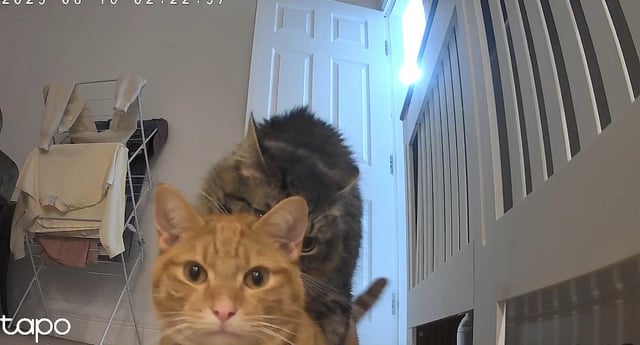
Have you ever watched your two male cats grooming each other and wondered why it sometimes looks more like a battle than a bonding moment? You might feel confused or even worried when their grooming turns aggressive.
Understanding this behavior can help you keep your furry friends happy and healthy. You’ll discover the surprising reasons behind aggressive grooming and learn what it means for your cats’ relationship. Keep reading to unlock the secrets behind their actions and find out how you can help them get along better.
Male Cat Grooming Behavior
Male cat grooming behavior can seem puzzling, especially when it looks aggressive. You might wonder why your two male cats groom each other so intensely. Understanding what’s behind this behavior helps you see it not as hostility, but as a form of interaction with deeper meanings.
Social Bonds Among Cats
Grooming is a key way cats build and maintain social bonds. When your two male cats groom each other, they are often strengthening their connection. This act is a sign of trust, showing they feel safe and comfortable together.
Sometimes, the grooming might look rough or intense. This can happen if one cat is particularly enthusiastic or if they are trying to assert some social order. Have you noticed if one cat usually initiates the grooming or if it’s mutual? That can tell you a lot about their relationship dynamics.
Grooming As Communication
Grooming is also a way cats communicate without words. Through licking and nibbling, they share feelings and intentions. It can express affection, submission, or even mild dominance.
If you see your cats grooming aggressively, ask yourself: Is it really aggression or a form of urgent communication? Pay attention to their body language—ears, tails, and eyes—to decode the message. This behavior can help reduce tension and keep peace between them.

Credit: basepaws.com
Reasons For Aggressive Grooming
Aggressive grooming between two male cats can seem confusing. What looks like care might actually be tension. Understanding the reasons helps manage their behavior. Several factors can trigger this aggressive grooming. Each reason relates to the cats’ social and emotional state.
Dominance And Hierarchy
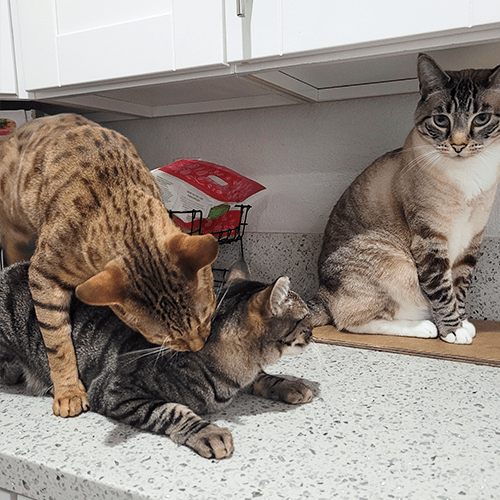
Male cats often use grooming to show dominance. One cat may try to control the other. Grooming becomes rough or forceful. This act helps establish who is in charge. It is a way to set their place in the social order. Dominance grooming can include biting or scratching.
Stress And Anxiety
Stress can make cats act out during grooming. Changes in the home or routine increase anxiety. Cats may groom each other aggressively to relieve stress. This behavior can be a sign they feel unsafe. Stress-driven grooming is more intense and less gentle. It may cause discomfort or injuries.
Territorial Disputes
Male cats are territorial by nature. Aggressive grooming can mark boundaries. One cat may try to claim space or resources. Grooming turns into a battle to control territory. This behavior stops when one cat backs down. Territorial disputes often happen in multi-cat homes.
Signs Of Aggressive Grooming
Aggressive grooming between male cats can show as biting or rough licking. This behavior may signal dominance or stress. Watch for tense body language and vocal sounds during grooming sessions.
Understanding the signs of aggressive grooming between your two male cats can help you manage their interactions and ensure a peaceful home environment. Cats often groom each other as a sign of affection and social bonding. However, when the grooming becomes aggressive, it can be a sign of underlying tension or dominance struggles. Recognizing these signs early can prevent potential conflicts and maintain harmony.Body Language Cues
Watch your cats closely. If one cat pins the other down while grooming, it may indicate dominance rather than affection. Look for stiff body postures or ears flattened against the head, which can signal aggression. Pay attention to tail movements. A lashing tail can suggest irritation or agitation. If grooming turns into biting or wrestling, it might be time to intervene to prevent escalation.Vocalizations And Reactions
Listen for vocal cues. Hissing or growling during grooming sessions is a clear sign of displeasure. Cats usually don’t vocalize when they’re relaxed and content. Notice any sudden movements or attempts to escape. If one cat tries to flee during grooming, it might be uncomfortable or feel threatened. Your intervention might be necessary to separate them and reduce stress. Understanding these signs not only helps in addressing the current situation but also strengthens your bond with your feline friends. How do you handle aggressive grooming among your cats? Share your experiences in the comments!Impact On Cat Relationship
Understanding the impact of aggressive grooming between two male cats can reveal a lot about their relationship dynamics. This behavior, while intense, is not always a sign of hostility. It often plays a crucial role in how they bond and communicate.
Positive Effects
Aggressive grooming can actually strengthen the bond between your cats. It shows trust because they allow each other to get close enough for such intimate contact.
This behavior helps establish a social hierarchy without physical fighting. One cat may assert dominance while the other submits, which can lead to a more peaceful coexistence.
You might notice that after these grooming sessions, your cats often relax together or sleep side by side. This suggests their relationship benefits from this intense form of interaction.
Potential Conflicts
However, aggressive grooming can sometimes escalate into real conflict. If one cat becomes too rough or the other cat feels overwhelmed, it might lead to fights.
Watch for signs like hissing, growling, or attempts to escape during grooming sessions. These are clear indications that one cat is uncomfortable.
If you see these signs, consider intervening early to prevent injury and reduce stress. You might need to provide separate spaces or toys to redirect their energy.
Managing Aggressive Grooming
Aggressive grooming between two male cats can be confusing and stressful to witness. It’s important to manage this behavior carefully to ensure both cats feel safe and comfortable. Understanding how to adjust their environment, intervene behaviorally, and recognize when professional help is needed can make a big difference in restoring peace.
Environmental Adjustments
Start by giving your cats plenty of space. Crowded areas often increase stress and competition, leading to aggressive grooming. Separate their feeding stations and litter boxes to reduce tension.
Adding vertical spaces like cat trees or shelves can help each cat claim its own territory. This reduces direct confrontations and gives them a sense of security. Have you noticed how your cats behave differently with more room to explore?
Also, create calm zones with cozy beds or hiding spots. These safe areas let your cats retreat if they feel overwhelmed, lowering the chances of aggressive interactions.
Behavioral Interventions
Observe the triggers that lead to aggressive grooming. Is it after playtime or when one cat approaches the other too quickly? Redirect their energy with interactive toys or short play sessions to release pent-up stress.
Use positive reinforcement when your cats interact calmly. Rewarding peaceful behavior with treats or gentle petting encourages them to repeat it. You might find that simple rewards can shift their dynamic significantly.
Try to avoid punishing the aggressive cat. This can increase anxiety and worsen the behavior. Instead, calmly separate them when aggression starts and give them time to cool down.
When To Consult A Vet
If aggressive grooming leads to wounds or the behavior suddenly worsens, it’s time to seek veterinary advice. Sometimes medical issues like skin irritation or pain cause one cat to groom another aggressively.
A vet can check for underlying health problems and suggest treatment options. They may also recommend a behaviorist if the cause is mainly psychological.
Could your cats be communicating distress you haven’t noticed? A professional’s insight might reveal hidden causes and solutions, helping your cats live together more peacefully.

Credit: www.youtube.com
Credit: trapandreturn.com
Frequently Asked Questions
Why Do Male Cats Groom Each Other Aggressively?
Male cats groom each other aggressively to establish social hierarchy and bond. This behavior shows dominance or affection. It is common among closely bonded cats and helps reduce stress and tension between them.
Is Aggressive Grooming A Sign Of Cat Aggression?
Aggressive grooming is not pure aggression but mixed behavior. It combines affection and dominance. Cats may nip or bite lightly during grooming to assert control without causing harm.
Can Aggressive Grooming Cause Injuries In Male Cats?
Yes, aggressive grooming can cause minor injuries like scratches or skin irritation. If it escalates, separate the cats and monitor their interactions to prevent serious harm.
How To Reduce Aggressive Grooming Between Male Cats?
Provide enough resources and personal space for each cat. Use interactive play and positive reinforcement. Consult a vet or behaviorist if aggression persists or worsens.
Conclusion
Aggressive grooming between two male cats shows complex feelings. It can mean trust, but also tension or stress. Watch their body language to understand better. Give them space if fights start. Provide toys and separate resting spots. Keep their environment calm and safe.
This helps reduce aggressive behaviors over time. Remember, every cat is different. Patience and observation are key to peaceful grooming.

Leave a Reply