
Have you ever wondered if cats of different breeds fight in unique ways? If you share your home with multiple cats or are thinking about bringing a new feline friend into your life, understanding how breed influences their behavior during conflicts can make a big difference.
Knowing these subtle differences can help you keep peace in your household and better care for your furry companions. Keep reading to discover how your cat’s breed might shape the way they handle disagreements—and how you can use this knowledge to create a calmer, happier environment for them.
Cat Breed Temperaments
Cat breeds show different temperaments that affect how they act in fights. Some breeds are calm and gentle, while others are more aggressive or defensive. Understanding these temperaments helps explain why some cats fight differently. Temperament depends on genetics, socialization, and environment. Each breed has unique traits that influence how they respond to threats or challenges.
Traits Influencing Aggression
Aggression varies by breed due to traits like energy, fear, and social needs. Some cats react quickly with defensive behavior. Others use warning signs before fighting. Key traits include:
- Energy levels: High-energy cats may show more aggressive play.
- Fear response: Fearful cats might attack to protect themselves.
- Social behavior: Some breeds are more territorial and protective.
- Confidence: Confident cats often face challenges head-on.
These traits guide how a cat fights or avoids conflict.
Playful Vs. Territorial Breeds
Playful breeds often use their energy in mock fights. They enjoy chasing and gentle pawing. These breeds rarely cause serious harm. Examples include Siamese and Abyssinians. They treat fights as games.
Territorial breeds defend their space strongly. They may hiss, growl, or swipe to warn intruders. Such cats are less tolerant of strangers. Examples are Maine Coons and Persians. Their fights tend to be serious and protective.
Credit: pethelpful.com
Common Fighting Styles
Cats have unique ways of defending themselves or showing dominance. Their fighting styles vary by breed and personality. Some cats use direct physical attacks, while others rely on signals to avoid serious harm. Understanding these common fighting styles helps in recognizing cat behavior clearly.
Physical Combat Techniques
Physical combat is the most obvious form of cat fighting. Cats use claws and teeth to protect themselves or claim territory. Some breeds, like the Maine Coon, are strong and use powerful swipes. Smaller breeds may rely on quick dodges and precise bites.
- Swatting with paws to push or scratch
- Biting to injure or warn
- Leaping to surprise the opponent
- Using body weight to pin down
Physical fights can be brief but intense. Cats often end fights quickly to avoid injury.
Vocal And Postural Signals
Many cats prefer to use vocal and body language first. These signals warn or intimidate without physical harm. Vocal sounds include hissing, growling, and yowling. Each sound shows different levels of threat or fear.
- Hissing warns to stay away
- Growling shows anger or frustration
- Yowling signals distress or challenge
Posture plays a big role too. Cats arch their backs to look bigger. Tail flicks can mean irritation. Flattened ears and widened eyes show readiness to fight. These signs often stop fights before they start.
Breed-specific Behavior Patterns
Cats show different fight behaviors based on their breed traits. Each breed has unique ways to express anger or defend itself. Understanding these breed-specific patterns helps pet owners manage conflicts better. Some cats use loud sounds, while others rely on body language or physical gestures. These differences come from their history, environment, and genetics.
Siamese And Vocal Disputes
Siamese cats often use their voice during fights. They produce loud, sharp meows to scare opponents. Their vocal disputes can last longer than physical fights. This breed prefers to talk rather than scratch or bite. Siamese cats may also use their tail and ears to show annoyance.
Maine Coon’s Gentle Approach
Maine Coons are known for their calm nature. They rarely use harsh aggression in fights. Instead, they rely on gentle swats or posturing. Their size helps them look intimidating without attacking. Maine Coons try to avoid serious injury to themselves or others.
Bengal’s High Energy Clashes
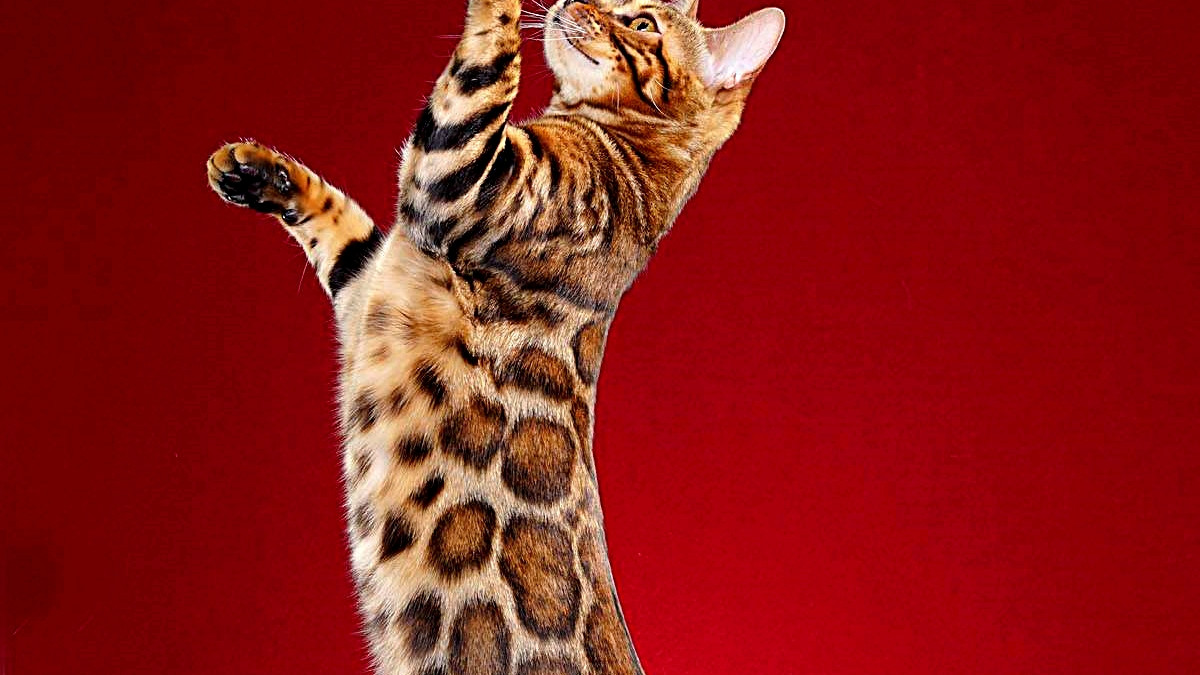
Bengals are very active and energetic during fights. Their clashes involve quick movements and strong swipes. Bengals may jump and pounce with great speed. This breed uses intense physical energy to assert dominance. Their fighting style reflects their wild ancestry and hunting skills.
Credit: www.thecatniptimes.com
Role Of Socialization
Socialization influences how cats interact with each other. Different cat breeds may display varying behaviors based on their social experiences. Understanding these dynamics offers insights into feline interactions.
Early Experiences Impact
Early life plays a crucial role in a cat’s behavior. Cats exposed to diverse environments tend to be more adaptable. They can also handle new situations better. Kittens that socialize with other cats learn important social cues. These cues help them communicate and interact peacefully.
Human Interaction Effects
Human interaction greatly affects a cat’s behavior. Cats accustomed to human presence are often calmer. They learn to trust and feel secure. This trust can translate into more peaceful interactions with other cats. When humans provide a nurturing environment, cats are less likely to be aggressive.
Preventing And Managing Fights
Preventing and managing fights between cats requires careful attention and action. Understanding their behavior helps create a calm environment. This reduces stress and stops conflicts early. Each cat breed may show different fighting styles. But prevention and management share common steps for all cats.
Environmental Enrichment
Provide plenty of toys and climbing spaces. Cats need mental and physical activity to stay calm. Use scratching posts, tunnels, and cozy resting spots. Separate feeding areas prevent food guarding and fights.
Keep litter boxes clean and in quiet places. Create safe hiding spots for shy cats. Rotate toys to keep them interesting. A well-enriched space lowers tension and aggressive behavior.
Recognizing Warning Signs
Watch for stiff body posture or puffed fur. Growling, hissing, and staring often come before fights. Tail twitching or ears pinned back signal annoyance. Early signs let you act before fights start.
Separate cats showing these signals gently. Use calm voices and avoid sudden movements. Giving space helps cats cool down. Recognizing warning signs prevents serious injuries and stress.
Credit: pethelpful.com
Frequently Asked Questions
Do Cat Breeds Show Unique Fighting Behaviors?
Yes, different cat breeds exhibit distinct fighting styles. Some breeds are more aggressive, while others are defensive or cautious. Breed traits and temperament influence how cats approach conflicts, impacting their fighting behavior and strategies.
Which Cat Breeds Are More Aggressive In Fights?
Breeds like Siamese and Bengal tend to be more aggressive. They are energetic and assertive, often initiating confrontations. However, individual personality and environment also play crucial roles in aggression levels.
How Do Calm Cat Breeds Handle Conflicts?
Calm breeds like Ragdolls and Persians usually avoid fights. They prefer retreat or passive defense over aggression. Their gentle nature makes them less likely to escalate conflicts with other cats.
Can Cat Breed Affect Fight Severity?
Yes, breed traits can influence fight intensity. Strong, muscular breeds may cause more harm. Conversely, smaller or more timid breeds often engage in less severe altercations, focusing on posturing rather than physical harm.
Conclusion
Cat breeds do show different ways of fighting. Some are more aggressive, others more defensive. Understanding these differences helps owners manage conflicts better. Each cat has a unique style and personality. Watching their behavior closely can prevent serious fights. Respecting their nature creates a calmer home.
Learning about cat breeds means safer, happier pets. It’s not just about breed, but also individual traits. Every cat deserves care and patience. This knowledge supports better pet relationships.

Leave a Reply