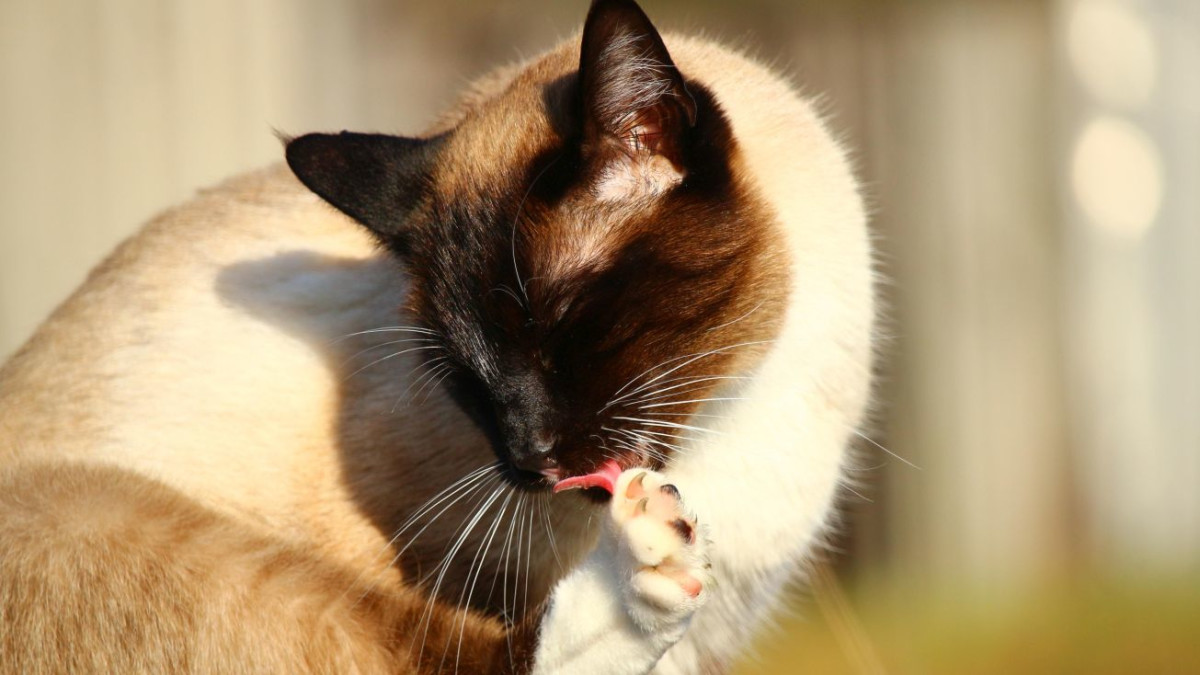
Have you noticed that your cat isn’t grooming herself like she used to? It’s natural to feel concerned when your furry friend stops cleaning her coat.
Grooming is more than just keeping clean—it’s a sign of health and happiness for your cat. When this habit changes, it can signal that something is wrong. You’ll discover the common reasons why your cat might not be grooming herself and what you can do to help.
Keep reading to learn how to spot the signs and support your cat’s well-being.
Common Grooming Habits
Understanding your cat’s usual grooming habits can help you spot when something is off. Cats are known for their fastidious cleaning routines, but these habits can vary based on their personality, age, and health. Observing what normal grooming looks like gives you a clearer picture of when your cat isn’t grooming herself properly.
Normal Grooming Patterns
Cats spend about 30-50% of their waking hours grooming themselves. This includes licking their fur to remove dirt and loose hair, and using their paws to clean hard-to-reach areas like their face and ears.
Grooming usually follows a pattern:
- Starting with the head and neck
- Moving down the back and sides
- Finishing with the legs and tail
Older cats or those with health issues might groom less frequently or miss certain areas. Have you noticed your cat skipping spots or grooming for shorter times? These small changes can be an early sign something is wrong.
Importance Of Grooming For Cats
Grooming does more than keep your cat looking clean. It helps regulate body temperature by spreading natural oils through the fur.
It also reduces stress. Many cats lick themselves to calm down after a stressful event. When your cat stops grooming, could it mean she’s feeling unwell or anxious?
Additionally, grooming prevents matting and helps spot skin problems early. By paying attention to your cat’s grooming habits, you might catch health issues before they worsen.
)
Credit: www.northroadvet.com.au
Health Issues Affecting Grooming
Health issues can stop a cat from grooming herself properly. Grooming needs energy and comfort, which illness can reduce. Cats often hide pain, so changes in grooming may be the first sign of trouble.
Some health problems cause discomfort or pain. This makes grooming difficult or unpleasant. Knowing the common issues helps you notice when your cat needs help.
Skin Infections And Parasites
Skin infections can cause itching and pain. Cats may avoid grooming sore spots. Parasites like fleas and mites irritate the skin. They cause discomfort and hair loss. Your cat might scratch or bite but not clean well.
Dental Problems
Dental pain makes grooming hard for cats. Cleaning around the mouth hurts. Cats with tooth decay or gum disease may stop grooming. Bad breath or drooling often shows dental issues. This pain reduces their desire to clean themselves.
Arthritis And Mobility Issues
Arthritis limits a cat’s movement. Joint pain makes bending and stretching tough. Cats with arthritis may miss hard-to-reach spots. This leads to a messy or matted coat. Older cats often have arthritis affecting grooming.
Behavioral Causes
Cats are usually meticulous groomers, but sometimes you might notice your furry friend neglecting this important habit. Behavioral causes often play a significant role when your cat stops grooming herself. Understanding these reasons can help you identify the root of the problem and support your cat’s well-being effectively.
Stress And Anxiety
Stress can cause your cat to stop grooming. Changes in routine, loud noises, or conflicts with other pets may trigger anxiety. When your cat feels stressed, she might focus on survival instincts rather than self-care.
If your cat suddenly stops grooming, consider any recent changes in her environment. Have you introduced a new pet or moved furniture around? These situations can make your cat uneasy, leading to a drop in grooming habits.
Depression In Cats
Yes, cats can experience depression, which affects their grooming. A depressed cat may appear lethargic and lose interest in self-care. You might notice a dull coat or patches of matted fur as a result.
Think about your cat’s daily life—has she lost a companion or experienced a traumatic event recently? These can be triggers for depression. Helping your cat engage in play and spending quality time can improve her mood and grooming behavior.
Changes In Environment
Environmental changes can disrupt your cat’s grooming routine. Moving to a new home, remodeling, or even new furniture can unsettle her. Cats rely on familiar surroundings to feel safe and maintain habits like grooming.
Observe if your cat avoids certain areas or seems withdrawn. These signs can indicate discomfort with the environment. Providing quiet spaces and maintaining a consistent routine may encourage your cat to groom herself again.
Age And Grooming Decline
As cats age, their grooming habits often change, and not always for the better. You might notice your senior cat skipping her usual grooming routine or missing spots. Understanding how age affects grooming can help you support your cat’s health and comfort.
Grooming In Senior Cats
Older cats tend to groom less frequently and less thoroughly. This decline can be due to decreased energy levels or changes in their skin and fur texture. You might see patches of matted fur or a dull coat, which aren’t just cosmetic issues—they can indicate discomfort or health problems.
Have you ever felt too tired to maintain your usual hygiene? Your cat experiences something similar. Unlike younger cats, senior cats don’t bounce back as quickly and often avoid grooming to conserve energy.
Physical Limitations
Arthritis and other joint problems are common in aging cats and can make grooming painful or difficult. Reaching certain parts of their body may become a real challenge. You might notice your cat licking only accessible areas like the head or neck but neglecting the back or belly.
To help your cat, consider gentle brushing sessions to replace some of the grooming she can’t do. Using soft brushes and being patient can make a big difference in her comfort and coat condition.
Nutritional Deficiencies
Cats often stop grooming due to nutritional deficiencies. Proper nutrition plays a crucial role in their grooming habits. A lack of essential nutrients can lead to poor coat condition and reduced grooming behavior. Understanding these deficiencies can help improve your cat’s grooming habits.
Diet Impact On Coat Health
A cat’s diet directly affects its coat health. Cats need specific nutrients for a shiny and healthy coat. Protein is vital for skin health and fur quality. Omega-3 and Omega-6 fatty acids are essential for preventing dry skin. A diet lacking these nutrients can result in dull fur and grooming issues.
Vitamins also play a role in maintaining a healthy coat. Vitamin E supports skin health, while Vitamin A assists in cell growth. Both are crucial for a cat’s grooming process. Without these, your cat may not feel the need to groom regularly.
Supplements To Improve Grooming
Supplements can aid in improving your cat’s grooming behavior. Fish oil is an excellent source of Omega-3 fatty acids. It promotes healthy skin and a shiny coat. Biotin supplements can also enhance fur quality and encourage grooming.
Another helpful supplement is brewer’s yeast. It is rich in B vitamins, which support skin health. These supplements can make a noticeable difference in your cat’s grooming habits.
Before adding supplements, consult your vet. They can recommend the right products for your cat’s needs. Always ensure your cat has access to fresh water, as hydration affects coat health too.
When To See A Vet
Knowing when to see a vet for a cat that stops grooming is important. Grooming is a natural habit for cats and helps keep their skin and fur healthy. A sudden change in this behavior can signal health problems. Early veterinary care can prevent serious issues and improve your cat’s well-being.
Warning Signs To Watch For
- Noticeable weight loss or gain
- Excessive scratching or biting
- Red, swollen, or irritated skin
- Hair loss in patches or all over
- Lethargy or unusual tiredness
- Changes in eating or drinking habits
- Visible wounds or infections
- Unusual odors from the coat
Any of these signs call for a vet visit. They help identify if your cat faces pain, infection, or illness.
Diagnostic Tests
The vet may perform tests to find the cause of grooming issues. These can include:
- Skin scrapings to check for parasites
- Blood tests for infections or diseases
- Allergy testing to spot triggers
- Urine analysis to assess kidney health
- X-rays or ultrasounds for internal issues
Test results guide treatment plans. Early diagnosis often leads to better recovery.
Tips To Encourage Grooming
Encouraging your cat to groom herself can be a gentle process that improves her comfort and health. Grooming is essential for cats to keep their coats clean, but if your cat isn’t grooming, small changes in your routine can make a big difference. Let’s look at some practical ways to help your cat get back to her grooming habits.
Regular Brushing Techniques
Brushing your cat regularly can help stimulate her natural grooming behavior. Use a brush suited to your cat’s fur type—soft bristles for short hair and a slicker brush for longer coats work well.
Start with short brushing sessions to avoid overwhelming her. You might notice she begins licking herself more after you brush, which is a good sign that she feels more comfortable.
Try brushing in a calm spot where your cat likes to relax. Consistency is key, so make it part of your daily routine to see the best results.
Creating A Stress-free Environment
Stress can stop your cat from grooming. Look around your home for anything that might be upsetting her, like loud noises or new pets.
Give your cat a quiet, cozy place where she can feel safe and calm. Adding familiar bedding or a favorite toy can make this space inviting.
Do you notice changes in her grooming when visitors come over or during busy times? Minimizing disruptions might help her start grooming again.
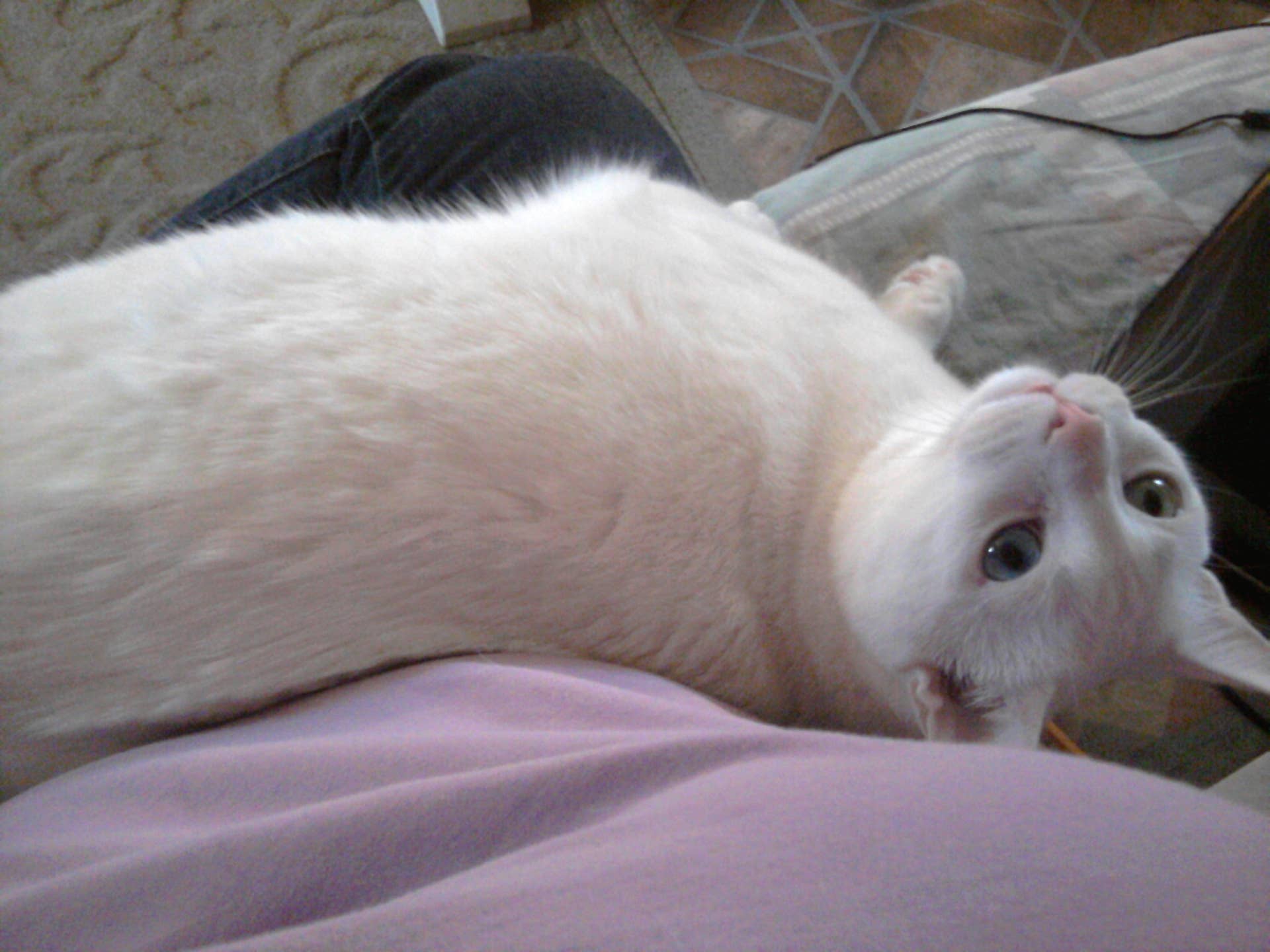
Credit: pethelpful.com
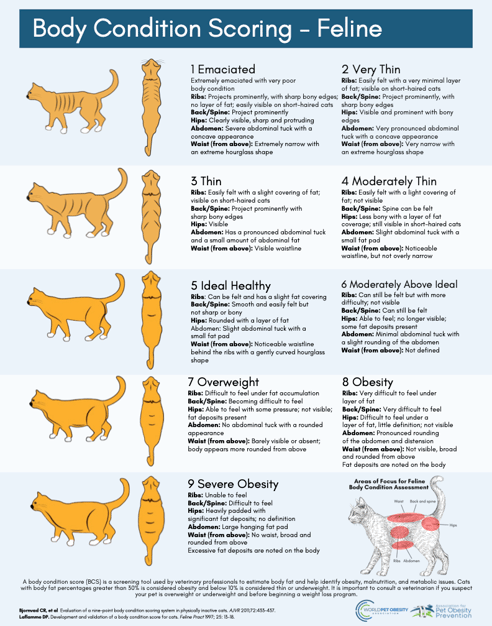
Credit: www.preventivevet.com
Frequently Asked Questions
Why Is My Cat Suddenly Not Grooming Herself?
A sudden stop in grooming may signal health issues like pain or illness. Stress and anxiety can also cause this behavior. Observe your cat for other symptoms and consult a vet for a proper diagnosis and treatment.
Can Grooming Problems Indicate Cat Health Issues?
Yes, grooming issues often reflect underlying health problems. Conditions like arthritis, dental pain, or skin infections can prevent grooming. Early detection is crucial to address these health concerns and improve your cat’s well-being.
How Can Stress Affect My Cat’s Grooming Habits?
Stress can disrupt a cat’s normal grooming routine. Changes in environment, loud noises, or new pets may cause anxiety. Reducing stress and providing a calm environment helps restore regular grooming behavior.
What Should I Do If My Cat Stops Grooming?
If your cat stops grooming, monitor her closely for other signs of illness. Schedule a vet visit to rule out medical problems. Provide a comfortable, stress-free space to encourage grooming.
Conclusion
Cats stop grooming for many reasons. Health problems, stress, or pain might be the cause. Watch your cat’s behavior closely. Keep their environment calm and safe. Regular vet visits help catch issues early. You can gently help by brushing your cat.
Clean fur means a happy, healthy pet. Caring for your cat shows love and concern. Don’t ignore changes in grooming habits. Early action keeps your cat comfortable and well.

Leave a Reply