Have you ever noticed your cat licking itself right after a meal? It might seem like a simple habit, but there’s more to it than just staying clean.
Understanding why your cat grooms after eating can reveal important things about their health and behavior. You’ll discover the surprising reasons behind this common feline ritual—and how it helps your cat feel comfortable and safe. Keep reading, and you’ll see your cat’s mealtime routine in a whole new light.
Cats’ Grooming Habits
Cats spend a lot of time grooming themselves. This behavior helps them stay clean and healthy. Grooming also plays a role in their comfort and well-being. It is a natural habit that cats develop from a young age. Understanding their grooming habits can explain why they lick themselves after eating.
Common Grooming Behaviors
- Licking fur to remove dirt and food particles
- Nibbling or biting to remove loose hair
- Using their paws to clean their face and head
- Stretching and scratching to relax muscles
- Rubbing their face on objects to mark territory
Frequency Of Grooming
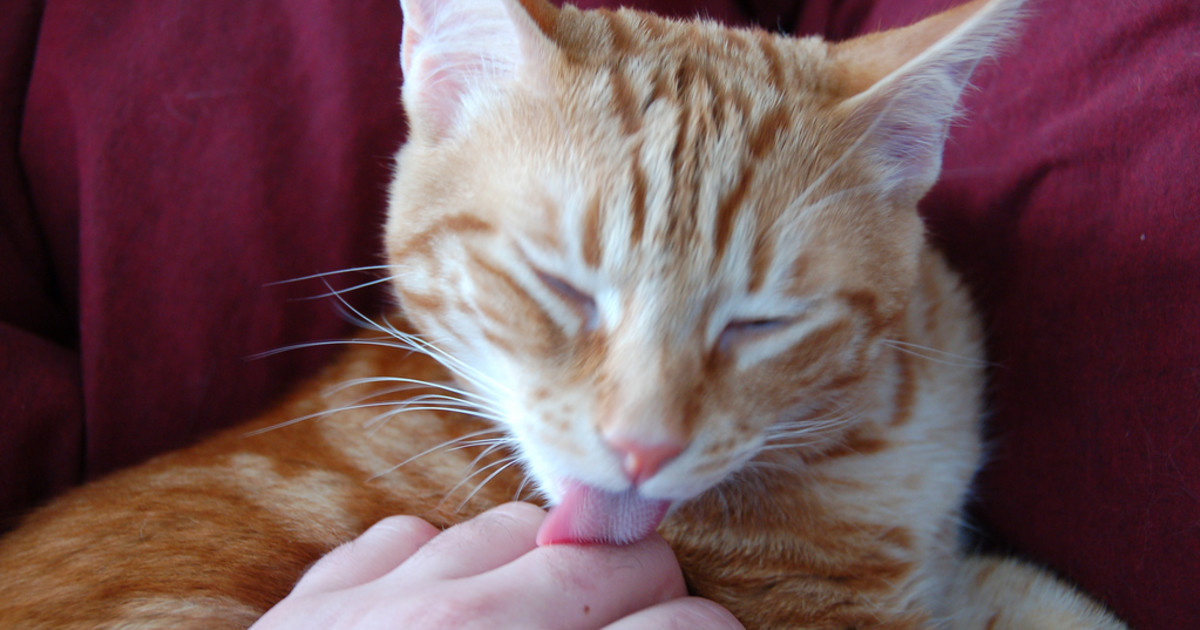
Cats groom several times a day. Some cats groom more than others. On average, they spend 30 to 50 percent of their day grooming. After eating, grooming helps remove food smells and crumbs. It also calms them and aids digestion.
Credit: pethelpful.com
Post-meal Grooming
Cats clean themselves after eating to remove food smells and keep their fur tidy. This grooming also helps them feel calm and comfortable.
Cats are fascinating creatures with unique habits. One intriguing behavior is their post-meal grooming. This ritual seems routine, but it serves important purposes for felines. Understanding why cats groom after meals helps in appreciating their natural instincts.Timing After Eating
Cats begin grooming shortly after finishing their meal. This behavior is almost immediate. They clean themselves to remove food scent. This instinct helps avoid attracting predators in the wild. It’s a survival habit rooted deep in their nature.Typical Grooming Actions
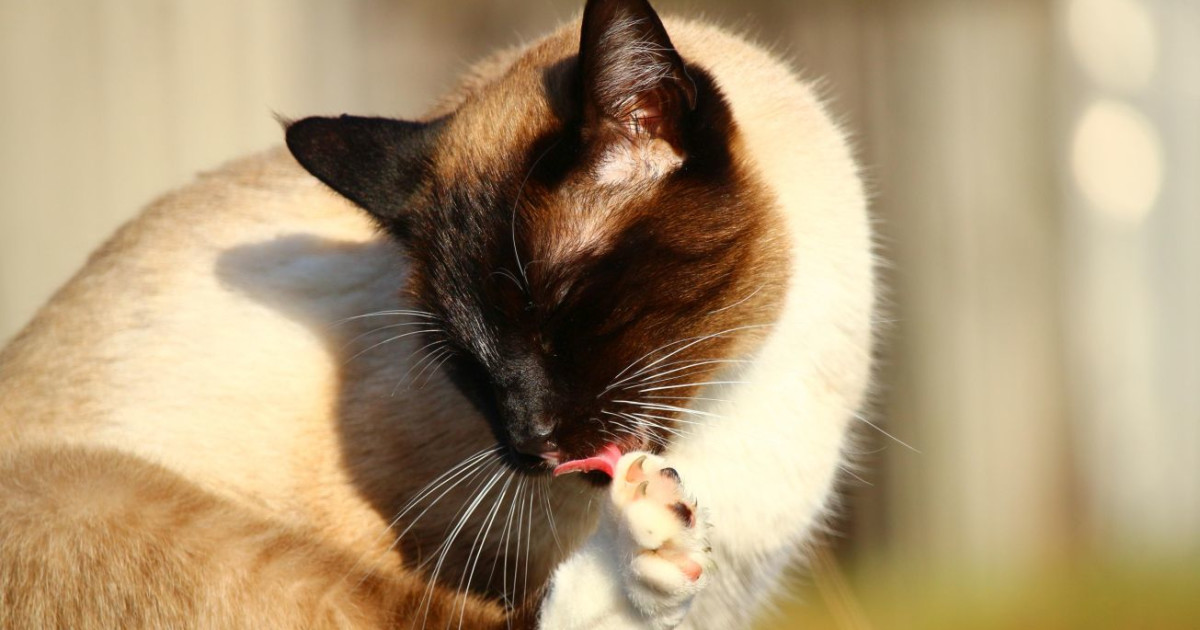
Post-meal grooming includes several specific actions. Cats start by licking their paws. They then clean their face and ears using their moistened paws. They may also lick their bodies to ensure cleanliness. This routine keeps their fur and skin healthy. It also helps cats feel comfortable and relaxed. Grooming is not just about cleanliness. It’s a soothing activity for cats.Hygiene And Cleanliness
Hygiene and cleanliness play a key role in a cat’s grooming routine after eating. Cats naturally keep themselves clean to stay healthy. This behavior helps them avoid infections and skin problems. Grooming also prevents unpleasant smells caused by leftover food.
Removing Food Residue
After eating, cats often have bits of food stuck in their fur or around their mouths. They use their tongues to clean these areas carefully. This stops food from attracting dirt or insects. It also keeps their fur neat and tidy.
Preventing Bacterial Growth
Food residue can cause bacteria to grow on the cat’s fur and skin. Grooming removes these particles, reducing the chance of infection. Clean fur helps cats stay healthy and free from skin irritations. This natural cleaning method is essential for their wellbeing.
)
Credit: www.northroadvet.com.au
Comfort And Relaxation
After eating, cats often start grooming themselves. This behavior goes beyond cleanliness. Grooming provides comfort and helps cats feel calm. It creates a soothing routine that helps them relax after a meal.
Calming Effects Of Grooming
Grooming releases endorphins, which are natural feel-good chemicals. These chemicals help cats feel peaceful and happy. The repetitive motion of licking fur also gives a sense of security. This calming effect helps cats settle down after eating.
Reducing Stress After Meals
Eating can sometimes be a bit stressful for cats. Grooming acts like a stress reliever. It helps lower anxiety and nervousness. By grooming, cats create a peaceful environment for themselves. This makes them more comfortable and ready to rest.
Scent Marking And Social Signals
Cats use grooming as a way to send messages with their scent. After eating, grooming helps them maintain their unique smell. This behavior plays a big role in how cats interact with their environment and other animals. It is more than just cleaning; it is about marking territory and sharing social signals.
Maintaining Personal Scent
Cats have scent glands on their face and paws. Grooming spreads their natural oils and scents over their fur. This keeps their personal scent strong and consistent. It helps cats feel secure and calm in their space. By grooming after eating, they cover any food smells on their fur. This prevents attracting unwanted attention from other animals.
Communication Through Grooming
Grooming sends signals to other cats nearby. A well-groomed cat shows health and confidence. Cats use grooming to show friendliness and reduce tension. Mothers groom their kittens to strengthen bonds. Social grooming often happens after meals to reinforce group harmony. It is a silent way to say, “I belong here” or “I am safe.”
Health Benefits
Cats grooming after eating offers several health benefits. It helps them stay clean and supports their body functions. Grooming plays a key role in keeping cats healthy and comfortable. It also helps their digestion and protects them from parasites.
Stimulating Digestion
Grooming after a meal can help cats digest food better. The licking motion stimulates saliva production. Saliva contains enzymes that start breaking down food. This makes digestion smoother and faster. Grooming also calms the cat, reducing stress that may hurt digestion.
Preventing Parasites
Cats use grooming to remove dirt and potential parasites. Food particles can attract fleas and ticks. By cleaning their fur, cats reduce this risk. Grooming helps get rid of harmful bacteria on their skin. It acts as a natural shield against infections and parasites.
Evolutionary Roots
Grooming after eating is more than just a cute habit your cat has. It traces back to deep evolutionary roots that helped wild cats survive harsh environments. Understanding this behavior gives you a glimpse into your feline’s ancient past and how it shapes their actions today.
Wild Ancestors’ Grooming
Wild cats used grooming as a way to clean themselves after meals. Their prey often left behind strong smells and food particles on their fur, which could attract predators or rivals.
By licking themselves clean, these cats reduced their scent and kept their fur free of debris. This habit was crucial for staying unnoticed in the wild.
Think about your own cat after mealtime—when they start cleaning up, they’re following a practice passed down from their wild ancestors. You’re witnessing a survival tactic in action.
Survival Advantages
Grooming after eating offered several survival advantages to wild cats:
- Camouflage:Removing food smells helped cats blend into their environment better.
- Hygiene:Cleaning away blood and food reduced the risk of infections and parasites.
- Social Signals:A clean coat signaled health and strength to other cats, aiding in territory defense or mating.
These benefits made grooming an essential routine. Could your cat’s grooming habits be a way they communicate their well-being or keep themselves safe even in a comfortable home?
When Grooming Becomes Excessive
Grooming is a natural behavior for cats, especially after eating. It helps them clean their fur and feel comfortable. But what happens when this grooming turns into a constant habit, almost like your cat can’t stop? Excessive grooming can signal something more serious than just cleanliness.
Signs Of Overgrooming
You might notice your cat licking or biting the same spot repeatedly. This can lead to bald patches or red, irritated skin. If your cat spends hours grooming instead of resting or playing, it’s a red flag.
Other signs include:
- Frequent scratching or biting at one area
- Visible sores or scabs on the skin
- Hair loss that seems unusual or sudden
- Changes in behavior, like increased anxiety or restlessness
Have you seen your cat obsessively grooming after meals and wondered if it’s normal? Recognizing these signs early can help you act before the problem worsens.
Possible Health Issues
Overgrooming often points to an underlying health problem. Allergies are a common cause. Your cat might be reacting to something in their food or environment.
Parasites like fleas or mites also trigger constant grooming. Even stress or anxiety can make your cat lick excessively as a coping mechanism.
Skin infections or wounds from repeated licking can develop, making the situation worse. If your cat’s grooming seems out of control, it’s important to visit a vet. They can pinpoint the exact cause and recommend treatment.
Think about your cat’s recent changes in diet, environment, or routine. Could any of these be stressing your pet and causing this behavior?
Credit: pethelpful.com
Frequently Asked Questions
Why Do Cats Groom After Eating Food?
Cats groom after eating to clean food residue from their fur. This behavior helps prevent attracting predators and keeps them hygienic.
Does Grooming Aid Cat Digestion After Meals?
Grooming doesn’t directly aid digestion but calms cats. It reduces stress, helping the digestive process work smoothly.
Is Post-meal Grooming A Natural Cat Instinct?
Yes, grooming after eating is an instinctive behavior in cats. It helps maintain cleanliness and signals contentment.
Can Grooming After Eating Prevent Illness In Cats?
Regular grooming removes bacteria and food particles. This reduces the chance of infections and keeps cats healthy.
Conclusion
Cats groom after eating to keep clean and comfortable. This behavior helps remove food smells and dirt from their fur. Grooming also calms cats and helps digestion. It is a natural, healthy habit that shows they feel safe. Watching your cat groom can tell you about their mood and health.
Understanding why cats groom after meals brings you closer to your pet’s world. Caring for this habit supports their well-being every day. Simple, yet important.

Leave a Reply