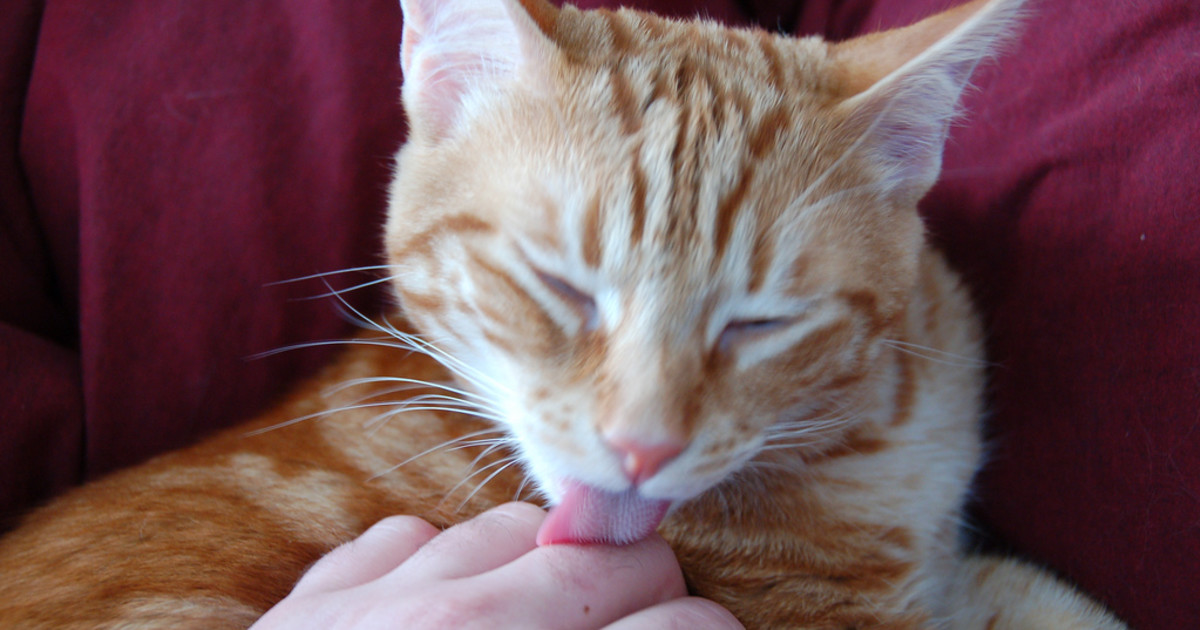
Have you ever noticed your cat starts grooming herself the moment you begin petting her? It might seem puzzling or even a bit funny.
You’re trying to show love, but she’s suddenly busy licking her fur. Why does your cat do this? Understanding this behavior can help you connect better with your furry friend and make your petting sessions more enjoyable for both of you.
Keep reading to discover the surprising reasons behind this common cat habit and what it means for your relationship.
Cat Grooming Basics
Cats spend a lot of time grooming themselves. It keeps their fur clean and healthy. Grooming also helps cats relax. It is a natural behavior they learn from their mothers as kittens. Understanding the basics of cat grooming helps explain why your cat might groom during petting.
How Cats Groom Themselves
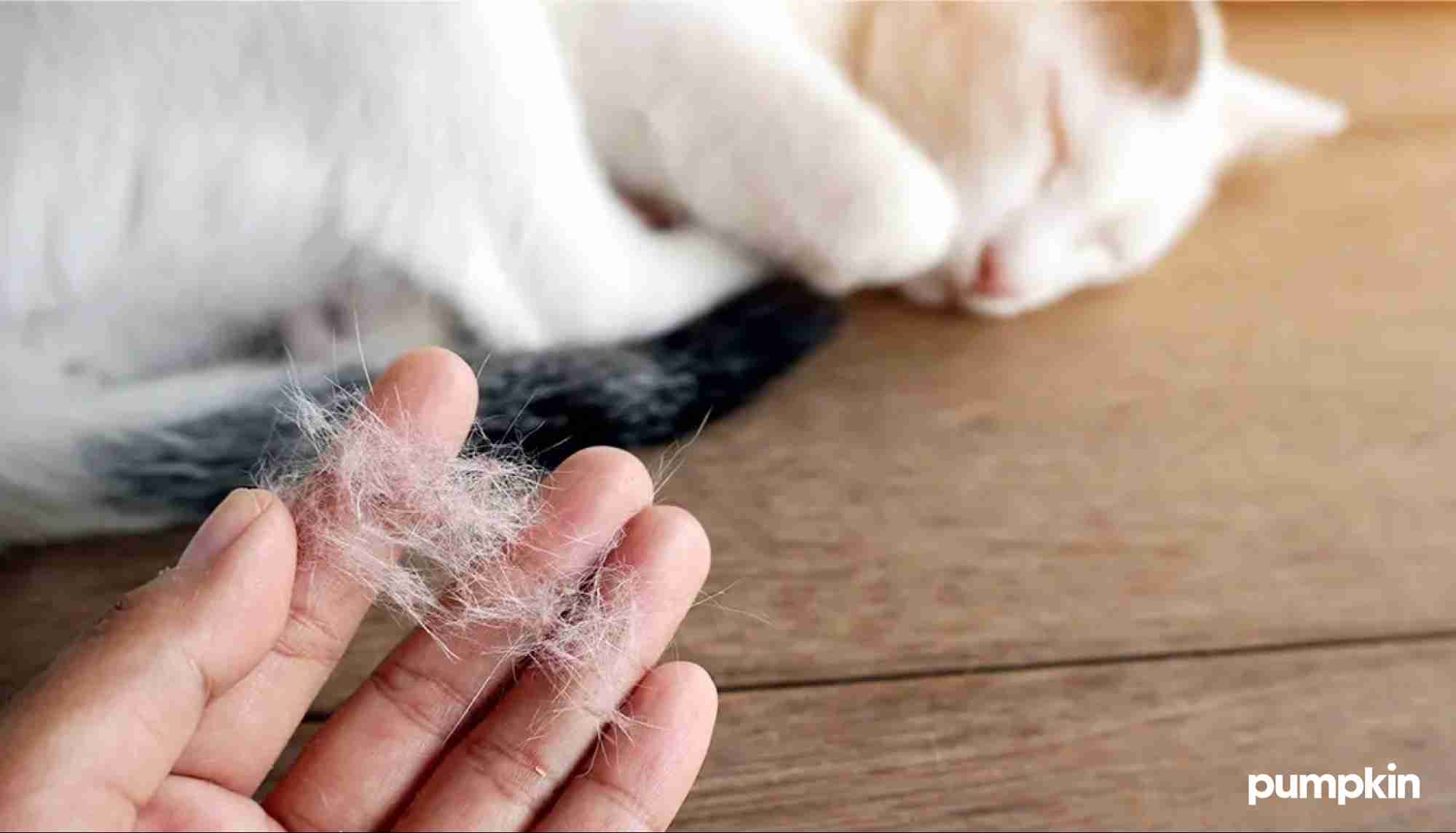
Cats use their tongues to clean their fur. Their tongues have tiny, hook-like structures. These hooks remove dirt and loose hair. Cats lick their paws and rub them over their faces. This action cleans hard-to-reach areas. Grooming also spreads natural oils from the skin. These oils keep the coat shiny and waterproof.
Besides licking, cats use their teeth and claws. They nibble to remove mats or debris. Claws help scratch itchy spots. Grooming is a careful and repeated process.
Common Grooming Triggers
Cats groom for many reasons. Dirt, loose fur, or food on their coat can trigger grooming. Stress or anxiety often leads to more licking. Grooming also happens after eating to clean their face and paws.
Physical touch, like petting, can start grooming. It feels similar to a cat’s own licking. Petting may mimic the mother cat’s grooming. This comfort makes cats want to groom themselves or you.
Other triggers include temperature changes and shedding seasons. Grooming helps cats cool down or remove dead fur. It is a natural way to stay clean and calm.
Credit: www.pumpkin.care
Grooming During Petting
Grooming during petting is a common behavior in cats. It shows how your cat feels while you stroke her. Sometimes, grooming happens right after or even during your touch. This action can tell a lot about her mood and comfort level. Understanding this helps you connect better with your furry friend.
Self-grooming As A Response
When your cat grooms herself during petting, she may be calming down. Grooming releases feel-good chemicals in her brain. It helps reduce stress and nervousness. This behavior also means she trusts you but needs a little space. Sometimes, grooming acts as a way to reset her feelings. It’s like saying, “I’m okay, but I need a moment.”
Grooming As A Comfort Signal
Grooming during petting can also be a comfort signal. Your cat might be signaling she feels safe and relaxed. This action shows she enjoys your touch. It can also mean she wants to extend the bonding moment. Cats often groom themselves or others to build social bonds. So, grooming here is a sign of happiness and trust.
Bonding And Social Behavior
Cats often groom themselves right after being petted. This behavior may seem puzzling, but it’s deeply rooted in bonding and social behavior. Understanding this can enhance the relationship between you and your feline friend.
Grooming To Strengthen Bonds
Grooming is a social activity for cats. In the wild, cats groom each other to strengthen bonds. This mutual grooming, known as allogrooming, helps build trust and companionship. When your cat grooms herself after you pet her, she might be extending this bonding ritual to you. She sees you as part of her social group.
Grooming also releases endorphins. These chemicals make your cat feel good and relaxed. By grooming after being petted, your cat continues to enjoy these positive feelings. It helps maintain the bond between you two.
Imitating Owner’s Touch
Cats often imitate behaviors they see and feel. When you pet your cat, she might mimic the touch through grooming. It’s a way of processing the physical sensation. Your touch might remind her of grooming, prompting her to continue the action.
Imitating your touch is also a sign of trust. Your cat feels safe enough to replicate your actions. This behavior strengthens the bond and shows comfort with your presence. Cats are complex creatures, and their grooming behavior can tell you much about how they feel. Understanding this can deepen your connection with your pet.

Credit: www.latimes.com
Stress And Anxiety Signals
Noticing your cat grooming herself while you pet her can be puzzling. This behavior often signals more than just cleanliness—it can indicate underlying stress or anxiety. Understanding these signals helps you respond better to your cat’s emotional needs and strengthens your bond.
Grooming As A Stress Outlet
Cats use grooming to calm themselves during stressful moments. When you pet your cat, she might feel overwhelmed or unsure, triggering grooming as a way to soothe her nerves. This self-soothing behavior is similar to how humans might fidget or take deep breaths when anxious.
If you see your cat suddenly start licking her fur mid-pet, ask yourself: Is something about the situation making her uneasy? Maybe the petting is too intense or happening too long. Paying attention to these cues helps you avoid pushing her limits.
Recognizing Overstimulation
Overstimulation happens when your cat receives more touch than she can handle comfortably. Grooming during petting can be a sign she’s reaching her threshold. Other signs include twitching tail tips, flattened ears, or quick head turns.
Try to observe how much petting she enjoys before she starts grooming or showing agitation. Does she prefer short sessions or gentle strokes? Adjusting your approach based on her reactions prevents stress and keeps petting enjoyable for both of you.
Health And Sensory Factors
Cats often groom themselves after being petted due to health and sensory reasons. Grooming helps them feel comfortable and clean. It also manages any irritation or sensitivity caused by touch. Understanding these factors can explain your cat’s grooming behavior during petting.
Skin Irritations And Grooming
Petting can sometimes cause mild skin irritation. Cats may react by licking or grooming the area to soothe it. This action helps remove dirt or loose hair. Grooming also spreads natural oils that protect the skin. If your cat grooms excessively after petting, check for redness or bumps. These signs may indicate an allergy or skin problem.
Sensory Sensitivities
Cats have sensitive skin and nerve endings. Some cats may feel overstimulated by touch. Grooming helps them calm down and regain comfort. It acts as a way to process the new sensation. Sensory sensitivity varies by cat. Some enjoy petting more, while others need to groom after to relax.
Credit: www.latimes.com
How To Respond To Grooming
Understanding how to respond when your cat grooms during petting helps build a stronger bond. Cats use grooming as a way to communicate comfort or stress. Your reaction can encourage positive behavior or signal discomfort. Observing your cat’s body language is key to knowing how to act next.
Adjusting Petting Techniques
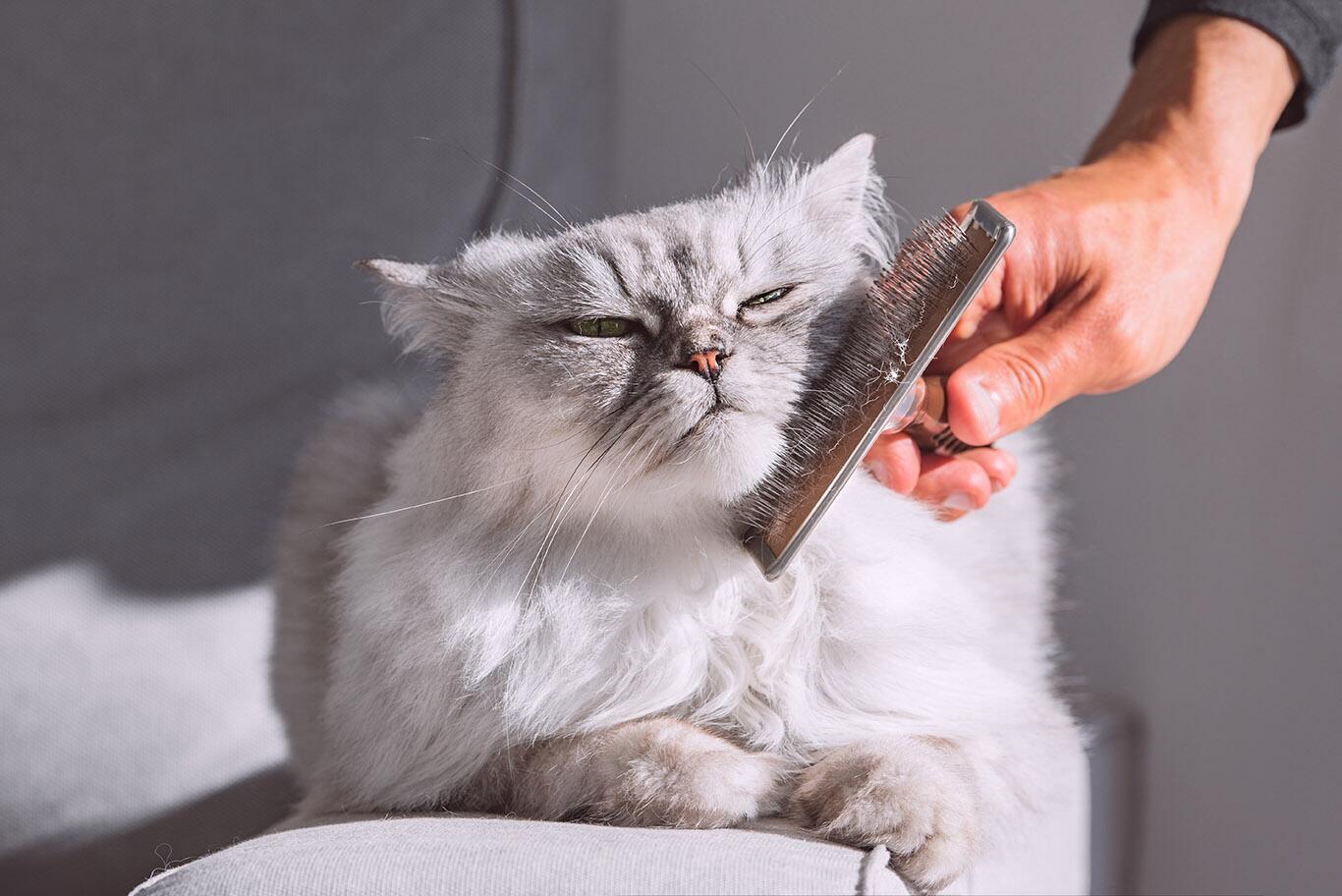
Change the way you pet your cat based on her grooming signals. Try gentle strokes instead of vigorous rubbing. Focus on areas cats usually like, such as behind the ears or under the chin. Avoid touching sensitive spots like the belly unless your cat clearly enjoys it.
Watch if grooming stops when you change your touch. If grooming increases, your cat might feel uneasy. Slow your movements and speak softly to calm her. Use breaks during petting to let your cat relax and reset.
When To Consult A Vet
Excessive grooming during or after petting may suggest health issues. Skin problems, allergies, or pain can cause this behavior. Look for signs like redness, hair loss, or swelling on your cat’s skin. If you notice these, schedule a vet visit for a checkup.
Sudden changes in grooming habits also need professional advice. Your vet can rule out infections or injuries. Early detection helps treat problems before they worsen. Always trust your instincts when your cat’s grooming seems unusual.
Frequently Asked Questions
Why Does My Cat Start Grooming When I Pet Her?
Cats groom when petted as a calming response. It helps them feel safe and reduces stress. Grooming also strengthens the bond between you and your cat.
Is Grooming A Sign My Cat Trusts Me?
Yes, grooming during petting shows trust. Cats groom only in comfortable, secure environments. It indicates your cat feels relaxed around you.
Can Grooming Mean My Cat Is Overstimulated?
Sometimes, grooming signals overstimulation. If petting becomes too intense, cats may groom to self-soothe. Watch for other signs like tail flicking or restlessness.
Does Grooming Help My Cat Show Affection?
Yes, grooming is a form of affection. Cats use grooming to show love and care. When your cat grooms while being petted, it expresses positive feelings.
Conclusion
Cats groom while you pet them to show comfort and trust. This behavior helps them relax and feel safe around you. Grooming also keeps their fur clean and healthy. Petting builds a strong bond between you and your cat. Next time she grooms during petting, know she feels happy and close to you.
Simple moments like these deepen your connection. Enjoy the quiet comfort your cat shares in her own special way.

Leave a Reply