
Have you ever noticed your cat biting her fur while grooming and wondered why she does it? It might seem strange or even a little worrying when your furry friend nibbles on her own coat.
But there’s more to this behavior than meets the eye. Understanding why your cat bites her fur can help you keep her happy and healthy. You’ll discover the reasons behind this curious habit and learn what it means for your cat’s well-being.
Keep reading to find out what’s really going on when your cat bites her fur during grooming.

Credit: www.reddit.com
Normal Grooming Behavior
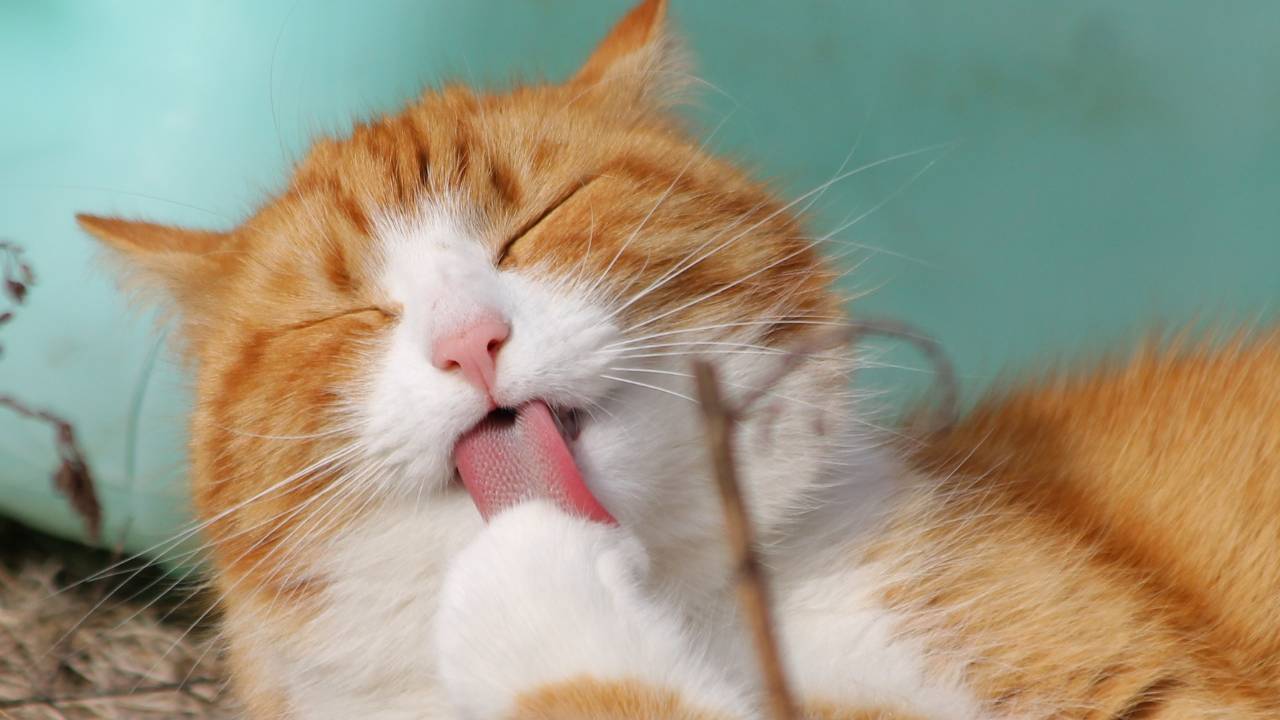
Cats spend a large part of their day grooming themselves. This behavior is normal and helps keep them clean and healthy. Grooming also helps cats feel calm and relaxed. You might notice your cat biting her fur during grooming. This action is a common part of how cats maintain their coats.
Purpose Of Fur Biting
Fur biting helps cats remove dirt and loose hair. It also stops tangles and mats from forming. Cats use their teeth to carefully nibble away small knots. This keeps their fur smooth and soft. Biting can also help with itchy spots or minor irritations.
How Cats Groom Themselves
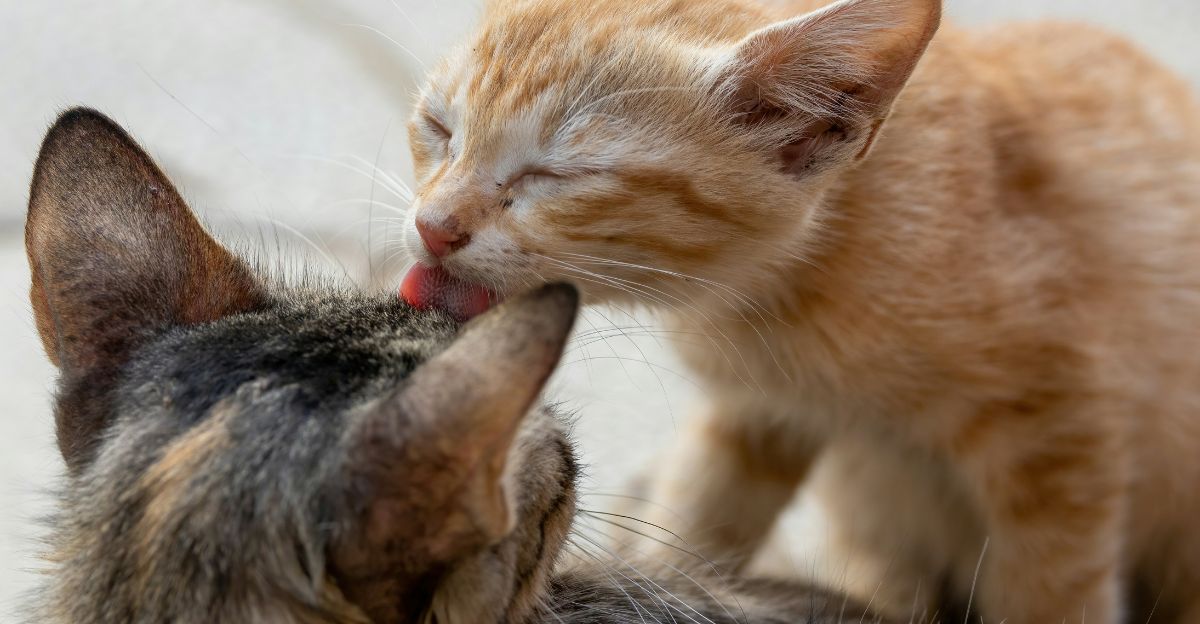
Cats use their tongues, teeth, and paws to groom. Their rough tongues catch dirt and loose fur. Teeth help to nibble and clean hard-to-reach areas. Paws work like little washcloths to wipe their face and head. This three-step process is very efficient and natural for cats.
Stress And Anxiety
Stress and anxiety can have a big impact on your cat’s behavior, especially when it comes to grooming. If you notice your cat biting her fur more than usual, it might be her way of dealing with emotional discomfort. Understanding the connection between stress and fur biting helps you support your cat better and improve her well-being.
Signs Of Stress In Cats
Recognizing stress in cats can be tricky since they often hide their feelings. Look out for changes like:
- Excessive grooming or fur biting
- Hiding more than usual
- Loss of appetite or changes in eating habits
- Restlessness or pacing
- Increased vocalization or aggression
If your cat suddenly starts biting her fur, think about any recent changes in her environment, like moving homes or new pets. Have you noticed other behaviors that seem out of character?
Fur Biting As A Coping Mechanism
Fur biting can be your cat’s way to cope with anxiety. It’s similar to how some people bite their nails when nervous. This behavior can release built-up tension and give temporary relief.
One cat owner shared how her shy cat started biting her fur after the family adopted a loud dog. The fur biting stopped once the cat had a quiet safe space to retreat to. This shows how creating calm spots can reduce stress-driven behaviors.
Try offering your cat interactive toys or calming pheromone diffusers to ease her anxiety. What small changes can you make today to help your cat feel more secure?
Skin Irritations
Understanding why your cat bites her fur during grooming can be perplexing. One common reason is skin irritations. These irritations can cause discomfort, leading your cat to bite or chew her fur. Addressing these issues can help alleviate your cat’s distress and improve her well-being.
Common Skin Issues
Cats often face various skin issues that lead to biting fur. Dry skin is a frequent problem, especially in colder months. This dryness causes itchiness and flakiness. Cats might bite their fur to relieve this itch. Other common skin issues include fungal infections and bacterial infections. These infections can cause redness, swelling, and discomfort.
Allergies And Parasites
Allergies are another reason cats bite their fur. Food allergies or environmental allergens can cause skin reactions. These reactions lead to itching and discomfort. Common allergens include pollen, dust mites, and certain foods. Parasites also play a significant role. Fleas, ticks, and mites can irritate a cat’s skin. These pests cause intense itching, prompting cats to bite their fur. Regular check-ups and treatments can help prevent these issues.
Medical Conditions
Sometimes, your cat’s habit of biting her fur during grooming isn’t just a quirky behavior—it could signal a medical issue. Understanding the medical conditions behind this action is crucial for your cat’s health and comfort. Ignoring these signs might lead to worsening symptoms or even new problems.
Pain And Discomfort
Have you noticed your cat biting a specific spot repeatedly? This might be her way of coping with pain or discomfort. Cats often target areas affected by injuries, arthritis, or skin irritations.
For example, if your cat has a hidden wound or a joint problem, biting the fur around that area may provide temporary relief. You might see redness, swelling, or hair loss in the spots she bites the most. These signs suggest you should consult your vet promptly to address the underlying pain.
Underlying Health Problems
Sometimes, biting fur is linked to deeper health issues like allergies, parasites, or infections. Fleas or mites cause intense itching, leading your cat to bite and pull at her fur compulsively.
Allergies to food or environmental factors can also trigger this behavior. Your cat might bite her fur as a reaction to the irritation, and over time, this can cause bald patches or sores. Identifying these triggers requires careful observation and veterinary tests.
Could your cat’s fur-biting be a sign of a hidden health problem? Pay close attention to changes in her grooming habits and overall behavior to catch these issues early.
Behavioral Causes
Behavioral causes play a big role in why cats bite their fur during grooming. These actions often point to how a cat feels inside and how it handles its environment. Understanding these behaviors helps in caring for your cat better and keeping it happy.
Boredom And Lack Of Stimulation
Cats need mental and physical activities daily. Without enough play or interaction, they may bite their fur out of boredom. This behavior acts as a way to pass time and relieve stress. A cat left alone for long periods often shows signs of boredom.
Providing toys, climbing spaces, and regular playtime can reduce this behavior. Simple changes in the home environment help keep a cat engaged. It also strengthens the bond between the cat and its owner.
Compulsive Behaviors
Some cats develop compulsive grooming habits that include biting their fur. This happens when the cat feels anxious or stressed often. The behavior becomes a repetitive action, almost like a habit they cannot stop.
Compulsive grooming can lead to fur loss and skin damage. It may signal that the cat needs help managing anxiety. Consulting a vet or animal behaviorist can offer solutions. Treatments may include stress relief techniques or medication.
When To See A Vet
Knowing when to visit a vet is key if your cat bites her fur often. Some fur-biting is normal, but too much can signal health issues. Watching your cat closely helps catch problems early. A vet can find the cause and give the right care. Acting fast can prevent pain and infection.
Warning Signs
- Hair loss or bald patches on your cat
- Red, swollen, or bleeding skin
- Constant scratching or licking in one spot
- Changes in your cat’s mood or behavior
- Visible wounds or scabs on the skin
- Foul smell from the fur or skin
- Loss of appetite or low energy
Diagnosis And Treatment Options
The vet will check your cat’s skin and fur carefully. They may do tests like skin scrapings or allergy checks. These help find infections, parasites, or allergies. Blood tests can spot internal problems too.
Treatment depends on the cause. It may include:
- Medications for infections or parasites
- Special shampoos or creams for irritated skin
- Diet changes for food allergies
- Behavioral advice to reduce stress
- Regular follow-up visits to track progress
Early vet visits improve your cat’s comfort and health. Don’t wait if you see warning signs. Your cat will thank you with better purring and less biting.
Preventing Excessive Fur Biting
Preventing excessive fur biting helps keep your cat healthy and comfortable. It reduces skin damage and fur loss. Understanding how to calm your cat and care for her fur is key. Simple steps can make a big difference in her grooming habits.
Creating A Stress-free Environment
Stress often causes cats to bite their fur too much. A calm space helps your cat feel safe and relaxed. Keep noise low and avoid sudden changes around your cat.
- Provide quiet resting spots away from busy areas.
- Use soft bedding and familiar scents to comfort her.
- Maintain a regular routine for feeding and playtime.
- Give your cat attention, but respect her alone time.
Less stress means less need for your cat to overgroom.
Regular Grooming Tips
Brushing your cat often removes loose fur and dirt. This helps reduce itching and fur biting. Use a brush suited to your cat’s fur type.
- Brush gently to avoid hurting your cat.
- Focus on areas your cat bites most.
- Check for fleas or skin problems while grooming.
- Bath your cat only if necessary and with cat-friendly shampoo.
Regular grooming keeps your cat’s coat healthy and less itchy.
Credit: www.goodrx.com
Credit: americanpaws.club
Frequently Asked Questions
Why Does My Cat Bite Her Fur While Grooming?
Cats bite their fur during grooming to remove dirt, loose hair, and parasites. It helps maintain cleanliness and skin health. Sometimes, biting can also relieve itching or discomfort caused by allergies or skin issues.
Is Fur Biting Normal Cat Grooming Behavior?
Yes, fur biting is a normal part of grooming. Cats use their teeth to carefully clean and detangle fur. However, excessive biting may indicate stress, allergies, or skin problems that need attention.
Can Fur Biting Cause Harm To My Cat?
Mild fur biting usually doesn’t harm cats. But excessive biting can lead to skin irritation, sores, or hair loss. If you notice wounds or bald patches, consult a veterinarian for proper diagnosis and treatment.
How Can I Stop My Cat From Biting Her Fur Excessively?
Identify any underlying causes like allergies, parasites, or stress. Provide a calm environment and regular vet checkups. Use recommended treatments or calming aids to reduce excessive fur biting.
Conclusion
Cats bite their fur while grooming for many reasons. It can help remove dirt or loose hair. Sometimes, it is a way to feel calm or relaxed. If biting seems too much, it might mean stress or skin issues. Watch your cat closely and keep her comfortable.
A healthy cat grooms happily and gently. Understanding this behavior helps you care for your pet better. Keep her safe, happy, and loved every day.

Leave a Reply