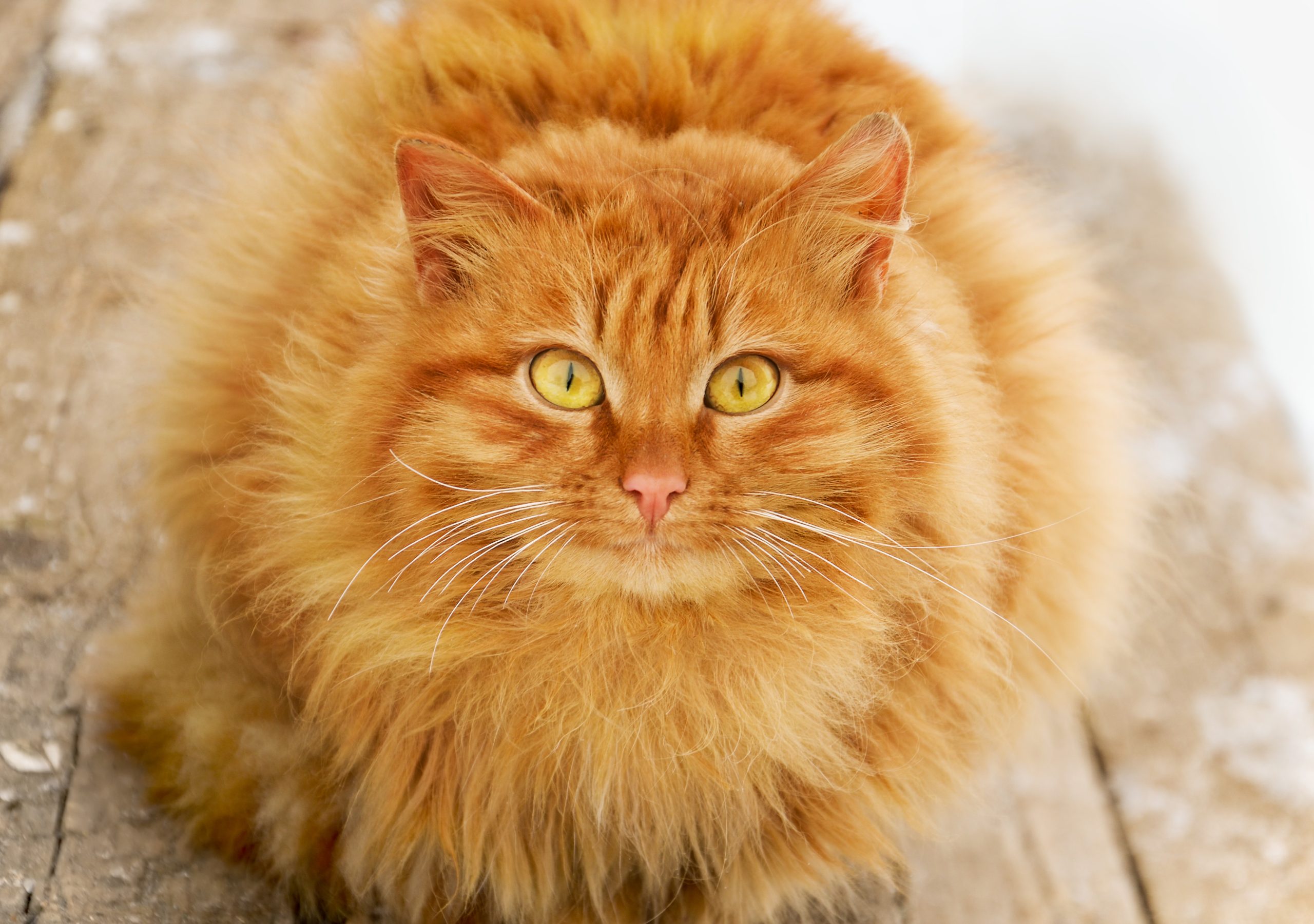
Have you noticed your cat spending more time licking or biting its fur than usual? Excessive grooming can seem harmless at first, but it might be a sign that something is wrong.
Understanding why your cat grooms itself so much can help you keep your furry friend healthy and happy. You’ll discover the surprising reasons behind this behavior and learn how to spot when it’s time to take action. Keep reading to find out what your cat’s grooming habits are really telling you.
Credit: www.preventivevet.com
Reasons For Excessive Grooming
Cats groom themselves to stay clean and healthy. Excessive grooming can signal a problem. It may be a sign of physical or emotional issues. Understanding the reasons helps you care for your cat better.
Stress And Anxiety
Stress causes cats to groom more than usual. Changes in the home or routine can trigger anxiety. Grooming acts as a calming behavior. It helps cats feel safe when they are worried.
Allergies And Skin Conditions
Allergies can make a cat’s skin itchy. This leads to more licking and scratching. Skin conditions like eczema or dry skin cause discomfort. Cats try to relieve irritation through grooming.
Parasites And Infections
Fleas, mites, or ticks irritate the skin. Cats groom excessively to remove these pests. Infections also cause itching and pain. Grooming is a way to soothe infected areas.
Pain Or Discomfort
Injuries or internal pain can cause over-grooming. Cats focus grooming on sore spots to ease discomfort. Arthritis or wounds may lead to this behavior. It is a sign that something hurts.
Boredom And Behavioral Issues
Lack of stimulation can make cats groom too much. Bored cats use grooming to pass time. This can turn into a repetitive habit. Behavioral problems often need changes in environment or routine.
Signs To Watch For
Excessive grooming in cats can signal health or emotional issues. Watching for clear signs helps identify problems early. These signs often show through changes in the cat’s skin, behavior, and grooming habits. Knowing what to notice ensures timely care and comfort for your pet.
Bald Patches And Redness
Look for areas where fur is missing or thinning. Bald patches often appear on the belly, legs, or sides. The skin beneath might be red or inflamed. These spots can be itchy or sore, causing your cat to groom more. Persistent bald patches usually need a vet’s attention.
Licking And Chewing Patterns
Notice how often your cat licks or chews specific spots. Excessive licking can leave the fur wet and shiny. Chewing may cause small wounds or scabs. Cats might focus on one area or move between several spots. Such focused grooming can indicate allergies or skin irritations.
Changes In Behavior
Excess grooming may come with mood changes. Your cat might seem restless or anxious. They may hide more or show aggression. Playfulness can decrease, and sleep patterns might shift. Behavioral shifts often point to discomfort or stress linked to grooming.
Physical Symptoms
- Swollen or scaly skin
- Open sores or bleeding
- Flaky or dry patches
- Unusual odors from the skin
These symptoms often accompany excessive grooming. They suggest infections or parasites. Physical changes require quick vet visits to prevent worsening conditions.
Diagnosing The Problem
Excessive grooming in cats can signal different health or behavior issues. Diagnosing the cause requires careful observation and professional help. This process helps identify the root problem. It guides the best treatment plan for your pet’s comfort and health.
Veterinary Examination
A vet starts with a full physical checkup. They look for skin damage, wounds, or infections. The vet checks the cat’s overall health too. This step rules out common medical causes of over-grooming.
During the exam, the vet may ask about the cat’s habits. Questions cover diet, environment, and stress factors. These details help pinpoint triggers for grooming behavior.
Skin Tests And Allergy Screening
Skin problems often cause cats to groom too much. The vet may perform skin scrapings or biopsies. These tests find parasites, bacteria, or fungal infections.
Allergy screening can reveal sensitivities to food or environment. Blood tests or elimination diets may be used. Identifying allergies helps reduce the cat’s discomfort and grooming urges.
Behavioral Assessment
Sometimes, excessive grooming is a sign of stress or anxiety. A behavioral assessment looks at the cat’s daily routine and environment. Changes in the home or lack of stimulation can affect behavior.
The vet or a behaviorist may observe the cat’s actions closely. They suggest changes or training to reduce stress-related grooming. This step supports the cat’s emotional well-being.

Credit: basepaws.com
Treatment Options
Excessive grooming in cats can be more than just a quirky habit—it often signals underlying issues that need attention. Treatment options depend on the cause but generally aim to reduce discomfort and restore your cat’s normal behavior. Understanding these options can help you make informed decisions for your feline friend’s health and happiness.
Medications And Topical Treatments
Sometimes, a vet may prescribe medications to ease inflammation or infections causing your cat to groom excessively. Anti-anxiety drugs or steroids can help if the behavior stems from stress or allergies. Topical creams or ointments might soothe irritated skin directly, providing quick relief.
Have you noticed your cat licking a specific spot until it looks raw? This could mean a localized problem where topical treatment works best. Always follow your vet’s advice to avoid side effects and ensure proper healing.
Behavioral Therapy And Enrichment
Stress and boredom often push cats to groom too much. You can help by adding interactive toys, puzzle feeders, or new climbing spots at home. These changes keep your cat’s mind busy and reduce anxiety-driven grooming.
Try spending more quality time playing or cuddling with your cat. Sometimes, simple attention can curb nervous habits. Could your cat’s environment use more stimulation or comfort?
Dietary Changes
Food allergies or nutritional deficiencies might trigger excessive grooming. Switching to hypoallergenic or novel protein diets can ease skin problems. Omega-3 supplements are known to improve coat health and reduce itching.
Watch your cat’s reaction after changing its diet. Improvement in grooming habits often follows once irritants are removed. Have you checked if your cat’s food matches its specific dietary needs?
Parasite Control
Fleas, mites, and other parasites are common reasons cats groom excessively. Regular use of flea preventatives and thorough cleaning of your home can break this cycle. Parasite control not only stops itching but also prevents infections.
Even if you don’t see bugs, your cat might be reacting to invisible irritants. Are you keeping up with routine parasite treatments to protect your furry companion?
Preventing Excessive Grooming
Excessive grooming in cats often signals stress, allergies, or skin problems. Preventing it involves providing a calm environment and checking for health issues. Regular vet visits help identify causes and keep your cat comfortable.
Preventing excessive grooming in cats is crucial to ensure their well-being and happiness. Over-grooming can lead to skin issues, hair loss, and stress. By taking proactive steps, you can help your cat maintain a healthy grooming routine.Reducing Stress In Cats
Stress is a common trigger for excessive grooming. Create a calm environment by minimizing loud noises and sudden changes. Consider using pheromone diffusers or sprays that promote relaxation. Routine is key. Stick to a regular feeding schedule and ensure your cat has a quiet place to retreat. Sometimes, simply spending more quality time with your cat can alleviate stress and reduce grooming.Regular Vet Check-ups
Regular vet visits are essential for detecting underlying health issues. A vet can spot problems that might cause your cat to groom excessively, like allergies or parasites. Don’t wait for annual check-ups if you notice a sudden change in grooming behavior. Early diagnosis can prevent complications and ease your cat’s discomfort.Providing Stimulating Environment
Cats need mental and physical stimulation to stay healthy. Introduce interactive toys, scratching posts, and puzzle feeders to keep them engaged. Is your cat an indoor feline? Try setting up a perch by the window or a cat tree. Observing the outside world can provide hours of entertainment and reduce boredom-induced grooming. Conclusion Taking these steps can help your cat lead a more balanced life. What changes can you make today to support your furry friend’s health and happiness?
Credit: catgroomerla.com
When To Seek Help
Knowing when to seek help for your cat’s excessive grooming can make a big difference in their health and happiness. Sometimes, what seems like a harmless habit can signal deeper issues that need attention. Watch closely for signs that your cat might be struggling and take action before things get worse.
Persistent Symptoms
If your cat keeps grooming excessively for more than a week, it’s time to pay attention. Occasional licking is normal, but constant licking or biting at the same spot can mean discomfort or irritation. Have you noticed your cat’s behavior staying the same or getting worse despite your efforts to distract or comfort them?
Worsening Skin Condition
Check your cat’s skin regularly for redness, swelling, or bald patches. These signs show that grooming is damaging their skin. If you spot open sores or scabs that don’t heal, your cat needs a vet’s evaluation to prevent infections or other complications.
Impact On Cat’s Well-being
Excessive grooming can cause your cat to feel stressed or anxious. If you see changes in their appetite, sleep, or play habits, it’s a clear signal something is wrong. Remember, a happy cat grooms without obsession—don’t ignore changes in their mood or daily routine.
Frequently Asked Questions
Why Does My Cat Groom Excessively?
Excessive grooming in cats often signals stress, anxiety, or skin irritation. It can also indicate allergies or parasites. Monitoring behavior helps identify underlying issues. Consulting a vet ensures proper diagnosis and treatment.
Can Excessive Grooming Harm My Cat’s Health?
Yes, excessive grooming can cause hair loss, skin sores, and infections. It may lead to discomfort and worsen underlying conditions. Early intervention is crucial to prevent long-term health problems and improve your cat’s well-being.
How Can I Stop My Cat From Over-grooming?
Address stress triggers and provide a calm environment. Regular vet check-ups help rule out medical causes. Using calming sprays or pheromones may reduce anxiety. Engage your cat with toys and attention to distract from grooming.
Is Excessive Grooming A Sign Of Illness?
Excessive grooming can indicate illness like allergies, parasites, or skin infections. It is often a symptom rather than a disease itself. Prompt veterinary care is essential to diagnose and treat the root cause effectively.
Conclusion
Excessive grooming in cats often signals stress or health issues. Watch your cat’s behavior closely and note any changes. Regular grooming is normal, but too much may need attention. Consult a vet to rule out allergies or skin problems. Create a calm, safe environment for your cat.
This helps reduce anxiety and over-grooming. Understanding your cat’s needs strengthens your bond. Stay patient and observant to keep your cat happy and healthy.

Leave a Reply